
The Russian expedition tackling the West Ridge of Everest has called off its autumn attempt. Team leader Andrei Vasiliev and Vitaly Shipilov, along with their teammate, have returned to their lodge in Lobuche following an interrupted final outing. Exhausted, suffering from persistent respiratory symptoms, and facing deteriorating conditions, they chose not to press on. This decision comes as the expedition had not yet undertaken a final summit push, but remained in the preparatory high-altitude acclimatization phase.
Respiratory Symptoms, Exhaustion, and a Shoulder Injury
Physical hardships took a heavy toll. According to Andrei Vasiliev, speaking from Lobuche to MountainClub, the entire team was suffering from colds and coughs that had already accompanied them during previous rotations. These symptoms, recurrent throughout the expedition, had never completely disappeared. Furthermore, Vitaly Shipilov was dealing with a shoulder injury.
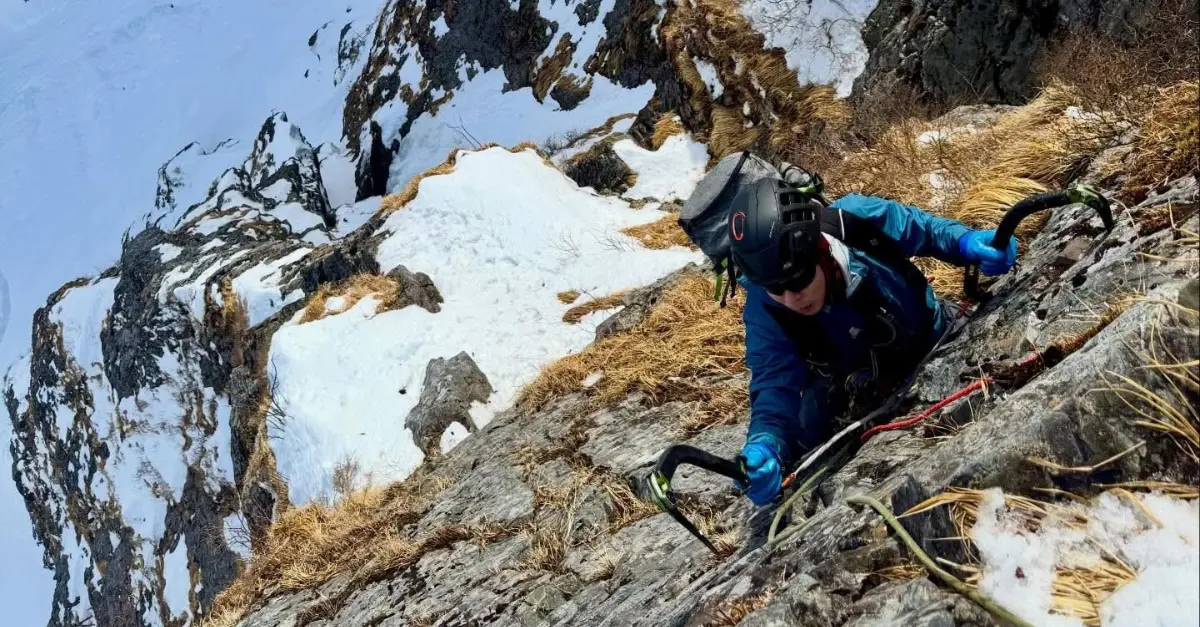
The expedition leader summed up the situation plainly: “We are back at the lodge; we simply don’t have the strength anymore.” He noted that they might have managed to complete this particular outing, but would objectively no longer have had sufficient reserves for another attempt. Cumulative exhaustion—following weeks of commitment on a long and exposed route, without supplemental oxygen and in total autonomy—made any further progress hazardous.
View this post on Instagram
A Final Acclimatization Phase Targeting 7,500 Meters
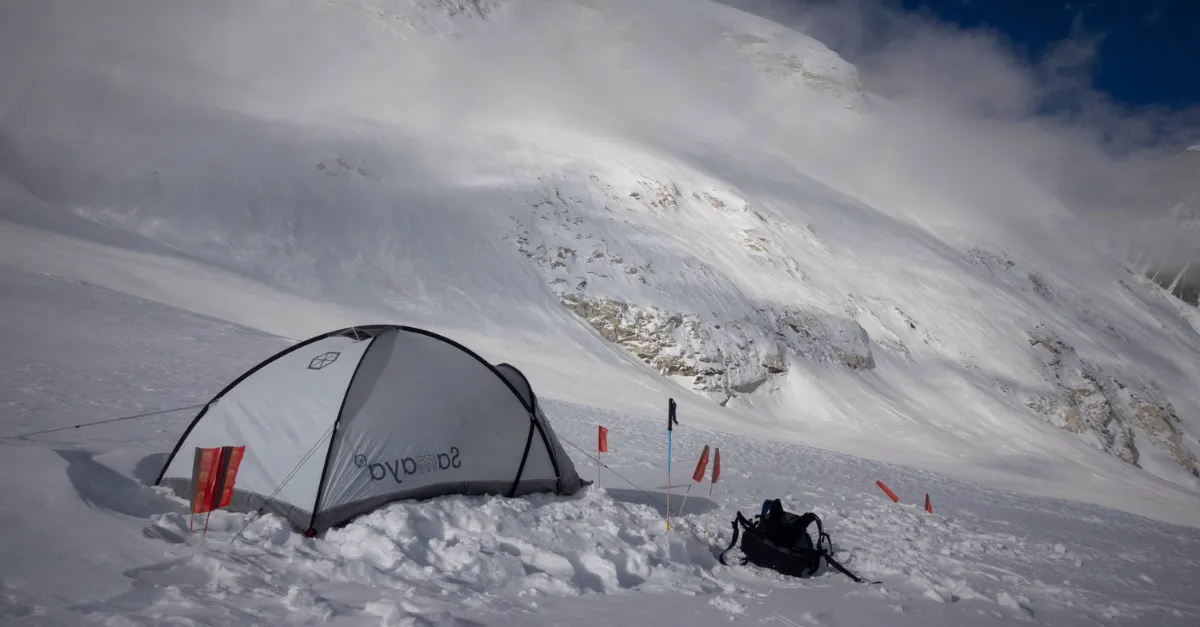
This ultimate outing was intended as their final acclimatization opportunity before considering a potential push toward the summit. The goal was to reach 7,500 meters and then descend to recover. The team had set out from the Khumbu Glacier valley and reached their tent at 5,600 meters, where they waited for a weather improvement.
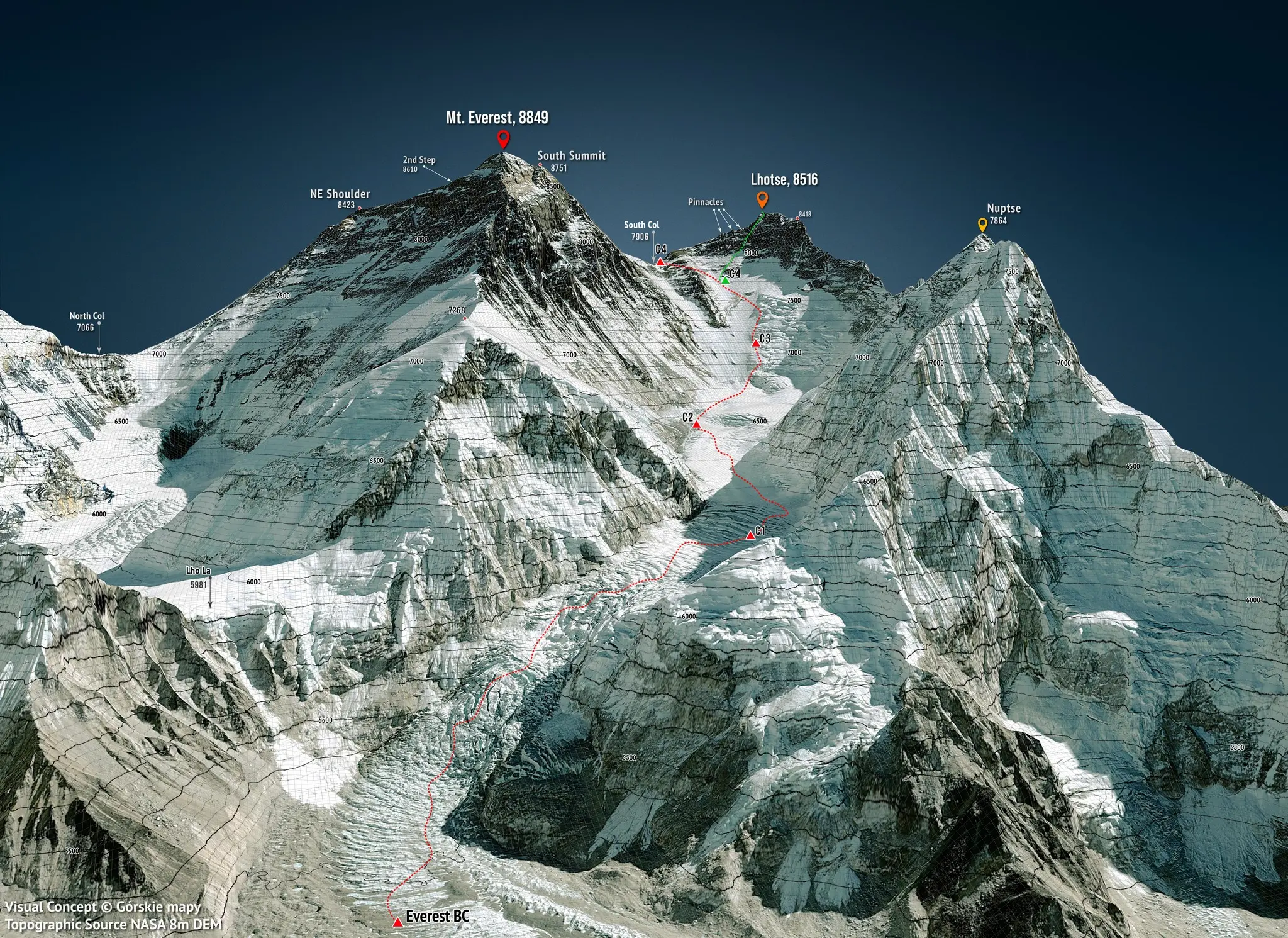
High-altitude acclimatization remains a critical step on 8,000-meter peaks, particularly without supplemental oxygen. It allows the body to adapt progressively to the drop in partial oxygen pressure, limits the risks of pulmonary or cerebral edema, and preserves physical capacities for the higher sections. Without this gradual adaptation, pushing toward the extreme altitudes of Everest’s West Ridge becomes physiologically very costly. The Russians, committed to a lightweight style and without outside support, had already completed several rotations on the route, exploring access via the Lho La pass and advancing along the West Shoulder. This final phase was meant to consolidate their adaptation before any more ambitious attempt.
Violent Winds and Increasing Serac Instability
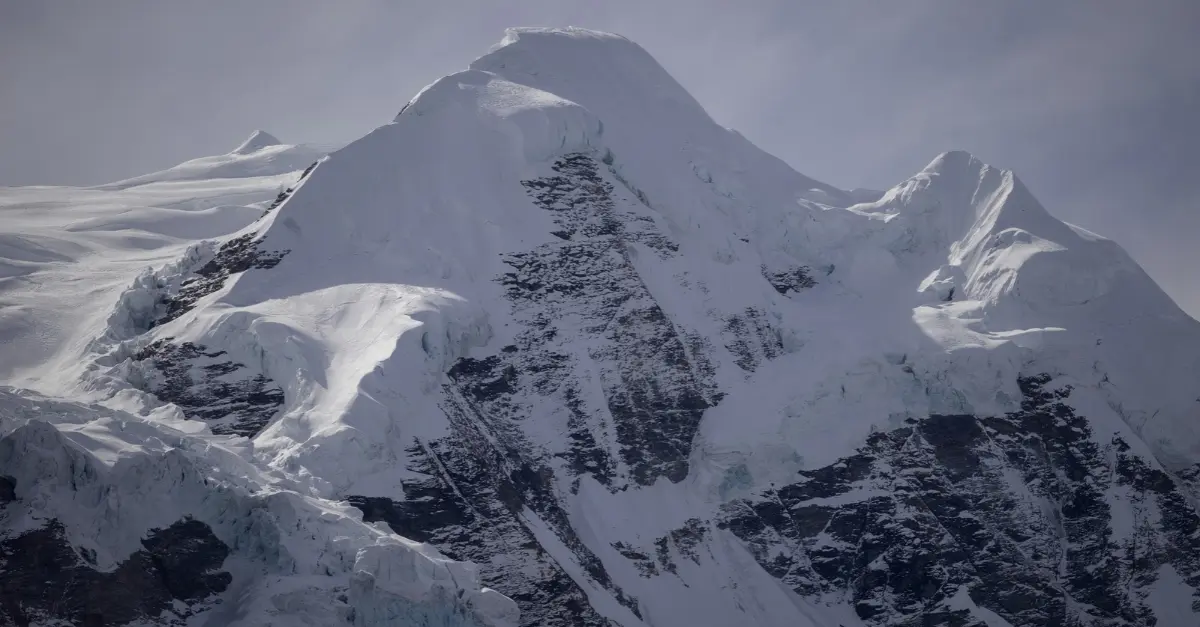
Conditions on the mountain did not favor this progression. Strong winds prevented the team from climbing above 5,600 meters, forcing them to wait it out in their tent. Andrei Vasiliev also noted that seracs were falling more frequently than at the start of the expedition. This instability, combined with sudden gusts, increases the objective risks on a long, exposed, and infrequently climbed ridge.
Everest’s West Ridge, first opened in 1963 and very rarely repeated, demands prolonged days at high altitude within a technical and windy environment. Seracs—hanging blocks of ice—can detach without warning, especially as temperatures and snow loads shift. In such a context, prolonged waiting at 5,600 meters under gale-force winds took a heavy toll on already weakened bodies.
A Clear-Headed Decision and Sights Set on Spring
Faced with all these factors, the team chose to give up. “We decided not to take any unnecessary risks,” Andrei Vasiliev told MountainClub. This statement encapsulates a clear-headed management of risk in Himalayan mountaineering: recognizing that the margin of safety has narrowed, physical strength is gone, and objective conditions have deteriorated. This is not a simple sporting failure, but a halt called before the situation becomes irreversible.
The alpinists are now focusing on a new attempt next spring. Vasiliev indicated that he is turning his frustration and dissatisfaction into fuel for this future goal. The experience gained regarding access, route reconnaissance, and knowledge of autumn conditions will all serve as valuable elements for a more thorough preparation during a generally more favorable weather window.
In Himalayan mountaineering, particularly on rare and committed routes like Everest’s West Ridge, the decision to turn back is an integral part of good mountaineering judgment. It relies on the continuous evaluation of physical condition, symptoms (in this case respiratory and traumatic), weather, and objective risks such as serac instability. Lightweight expeditions without oxygen and in full autonomy amplify this demand: every day at altitude costs more, and reserves are depleted faster. By choosing to descend from their holding point at 5,600 meters, the Russian expedition prioritized preserving its members for a future project, demonstrating that success in high mountains also lies in knowing when to stop.