
Wild camping in Croatia is banned by law across the entire country, whether you sleep in a tent, under a tarp or in a simple sleeping bag under the stars. Fines can reach several hundred euros, and enforcement is especially tight along the coast and in national parks. The good news is that hikers have real solutions: unstaffed mountain shelters (planinarsko sklonište), huts run by the Croatian mountaineering federation, and small family-run stays that keep the wild spirit without the legal risk. I will explain what the legislation actually says, where tolerance exists (and where it ends), and how I plan my nights at altitude so I can sleep peacefully.
What the law says about wild camping in Croatia
The reference text is the Croatian law on hospitality and catering activities, which reserves camping for sites classified as campsites or authorised accommodation. It makes no distinction between “wild camping” and a light bivouac: there is no written tolerance for a single night, and no exception for the hiker who leaves at dawn. In practice, the rule applies to public and private land alike, and even to your own plot if it is not registered as a campsite. On top of that come the regulations of protected areas, where sleeping outside official accommodation is out of the question.
A ban that covers tents, vans and bivouacs
Many travellers think a sleeping bag without a tent flies under the radar. That is an illusion. What matters to an officer is that you spend the night outside an authorised place, not the gear you pull out of your pack. The same logic applies to the beach: sleeping on the sand is treated as illegal camping. Converted vans follow the same rule, which is why more and more municipalities are tightening their checks on overnight parking.
Fines to expect in 2026
Specialised websites most often mention fines of up to about 400 euros for a traveller checked by the police. But the amount depends on the municipality, the location and the inspector: in summer 2026, an Istrian municipality, Raša, voted for example an on-the-spot fine of 130 euros for nights outside campsites, and some local scales go much higher. I did not find a single national fee schedule, so I prefer to give you an honest order of magnitude: from a few dozen to several hundred euros, plus the obligation to pack up on the spot. Before you leave, check the information from the Croatian tourist board and from the municipality you will cross.
Coast and islands, the most closely watched ground
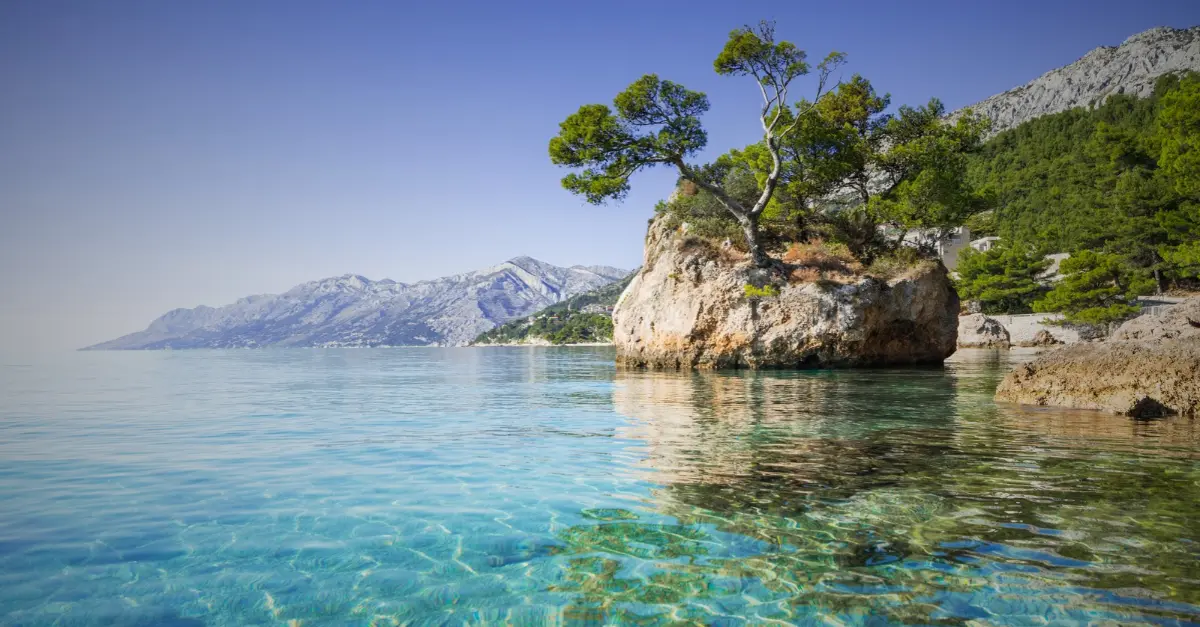
On the Adriatic coast, forget the idea of going unnoticed. Between tourism inspectors, municipal wardens and residents who do not hesitate to call, the chance of being checked is high, especially from June to September. The islands, the coves reachable by car and the surroundings of national parks such as Plitvice or Paklenica attract the most checks. Fire risk adds another layer of strictness: in summer, a stove placed carelessly on dry scrubland can quickly become a real problem, and nobody will be lenient.
Inland massifs and fragile tolerance
In the inland mountains, such as the Velebit, Gorski kotar or the Dinara, the mood changes. Villages are rare, and so are patrols, and several accounts agree: a check often ends with a polite warning rather than a fine. But beware, tolerance does not mean a right. It relies on discretion, on luck and on the mood of the person you meet. And as soon as you are in a national park or a reserve, that flexibility disappears. I never build an itinerary counting on it.
My experience, or how I changed my method
This paragraph is an example of tone: adapt it to your real experience before publishing.
The first time I prepared a trek in the Velebit, I was convinced that a night under a tarp on a ridge would bother nobody. On the map, everything looked deserted. On the ground, I met a Croatian hiker who kindly explained that there were open shelters a few hours’ walk away, and that it was better to sleep there than to risk a check or a thunderstorm on a ridge. I followed his advice, and it was one of the best evenings of the trip: stove off, conversations in three languages, the smell of damp wood. Since then, I build my stages around the shelters, not against the law.
The real dangers beyond the fine
The fine is not the only risk, and it is not even the most serious one. Here is what really matters before you put your pack down far from the trails:
- Mined areas: part of the interior and the border zones still bear the traces of the war of the 1990s. Red signs with a skull mark the areas concerned. Never leave the marked trails and check the information from the Croatian Mine Action Centre.
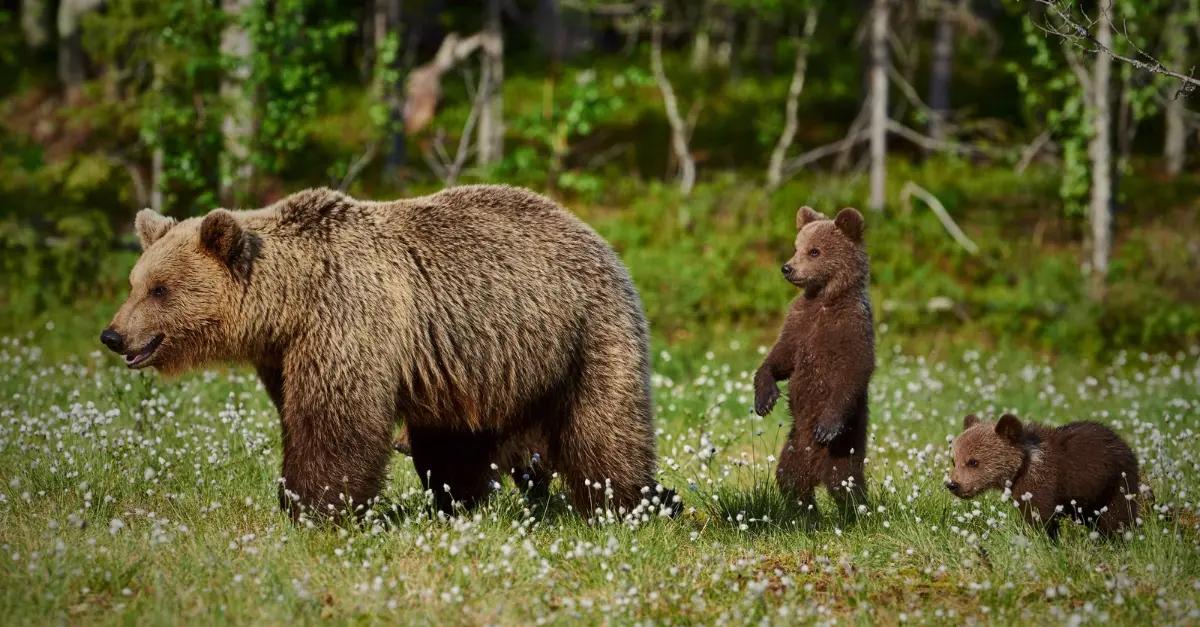
- Brown bears: present in Gorski kotar, Lika and the Velebit. They avoid humans, but a tent with food inside is still a bad idea.
- Fire: in summer, fire bans are frequent and closely enforced.
- Mountain weather: violent afternoon thunderstorms, the bora wind on the Velebit, cold nights even in July.
- Rescue: in case of trouble, dial 112, which connects you to the HGSS mountain rescue service.
A shelter or a hut solves a good part of these problems at once: a roof, safety, a human presence.
Sleeping legally in the mountains
Croatia has a network of mountain accommodation largely managed by the Croatian hiking federation, the HPS. It is the real plan B for hikers who love wide open spaces.
The planinarsko sklonište, the unstaffed shelter
A planinarsko sklonište is a mountain shelter without a warden, often open all year, free or at a symbolic price. It offers a roof, a few bunks or a wooden floor, sometimes a stove. In the Velebit, shelters such as Rossijeva koliba, near the Premužić trail, have become legendary stops. Do not count on them like a reservation: they have limited space, comfort is basic, and you must bring everything (stove, water, sleeping bag). But they are legal, they are charming and they are ideal for a multi-day trek.
The staffed HPS huts
Staffed huts, called planinarski dom, offer simple meals, dorm beds and valuable weather advice. The Zavižan dom, in the heart of the northern Velebit, is a good example: it is reputed to be one of the highest in Croatia. Prices vary, often from a few euros to around fifteen euros a night depending on the place and the season, with possible discounts for members. Always check opening hours before you leave: some huts are staffed only in summer, or only at weekends.
Etiquette to respect
In a shelter, everyone shares: you leave the place cleaner than you found it, you replace the wood you used when possible, you do not waste water. If you find a guestbook, sign it: it is also a useful trace for rescuers. And if the shelter is full, do not play the “resourceful” card by pitching your tent in the yard: that is precisely the case where a fine becomes likely.
Small campsites and robinzon turizam
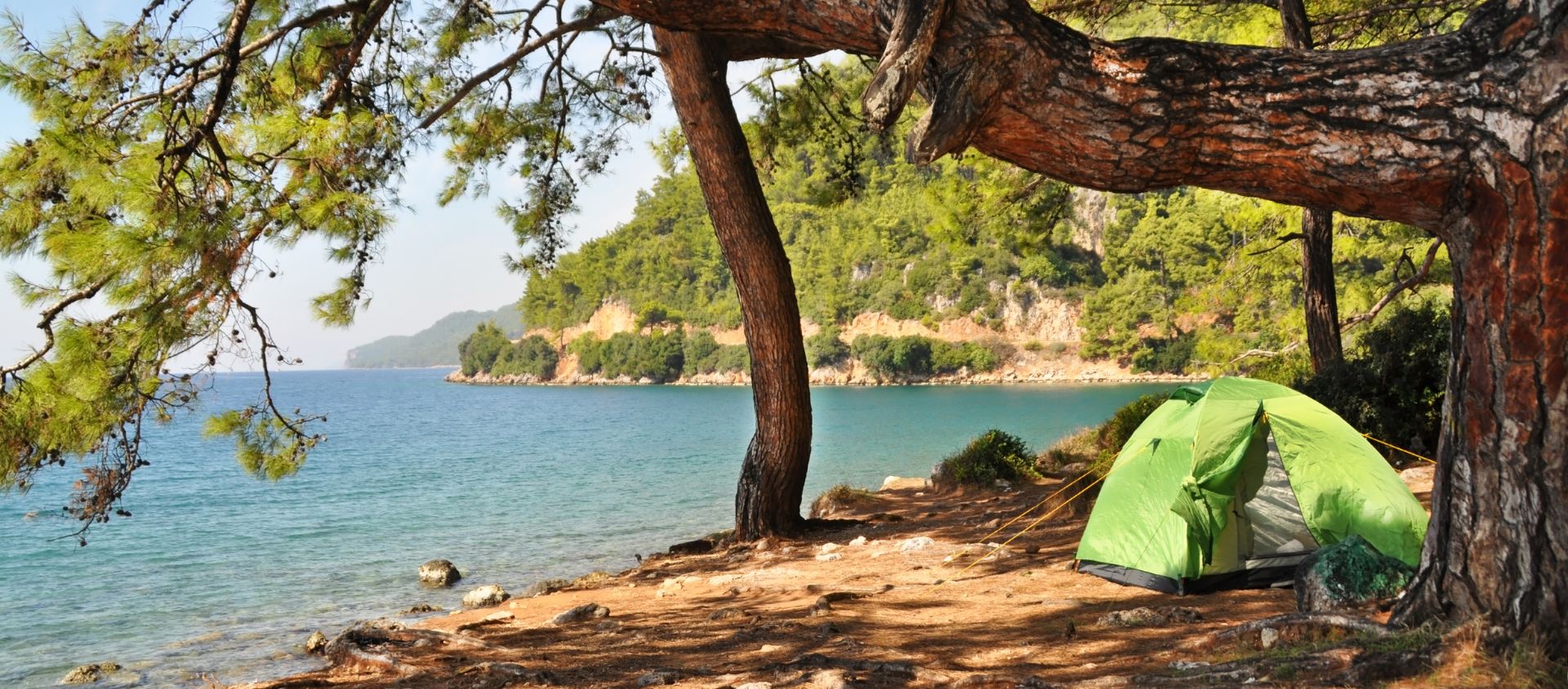
If you want to sleep under canvas without risk, the solution is an official campsite, even a modest one. And there are more intimate options than the big campsites of the coast.
Robinzon turizam, Robinson-style accommodation
Robinzon turizam refers in Croatia to deliberately rustic accommodation set in an isolated, little-developed place: a stone house without electricity, a cabin by a cove, sometimes a small camp with minimal equipment. To my knowledge, it is a category governed by regulation, which guarantees your legal safety. The sense of escape is total. Some places are on islands or hard-to-reach coasts; find out about transport before you book.
Kamp-odmorište and welcoming farms
Another interesting option: the kamp-odmorište, small campsites with just a few pitches, open for short stays, and family farms that offer a corner of meadow to pitch your tent. You will find water, toilets and often local products, sheep cheese or honey. It is the solution I recommend for a rest stop after several days of walking: a shower, laundry, a proper hot plate. Get in touch in advance to avoid unpleasant surprises.
My view on the wave of restrictions in 2026
I understand the frustration of those who love wide open spaces. But I am not going to tell you that Croatia is “too strict”. This country receives tens of millions of visitors a year, the coast suffers from summer pressure, and municipalities react as best they can. The real danger is not the rule, it is bad information: how many hikers walk away from a forum convinced that a “discreet” night risks nothing? My view is simple: better an itinerary designed around legal nights than a trek driven by the fear of being checked. It is less romantic on paper, but much more pleasant in practice.
Preparing your night without stress
Here is the method I apply before every departure:
- Spot the shelters and huts on the HPS map before fixing your stages.
- Plan a plan B of 2 to 3 hours’ walk if the shelter is full or closed.
- Download offline maps and the coordinates of the huts.
- Carry a stove, water and a suitable sleeping bag: the shelter brings almost nothing but the roof.
- Book staffed huts in high season and let them know when you will arrive.
- Check fire and weather alerts the day before, on the official Croatian websites.
- Keep travel insurance that covers mountain rescue: it is a point many people neglect.
For practical information, the travel advice on the France Diplomatie website is useful to check the current situation.
Frequently asked questions
Can you wild camp in Croatia for just one night?
No, the law makes no exception for a single night. Wild camping in Croatia is banned even at altitude, even without a tent. In the hinterland, tolerance sometimes exists, but it is not a right.
What is the fine for wild camping in Croatia?
The amounts cited in 2026 range from a few dozen euros to about 400 euros depending on the municipality and the situation, with local scales sometimes higher. Ask locally to avoid unpleasant surprises.
Where can you sleep for free in Croatia when hiking?
In unstaffed mountain shelters (planinarsko sklonište), often free or at a very low price, especially in the Velebit. Remember to bring everything and not to count on a guaranteed space.
What is robinzon turizam?
It is rustic, isolated accommodation, often without electricity, governed by Croatian regulation. It is a legal alternative for sleeping in a very wild setting.