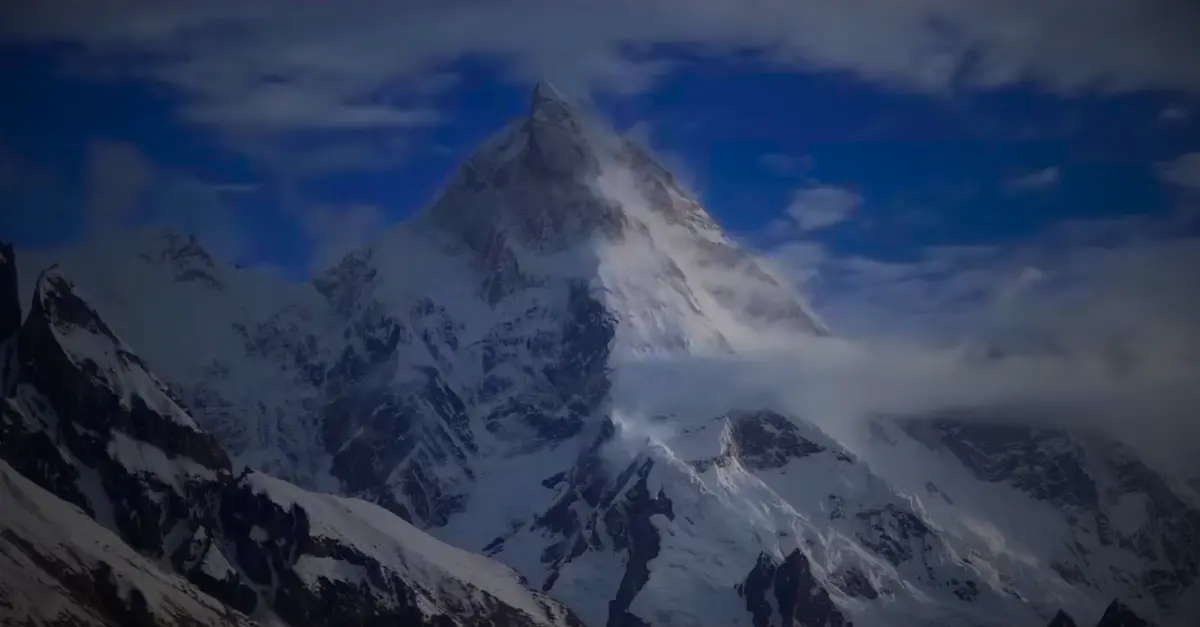

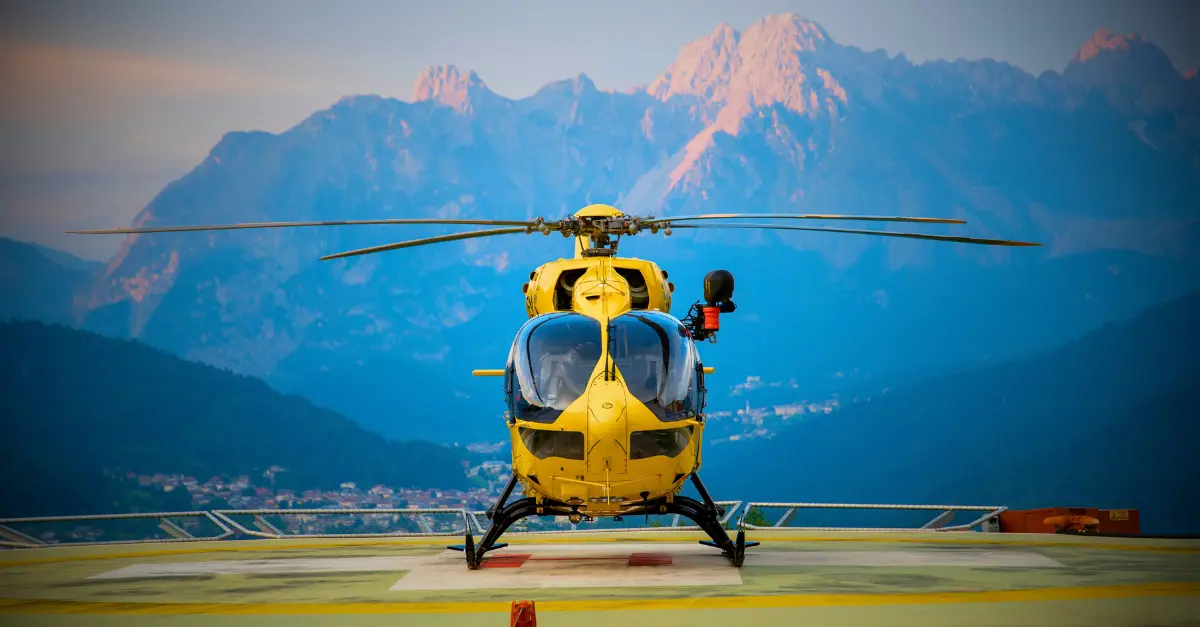
Nepal helicopter insurance is the one detail most trekkers skip over when booking their trip, and that’s exactly what turns a simple sprained ankle into a financial nightmare at 4,000 meters. I say this upfront because I lived through it myself on the Annapurna Circuit: it isn’t the price of the policy that matters, it’s what it actually covers once local doctors confirm an evacuation is needed. Plenty of policies proudly advertise “mountain rescue included” without ever spelling out the payout cap, the altitude limit, or how payment actually works, and that’s precisely where things start to go wrong.
In Nepal, a helicopter evacuation isn’t a luxury, it’s sometimes the only viable way to get from a base camp to a hospital in Kathmandu. Local operators charge full market price, often settled in cash before the aircraft even lifts off if your insurer doesn’t guarantee direct payment. So here’s a full rundown of the mandatory clauses to check, the same ones I go through personally before every departure, so you can avoid a nasty surprise at 6,000 meters or in a remote valley of the Khumbu.
Why helicopter rescue in Nepal costs so much
Nepal’s terrain explains most of the problem on its own. Trekking routes climb fast, proper hospitals are few and far between outside Kathmandu, and the only realistic way to reach a trekker in trouble is by helicopter. Operators like Simrik Air or Fishtail Air fly out of bases in Kathmandu, Pokhara, or Lukla, which mechanically stretches out both response time and flight cost.
A standard rescue flight out of the Everest region can run past 5,000 to 10,000 dollars, depending on the departure altitude and flight time required. That figure climbs even higher if weather forces multiple attempts or a diversion to a better-equipped hospital. Without solid coverage, it’s the trekkers themselves, or their family back home, who end up scrambling to cover the cost, sometimes wiring money from a cybercafé in Namche Bazaar.
It’s this very specific context that makes reading the fine print essential, far more than it would be for any European destination.
The question of the coverage cap
A cap set at 15,000 or 20,000 euros looks comfortable on paper, but it needs to cover the flight, initial treatment on site, and sometimes repatriation home as well. I recommend aiming for a cap of at least 30,000 euros for high-altitude treks, particularly above 4,000 meters, since a rescue complicated by bad weather can quickly stack up several separate costs.
The clauses that are genuinely mandatory before you set off
Here’s what I check systematically, line by line, before signing off on any policy for a Nepal trek. These aren’t nice-to-have extras, they’re the conditions that decide whether you get rescued within the hour or end up negotiating over a satellite phone while your condition worsens.
- The maximum altitude covered: some policies cap coverage at 3,500 or 4,000 meters, which effectively rules out the Thorong La pass or Everest Base Camp.
- Direct payment guarantee (payment coverage): without this clause, you’re the one who has to front the cost, which is often simply impossible on the ground.
- The activity covered: a guided trek, an independent hike, and technical mountaineering don’t fall under the same box on the form, and ticking the wrong one can void your coverage entirely.
- The activation delay: some insurers require prior contact with their assistance hotline before any flight, or they’ll refuse to reimburse.
- The “off marked trails” exclusion: common in entry-level policies, it can end up applying to a good chunk of the country’s most popular treks.
- Medical repatriation home, which is separate from a simple local helicopter transfer and should appear as its own, clearly costed guarantee.
This list isn’t a legal checklist, but it covers the points that, in my own experience and from what I keep hearing from other trekkers, cause the most disputes once you’re actually on the ground.
The trap of an unmentioned altitude limit
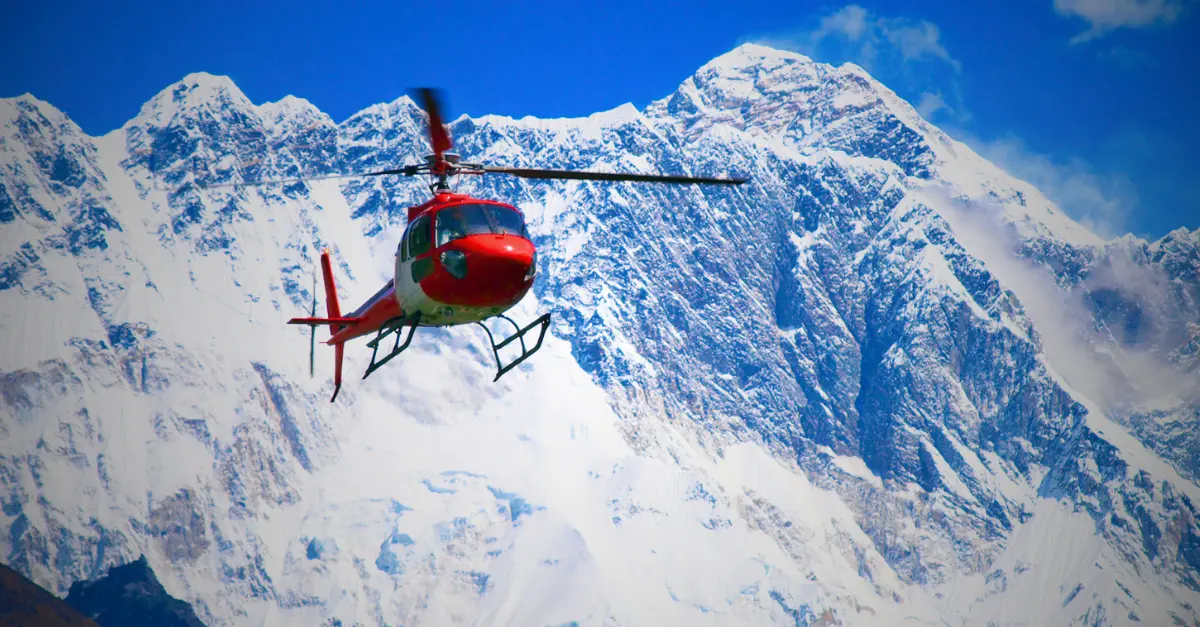
This is the sneakiest clause of all. A policy can advertise full mountain coverage without ever stating an altitude limit in the sales brochure, while the small print in the actual terms and conditions caps coverage at 3,000 meters. Yet nearly every trek in Nepal goes past that threshold within the first few days of walking. I always check that number in the full contract document, never in the marketing leaflet.
My take after several insured treks in Nepal
I have no hesitation approving policies that clearly state an altitude cap above 6,000 meters along with a direct payment guarantee to the helicopter operator. I personally took out a plan with Chapka for a trek to Annapurna Base Camp, and what reassured me wasn’t the price, it was having a 24/7 English-speaking assistance line that could coordinate directly with local helicopter companies without me having to pull out a credit card.
Allianz Travel and AVI International also offer plans built specifically for trekking and high mountain travel, with caps that scale up depending on the declared altitude. Europ Assistance remains a solid choice for hikers staying under 5,500 meters, but becomes less relevant for more technical objectives like Island Peak or Mera Peak, where a dedicated mountaineering guarantee becomes necessary.
What I’ve taken away from talking with other guides and trekkers on the ground is that most bad experiences don’t come from an outright refusal by the insurer, but from a misunderstanding of what the coverage actually spans at the time of signing up. People skim through, tick boxes on autopilot, and only discover the real terms of the contract once they actually need them.
A real example from the field
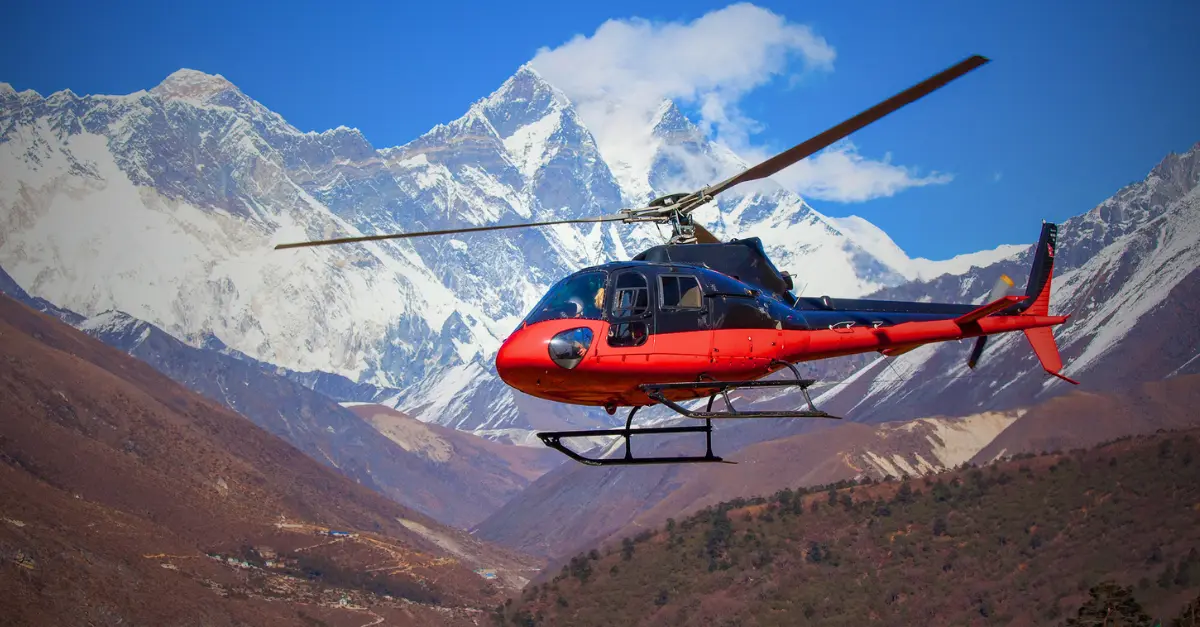
During a trek to Gokyo Ri, a fellow trekker started showing early signs of pulmonary edema at 4,800 meters. His insurance did cover the evacuation, but only after phone confirmation from a doctor at the assistance center, at a moment when satellite signal in the valley was unreliable. The local guide had to improvise a descent on foot lasting several hours before finding a strong enough signal to trigger the procedure. This kind of situation shows exactly why I also recommend checking the practical activation steps, not just the coverage amount.
What Decathlon and generic travel insurance don’t cover
Premium bank cards and generic travel insurance bundled with a plane ticket often display a reassuring line about “repatriation assistance included,” which is misleading. In almost every case, these plans explicitly exclude high-altitude activities, off-trail trekking, and mountaineering, even at a beginner level. A premium Visa card, for instance, typically caps its mountain assistance well below the altitudes reached on a standard Nepal trek.
This isn’t about dismissing these offers outright, they’re perfectly fine for a city break or a beach holiday, but they simply weren’t built for the Himalayan environment. A specialized trekking insurance policy, designed with Nepal specifically in mind, is the only sensible option once your route climbs past 3,000 meters.
How to actually check your policy before you leave
Before every departure, I go through the same method, simple but effective. I pull up the full terms and conditions, not just the product summary sheet, and look for three specific words: “altitude,” “helicopter,” and “payment guarantee.” If any of these terms is missing or vague, I call customer service directly before signing anything.
I’d also suggest keeping both a paper and digital copy of the policy throughout the trek, with the assistance hotline number written down in a physical notebook, since mobile signal gets unreliable fast past Namche Bazaar. Some local guides actually ask to see this document before setting off, precisely because they’ve already dealt with situations where the advertised coverage didn’t match reality on the ground.
For anyone who wants to dig deeper, the Ministry for Europe and Foreign Affairs publishes up-to-date guidance on trekking regions and health conditions in Nepal, a useful complement before choosing your insurance plan.
Nepal helicopter insurance FAQ
What exact altitude does my insurance need to cover for a Nepal trek?
Your policy needs to explicitly state an altitude cap that matches the highest point on your itinerary, otherwise your coverage can be voided.
- For the classic routes (up to 6,000 m): If you’re heading to Everest Base Camp (which tops out at 5,364 m, or 5,545 m at Kala Patthar) or the Annapurna Circuit (crossing Thorong La pass at 5,416 m), a policy covering at least 6,000 meters of altitude is the bare minimum you should require.
- For technical objectives and summits (above 6,000 m): As soon as your plans include extremely high passes or trekking peaks like Island Peak (6,189 m) or Mera Peak (6,476 m), you need to take out a specific “mountaineering and high altitude” extension with no cap, or one guaranteeing coverage up to 7,000 meters.
Do I have to front the helicopter cost on site if my insurer doesn’t offer direct payment?
Yes, and this is the main financial trap: without an immediate payment guarantee, no helicopter company will take off.
- How it plays out on the ground: Helicopter evacuations in the Himalayas are extremely expensive, generally between 3,000 and 5,000 dollars per flight. If your insurer doesn’t have a direct payment agreement with helicopter operators in Kathmandu, the local trekking agency or the pilot will demand immediate payment, whether cash, card, or an emergency bank transfer, before takeoff or upon arrival at the hospital.
- The essential clause to check: Before you leave, you should call your insurer to get written confirmation of the “direct payment guarantee for search and helicopter rescue costs.” This is the clause that lets the assistance center instantly send a guarantee of payment (GOP) to Nepali authorities to trigger rescue without you having to drain your bank account.
Is the insurance included with my bank card enough for this kind of trek?
No, insurance bundled with bank cards, even premium ones, is almost always useless in high mountains.
- Restrictive altitude caps: Most assistance plans tied to bank cards, including Gold, Premier, or World Elite cards, include strict exclusions for activities above 3,000 or 4,000 meters of altitude.
- Sporting activity exclusions: On top of that, the terms frequently exclude “independent trekking,” mountaineering, or any hiking that requires technical gear or takes place off marked, publicly maintained trails. To travel with peace of mind, it’s essential to take out a dedicated outdoor and adventure travel insurance policy (such as Allianz Travel, Chapka, or through outdoor federations).
What should I do if my insurer refuses to reimburse evacuation costs after the fact?
Handling a denied claim requires absolute administrative rigor to challenge the decision effectively.
- Secure your evidence from the start: As soon as your guide or you contact the mountain assistance center, note down the exact time of the call, your contact’s name, and the case number assigned. Always insist on written confirmation (text messages, emails). Once at the hospital in Kathmandu, get hold of the full medical file explicitly stating the diagnosis, typically Acute Mountain Sickness, pulmonary edema, or cerebral edema, that justified the emergency descent by helicopter. Avoid evacuations for simple fatigue, as insurers systematically reject these as fraudulent.
- Legal recourse: If the insurer maintains its refusal by citing an unfair exclusion clause, send them a formal notice by registered letter with acknowledgment of receipt. If the disagreement continues, you can file a free complaint with the Insurance Ombudsman or get support from a consumer protection association to review whether the policy’s terms were fair and assert your rights.