

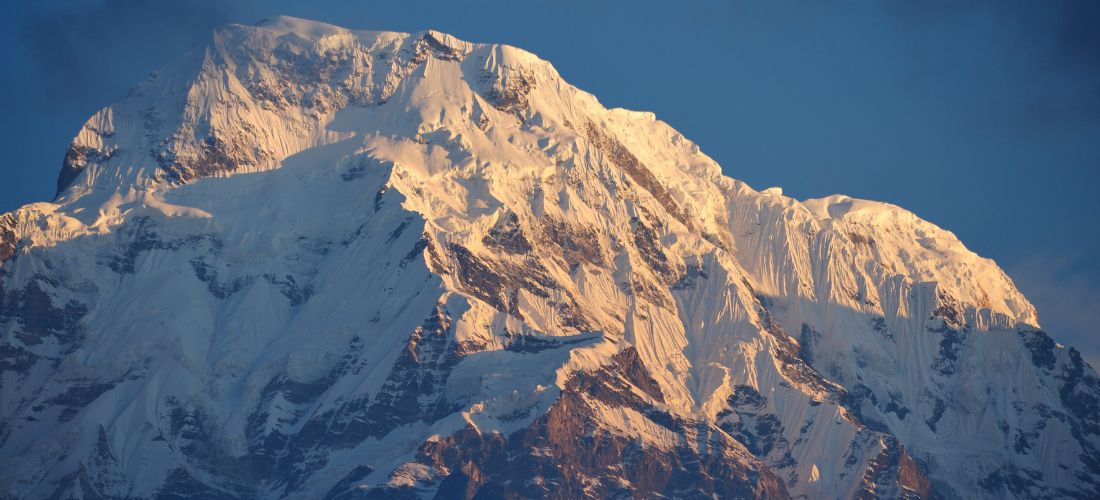
High-altitude mountaineering represents one of the most extraordinary challenges humanity can undertake. Among all the summits on the planet, fourteen stand apart by their dizzying height, exceeding 8,000 metres. These giants of rock and ice, all located in the Himalaya and Karakoram ranges, draw hundreds of climbers from around the world each year, pushing their physical and mental limits to the extreme. Climbing all fourteen mythical summits is what is known as the “Crown of the Himalaya” — an achievement reserved for an elite of around fifty people since Reinhold Messner first completed it in 1986.
The quest for the 8,000-metre peaks is far more than a sporting challenge. It embodies a total human adventure combining rigorous preparation, progressive acclimatisation, risk management and confrontation with extreme conditions. Each summit has its own unique character, specific technical difficulties and mortality rate. From the famous Everest to the formidable K2, and the Annapurna — widely regarded as the most dangerous — these mountains demand respect, humility and unwavering determination. This article takes you into the fascinating world of these colossi, revealing the secrets of proper preparation, the particularities of each summit, and the keys to turning this dream into reality.
The Fourteen Giants of the Himalaya and Karakoram
The geographical distribution of peaks above 8,000 metres reveals an exceptional concentration in two major mountain ranges of Central Asia. The Himalaya is home to ten of these giants, stretching mainly across Nepal and Tibet, while the Karakoram contains four, shared between Pakistan, China and India. This unique concentration is explained by the tectonic collision between the Indian and Eurasian plates — a geological process still active today, continuing to push these massifs upward by a few millimetres each year.
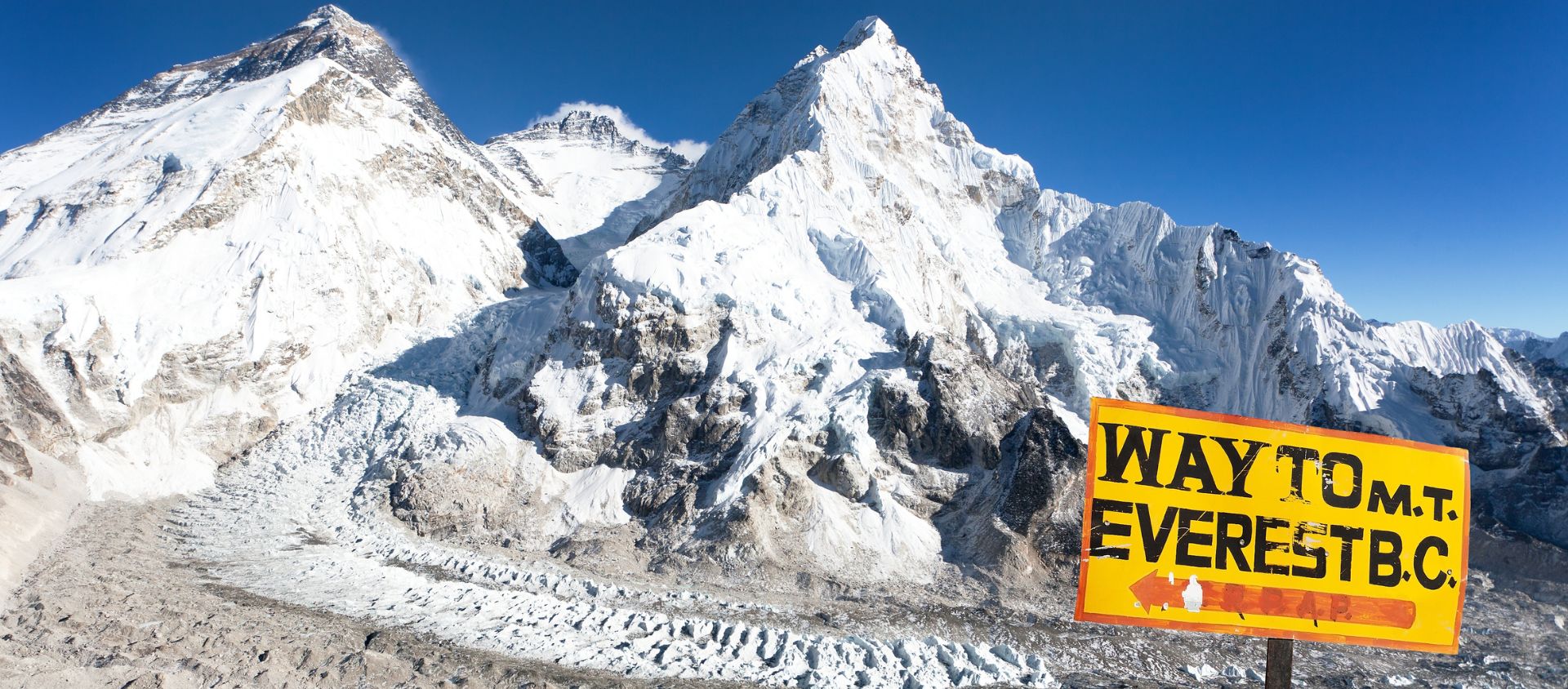
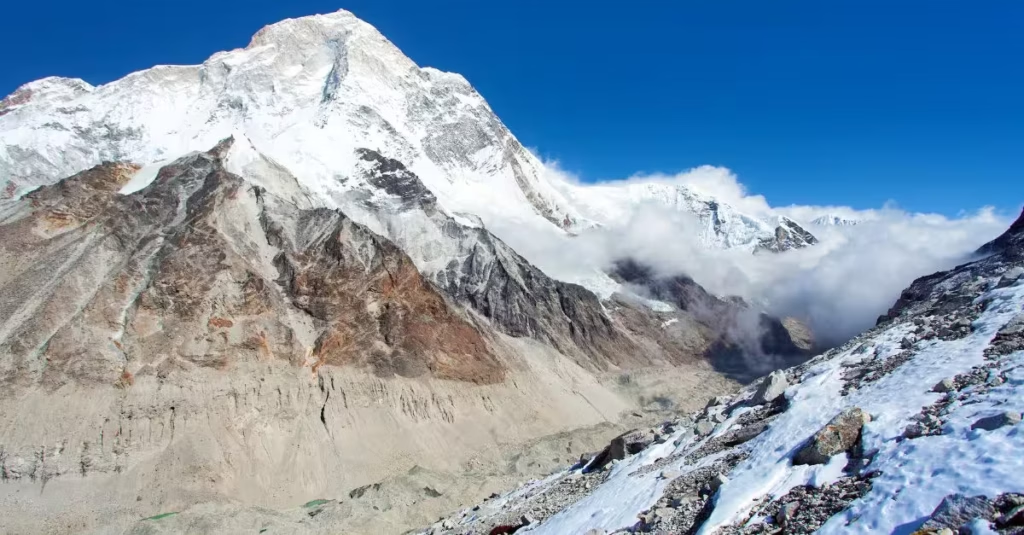
Everest, at 8,849 metres, remains the most famous and most frequented, with approximately 800 to 1,000 climbers reaching its summit each year during favourable seasons. K2, the second-highest peak at 8,611 metres, carries a very different reputation: with a ratio of one death for every four successful ascents up to 2008, it embodies the mountain of mountains for seasoned alpinists. Kangchenjunga (8,586 m), the world’s third-highest peak, is distinguished by its sacred status for local populations, who request that climbers stop a few metres short of the true summit. Among the other colossi are Lhotse (8,516 m), often climbed in combination with Everest via the South Col; Makalu (8,485 m), renowned for its perfect pyramid shape; and Cho Oyu (8,188 m), considered the most technically accessible of all the 8,000-metre peaks.
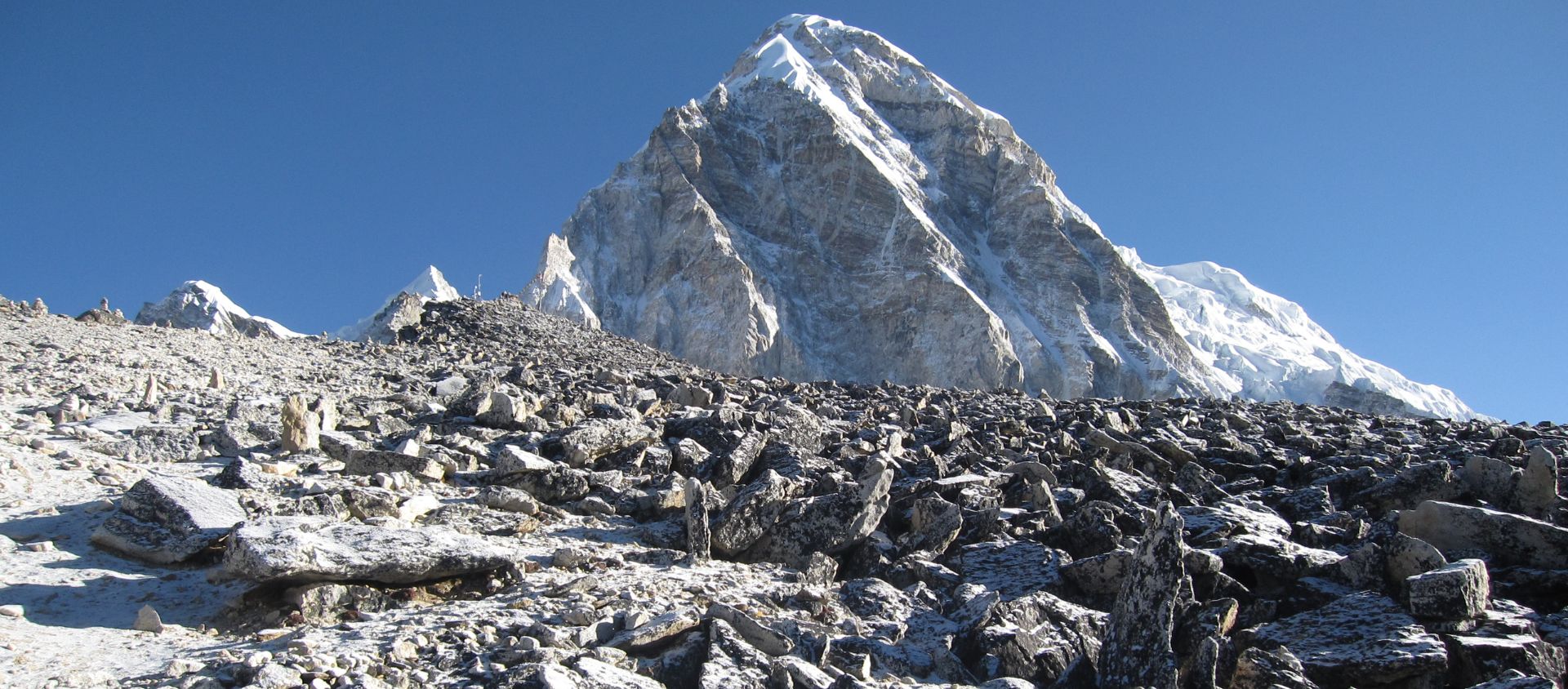
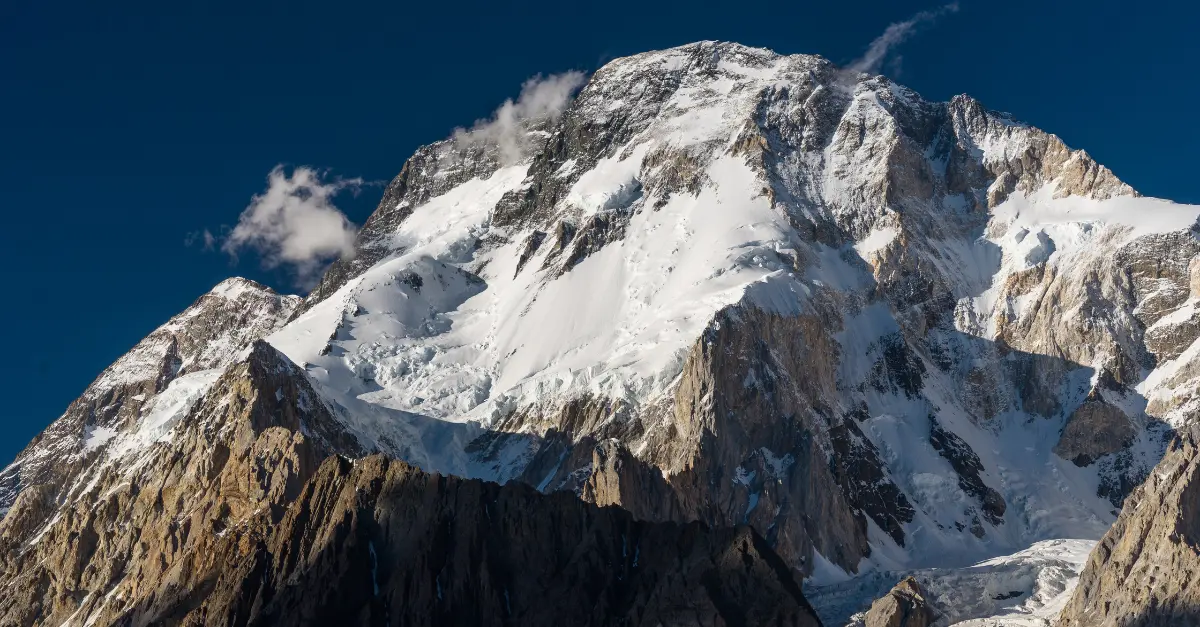
Dhaulagiri (8,167 m), whose name means “white mountain” in Nepali, presents impressive faces and a particularly harsh climate. Manaslu (8,163 m) is attracting a growing number of expeditions as preparation for Everest, thanks to its moderate technical difficulties. Nanga Parbat (8,126 m), nicknamed the “Killer Mountain”, boasts the Rupal Face — the highest mountain wall in the world, with 4,600 metres of vertical gain. Annapurna (8,091 m) holds the grim record for dangerousness, with a historical mortality rate exceeding 30%, though this has improved in recent years. Gasherbrum I (8,080 m) and Gasherbrum II (8,034 m), located in the Pakistani Karakoram, are frequently climbed together on a single expedition. Broad Peak (8,051 m) gets its name from its long ridge-shaped summit, while Shishapangma (8,027 m), located entirely in Tibet, was the last of the 8,000-metre peaks to be climbed, in 1964 ⛰️.
Essential Physical and Mental Preparation
Climbing an 8,000-metre peak demands an exceptional level of fitness built up over several years. Experienced alpinists recommend a minimum of three to five years of high-altitude experience before attempting any of these giants. Cardiovascular training forms the cornerstone of this preparation, with regular sessions of running, cycling or cross-country skiing totalling 8 to 12 hours per week. Targeted strength training — focusing on the legs, back and core — helps support the weight of a heavy pack and maintain balance on uneven terrain. Seasoned climbers also incorporate hypoxic training sessions to simulate the oxygen-depleted conditions encountered at altitude.
Mental preparation is equally — if not more — important than pure physical fitness. Expeditions on the 8,000-metre peaks typically last six to eight weeks, during which the climber will face isolation, constant discomfort, extreme temperatures and the unrelenting stress of objective dangers. Techniques such as positive visualisation, meditation and stress management prove invaluable for maintaining motivation during the hardest moments. Several renowned alpinists testify that the ability to accept failure — to turn back when conditions demand it — is paradoxically the key to long-term success in this discipline.
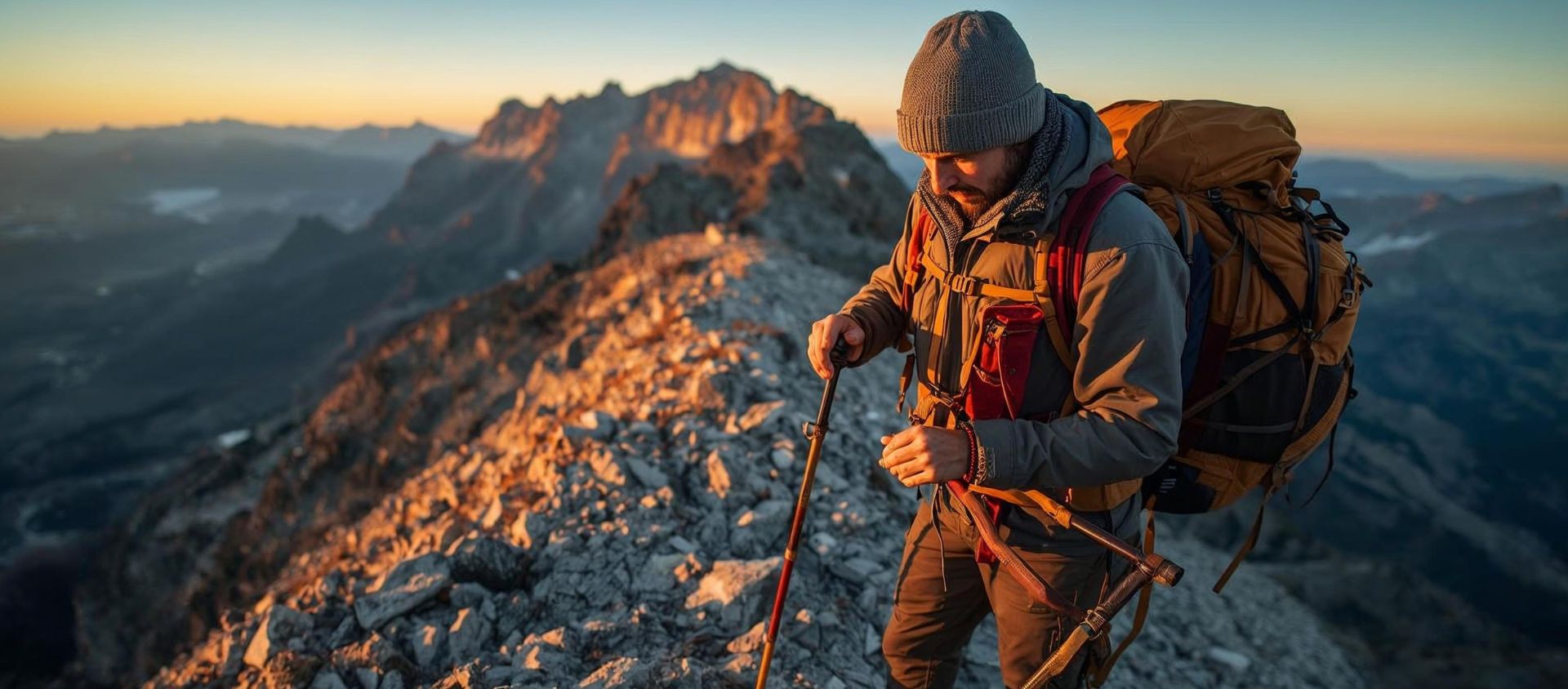
Progressive acclimatisation is the essential physiological process that allows the body to adapt to oxygen deprivation. Above 8,000 metres, atmospheric pressure drops to roughly one third of that at sea level, plunging the body into what climbers call the “death zone”, where full acclimatisation is impossible. The classic protocol involves several rotations between base camp and progressively higher altitude camps, spending one or two nights at each stage before descending. This process stimulates the production of red blood cells, improves the body’s oxygen-carrying capacity and allows muscles to function more efficiently in hypoxic conditions. Most expeditions allow four to six weeks for this acclimatisation phase, although some experienced climbers adopt the “alpine style” strategy — a rapid ascent following prior acclimatisation on another summit 💪.
Essential Equipment
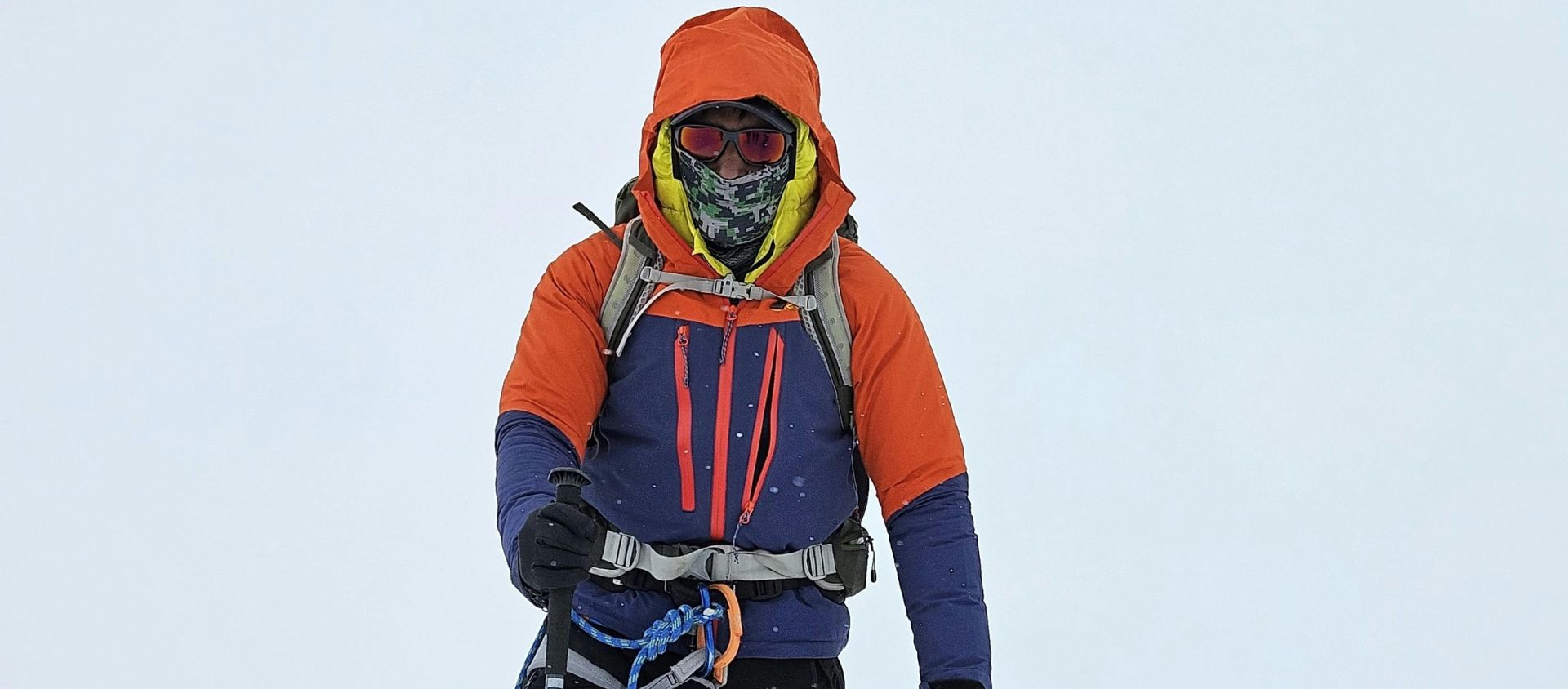
Equipment choices are critical, and no compromise is acceptable. Technical clothing must provide maximum thermal protection while efficiently wicking moisture away from the body. The three-layer system applies universally: a base layer of synthetic fabric or merino wool, an insulating mid-layer of down or synthetic fibre, and an outer shell that is both waterproof and windproof. For extreme altitudes, one-piece high-quality goose-down suits — weighing between 1.5 and 2.5 kilograms — set the standard for thermal protection. Gloves present a particular challenge: the solution is to combine thin inner gloves for dexterity, an intermediate pair and outer mitts capable of withstanding wind-chill temperatures as low as -40°C.
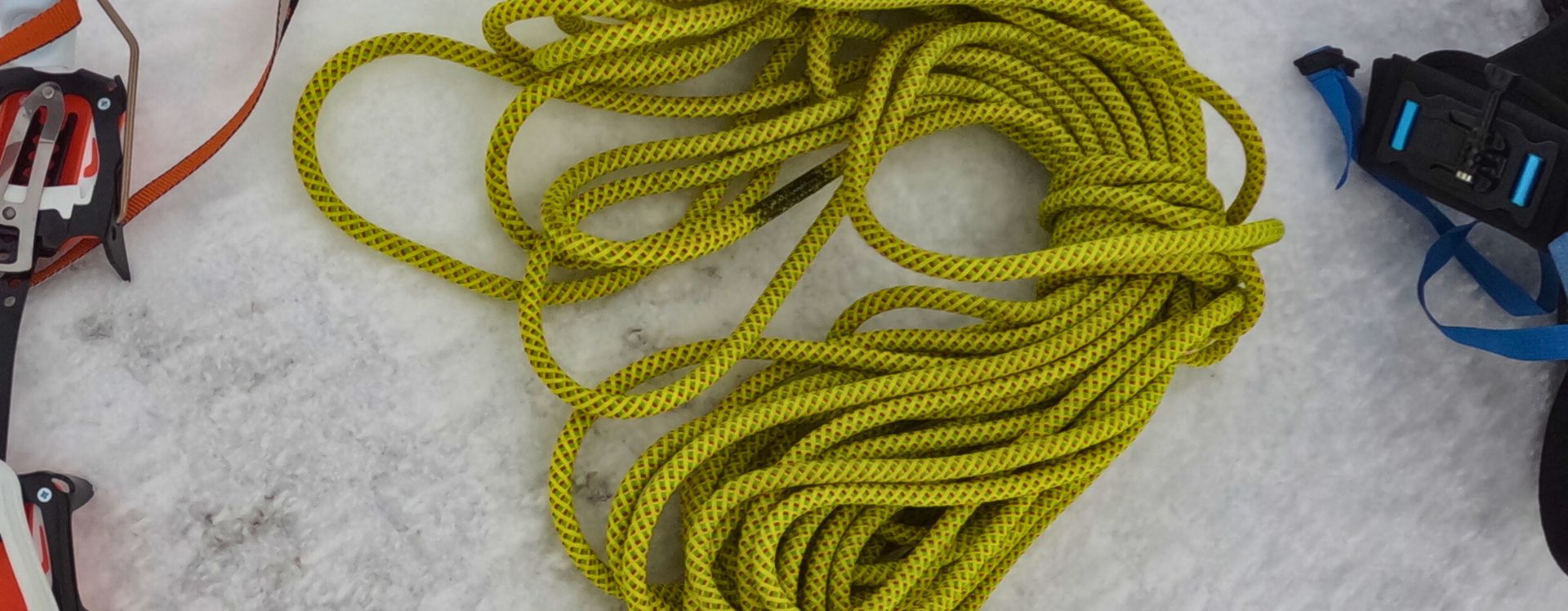
Altitude boots represent a major investment, with models suited to 8,000-metre peaks costing between €800 and €1,500. These boots incorporate several insulating layers — often removable for easier drying — and a rigid outer shell compatible with crampons. Semi-automatic or automatic crampon bindings ensure a reliable fit even with thick gloves. The ice axe, a fundamental safety tool, should be selected according to the type of ascent: a classic 60–70 cm axe for snow slopes, or shorter technical tools for vertical ice sections. The harness — light but robust — must support the full belay system, including locking carabiners, descent devices and at least 60 metres of dynamic rope.
Bivouac equipment deserves particular attention, as nights at altitude rapidly drain energy reserves. Altitude tents, designed to withstand winds exceeding 150 km/h, use ultra-resistant materials and special aluminium alloy poles. Sleeping bags rated for extreme temperatures — typically filled with goose down with a fill power above 800 cuin — offer a comfort rating down to -30°C or -40°C. Insulating sleeping mats with valves provide crucial insulation from the frozen ground, a parameter often underestimated yet vital for quality rest. Supplemental oxygen, though controversial among purist alpinists, offers significant safety on the highest peaks. Modern systems use lighter carbon-composite cylinders with regulators allowing flow rates to be adjusted between 0.5 and 4 litres per minute depending on need 🎒.
Ascent Strategies
Two philosophies dominate 8,000-metre mountaineering, each with its specific advantages and constraints. The expedition style, developed and refined throughout the 20th century, relies on establishing successive altitude camps connected by fixed ropes. This approach typically involves a large team including guides, high-altitude porters (often Sherpas in the Himalaya) and substantial logistical support. Climbers make several rotations between camps to carry gear and acclimatise progressively before launching their final summit push from the highest camp. This method significantly increases the chances of success and provides greater safety, but at the cost of a larger environmental footprint and a high financial outlay — often between €30,000 and €100,000 depending on the peak and services included.
Alpine style, popularised by Reinhold Messner in the 1970s, represents the philosophical antithesis of the expedition approach. Climbers move in small teams — typically two or three people — carrying all their own equipment and establishing temporary bivouacs as they progress. This technique prioritises speed, lightness and total self-sufficiency, reducing exposure to objective dangers such as avalanches or serac falls. It demands, however, considerable experience, peak physical condition and the ability to adapt to changing conditions. Alpine-style ascents typically unfold over just a few days, following prior acclimatisation on another summit or via rapid rotations. This pure approach attracts the most committed alpinists but carries a higher failure rate and increased risks if conditions suddenly deteriorate.
Seasonality plays a decisive role in expedition planning. In the Himalaya, two main weather windows are available to climbers: spring (April–May) and autumn (September–October). The spring season — particularly May — concentrates the vast majority of Everest attempts, thanks to generally more stable conditions and slightly less severe temperatures. The summer monsoon, which sets in from June to August, makes ascents extremely dangerous due to heavy precipitation and a high avalanche risk. Autumn offers a second opportunity with drier air and often exceptional visibility, though temperatures are lower than in spring. The Pakistani Karakoram follows a different calendar, with the optimal season falling in July–August, once winter storms have cleared but before autumn rains arrive 📅.
Risks and Safety Management
Extreme altitude exposes the body to specific conditions that can quickly become life-threatening. Acute Mountain Sickness (AMS) affects the majority of climbers to varying degrees, manifesting as headaches, nausea, intense fatigue and sleep disturbances. If not treated by immediate descent or altitude stabilisation, AMS can progress into two potentially fatal complications: High-Altitude Pulmonary Oedema (HAPO) and High-Altitude Cerebral Oedema (HACO). HAPO is characterised by fluid accumulation in the lungs causing severe respiratory distress, while HACO results from brain swelling leading to confusion, loss of balance and coma. Statistics show that approximately 1 to 2% of climbers on Everest develop severe forms of HAPO or HACO requiring emergency evacuation.
Frostbite is a constant threat in the glacial environment of the 8,000-metre peaks. The body’s extremities — fingers, toes, nose and ears — are the first affected when the organism reduces blood flow to the periphery in order to protect vital organs. Superficial frostbite generally heals without lasting damage, but deep frostbite may require amputation of fingers or toes. Generalised hypothermia becomes life-threatening when core body temperature falls below 35°C: judgement deteriorates, movements become uncoordinated, and without rapid intervention the victim loses consciousness. Dehydration and caloric exhaustion complete this picture of physiological dangers; appetite often disappears at altitude even as energy requirements skyrocket to 5,000–6,000 calories per day.
Objective mountain hazards are independent of a climber’s skill level and arise from the inherent characteristics of the terrain. Avalanches are the leading cause of death on the 8,000-metre peaks — particularly in the formidable Khumbu Icefall on Everest or on the slopes of Nanga Parbat. Serac falls — massive blocks of ice weighing several tonnes — occur unpredictably and leave no chance of survival in the event of a direct impact. Hidden crevasses beneath fresh snow regularly trap even experienced alpinists, which is why it is crucial to always move roped up in glacial terrain. Extreme weather events, with storms sometimes developing within hours, have caused some of the worst disasters in mountaineering history — such as the 1996 Everest tragedy, which claimed eight lives in a single day. Katabatic winds can exceed 200 km/h on certain summits, making all progress impossible and tearing out even the most securely anchored tents ⚠️.
A Progressive Pathway Towards the 8,000-Metre Peaks
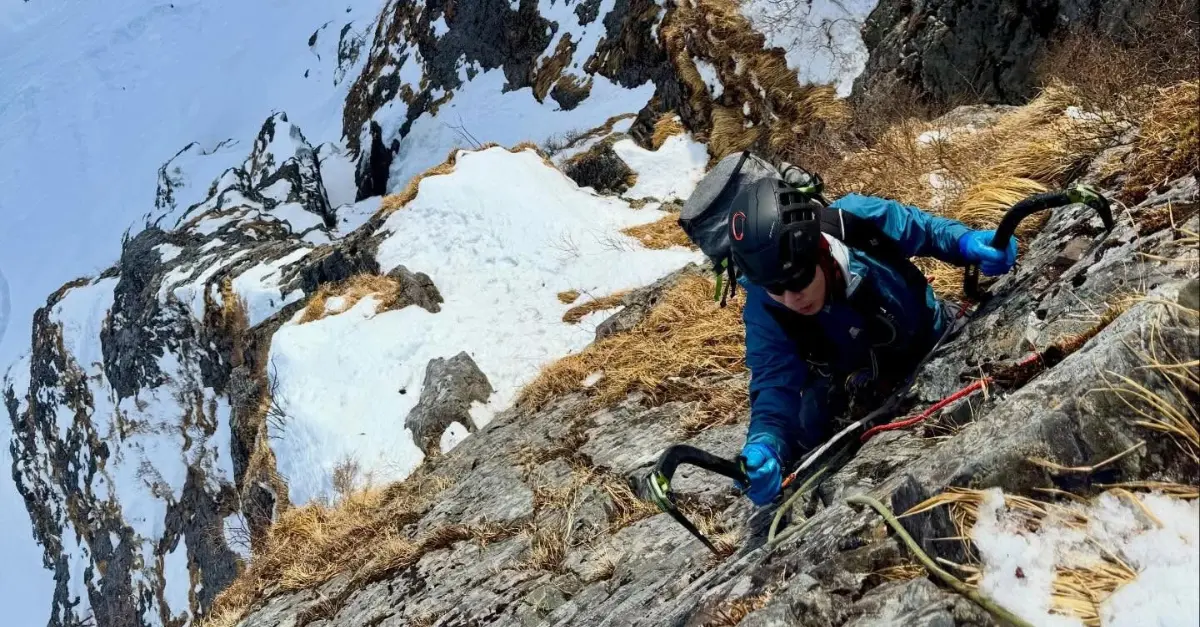
No serious alpinist ventures directly onto an 8,000-metre peak without having first climbed many preparatory summits. The logical progression begins with mid-altitude mountains in Europe — such as Mont Blanc (4,809 m) — allowing climbers to acquire fundamental techniques: cramponing, ice axe use, roped progression and navigation on glacial terrain. Technical Alpine summits such as the Matterhorn, the Eiger North Face or the Grandes Jorasses build confidence on rock and ice — skills indispensable on the technical sections of the Himalayan giants. Several seasons in the Alps, the Mont Rose massif or the Écrins range form the minimum skill base before considering the next step.
Summits between 6,000 and 7,000 metres in South America, Central Asia or Alaska represent the ideal intermediate school. Aconcagua in Argentina (6,961 m), the highest summit in the Americas, offers a first encounter with extreme altitude while remaining technically accessible. Denali in Alaska (6,190 m) compensates for its moderate height with Arctic weather conditions and a high latitude that reduces atmospheric pressure. In the Himalaya itself, summits such as Island Peak (6,189 m), Mera Peak (6,476 m) or Lobuche East (6,119 m) allow climbers to test their altitude tolerance and discover the Himalayan environment. Some alpinists also choose to climb 7,000-metre peaks such as Baruntse (7,129 m) or Himlung Himal (7,126 m) before tackling their first 8,000-metre summit.
The choice of a first 8,000-metre peak significantly conditions the chances of success and survival. Cho Oyu, the sixth-highest summit but widely considered the most accessible, attracts many newcomers to extreme altitude thanks to its limited technical difficulties and a success rate exceeding 50%. Manaslu is growing in popularity for similar reasons, offering a less commercialised experience than Everest. Some ambitious climbers opt for Gasherbrum II in the Karakoram, valued for its beauty and relative isolation. Conversely, starting with Annapurna, K2 or Nanga Parbat borders on recklessness and is a gamble that often proves fatal. Even Everest itself, iconic as it is, should only be attempted after having climbed at least one or two other 8,000-metre peaks — given the over-exposure, overcrowding and specific dangers these factors create 🧗.
Daily Life on Expedition
Life at base camp — typically established between 4,500 and 5,500 metres — is organised around a rhythm dictated by weather conditions and the acclimatisation process. Days begin early, around 6 or 7 in the morning, with a carbohydrate-rich breakfast designed to replenish the energy reserves depleted during the cold night. The team gathers to analyse weather forecasts, plan rotations to higher camps and discuss ascent strategy. Periods of waiting — sometimes prolonged when conditions deteriorate — test morale: reading, board games, conversations with other expeditions and satellite phone calls home help maintain psychological balance. Hygiene poses constant challenges in this arid, frozen environment, where water must be melted from snow or ice — an energy-intensive process that limits its use.
Nutrition management at altitude is a permanent headache. Appetite diminishes progressively above 6,000 metres, even as caloric requirements explode in order to maintain body temperature and fuel intense physical effort. Base camp cooks — often experienced Sherpas — show great ingenuity in preparing varied and appetising dishes: Nepali dal bhat, pasta, rice, soups, meat and vegetables when available. Higher up, in the altitude camps, food is reduced to freeze-dried meals, energy bars, dried fruit and hot drinks. Tea, broth and soups become precious allies against dehydration, as the body loses several litres of water daily through respiration in the dry air and through perspiration. Climbers must force themselves to drink at least 4 to 5 litres a day — an exhausting task requiring hours spent melting snow.
Nights at altitude — particularly above 7,000 metres — are often the most gruelling moments of an expedition. Sleep becomes fragmented, shallow, punctuated by sudden awakenings with a choking sensation caused by Cheyne-Stokes breathing, a normal physiological phenomenon at extreme altitude. Temperatures inside tents can drop to -30°C or -40°C, turning every trip outside for a comfort break into a perilous expedition in itself. The condensation from breathing freezes on the tent walls, and the slightest accidental contact sends a shower of ice crystals raining down. Morning preparation before a day’s climbing requires two to three hours: warming boots that have frozen overnight, preparing equipment, eating and drinking as much as possible, checking safety gear. These constraints explain why summit departures typically take place between midnight and 2 a.m., allowing climbers to pass through the most dangerous zones before the sun softens the snow and increases avalanche risk 🌙.
After the Summit — Lessons from the Experience
Reaching the summit represents only half the challenge — a reality tragically underscored by the statistics: approximately 80% of fatal accidents occur during the descent. Physical and mental exhaustion, the euphoria of success reducing vigilance, and the progressive deterioration of weather conditions throughout the day all transform the return journey into a perilous ordeal. Seasoned alpinists follow the turnaround rule, setting a firm time limit — generally 2 p.m. or 3 p.m. — beyond which they turn back regardless of their proximity to the summit. This life-saving discipline has prevented many tragedies, though it demands enormous mental strength to abandon the attempt after so much effort and investment.
The descent to base camp marks the beginning of a recovery process that will take several weeks or even months. Weight loss — typically between 5 and 15 kilograms depending on the expedition’s duration — reflects the extreme physiological stress endured by the body. Minor frostbite heals gradually, while severe cases require specialist medical care. The immune system, weakened by weeks at altitude, leaves climbers vulnerable to infection. Sleep disturbances often persist for several weeks after returning to low altitude. Psychologically, post-expedition syndrome affects many alpinists: a sense of emptiness, difficulty reintegrating into everyday life, a need to make sense of the experience lived. Some find in writing, lectures or sharing with other climbers the necessary outlet for this transition.
The experience gained on a first 8,000-metre peak profoundly transforms an alpinist’s perception of their own capabilities and limits. The lessons learned — the importance of rigorous acclimatisation, the need to constantly adapt strategy to conditions, the value of a tight-knit team, absolute respect for the mountain — form an invaluable foundation for future adventures. Some alpinists discover a consuming passion and embark on the quest for all fourteen 8,000-metre peaks, a journey that will take between five and fifteen years depending on financial means and available time. Others find that this unique experience is enough, preferring to explore other forms of mountaineering or redirect their lives towards new challenges. Everyone returns with indelible memories: the dawn from the summit, the unconditional solidarity between rope partners, and the raw power of nature in its most extreme form 🌟.












One thought on “8000ers goal: a guide to climbing the 14 highest mountains in the world”
thanks for article