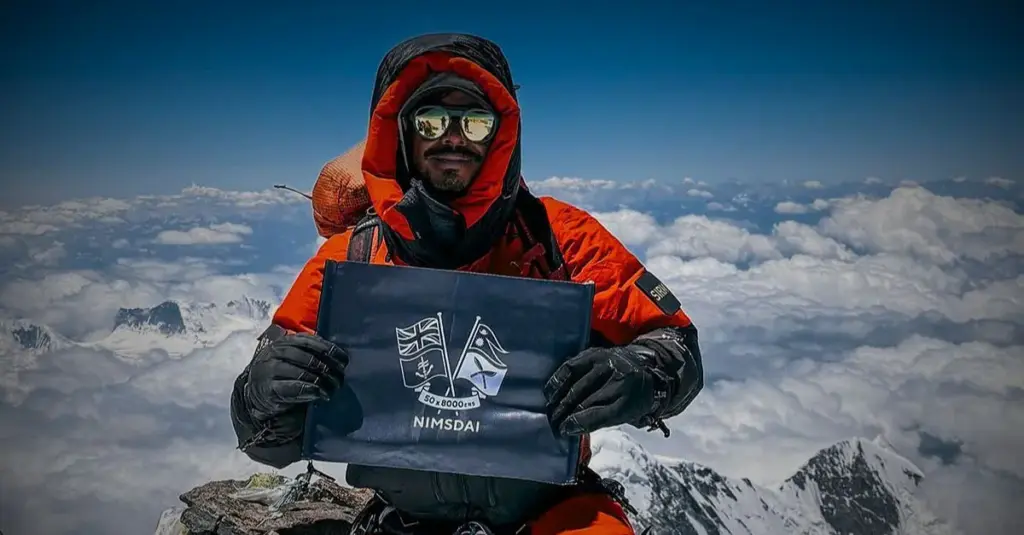

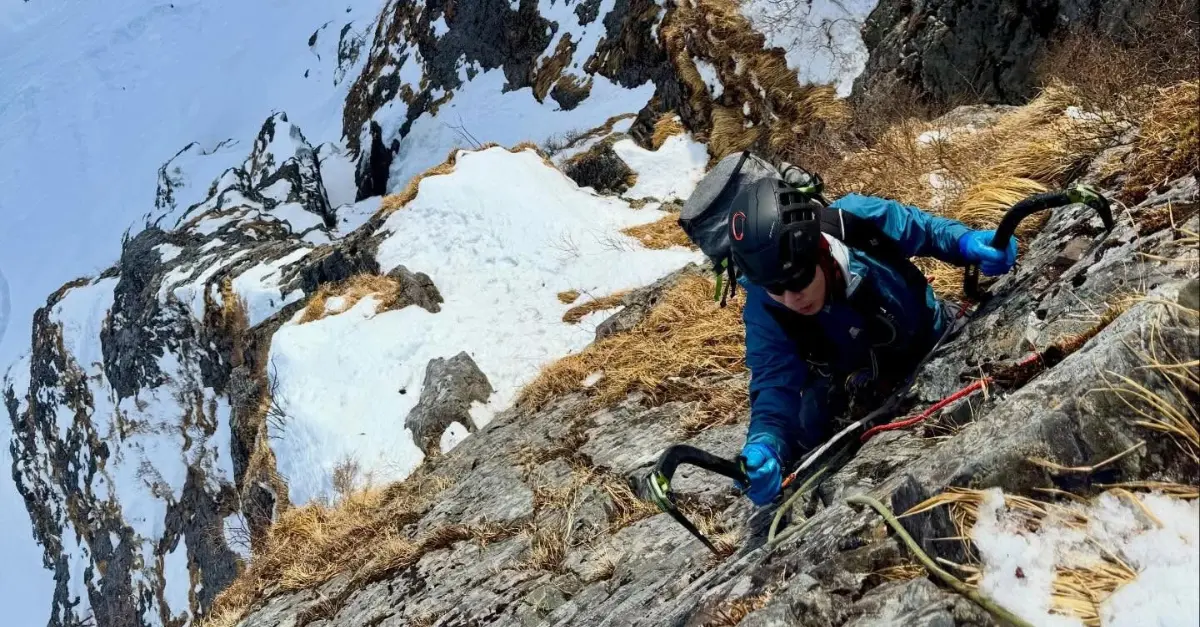
The attempt on Gangapurna west is the story everyone in the Himalayan climbing world is talking about this fall. Two Japanese climbers, Hidesuke Taneishi and Tetsu Hashimoto, are setting out to make the first ascent of this 7,140-metre peak tucked into the Annapurna massif, sitting on the ridge between Annapurna I and Annapurna III. I’ve followed expeditions like this for years, and it’s rare to see a mountain hold off climbers of this caliber for so long.
Gangapurna west, also known as Lachenal Peak in honor of French pioneer Louis Lachenal, has already turned back three serious attempts since it was opened in 2014. This new race for the summit is worth digging into, both for the history behind the mountain and for what drives two climbers to take on one of the last great unsolved problems in the Himalaya.
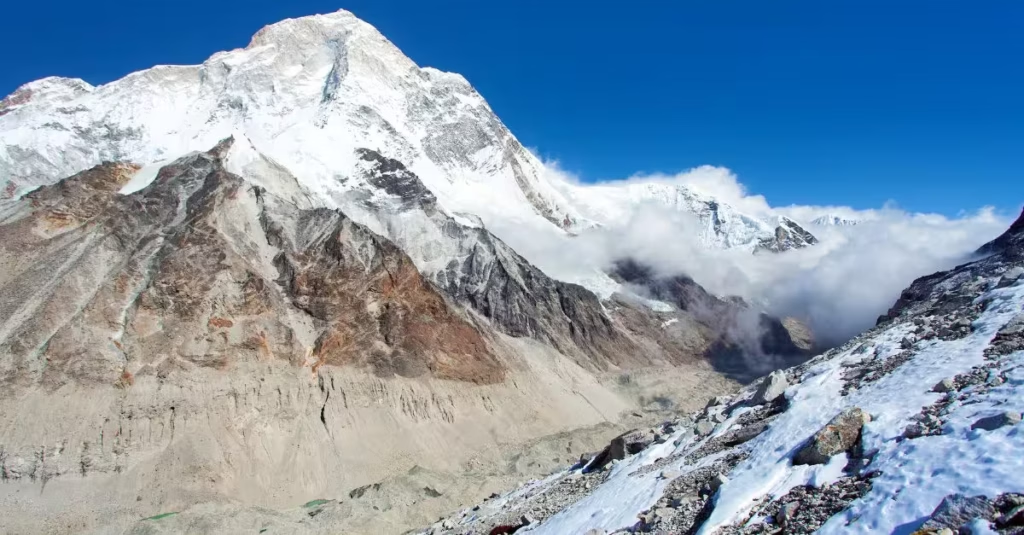
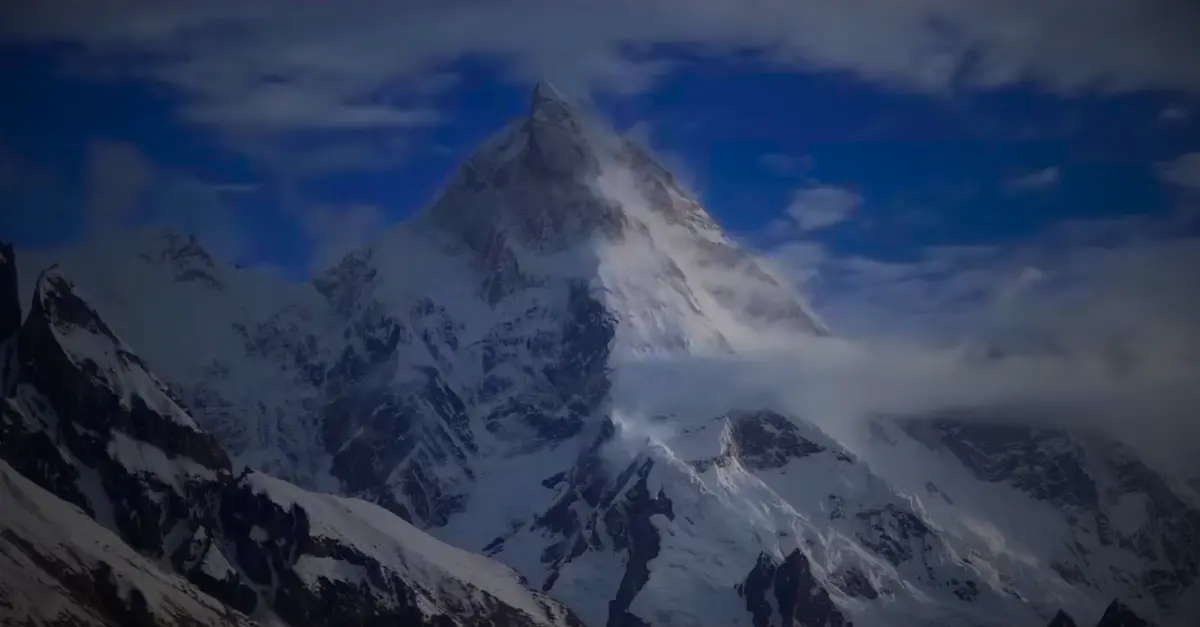
Gangapurna west, an unclimbed 7,140 m peak in the heart of the Annapurna range
The name can be confusing, so let’s clear that up first. Gangapurna west isn’t the same mountain as Gangapurna itself, the 7,455-metre giant first climbed in 1965 by a German expedition. It’s the western shoulder of that mountain, an independent subsidiary summit that reaches 7,140 metres and, despite its serious altitude, has never had a human being stand on its true top.
The Nepalese government opened the peak to expeditions in 2014 and renamed it Lachenal Peak, honoring Louis Lachenal, one of the two Frenchmen who made the first ascent of Annapurna I in 1950 alongside Maurice Herzog. A meaningful nod to history, for a mountain that has turned out to be far tougher than its numbers suggest.
A history of failed attempts
What makes this summit so distinctive is exactly that stubborn resistance. In 2016, a South Korean team led by Kim Chang-ho got within a hundred metres of the top via the south face before turning back, short on time and with a teammate who had stayed behind. The following year, Italians Simon Messner and Philipp Pruenster tried their luck on the north face. An avalanche swept away their tent at 6,200 metres, forcing them to abandon the climb in brutal conditions. An American team also tried the Korean route in 2019, with no more success. Three attempts, three failures. That’s the backdrop against which Taneishi and Hashimoto are now setting up in Manang.
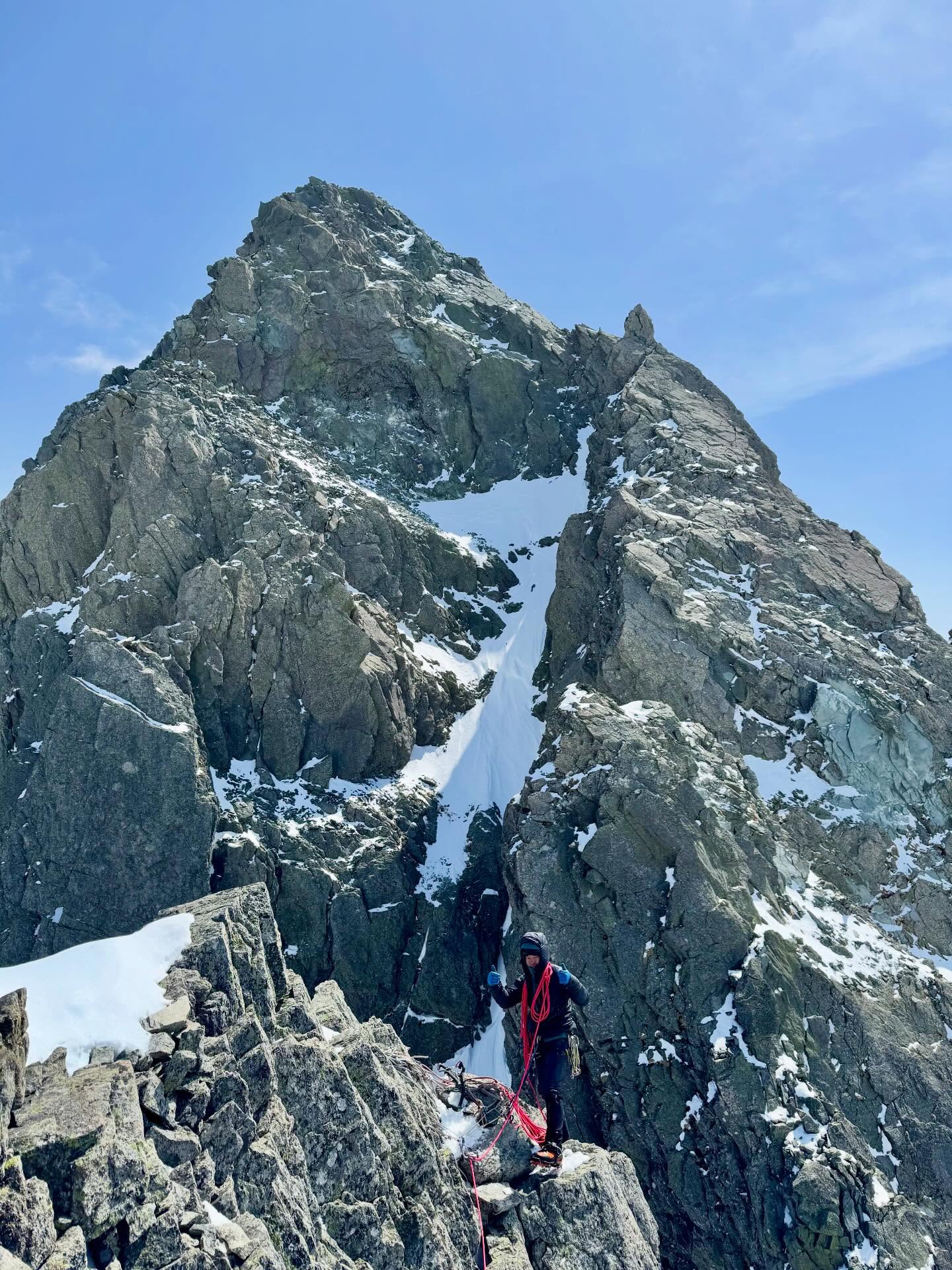
Who are Hidesuke Taneishi and Tetsu Hashimoto
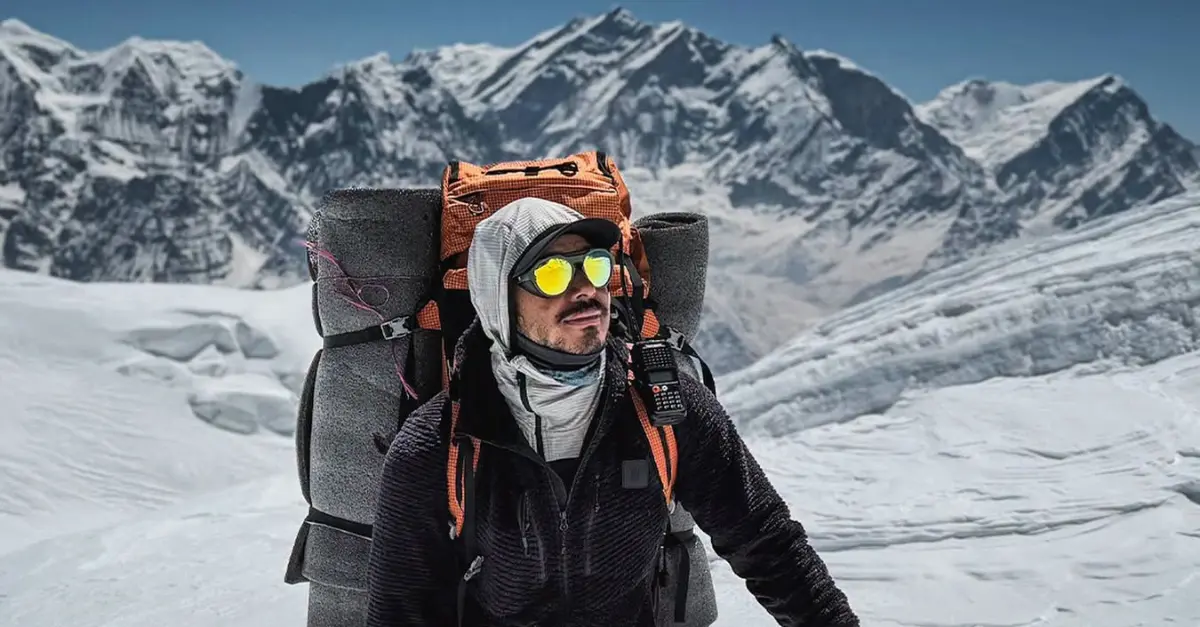
Hidesuke Taneishi is no stranger to the small circle of exploratory alpinism. Last year, he was nominated for a Piolet d’Or after making the first ascent of Pholesobi Peak (6,652 m), another Nepalese mountain, opening a direct line up its notoriously steep north face. A résumé like that doesn’t happen by accident: it reflects a method, a way of choosing demanding, technical, genuinely unexplored objectives.
Tetsu Hashimoto rounds out the team with an equally committed background in fast and light alpinism, the philosophy of climbing quickly with minimal gear rather than fixing ropes and stocking camps along the way. That approach is, historically, exactly what has built the reputation of modern Japanese expeditions in the Himalaya.
What I take away from expeditions like this
I’ve followed several similar attempts closely over the years, and one thing strikes me every time: the gap between climbing a mountain that’s already been documented and setting off on one where nobody really knows how hard it actually is. On a classic 8,000er, you roughly know where the crevasses are, which zones are dangerous, what a good weather window looks like. On Gangapurna west, every team is drawing its own map as it goes. That’s exactly what makes this kind of ascent so compelling to follow, and so risky to attempt.
Why this climb matters for Himalayan mountaineering
Unclimbed peaks over 7,000 metres aren’t exactly common anymore. Most of Nepal’s major mountains have been climbed for decades, and only a handful of objectives at this scale remain untouched, usually because they combine altitude, technical difficulty, and a brutal approach. Gangapurna west checks every one of those boxes.
Here are the key facts worth knowing about the mountain and the stakes of this expedition:
- Altitude: 7,140 metres, already demanding serious acclimatization and careful pacing at high altitude
- Status: still unclimbed despite three documented attempts since 2016
- Location: Annapurna massif, on the ridge connecting Annapurna I and Annapurna III
- Official name: Lachenal Peak since 2014, honoring French climber Louis Lachenal
- Routes attempted: south face (South Korea, 2016), north face (Italy, 2017), southeast route (United States, 2019)
- Preferred style: light, fast alpinism, without supplemental oxygen or fixed ropes along the whole route
A project like this naturally grabs the attention of anyone who follows high-altitude climbing, because it combines every ingredient of a great mountaineering story: uncertain terrain, the weight of the massif’s history, and two climbers capable of turning an attempt into a success.
What I take away from this race for the summit
Having talked with climbers coming back from expeditions of this kind, I can say one thing for certain: the hardest part is almost never the pure technical difficulty, it’s the mental management of the unknown. On an already-opened route, you know a pitch is doable because someone has done it before. On a first ascent, any single pitch could turn out to be impassable, and knowing when to turn around matters as much as pushing forward, exactly what the Korean team did in 2016, a hundred metres from the top. That’s a kind of judgment a lot of younger climbers haven’t developed yet, and it’s precisely what separates the alpinists who last in this world from those who take on disproportionate risk.
For anyone who wants to follow this kind of expedition in real time, I’d recommend keeping an eye on reports published by the American Alpine Journal, which has historically documented attempts like this in enough technical detail to really understand the route choices being made.
If unclimbed Himalayan peaks are a subject that interests you, check out our piece on the great remaining first ascents still up for grabs in Nepal, which rounds up the most sought-after objectives on the international climbing community’s radar right now.
FAQ
Has Gangapurna west ever been climbed?
No, this 7,140-metre peak remains unclimbed to this day. Three serious attempts have failed since the mountain opened in 2014, the closest to success being the South Korean team in 2016, stopped about a hundred metres from the summit.
Why is Gangapurna west also called Lachenal Peak?
The Nepalese government renamed the mountain in 2014 in honor of Louis Lachenal, one of the two French pioneers, alongside Maurice Herzog, of the first ascent of Annapurna I in 1950, widely considered the first successful climb of an 8,000-metre peak.
What’s the difference between Gangapurna and Gangapurna west?
Gangapurna itself reaches 7,455 metres and was first climbed in 1965. Gangapurna west is a separate subsidiary summit, 315 metres lower, but one that has never been reached despite several attempts over the past decade.
What climbing style do Japanese alpinists typically favor on peaks like this?
Most modern Japanese expeditions, including Taneishi and Hashimoto’s, favor fast and light alpinism, without supplemental oxygen or fixed ropes across the whole route, a philosophy built around speed and self-sufficiency rather than a string of established camps.