
If you’re looking for winter activities for kids that actually work, the answer fits in one sentence: turn the outing into a game, keep distances short and plan a cozy treat at the end. The five ideas below, animal tracking, sledding, snowshoeing, treasure hunts and a hot snack break, work from age 3 or 4, with no expensive gear and very little preparation. I’ve tried them on mid-mountain trails and in lowland forests alike, and they all share one thing: kids forget the cold because they’re busy.
Why kids resist going outside in winter
Let me be honest: the first resistance doesn’t come from the kids, it comes from us. We picture frozen fingers, runny noses and pleas to go home after ten minutes. So we stay under the duvet, and the kids end up glued to a screen. Yet the urge to move is always there, it’s just waiting for an excuse.
The cold isn’t the real problem
What discourages a child is boredom and discomfort, not the temperature. A little one chasing a squirrel doesn’t feel their cheeks turning red. A little one walking silently along a straight path counts the minutes. A well-dressed, busy child rarely complains about the cold. That’s the whole secret, and it shaped the choice of the five activities that follow.
What the experts say
Public health guidelines point the same way: children need at least one hour of physical activity a day, and time outdoors helps them sleep better, concentrate and soak up the natural light that winter takes from us. I encourage you to check the official guidelines from the World Health Organization for up-to-date figures.
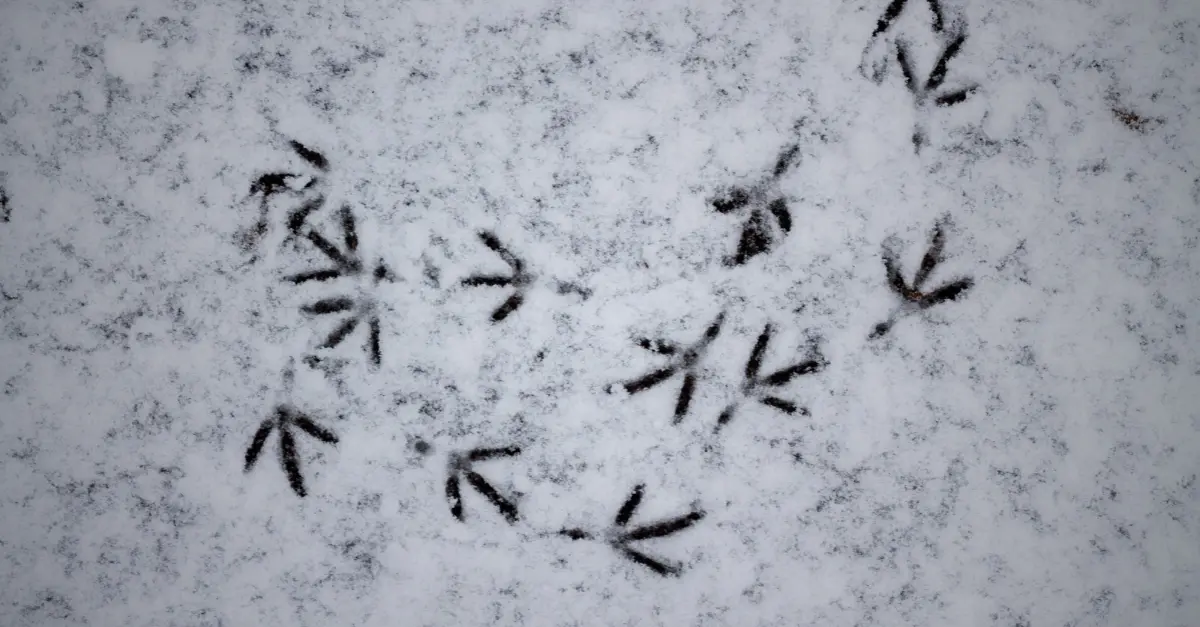
Tracking animals in the snow
This is my absolute favorite. As soon as there’s a thin layer of snow, or even damp mud, tracks tell stories. One morning, my 5-year-old nephew stopped dead in front of tiny prints in a line: “A rabbit, it went this way!” For an hour, he talked about nothing else, and he walked three kilometers without a single complaint.
How to go about it
Print a small sheet of the most common tracks (fox, deer, hare, wild boar, birds) or download one before you leave. Give each child the role of forest detective: one looks for footprints, another for feathers, a third for gnawed pine cones. A plastic magnifying glass, a few euros, has an outsized effect.
Where to go
A woodland edge, a riverbank or a farm track is enough. Avoid big mountain areas in midwinter for your first attempts, and stick to trails marked by the Fédération française de randonnée, which offers family-friendly routes.
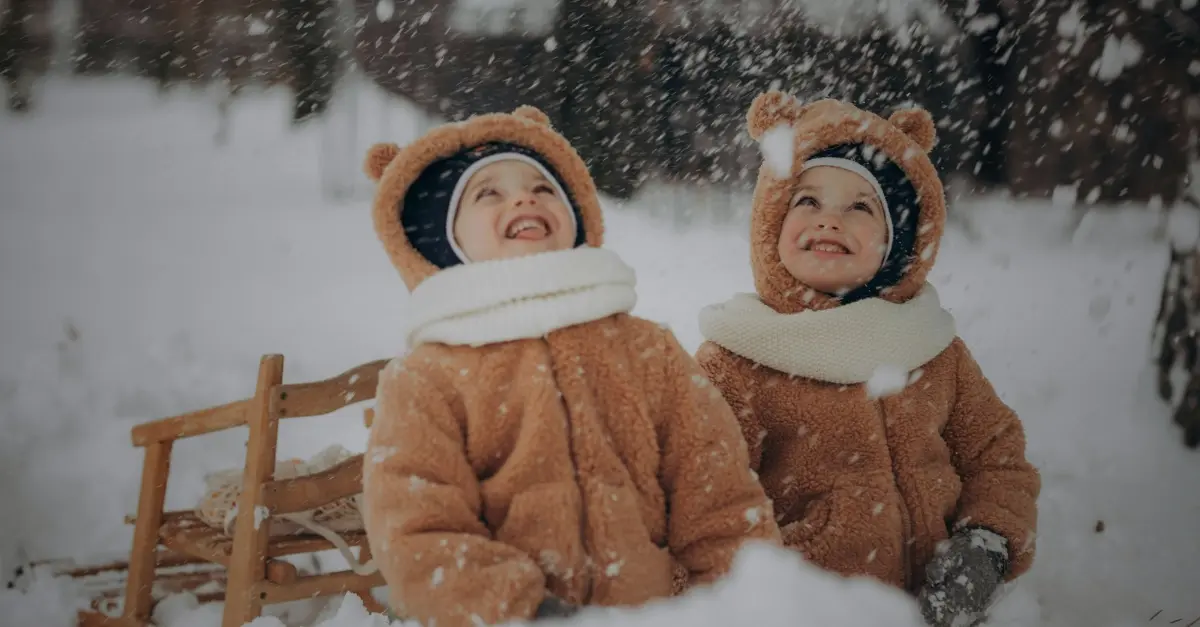
Sledding and improvised sliding
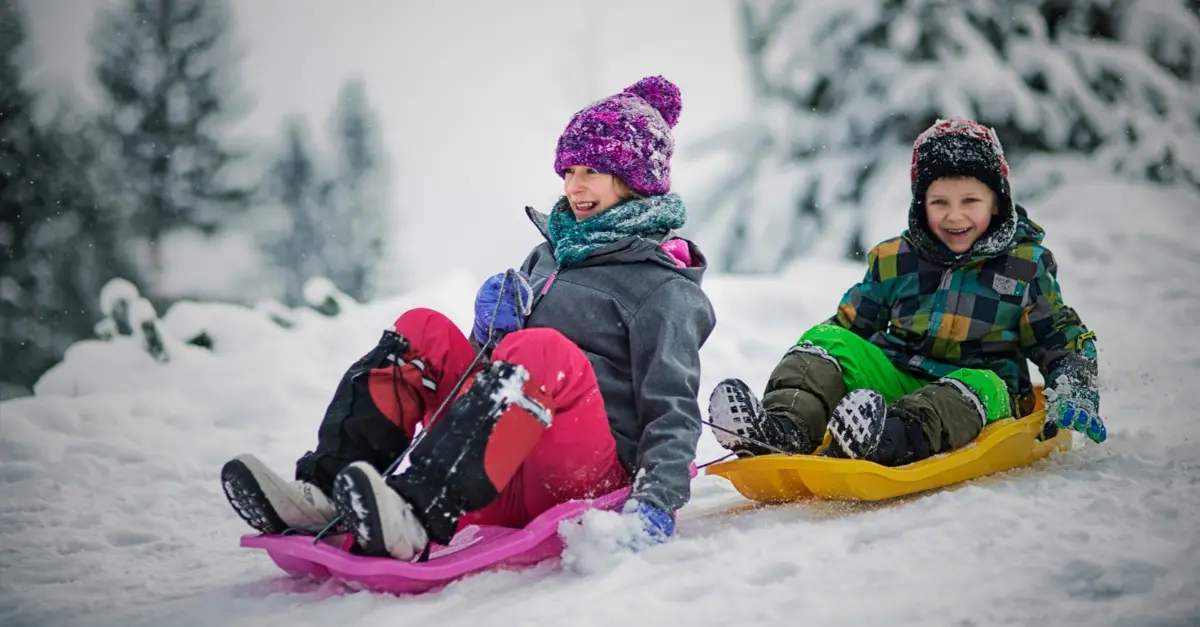
Sledding remains the safe bet, the one that motivates even the most reluctant. You don’t need a ski resort: a gentle slope behind the village, a field by the roadside or a small, clear bank will do. The fun comes from the ritual of climbing back up, which you can turn into a challenge: “Who gets to the top first?”
Choosing the right spot
I always check three things: an even slope, a clear run-out (no road, fence or river) and snow that is neither frozen nor too crusty. I walk up first to check. Safety comes before fun, and a bike or ski helmet is a very good idea.
The little extra that changes everything
A hot chocolate break halfway, a contest for the best slide, or a tandem run with a parent: these details create memories. A two-hour outing then flies by.
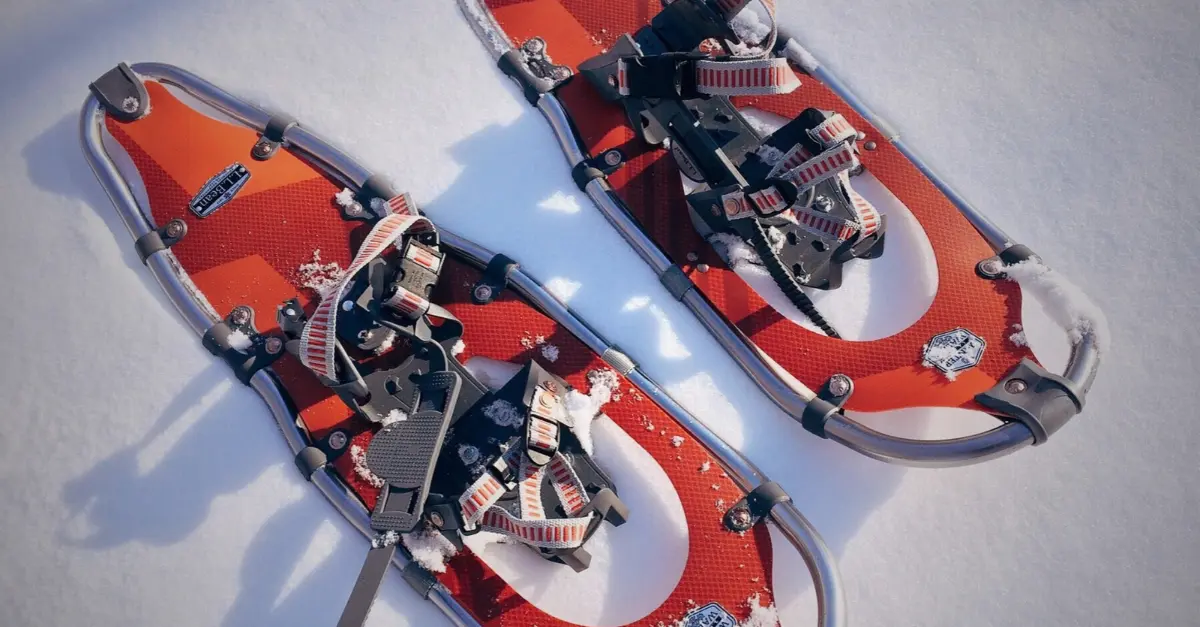
A first snowshoe outing
People think snowshoes are for grown-ups. That’s wrong: there are models for kids from 3 or 4 years old, light and easy to put on, which give little ones the feeling of walking like explorers. For many children, it’s a game in its own right: you sink less, you leave funny tracks, it feels like flying.
A short, rewarding route
Aim for 2 to 4 kilometers at most, with a clear goal: a hut, a viewpoint, a frozen lake. As we say in the mountains, motivation comes from the objective. Many resorts offer marked snowshoe trails with rentals on site, so you don’t have to invest before knowing whether your child likes it.
What I learned from experience
The first time, I planned generously: a 10 a.m. start, a break halfway, back before 3 p.m. to enjoy the daylight. The kids held up much better than expected, and I was the one who had to slow down. Always keep an eye on the avalanche bulletin from Météo-France in mountain areas and stick to secured routes.
Treasure hunts and geocaching
When enthusiasm fades, nothing beats a quest. The classic treasure hunt works very well: you hide a few objects along the way, prepare drawn clues or a little map, and you’re set. The trail becomes a story, not a chore to finish.
Geocaching, the high-tech version
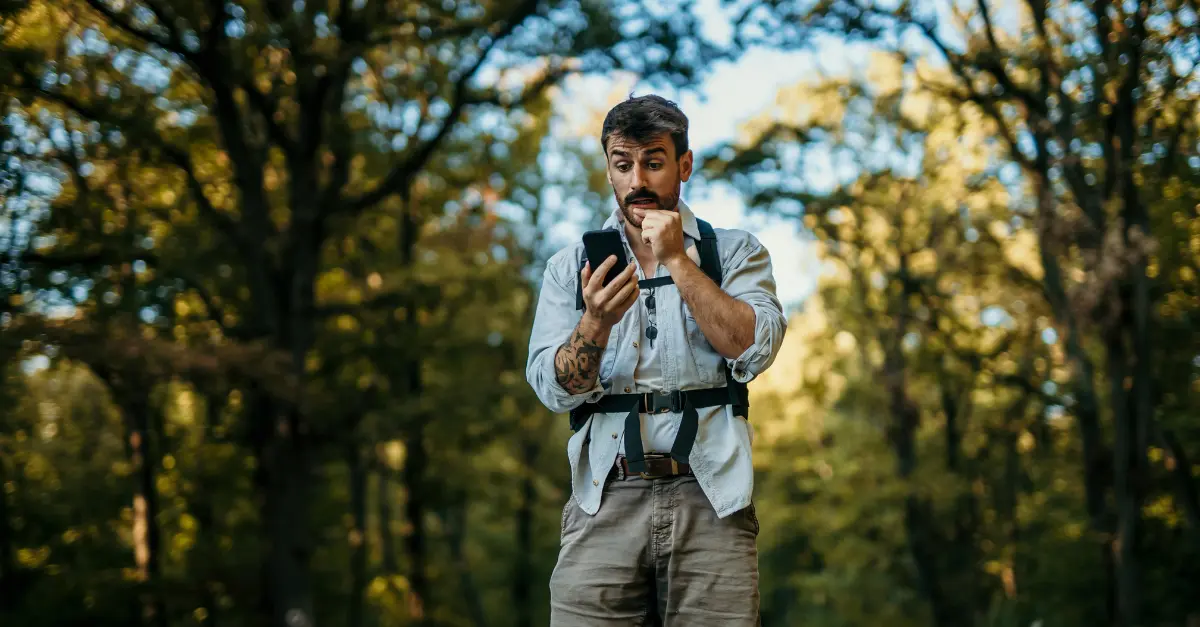
With a smartphone and a free app, geocaching turns any walk into a real treasure hunt: thousands of little boxes are hidden all over France, including in forests and villages near you. Kids love signing the logbook and swapping a small item for another.
Easy variations to improvise
Look for the five colors of the forest, three different leaves, something soft, something prickly, something round. These search games cost nothing and take two minutes to set up in the parking lot.
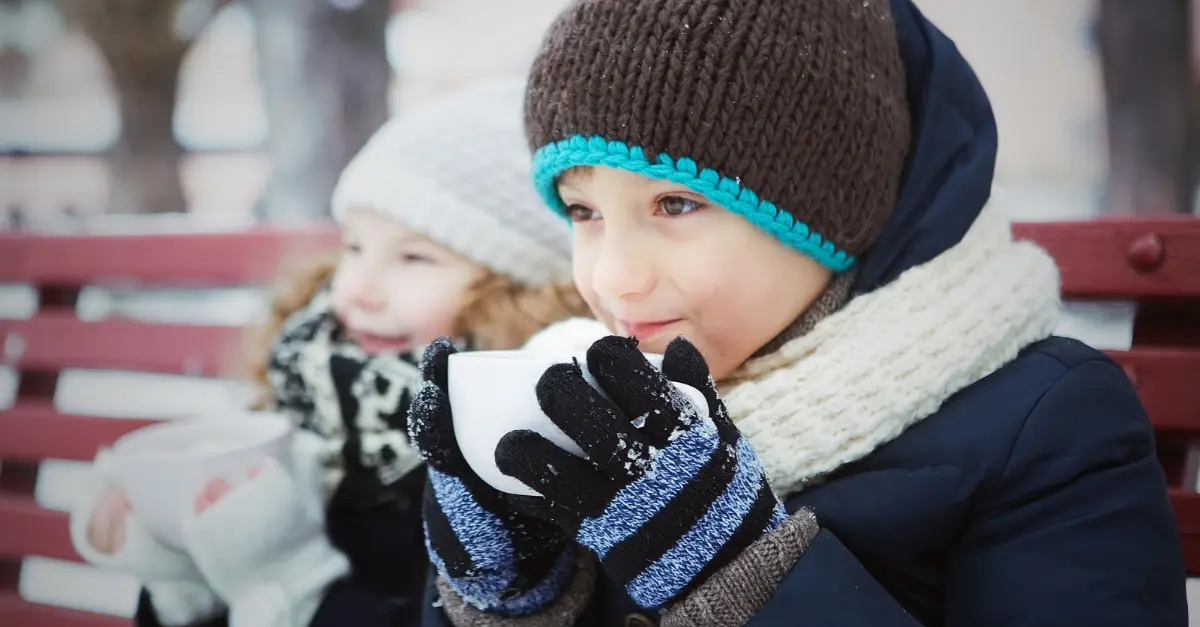
A hot snack at the end of the trail
We underestimate this moment. For a child, the reward matters as much as the effort. A thermos of hot chocolate, a few cookies, clementines and an emergency blanket spread on the ground: that’s a winter picnic my family still asks for.
Creating a real atmosphere
Pick a spot sheltered from the wind, ideally in the sun. Sit the kids on an insulating mat (a simple camping foam pad is enough), pour the hot drink, and let time stretch out. Some like to go looking for dry wood or build a little shelter with branches while the thermos does its job.
Keeping the magic
Don’t light a fire without permission: in forests, the rules are strict, and a carefully supervised camping stove is a much better option. Remember that the goal isn’t performance, it’s making them want to do it again.
The gear that changes everything
None of these activities work if the child is cold or wet. Here’s a summary of what really matters, without breaking the bank:
- Three layers: breathable base layer, fleece or wool, waterproof jacket
- Extra warm socks: a child with dry feet is a happy child
- Spare gloves and hat: they always end up wet
- High-top boots, waterproof if possible
- A small backpack so the child carries their own snack
- Sunscreen and sunglasses: sun on snow is a trap
For gear, I often look at second-hand brands and the kids’ ranges from Decathlon, which understands very well that you don’t spend €150 on a jacket that will be too small in a year.
My take as a parent and trekker
After years of outings, my conviction is simple: kids don’t hate the outdoors, they hate the outdoors with no purpose. I’d rather do three well-planned two-hour outings than one ambitious hike that ends in tears. Choose a short route, one main activity, one comfort break, and above all let them decide part of the program.
My advice if you’re starting out: try sledding or animal tracking first, then move on to snowshoeing once the enthusiasm is well established. I also swear by the surprise bag trick: a small reward hidden halfway along relaunches motivation in two minutes.
FAQ
What age can a child go snowshoeing?
From 3 or 4 years old with suitable models, on short, flat routes. Above all, adapt the duration to their tiredness and be ready to carry them back if needed.
What should I do if my child refuses to go out in the cold?
Don’t force it: start with ten minutes in the yard or park, with a game. Once they’re going, they’ll often want to continue. Also check that their gear is comfortable.
What is the ideal length for a winter outing with kids?
Plan on one to three hours depending on age, breaks included. It’s better to head home on a high note than to wait for the tears.
Should I worry about the cold in the forest?
Watch the extremities above all (hands, feet, nose) and avoid outings in strong wind or on icy ground. Check the local weather before you leave.