
American climber, 66, found dead at 5,800 m after reaching the summit of Mera Peak
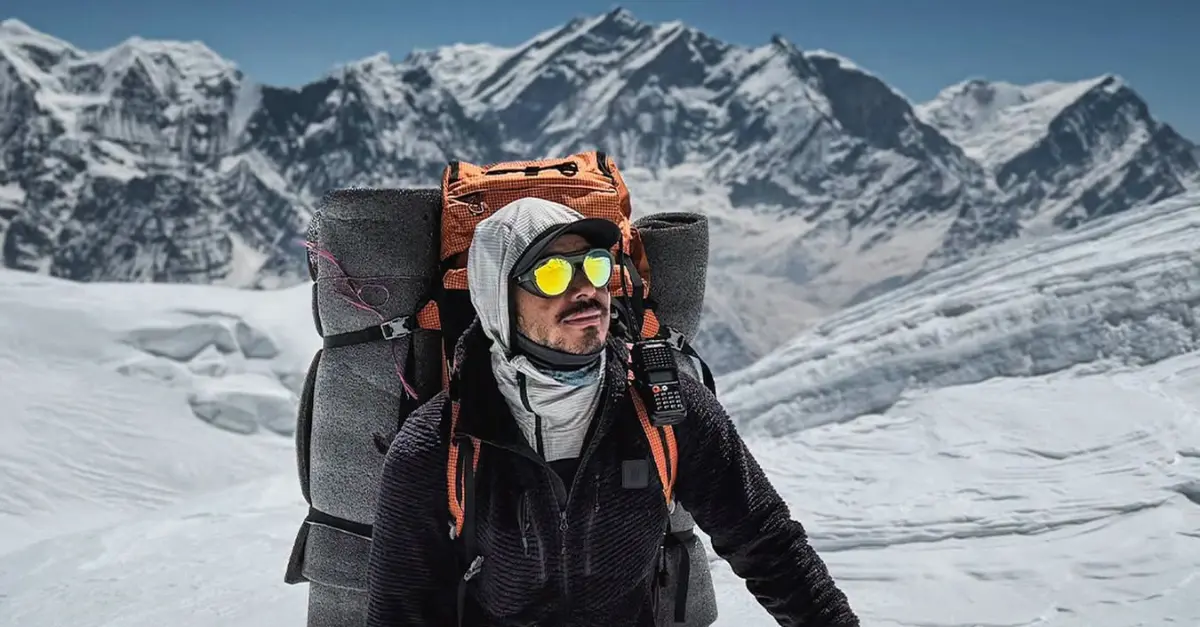
Richard Carlos Skidmore, a 66-year-old American climber, was found dead in his tent at the high camp on Mera Peak, at around 5,800 metres, on the morning of Sunday, November 22. The day before, on Saturday, November 21, he had reached the summit of this 6,476-metre mountain in Nepal’s Khumbu region. His body was then flown by helicopter to Kathmandu for an autopsy. This event, which followed an apparently successful ascent, is a reminder that the risks of high-altitude climbing in the Himalayas do not disappear once the summit has been reached.
A summit reached before a tragic return to high camp
According to information released by the Solukhumbu district police, Richard Carlos Skidmore reached the summit of Mera Peak at around 10 a.m. on Saturday, November 21. He then descended to the high camp, located at around 5,800 metres, where he spent the night. His body was found the next morning in his tent, as he was due to head toward the village of Khare.
This timeline has prompted reactions from climbers who know Mera Peak well. Several comments posted on social media pointed out that it is relatively unusual to spend the night at high camp after summiting so early in the day. Most teams generally head back down to lower altitudes the same day. However, these observations, made after the fact, do not allow any conclusions to be drawn about the decisions made during the expedition or the reasons why the climber stayed there.
A death whose circumstances remain unclear
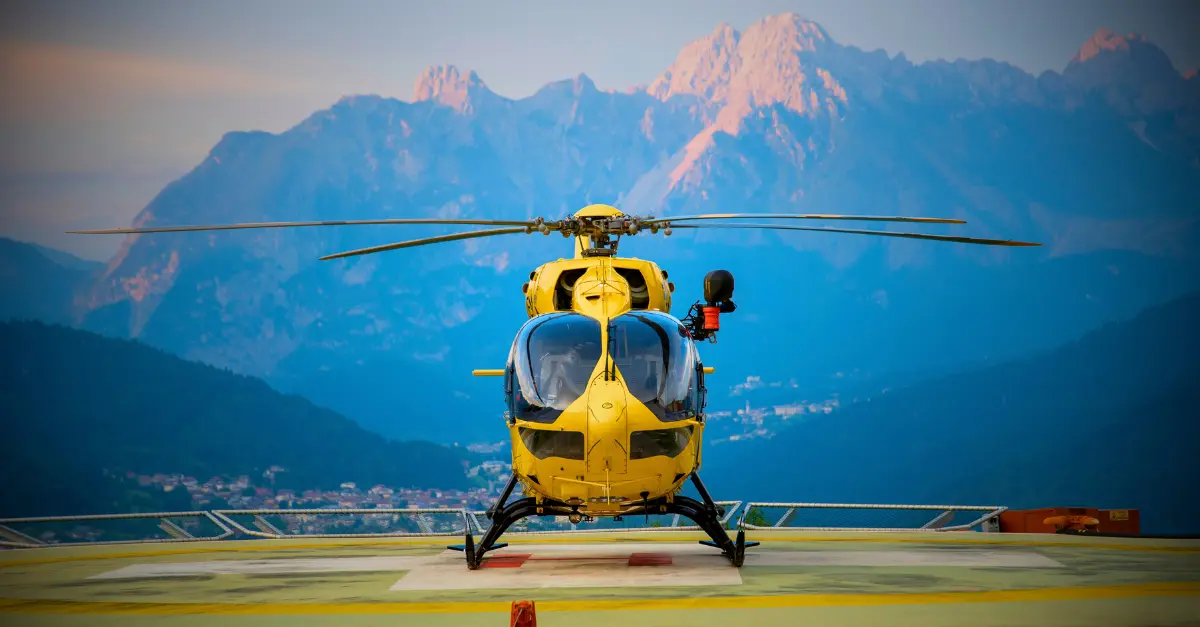
Richard Carlos Skidmore’s body was flown by helicopter, via Lukla, to Tribhuvan University Teaching Hospital in Kathmandu so that an autopsy could be carried out. At this stage, the exact cause of death is not known.
Early reports raised the possibility of an altitude-related medical problem or a possible cardiac arrest. These theories have not, however, been confirmed by medical examinations. The authorities have indicated that only the autopsy results will make it possible to establish the circumstances of the death precisely. No official statement has so far backed one hypothesis over another.
Richard Carlos Skidmore, an already experienced Himalayan climber
This was not Richard Carlos Skidmore’s first Himalayan experience. According to the Everest Chronicle and the Italian publication Lo Scarpone, from the Italian Alpine Club, he had notably climbed Lobuche Peak in 2024. This summit, also located in the Khumbu region and rising to 6,119 metres (Lobuche East), is one of the regularly climbed trekking peaks.
This earlier climb shows prior experience of high-altitude Himalayan mountaineering above 6,000 metres. It does not, however, make it possible to reconstruct his entire climbing background or to assess his level of acclimatization or specific preparation for Mera Peak.
Mera Peak, an accessible but demanding summit
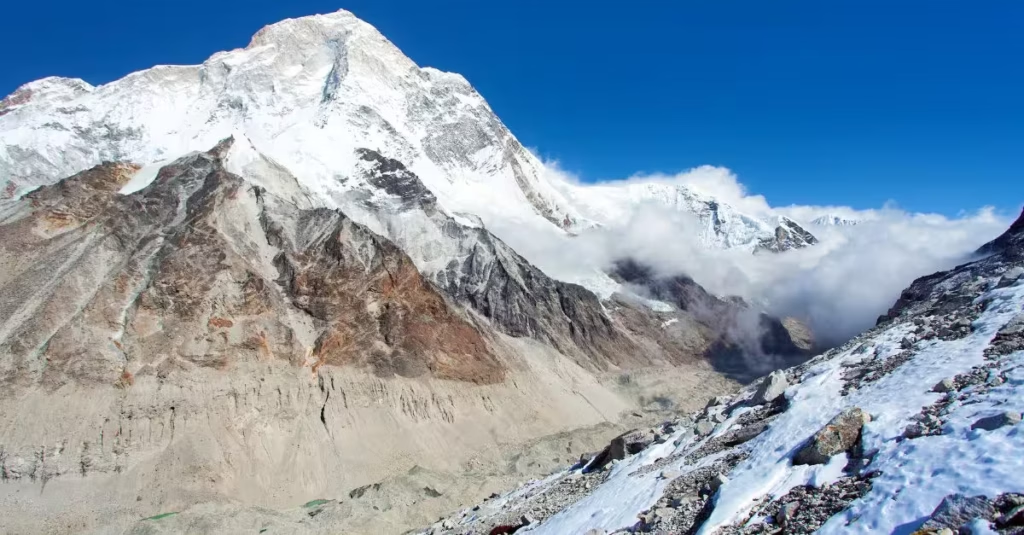
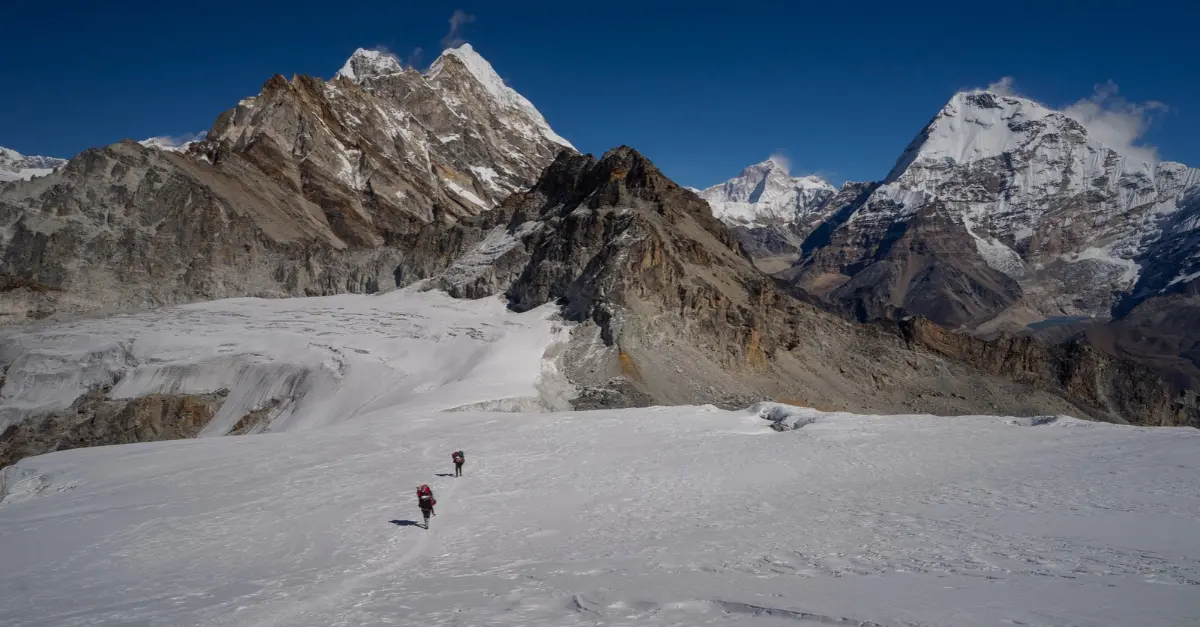
Mera Peak, classified as a trekking peak by the Nepal Mountaineering Association, is the highest in this category in Nepal. Located in the remote Hinku Valley, within Makalu-Barun National Park in the Solukhumbu district, it stands out for a relatively non-technical route, rated PD (peu difficile, or “not very difficult”) on the French alpine scale. The standard route follows the Mera Glacier and generally requires only basic glacier travel skills, with crampons and an ice axe, sometimes with a short section of fixed rope near the summit.
Despite its reputation as an accessible summit compared with other, more committing Himalayan objectives, Mera Peak remains a demanding mountain. Its altitude of over 6,400 metres exposes climbers to a marked drop in oxygen availability. Weather conditions can change quickly, the cold is intense, and physical fatigue builds up over long days. The high camp, at around 5,800 metres, and Khare base camp (at about 4,600 to 4,900 metres depending on the source) are stages where acclimatization and recovery play a decisive role.
The dangers of altitude do not disappear after the summit
At high altitude, the drop in the partial pressure of oxygen exposes the body to several well-documented risks. Acute mountain sickness (AMS) can show up as headaches, nausea or intense fatigue. In more severe forms, it can develop into high-altitude pulmonary edema (HAPE) or high-altitude cerebral edema (HACE), conditions that require immediate descent. Physical exhaustion, cold and dehydration make these problems worse.
The descent is also a sensitive phase. Prolonged exertion, lack of sleep and accumulated physiological stress can favor the onset of complications, even at rest. Medical incidents sometimes occur after the summit, when the body has not yet recovered its balance. These points describe general risks of Himalayan mountaineering; they are not an established explanation for the death of Richard Carlos Skidmore, whose cause remains to be determined.
A human toll that highlights the risks of Mera Peak
The Himalayan Database, which records expeditions and accidents on Nepal’s main peaks, indicates that four people have died on Mera Peak since 2018, not counting the death of Richard Carlos Skidmore. However, this database has selective coverage of the most frequently climbed trekking peaks. Its figures therefore do not necessarily give a complete picture of all accidents in the region.
These data are a reminder that, even on a summit considered relatively accessible, the risks linked to altitude, weather conditions and fatigue are not negligible.
Mera Peak remains a popular destination for high-mountain enthusiasts, often chosen as a first Himalayan experience above 6,000 metres or as an acclimatization stage. Its altitude nevertheless demands serious preparation, gradual acclimatization and constant vigilance, both during the climb and after the summit. The death of Richard Carlos Skidmore, which occurred after a successful ascent and in circumstances that are still unclear, underlines that these requirements remain essential even once the summit has been reached.