
In western Nepal, Upper Dolpo is among the most remote territories in the Himalayas. Protected by the Dhaulagiri range, it extends into a rain shadow zone amidst landscapes of arid high plateaus, deep valleys, and snow-capped peaks. The villages retain a strong Tibetan cultural identity, with their flat-roofed stone houses, prayer walls, and monasteries.
It is also one of the important habitats of the snow leopard (Panthera uncia), a stealthy feline whose presence symbolizes the wild nature of these highlands. Trekking and wildlife enthusiasts travel there for this reason, while knowing that the animal remains extremely difficult to observe.
Want to do the Upper Dolpo Trek? Click here!
Upper Dolpo, a timeless Himalayan territory
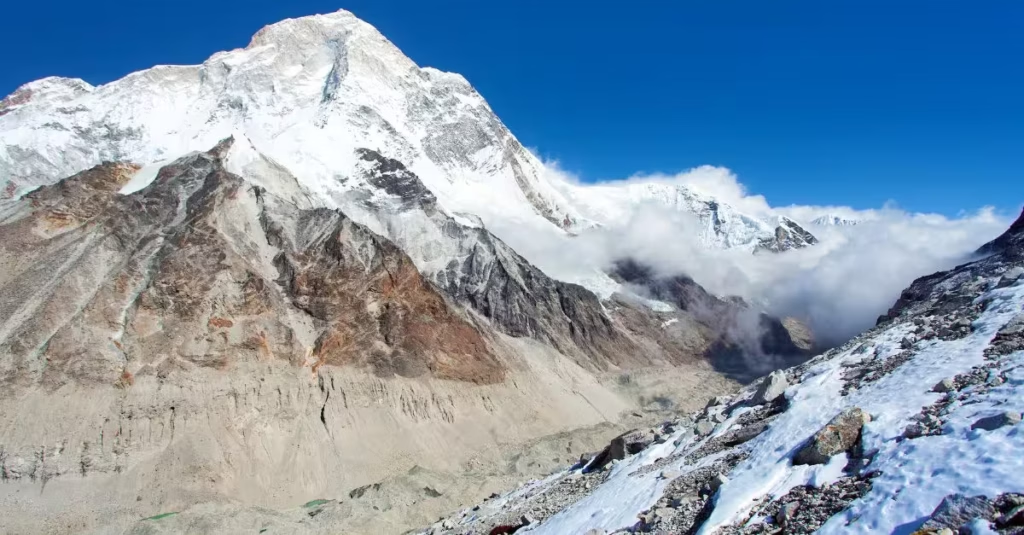
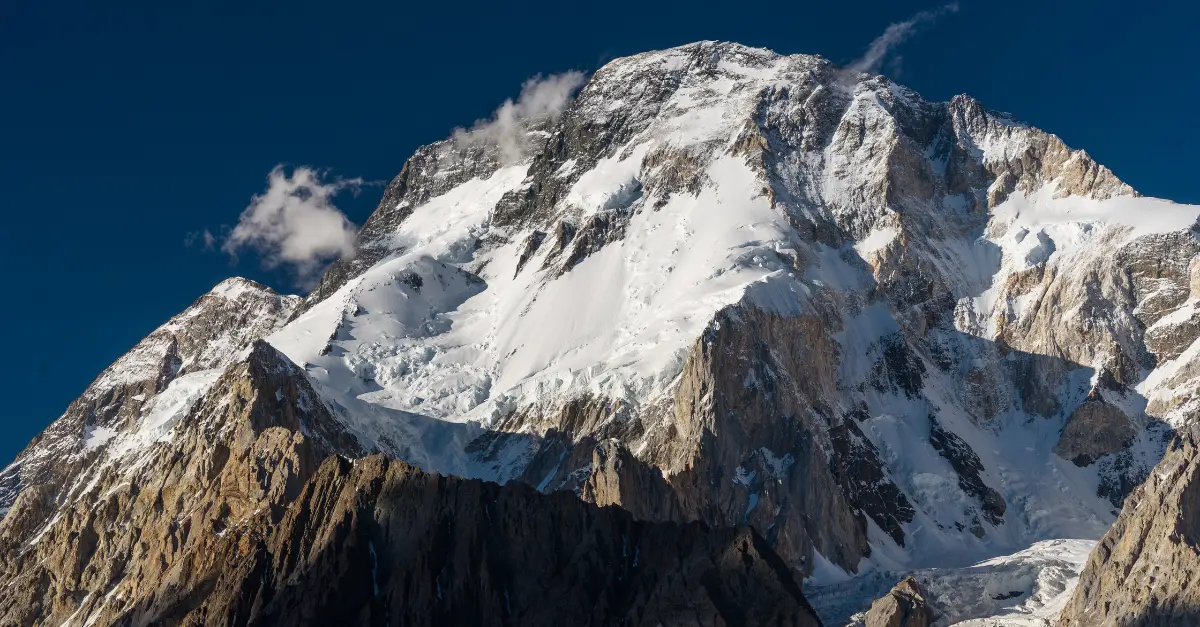
Dolpo is located in Dolpa District, Karnali Province, in northwestern Nepal, near the Tibetan border. Geologically attached to the Tethyan Tibetan zone, it is sheltered from monsoons by mountain barriers. The climate is semi-arid, precipitation is limited, and landscapes oscillate between desert canyons, high-altitude meadows, and areas of permanent snow. Isolation, rugged terrain, and climatic conditions make it a demanding destination that has long remained largely inaccessible.
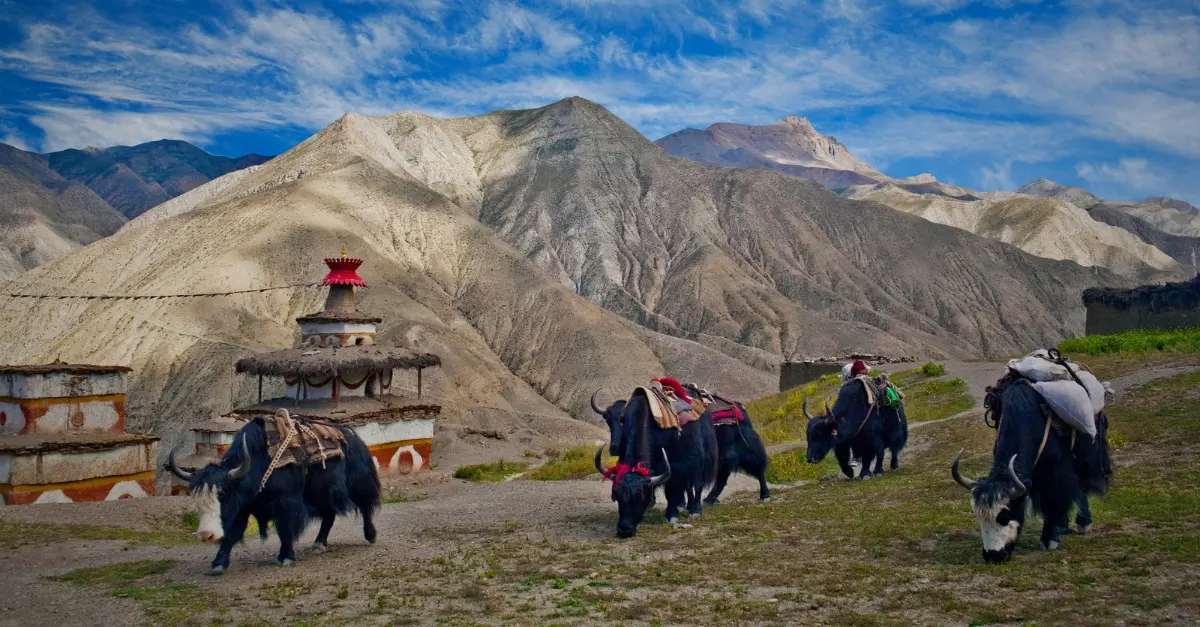
Historically a trade route for salt and grain between Nepal and Tibet, the region has preserved pastoral and agricultural ways of life adapted to high altitude. The Dolpo-pa, populations of Tibetan origin, practice a blend of Tibetan Buddhism and Bon, an earlier religion. Monasteries such as Shey Gompa, near Crystal Mountain, and perched villages bear witness to this cultural continuity.
In the footsteps of the snow leopard
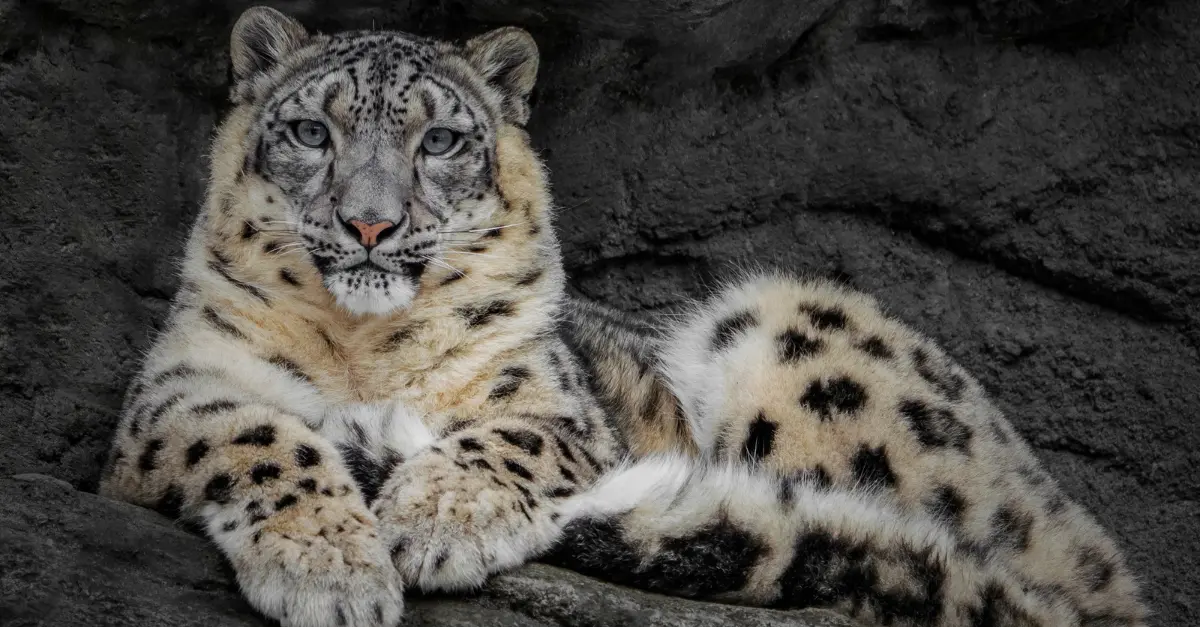
The snow leopard occupies the mountains of Central Asia and the Himalayas, generally between 3,000 and 5,000 meters. Classified as “Vulnerable” by the IUCN, it is adapted to high-altitude living and cold weather. Its thick, gray-beige coat dotted with dark rosettes offers effective camouflage on rocks and patches of snow. Its large, fur-lined paws act like snowshoes on the snow. Its long, thick tail serves for balance on slopes and protection from the cold. Enlarged nasal cavities and an adapted physiology facilitate breathing in rarefied air.
A solitary and stealthy hunter, it favors ambush, feeding mainly on blue sheep (bharal), as well as other ungulates or small mammals. In Upper Dolpo, within Shey Phoksundo National Park – the largest in Nepal, created in 1984 –, rocky habitats and prey populations provide favorable terrain. Sightings have been documented, including recently in areas like Dho Tarap, but they remain rare. No encounter can be guaranteed: the animal generally avoids humans and its densities are low.
A demanding trek in the heart of the Nepalese mountains
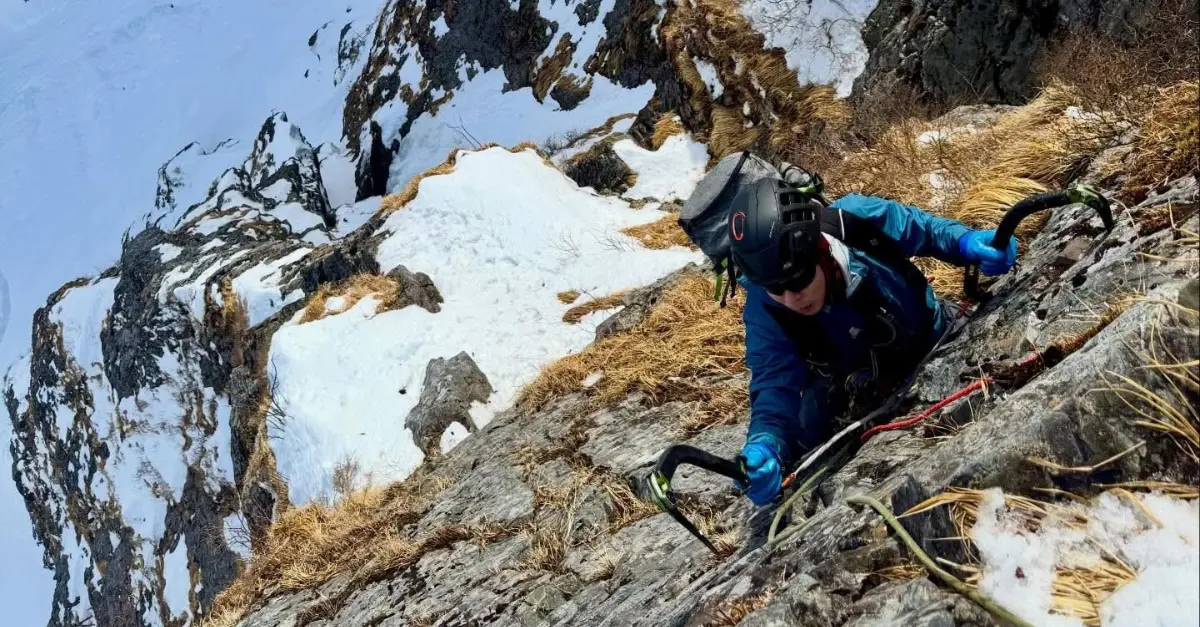
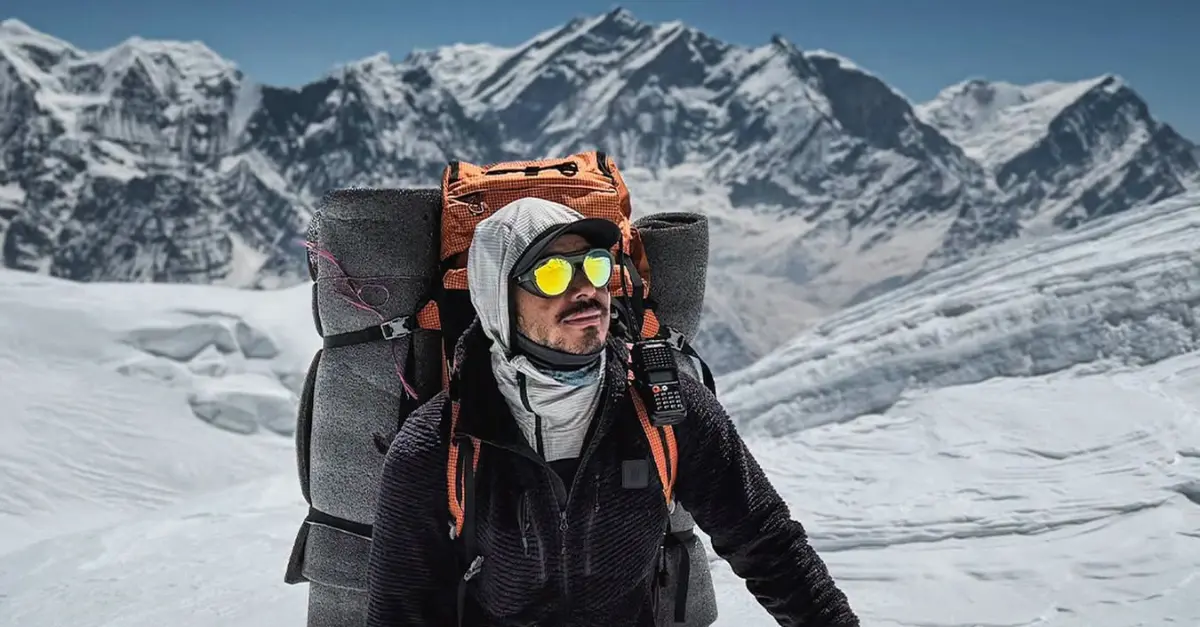
The Upper Dolpo trek involves long days of walking, pass crossings often exceeding 5,000 meters (such as the Kang La), stony terrain, and changing weather conditions. Beyond Phoksundo Lake, accommodation is mostly camping-based, with porter support logistics. Acclimatization is essential to limit altitude-related risks; good physical condition and prior high-mountain experience are recommended.
Remoteness requires relying on an experienced local organization capable of managing flights to Juphal (via Nepalgunj), porters, guides, and unforeseen circumstances. Restricted area permits (Upper and Lower Dolpo) as well as the national park permit are required and are obtained through a registered agency, with a mandatory licensed guide. Conditions vary greatly depending on itineraries and seasons.
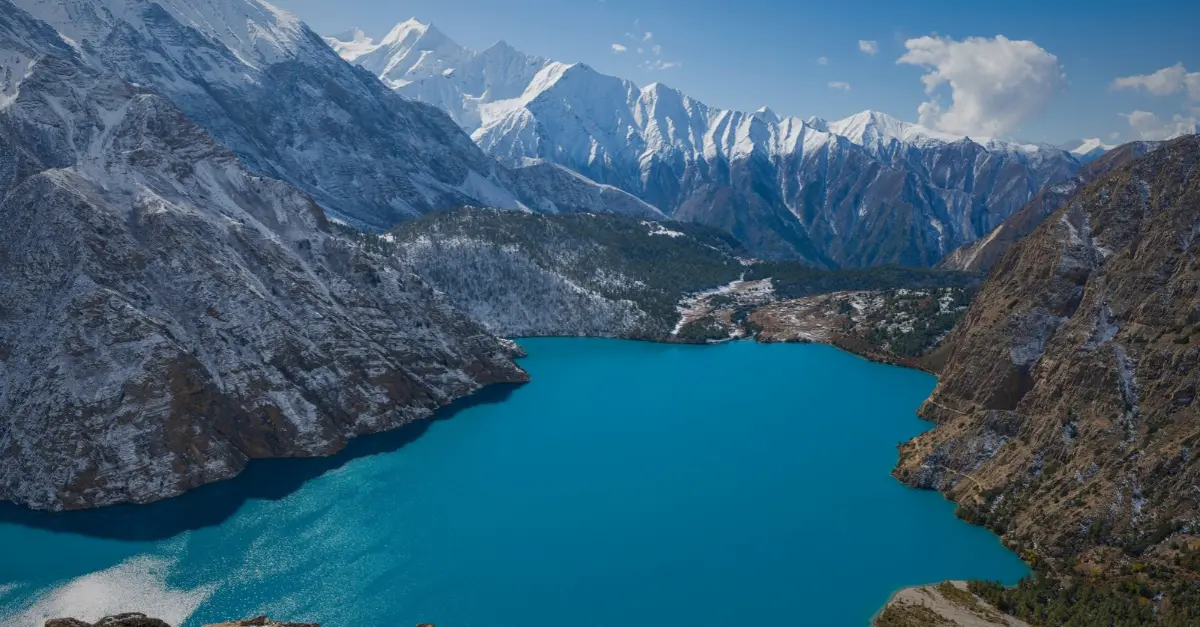
Lake Phoksundo, natural jewel of Dolpo
Lake Phoksundo, located around 3,611 meters within the national park, is one of the highlights of the itineraries. Its turquoise waters, fed by glacial melt, reflect the surrounding cliffs. Formed by a natural dam resulting from an ancient landslide, it spills into a waterfall of about 167 meters. Bathymetric surveys indicate a maximum depth of around 136 to 145 meters depending on campaigns. A Ramsar site, it also carries a cultural dimension: the village of Ringmo lies on its shores, complete with chortens and a monastery. Beyond its scenic interest, it often marks an acclimatization stop before the high plateaus.
An immersion in the Tibetan culture of Nepal
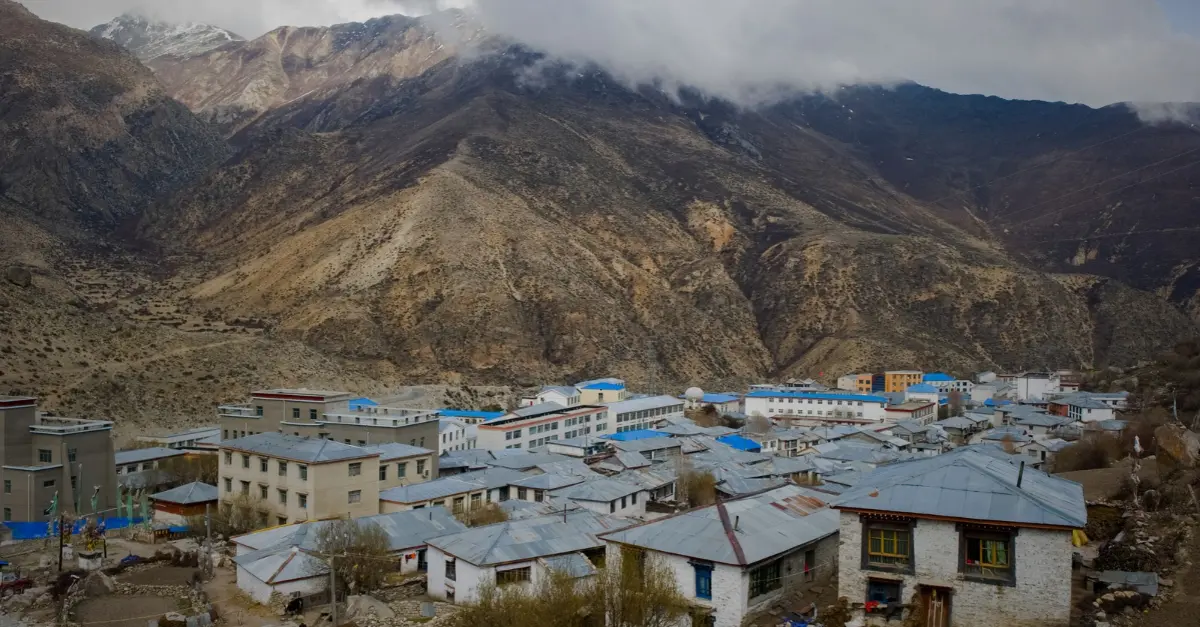
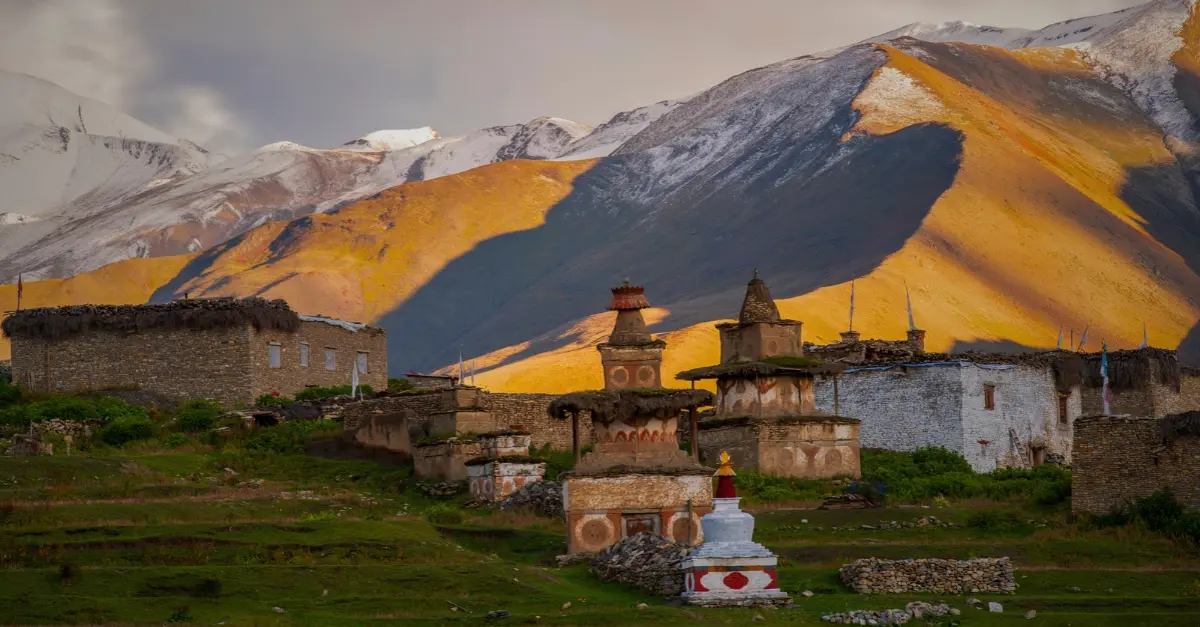
In the villages of Saldang, Yangtser, or Dho Tarap, stone and earth architecture, barley fields, yak herds, and monasteries illustrate a secular adaptation to isolation. Buddhist and Bonpo practices structure daily life, festivals, and pilgrimages, particularly around Crystal Mountain. Salt caravans, though reduced, recall historical exchanges. This relationship between communities and the environment – pastoralism, high-altitude agriculture, respect for sacred places – is expressed without artifice, far from more frequented circuits. Observing these ways of life requires remaining discreet and adapting to local rhythms.
Preserving the snow leopard and its habitat
The main threats facing the species include habitat fragmentation, the effects of climate change on pastures and prey, conflicts with herders when the feline attacks livestock, and poaching. In Nepal, a 2025 national estimate reports approximately 397 individuals. Protected areas like Shey Phoksundo, community-based conservation initiatives, and national action plans play a central role, notably by reducing conflicts and monitoring populations through camera traps.
Responsible tourism consists of not seeking to approach animals, avoiding any disturbance, staying on trails, and favoring supervised observations. Respecting wildlife and local communities contributes to the sustainability of this fragile balance.
When to go and how to prepare your expedition?
Generally favorable periods are spring (often mid-April to May) and autumn (September to October-November), when passes are more accessible and weather is more stable. Conditions vary depending on itineraries: high passes can remain snow-covered longer, and winter makes crossings difficult, even though some lower areas may be conducive to wildlife viewing.
Access is essentially via domestic flights to Juphal. Physical preparation, equipment adapted to cold and high altitude, insurance covering evacuation, and compliance with acclimatization protocols are essential. Regulations evolve; they should be checked with agencies and competent authorities before departure.
Upper Dolpo offers much more than a simple trek: it combines the exploration of arid Himalayan landscapes, an immersion in a still-vibrant Tibetan culture, and an approach to an emblematic feline. The value of this adventure lies not only in the—uncertain—possibility of catching a glimpse of a snow leopard, but in the experience of a respectful immersion in one of Nepal’s wildest territories.