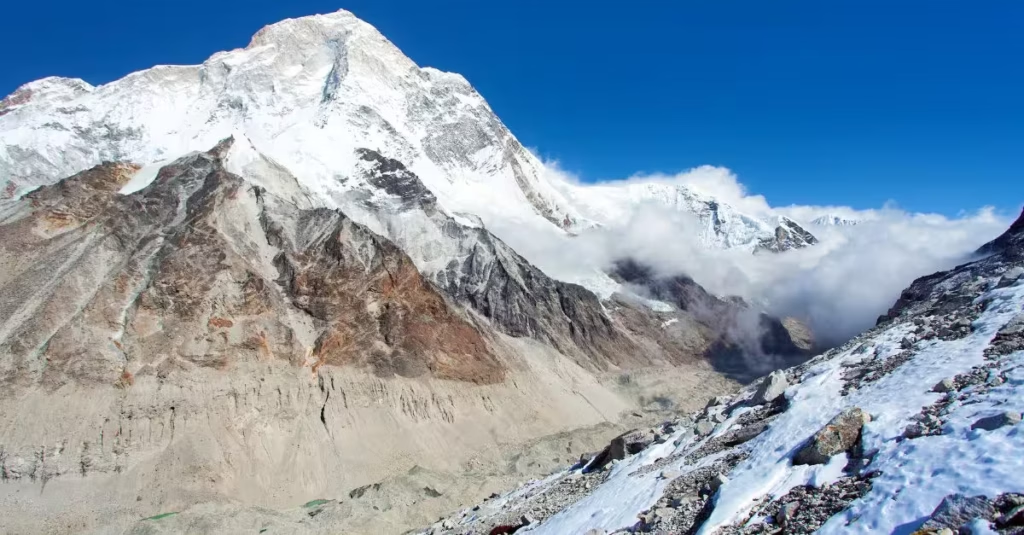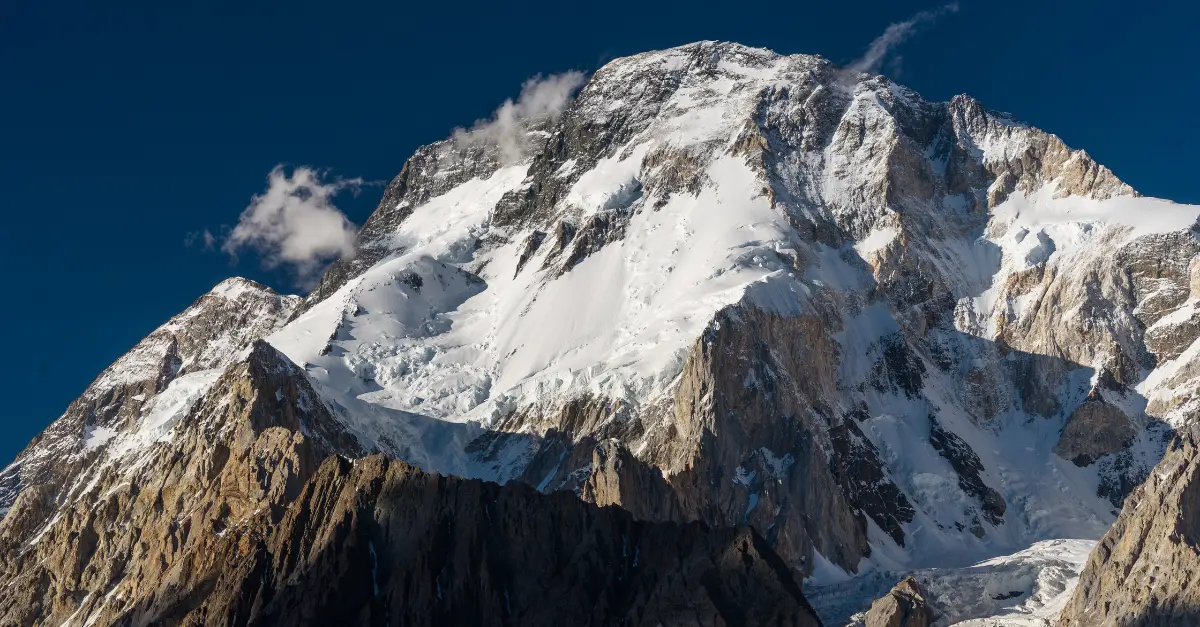


On a Himalayan trek, your phone is no longer just a convenience. You use it to check the weather, message your family, follow a route on a GPS app, contact your agency or deal with an unexpected problem. But in remote valleys and above 3,500-4,000 m, mobile coverage is patchy and sometimes nonexistent. No SIM card or eSIM can guarantee internet in the high mountains: the network depends on villages, altitude, terrain and local conditions. This practical guide compares operators, purchase options and the reality on the ground to help you choose according to your route and budget.
Which mobile operators are there in Nepal?
Two operators dominate the market: Nepal Telecom (NTC, also called Namaste), the state-owned operator, and Ncell, a private operator (Axiata group). A third historic player, Smart Cell, has a very limited presence and is no longer relevant for most travelers.
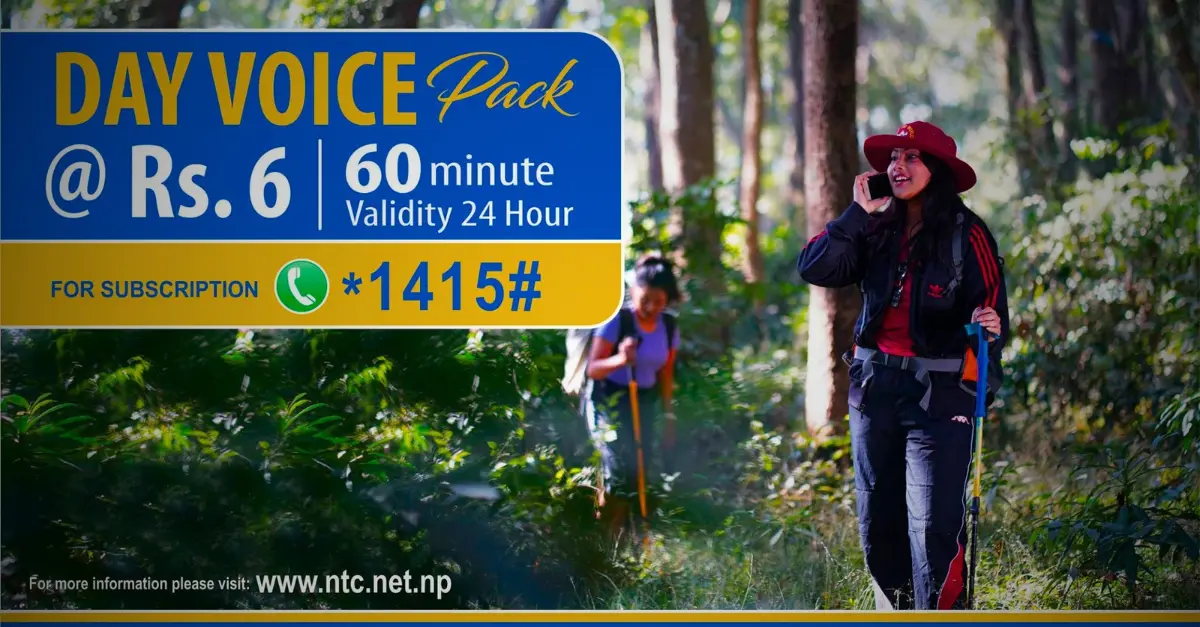
NTC generally has wider coverage in rural areas, isolated valleys and at altitude. It is the operator most often recommended for demanding treks (Everest above Namche, Annapurna Circuit, Manaslu, Langtang, Mustang). Ncell, on the other hand, often offers faster 4G speeds in cities (Kathmandu, Pokhara) and on the lower and middle sections of tourist routes, with dedicated tourist plans that are particularly convenient. Feedback from the field and from guides is consistent: Ncell works well up to Namche, Manang or the main villages; NTC holds up longer at altitude, though it is never guaranteed everywhere.
Both offer physical SIM cards and, in Ncell’s case, tourist eSIMs. Coverage evolves with investment (NTC regularly expands its 4G), but it remains at the mercy of the Himalayan terrain.

Which SIM card should you choose for a trek in Nepal?
The choice depends heavily on your route. On classic treks, a local SIM card is far cheaper and more flexible than an international eSIM.
- Everest Base Camp (EBC): decent signal from Lukla to Namche Bazaar on both networks. Beyond that (Tengboche, Dingboche), NTC is often more present; above Dingboche (Lobuche, Gorak Shep, EBC), mobile becomes very weak or nonexistent. Paid lodge Wi-Fi (notably Everest Link) takes over as far as Gorak Shep.
- Manaslu Circuit: NTC is more reliable on the higher sections; Ncell is mostly present lower down. Dead zones are frequent towards Samdo and the Larkya La pass.
- Annapurna Circuit and Annapurna Base Camp: good coverage up to Manang and over much of the ABC trek; NTC is often preferable towards Thorong La, Muktinath or at high altitude. The passes and some stretches remain without signal.
- Langtang Valley: NTC is generally better up to Kyanjin Gompa; Ncell weakens earlier.
- Mustang: NTC is more present, notably towards Lo Manthang; coverage is limited and intermittent.
In every case, coverage varies from one village to the next and from one year to the next. Never take the signal for granted: be prepared for outages.
How to buy a SIM card in Nepal
The easiest option is at Tribhuvan International Airport (TIA) in Kathmandu, in the arrivals hall just after baggage claim. Ncell and NTC both have counters there (often open for international arrivals). The process usually takes 10 to 20 minutes.
Required documents: your original passport (mandatory for registration), and sometimes a passport photo (taken on the spot if needed). Your phone must be unlocked. You get a local number and can load a plan immediately. In the city (Thamel in particular), official shops offer the same thing, often at slightly lower prices.
For Ncell, the TouristPro plans (reserved for non-Nepalis, checked on the official website) are particularly well suited:
- TouristPro Sprinter: 7 days, unlimited data and calls (all networks), 100 SMS, NPR 595 (fair use policy with reduced speed after 10 GB).
- TouristPro Explorer: 14 days, NPR 995 (reduced speed after 25 GB).
- TouristPro Voyager: 28 days, NPR 1,995.
NTC offers standard prepaid SIMs (often around NPR 90-100 with a little credit) and data packs to activate via USSD (*1415#) or app. Exact NTC pack prices change, so check at the counter. Both operators allow top-ups via apps, USSD, scratch cards or shops.
Tips: test the SIM and plan before leaving Kathmandu, note down your number, turn off roaming on your home SIM and bring a little cash (NPR or USD are accepted at the airport).
eSIM in Nepal: is it a good option?
An eSIM lets you install a digital profile without swapping your physical card, which is handy for keeping your home SIM for bank SMS or calls. Ncell offers tourist eSIMs online (esim.ncell.com.np). International providers such as Airalo (often on the Ncell network) or Holafly (which sometimes advertises both NTC and Ncell) cover Nepal.
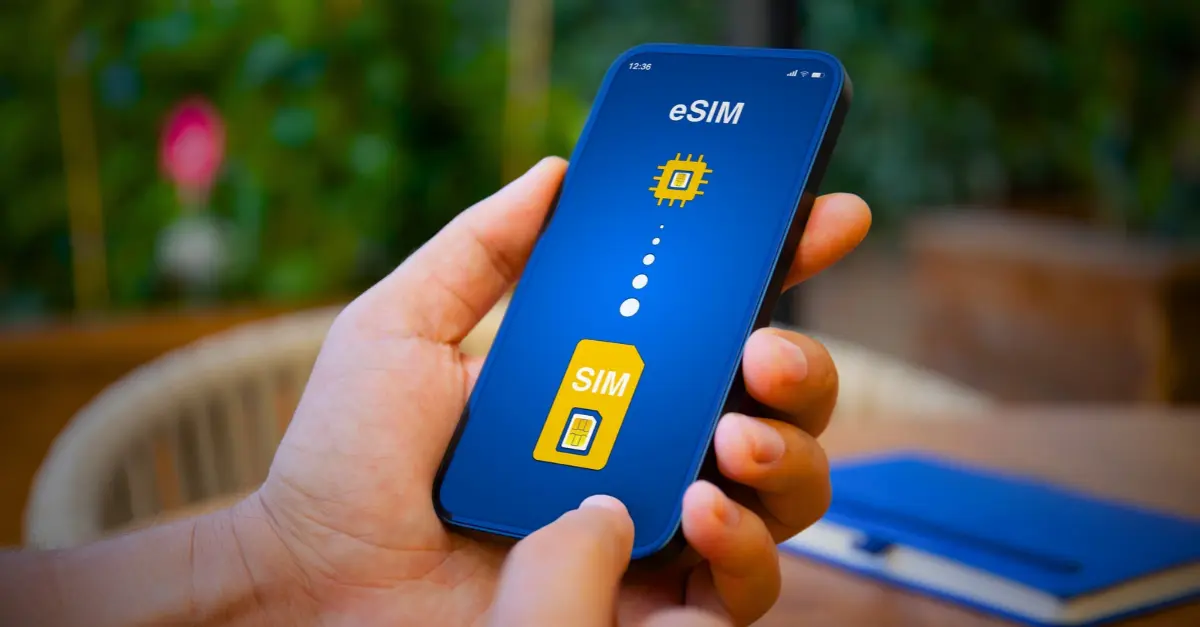
Advantages: installation before departure, no queue. Drawbacks: a much higher price per GB than a local SIM, plans that are often data-only (no local number), and coverage limited to the partner network (frequently Ncell, which performs less well at high altitude). For a remote trek, an international eSIM is handy in the city and for the first few days, but rarely the best option on its own. A local SIM (or both operators) is still preferable on the trail.
Can you get internet in mountain villages and lodges?
Yes, in the main villages on classic treks, but with some caveats. Lodges often offer paid Wi-Fi (a few hundred NPR per day or per hour, with prices rising with altitude). On the EBC trek, Everest Link (a dedicated Khumbu network with prepaid cards) is widely available as far as Gorak Shep; 10 GB cards for around 20-30 USD for 30 days are commonly cited. Quality varies: slow, congested in the evening, and sensitive to power cuts and weather. In other regions (Annapurna, Langtang), lodge Wi-Fi exists but is neither systematic nor fast. Mobile remains the main complement in the lower and middle parts of a route.

Does the network work at high altitude?
Beyond the villages and passes, the mobile network often drops out. Phone coverage (voice/basic SMS) and internet access are not the same thing: a weak signal may allow a message but no data. Base camps, passes and expedition routes are generally off the grid. Make a clear distinction between mobile and satellite solutions (inReach-type beacons, satellite phones), which work independently of local towers. These remain a backup, not a substitute for preparation.
Phone, GPS and safety precautions
Never rely solely on your phone. Before leaving:
- Download offline maps (Organic Maps, Maps.me or Gaia GPS) and the GPX files for your route.
- Save emergency numbers and your agency’s contact details.
- Bring a power bank (cold at altitude drains batteries fast) and protect your smartphone.
- Tell your family and friends when you will be without signal.
For isolated or demanding routes, a satellite beacon or satellite phone provides extra security (SOS, messages). Check local regulations and import conditions; in practice, for personal emergency use, checks are limited, but ask your agency. Also note the strict restrictions if you transit through India.
How much does internet cost in Nepal?
Local SIMs are very affordable. A SIM card plus an Ncell tourist plan of 7 to 28 days costs from a few euros to around fifteen euros. NTC packs are often even cheaper per GB. International eSIMs are more expensive. Lodge Wi-Fi or Everest Link cards add a variable budget (a few euros per day or 20-30 USD for a multi-day card on the EBC trek). Prices change, so confirm at the time of purchase. Overall, for a classic trek, mobile remains a minor expense compared with the rest of the trip.
Our advice before heading out on a trek in Nepal
- Buy and test your SIM in Kathmandu (airport or city).
- Load a plan suited to the length of your trip.
- Download offline maps and weather forecasts.
- Save important contacts and emergency numbers.
- Tell your loved ones about the areas without signal.
- Do not count on WhatsApp or mobile as a guaranteed emergency lifeline.
- Bring a power bank and cold protection for your phone.
- For isolated treks, plan on a satellite solution as a complement.
Conclusion
For a classic tourist trek (EBC, Annapurna, Langtang), go for a local SIM: Ncell for the simplicity of its tourist plans and the lower sections, NTC (or both) to maximize your chances at altitude. Buy it at the airport or in Kathmandu, test it, and get your offline files ready. For a demanding route or an expedition, combine NTC with a satellite solution, while staying aware of dead zones. An international eSIM can help out in the city but is not ideal on its own in the mountains. Coverage changes and is never guaranteed: the key is to plan for outages and not rely solely on the network.
FAQ
Which SIM is best for a trek in Nepal?
NTC is generally more reliable at altitude and in isolated areas; Ncell is handy in the city and on the lower sections thanks to its TouristPro plans. Many trekkers take both.
Can you buy a SIM at Kathmandu airport?
Yes, Ncell and NTC have counters in the arrivals hall. Original passport required.
Is an eSIM worth it?
Yes if you want to skip the queue and keep your home SIM, but it is more expensive and often limited to the Ncell network. A local SIM is still better for trekking.
Is there internet all the way to Everest Base Camp?
Not reliably. Mobile coverage generally stops before then; paid Wi-Fi (Everest Link) extends roughly as far as Gorak Shep.
How much does a tourist SIM cost?
Ncell TouristPro plans start at NPR 595 for 7 days (unlimited data and calls with fair use policy). NTC packs are often cheaper per GB. Check current prices.
Is the network guaranteed in the high mountains?
No. Coverage varies, with frequent dead zones above 4,000 m and on passes.
Do you need a satellite phone?
Recommended as a complement for isolated or demanding routes. Check import and transit rules.