
After several days in Kathmandu or on the Annapurna trails, a traveler wakes up with abdominal cramps, nausea, and watery diarrhea that confine them to bed. This all-too-frequent scenario can compromise an entire trip or trek. Traveler’s diarrhea remains one of the most common health problems in destinations where sanitary conditions and hygiene practices differ from those visitors are accustomed to.
The familiar expression “Delhi Belly” simply refers to these digestive disorders encountered in South Asia; it does not designate a specific disease, but rather a daily reality for many trekkers and tourists in Nepal.
Why can water be dangerous in Nepal?
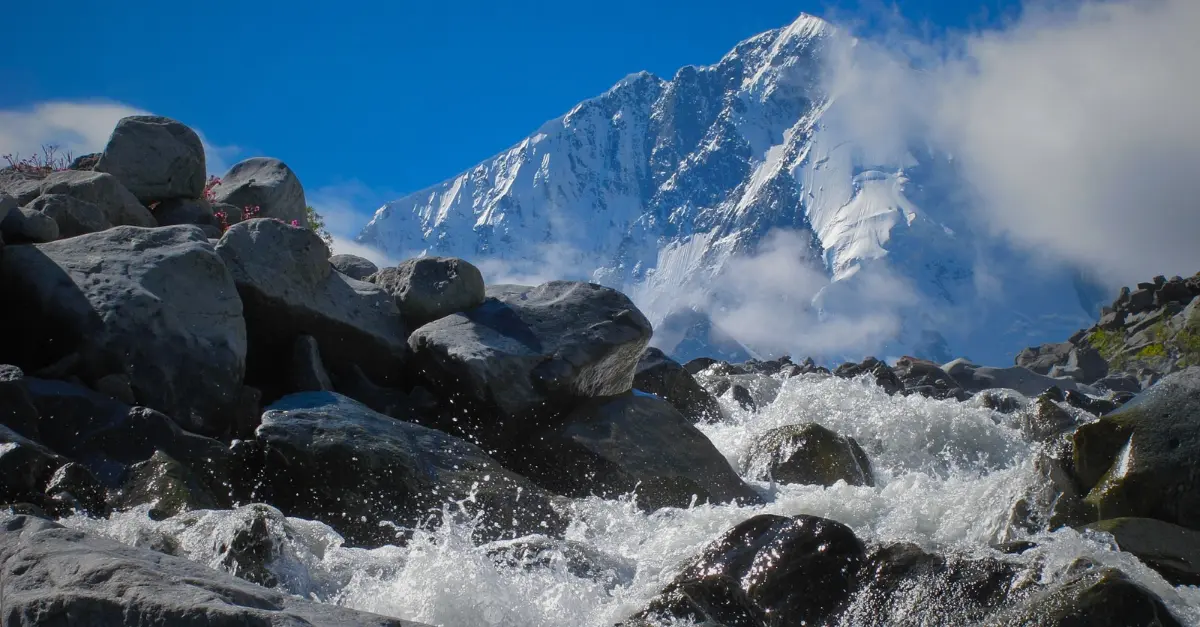
In Nepal, water can contain pathogenic bacteria such as E. coli, Salmonella, Shigella, or Campylobacter, intestinal parasites such as Giardia and Cryptosporidium, and sometimes viruses. These agents most often originate from fecal contamination. Urban distribution networks, reservoirs, and storage conditions in lodges or homes promote secondary contamination, even when the initial spring water is better. In the mountains, rivers, streams, and water sources can also be polluted by animals or human activities upstream.
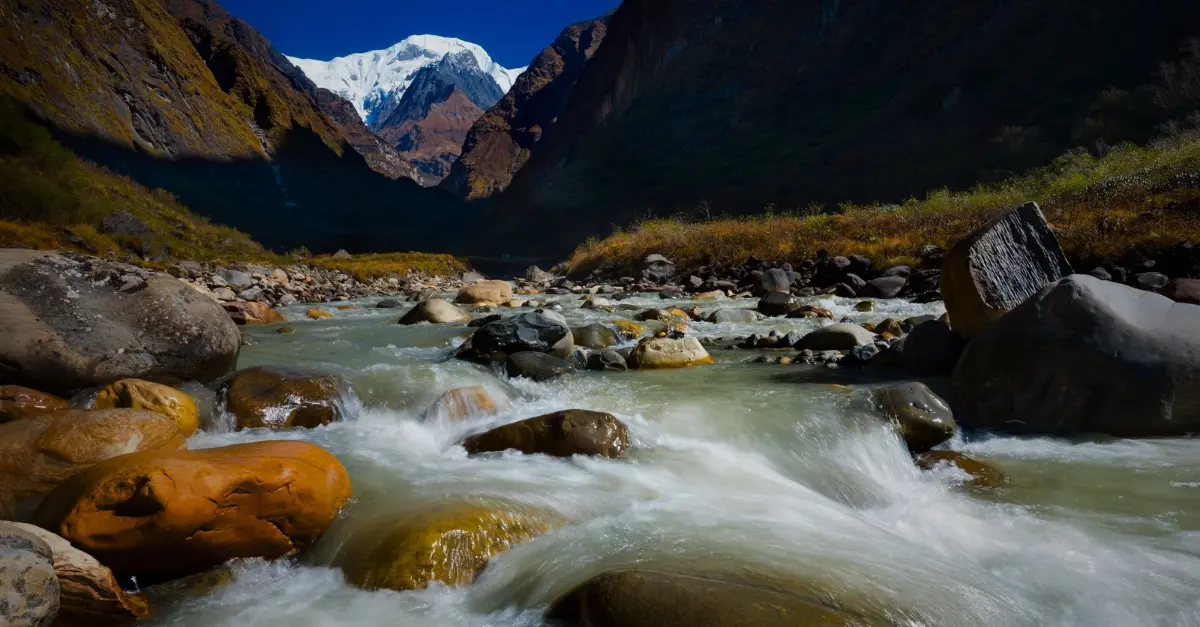
Perfectly clear water, without any suspicious odor or taste, can nonetheless be contaminated: visual appearance guarantees nothing. Health authorities, including the CDC, consider tap water in Nepal unsafe for direct consumption.
Sealed bottled water is a more reliable option in cities, provided you check the integrity of the cap and choose recognized suppliers. At altitude, natural spring water should never be considered potable without appropriate treatment. No water should be presented as safe without a guarantee of treatment or control.
The famous “Delhi Belly”: symptoms and causes
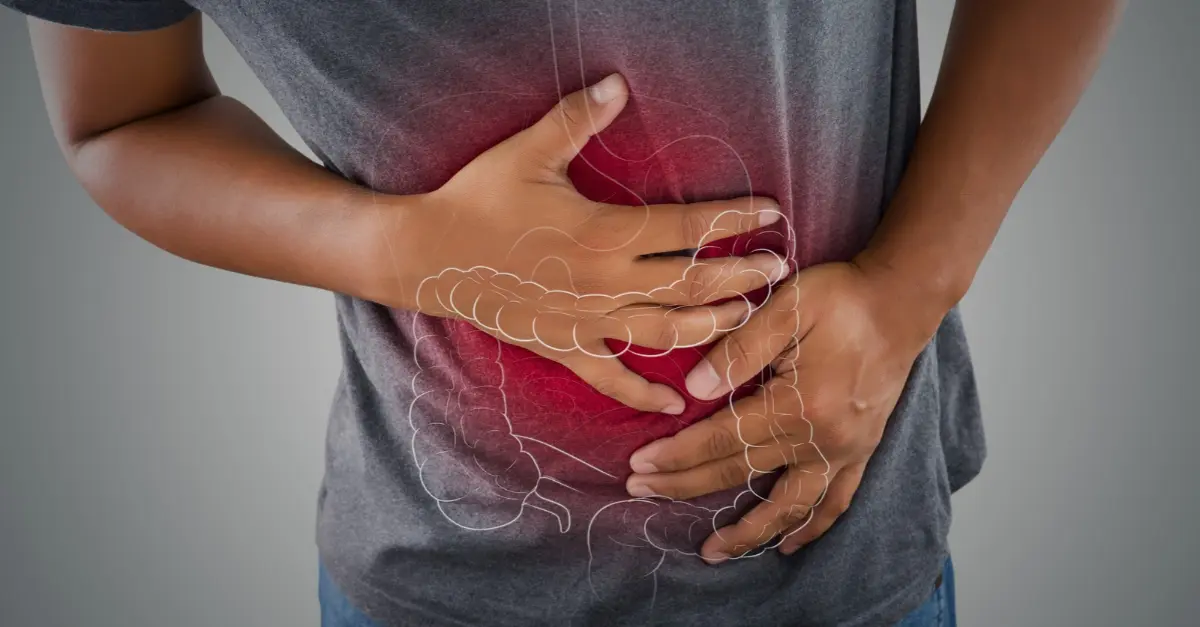
This expression covers infectious digestive disorders that travelers contract by ingesting pathogens present in water or food. The most common symptoms include watery diarrhea, abdominal cramps, bloating, nausea or vomiting, sometimes fever, as well as fatigue and a risk of dehydration. They can appear a few hours or several days after exposure, depending on the causative agent.
Not all traveler’s diarrhea comes exclusively from water. Contaminated food, unwashed hands, poorly cleaned utensils, or vegetables washed with untreated water play a major role. In Nepal, specialized clinics like CIWEC in Kathmandu observe that bacteria remain the main cause in the majority of cases among travelers, even though parasites and viruses also play a part.
Bottled water, filtered water, or boiled water: which solution to choose?
Several methods make water safer, each with its advantages and limitations.
Sealed bottled water remains practical in cities and well-supplied lodges. You must check the seal and ensure the cap is intact, and favor brands from reliable distribution channels. However, this option generates significant plastic waste on Himalayan trails, which is driving more and more trekkers toward alternatives.
Boiling is one of the most effective methods against microbiological pathogens (bacteria, viruses, and parasites). CDC recommendations advise bringing water to a rolling boil for one minute, and three minutes above approximately 2,000 meters (6,500 feet).
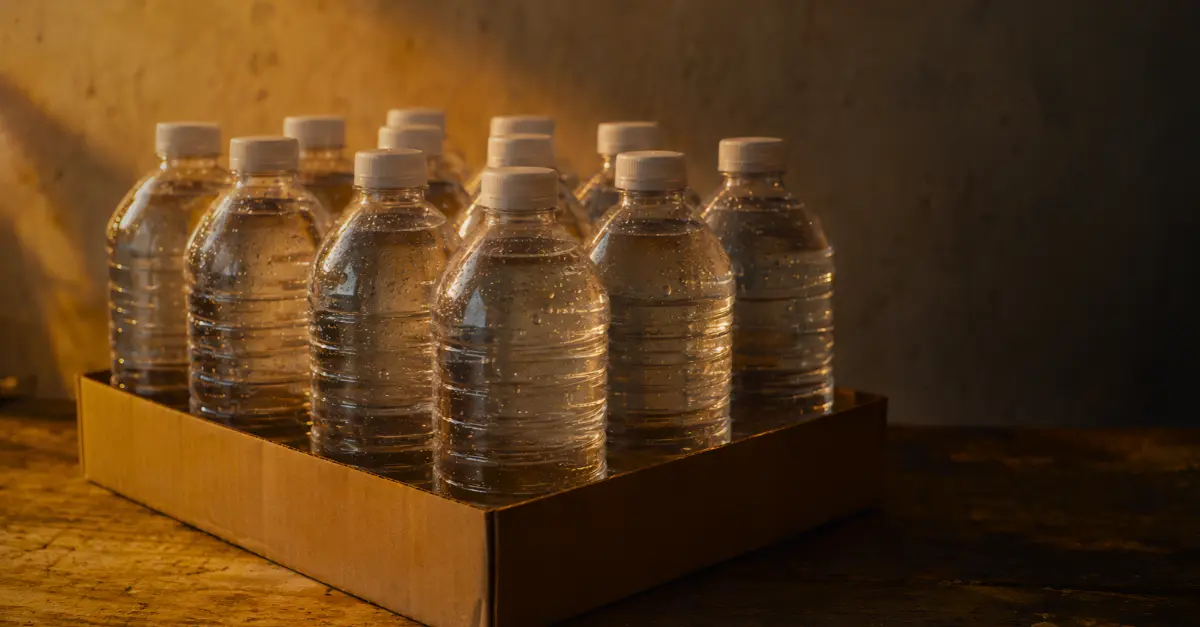
At altitude, the boiling point drops (around 83 °C at 4,900 m), but the temperature remains largely sufficient to inactivate intestinal pathogens. You must let the water cool before drinking it and avoid adding ice cubes of unknown origin. Fuel can be scarce in high mountains, which sometimes limits this option.
Portable filters used by hikers generally retain bacteria and parasites when their absolute pore size is fine enough (often ≤ 0.3 micron for bacteria and ≤ 1 micron for cysts). However, a conventional filter does not necessarily eliminate viruses or chemical contaminants. Ultrafiltration systems or certified purifiers offer broader coverage. It is best to filter cloudy water before any other treatment.
Chlorine- or chlorine dioxide-based purification tablets are lightweight and practical. Chlorine and iodine are effective against bacteria and viruses, but less reliable against Cryptosporidium. Chlorine dioxide offers better efficacy against parasites, provided contact times are respected (longer in cold water). A filter + chemical treatment combination enhances safety.
The choice depends on the duration of stay and the type of trek: tablets and filter for an Annapurna or Langtang circuit, boiling or a more robust system for prolonged stays at high altitude, and bottled water as a supplement in cities.
Mistakes absolutely not to make while trekking
On the trails of Everest, Annapurna, Langtang, or Manaslu, certain mistakes recur regularly. Never drink directly from a river or stream without appropriate treatment. Do not assume that water served in a lodge is systematically potable: ask how it was treated (boiled, filtered, etc.). Use a clean, regularly maintained water bottle reserved for treated water. Avoid ice cubes where the origin of the water is unknown. Wash your hands with soap and water before meals; in the absence of water and soap, an alcohol-based hand sanitizer (ideally at least 60% alcohol) constitutes an effective alternative.
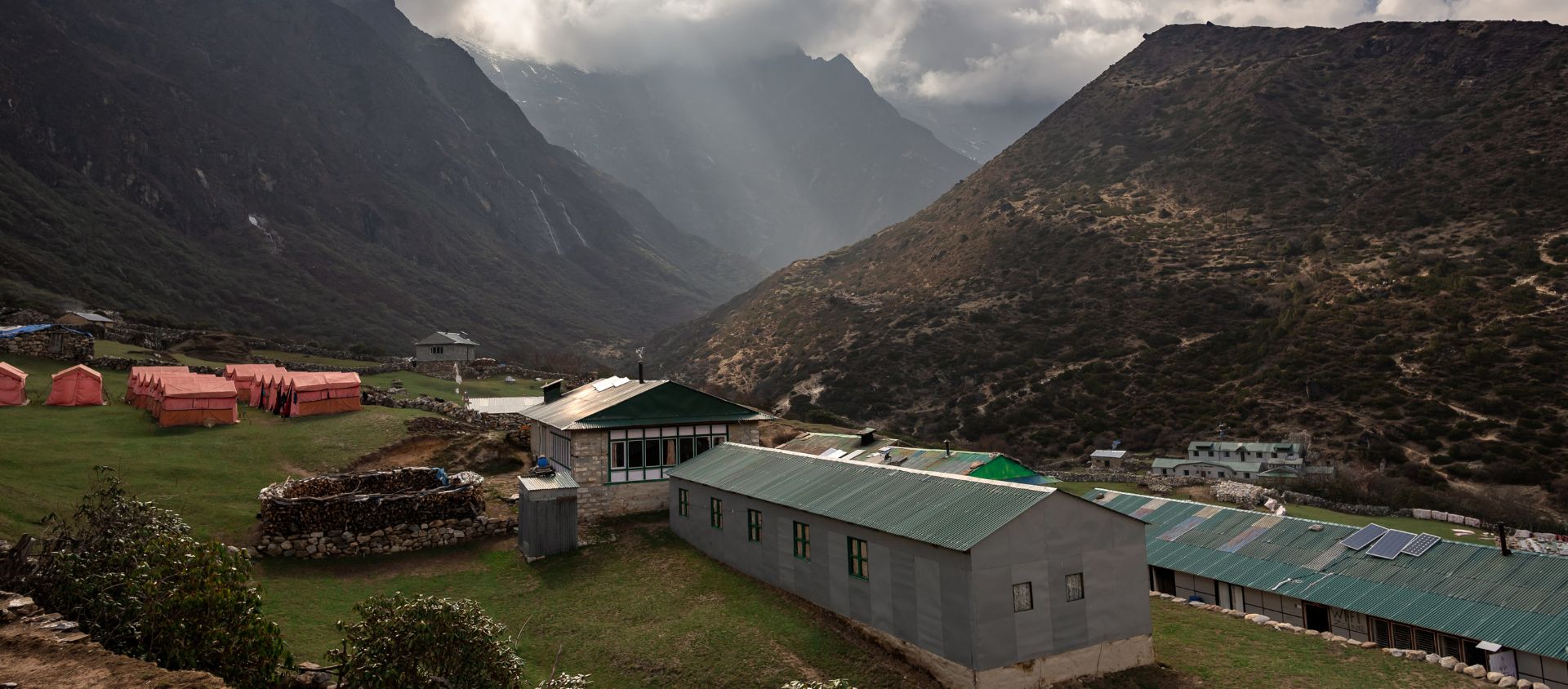
Practices vary from one lodge to another depending on regions and seasons. In the most frequented areas, many offer boiled water for a fee; elsewhere, vigilance remains necessary. Anticipating treated water needs is essential, especially at high altitude where dehydration quickly worsens the effects of diarrhea.
Also beware of food: other digestive traps
Water is not the only risk factor. Raw vegetables and salads washed with untreated water, pre-peeled or sliced fruits, undercooked foods, dairy products with uncertain storage conditions, and buffets exposed for long periods at room temperature represent classic traps. Meals prepared under insufficient hygienic conditions are as well.
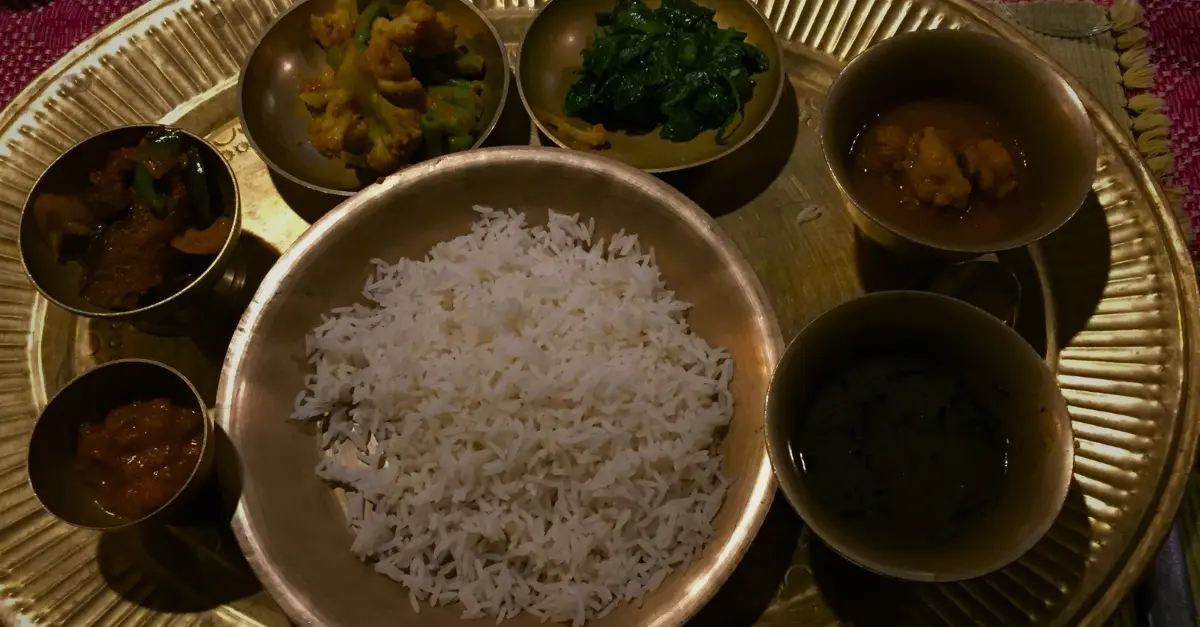
Nepalese cuisine is not intrinsically dangerous. A dal bhat, momos, or soup served piping hot and freshly prepared are often safe options. Favoring well-cooked and hot foods, choosing busy establishments with fast turnover, and peeling fruit yourself after washing your hands help reduce risks without giving up the pleasure of eating. Recommendations from French authorities and the Pasteur Institute point in the same direction: avoid raw vegetables, reheated dishes, and cold buffets when hygiene is not guaranteed.
What to do in case of diarrhea during a trip to Nepal?
The absolute priority is rehydration, which is particularly important at altitude and in case of repeated diarrhea. Oral rehydration solutions (ORS) help compensate for water and electrolyte losses. Drinking small amounts of treated water, light tea, or broth frequently helps prevent dehydration. During recovery, favor easily tolerated foods (rice, bananas, well-cooked foods) and rest.
Anti-diarrheal medications are not suitable for all situations. Loperamide in particular should be avoided in case of bloody diarrhea or high fever without medical advice, as it can retain pathogens. Warning signs requiring a prompt medical consultation include the presence of blood in the stools, high fever, vomiting preventing drinking, signs of dehydration (scarce and dark urine, dizziness, dry mouth), significant abdominal pain, or worsening of general condition. In remote regions, access to care is limited: you must anticipate and not wait for worsening before asking for help (descent, evacuation, or contacting a clinic).
The ideal medical kit before leaving for Nepal
An appropriate kit includes purification tablets adapted to altitude and temperature conditions, a portable water filter depending on the itinerary (verifying what it actually retains), an alcohol-based hand sanitizer, biodegradable soap used far from water sources, oral rehydration salts, prescribed personal medications, and a small first aid kit. Any potential drug treatments (including for self-medication) should be discussed with a healthcare professional or a travel medicine specialist before departure, taking into account the resistances observed in the region.
A few simple precautions—properly treating your water, adopting rigorous food hygiene, and knowing how to recognize the first signs of dehydration—can prevent traveler’s diarrhea from turning a trek in the Himalayas into a bad experience. Nepal remains an exceptional destination for travelers and trekking enthusiasts, provided these fundamental sanitary rules are respected.