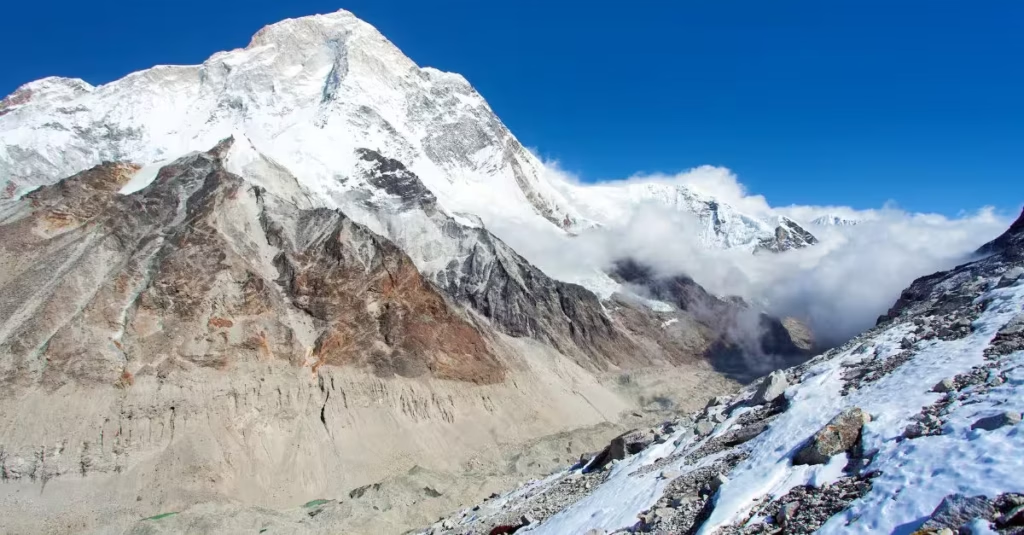
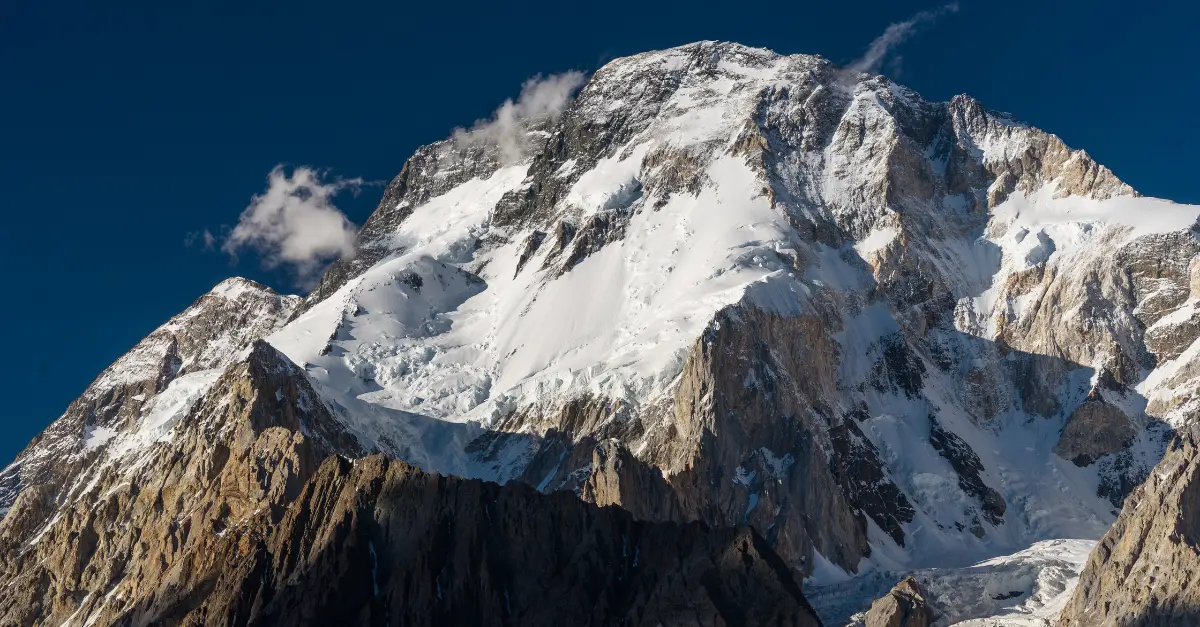
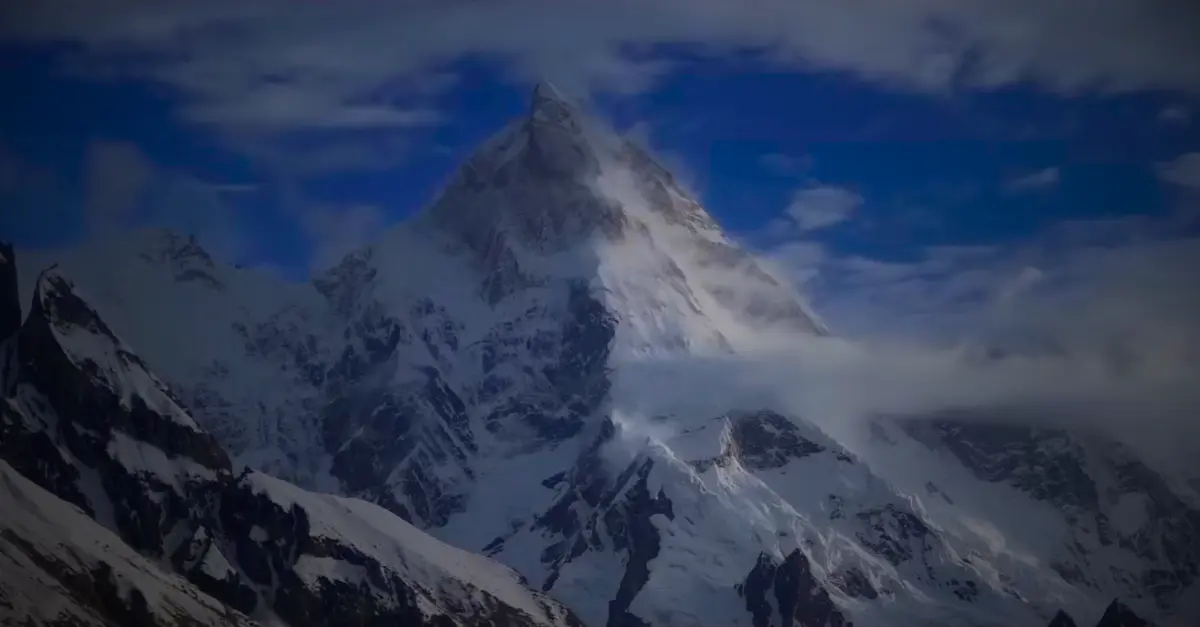
The Himalayas, a legendary mountain range, are often associated with names that resonate like myths: Everest, Annapurna, K2. Yet there exists an overlooked giant, little explored but just as impressive: Kangchenjunga. This summit, the third highest in the world at 8,586 metres above sea level, stands proudly on the border between Nepal and India, defying anyone who ventures to its foot. Unlike Everest, which has become almost a tourist destination, Kangchenjunga remains wild, inhospitable and, for many trekkers, a true sanctuary of still-preserved nature.
Kangchenjunga was long considered the highest peak in the world, until Everest took that title in 1852 thanks to geodetic surveys. Yet this did nothing to diminish its prestige. This summit holds a sacred place for local populations, particularly the Sikkimese and the Limbu of Nepal, who regard it as the incarnation of the divine. In Sikkimese culture, it is said that the five peaks of Kangchenjunga represent the hidden treasures of the earth: gold, silver, grain, sacred books and weapons. This mystical dimension gives the trek a particular significance, far beyond a simple physical adventure.
It was not until 1955 that the British expedition led by Joe Brown and George Band managed to reach the summit. Notably, out of respect for local beliefs, they did not set foot on the final metres, leaving the summit untouched — a symbolic gesture that still resonates today.
Why choose the Kangchenjunga trek?
When talking about trekking in the Himalayas, names like Everest Base Camp or the Annapurna Circuit often come up. The Kangchenjunga trek, however, is far less frequented. But why turn to this itinerary? The reasons are numerous and deeply captivating.
First and foremost, the wild nature and isolation of the route. Unlike other more popular treks, the trails leading to Kangchenjunga are not overrun by hordes of trekkers. Silence and solitude await, allowing for total immersion in a still-preserved landscape. The dense forests, imposing glaciers and isolated villages offer a striking contrast with the bustle of other circuits. You get the feeling of returning to a time when the Himalayas were still an unexplored territory, a natural sanctuary, sheltered from modernity.
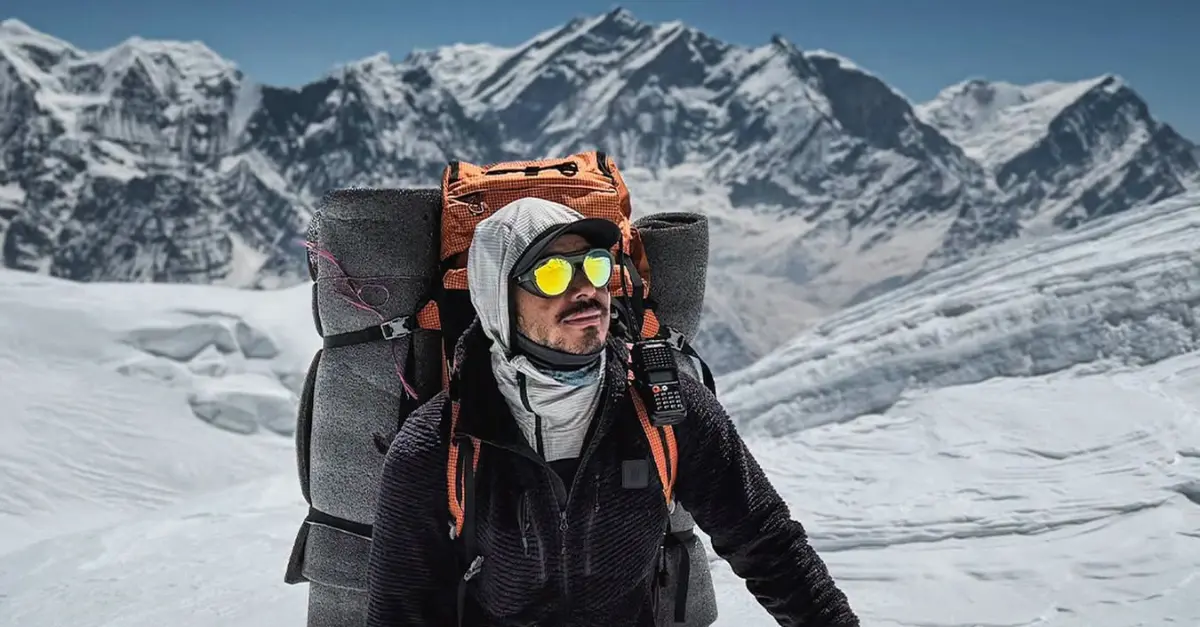
The Kangchenjunga trek is also one of the longest and most demanding. On average, it takes 20 to 25 days to complete the full route, through varied terrain, steep passages and altitudes approaching 5,000 metres. This is not a trek for beginners, but rather for experienced trekkers in search of a challenge commensurate with their skills. This length and difficulty also contribute to the scarcity of visitors, making this trek a more intimate and authentic experience
The diversity of Kangchenjunga’s landscapes
The Kangchenjunga trek is a journey through ecosystems as varied as they are grandiose. Starting from the low subtropical valleys, you will gradually ascend through forests of rhododendrons and pines, before entering alpine and glacial zones — true wastelands where vegetation struggles to survive.
The first stages of the trek pass through dense forests harbouring incredible biodiversity. Rare bird species, multicoloured butterflies, and even occasional traces of the snow leopard can be spotted. As you climb higher, the landscapes transform: the trees become sparse, alpine meadows appear, then give way to rocky moraines and glistening glaciers.
The highlight is undoubtedly the arrival at the base of Kangchenjunga, from where you can admire the Yalung Glacier and the southern face of the massif — a breathtaking panorama that leaves you speechless. Here, the vastness of the landscape and the proximity to the third highest peak in the world inspire a feeling of humility and respect in the face of nature’s power.
A unique cultural immersion
In addition to the spectacular scenery, the Kangchenjunga trek offers a deep cultural immersion. The isolated villages encountered along the way are inhabited by communities that have preserved their ancestral traditions, often far from the influence of mass tourism.
The Limbu, in particular, make up one of the main ethnic groups living in this region. Their homes are often perched on hillsides, surrounded by terraced fields where millet and maize grow. Their traditional dances and songs, their colourful festivals and their hospitality make every stop in these villages an unforgettable experience.
Another distinctive feature of this trek lies in the influence of Tibetan Buddhism, very present in this part of Nepal. Gompas (monasteries) and chortens (stupas) line the route, creating a spiritual atmosphere throughout the trek. Colourful prayer flags fluttering in the wind at the tops of hills, and mantras carved into stone, are constant reminders that this territory is also a place of meditation and contemplation.
The challenges of the trek
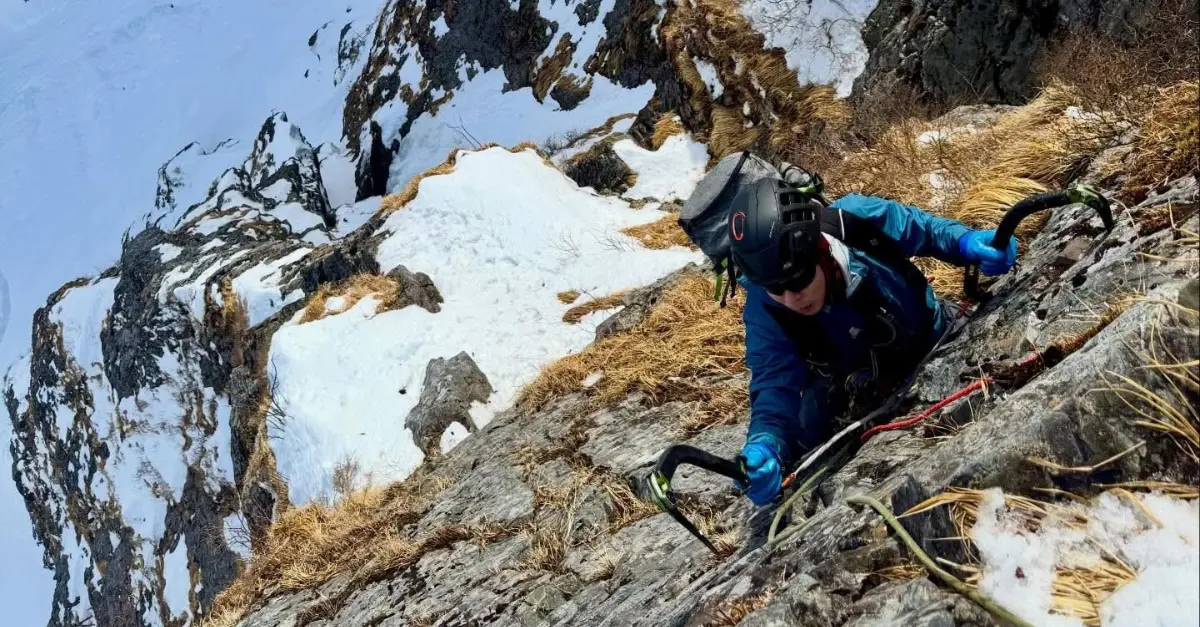
Trekking to Kangchenjunga is no small feat. It is not only the distance that poses a challenge, but also the changeable weather conditions and high altitude. Crossing passes above 4,500 metres, nights spent in rudimentary lodges and sometimes unpredictable weather make this trek a true test of endurance, both physical and mental.
Acclimatisation to altitude is one of the main concerns for trekkers. Every year, adventurers underestimate the effects of acute mountain sickness, a potentially dangerous condition that can affect even the most seasoned trekkers. It is therefore crucial to take the time to acclimatise properly by taking regular breaks, drinking plenty of water and listening to one’s body.
The Kangchenjunga trek also does not offer the same infrastructure as more popular ones such as Everest Base Camp. Lodges are often simple, without electricity or heating, and hygiene conditions can be rudimentary. You must therefore be prepared for more spartan living conditions — but that is also part of the adventure and charm of this unique trek.
Preserving the authenticity and nature of Kangchenjunga
Kangchenjunga, due to its isolation and difficulty of access, has so far escaped over-tourism. However, as with many regions of the world, the threat of mass tourism looms. It is therefore essential that trekkers adopt a responsible and respectful approach towards the environment and local cultures.
Nepal has put measures in place to protect this region. Kangchenjunga National Park, inscribed on the UNESCO World Heritage List, plays a crucial role in preserving the unique flora and fauna of this area. Trekkers are invited to follow strict rules to minimise their environmental impact, including leaving no trace behind and using local guides to support the local economy.
Furthermore, many community initiatives have emerged to raise awareness among local populations about the importance of conserving their natural and cultural heritage. Reforestation projects, sustainable resource management and the promotion of ecotourism are underway to ensure that future generations can still enjoy the wild beauty of Kangchenjunga.
To conclude…
The Kangchenjunga trek is far more than a simple high-mountain adventure. It is a true immersion into a world that is both natural and spiritual, where every step brings you a little closer to ancestral traditions and the spectacular landscapes that define this region. The physical challenges are many, but the rewards are equally so: breathtaking panoramas, authentic encounters with local communities, and a unique sense of achievement.
For those seeking a trek off the beaten track, far from the crowds and at the heart of wild nature, Kangchenjunga offers an unparalleled experience. This forgotten Himalayan summit is an invitation to reconnect with nature, to push one’s limits and to discover another facet of this mythical massif.
Every trek to Kangchenjunga is a tribute to the raw and untamed beauty of the Himalayas — a reminder that, despite modernity, some parts of the world remain wild and sacred lands.
Hello, my name is Karim Akachar. A passionate mountaineer and Himalayan climber, and founder of the media platform Outwild, I practice mountaineering either solo or with a partner, primarily in alpine style. Through my expeditions, I share field reports, technical advice, and my mountain experience, with the aim of promoting the values of self-reliance, commitment, and respect for the alpine environment.