
KEY TAKEAWAYS
- The concept & the promise: Kathmandu packs some of South Asia’s most fascinating museums into just a few square kilometers. If you only have a day or two in the city before a trek or a return flight, this guide will help you quickly spot the must-sees, without wasting time.
- The details & features: We cover five very different museums here — a royal palace, contemporary art, vernacular architecture, Buddhist heritage and national history — each with up-to-date opening hours, prices and practical tips for 2026.
- The added value: I’ve walked through the Kathmandu Valley myself between expeditions in the Himalaya. This isn’t a generic tourist list: it’s a real filter from a demanding traveler who knows that time in the city is precious when the mountains are waiting.
Top 5 museums you shouldn’t miss in Kathmandu
Kathmandu’s museums are unlike anything you’d find in Europe. Here, a royal palace was turned into a museum just a few years after a night of massacre wiped out the entire royal family. Elsewhere, an artists’ hostel built in the 1970s has become one of the city’s sharpest cultural addresses. Kathmandu is a city that recycles its history with disconcerting efficiency.
I’ll admit that on my first trip to the Nepali capital, I gave museums only the leftover scraps of time — a few stolen hours between landing at Tribhuvan Airport and heading off toward base camp. A mistake I’ve since corrected. The Kathmandu Valley deserves at least two full days of cultural exploration, and these five spots form the perfect backbone for that.
Passing through Nepal? Discover Kathmandu’s treasures in a day or extend the adventure over several days among temples, royal palaces and Himalayan culture. Book your private tour and explore the Kathmandu Valley with passionate local guides.
The Narayanhiti Palace Museum, history at its rawest
There’s something dizzying about walking through the halls of a palace where, just two decades ago, Nepal’s royal family was still living. Located on Durbar Marg in the heart of Kathmandu, the palace was built in 1963 by King Mahendra and converted into a museum in 2008, right after the monarchy was abolished.
The complex has 52 rooms, each named after one of Nepal’s 75 districts — every room carries the mark of royal grandeur. You’ll find official portraits, court costumes, state tableware and diplomatic gifts from governments around the world. It’s not a spectacular museum in the curatorial sense — the explanatory panels remain limited — but the atmosphere is one of a kind.
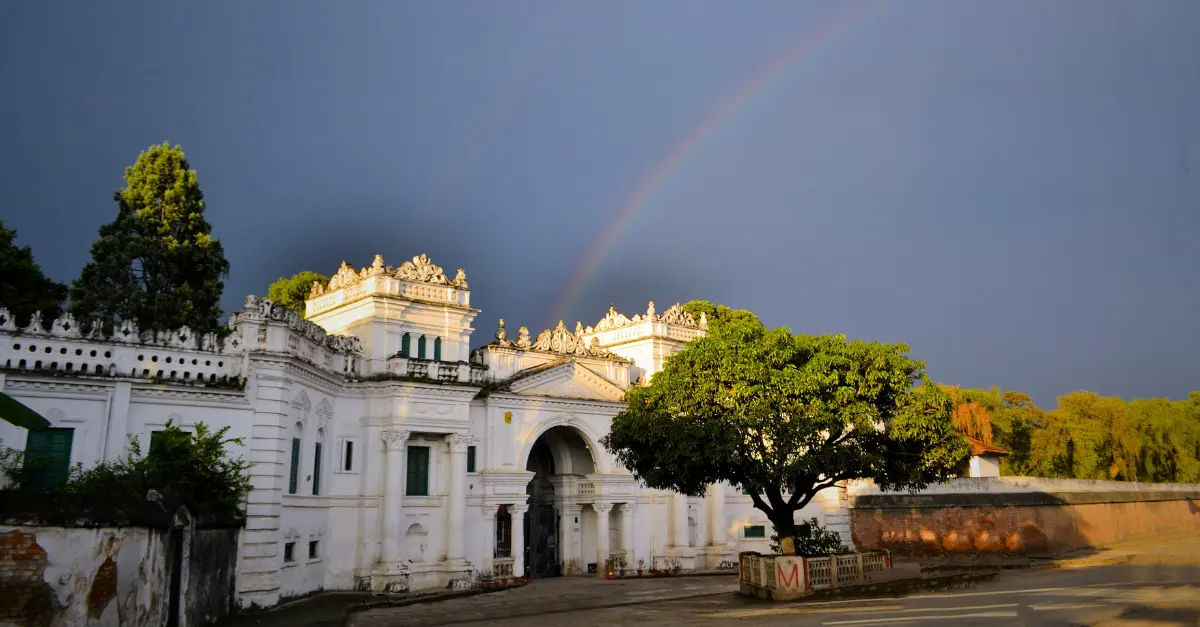
What makes the visit particularly striking is the context. In 2001, it was within these walls that Prince Dipendra killed ten members of his own family before turning the gun on himself. The palace today serves as a window into Nepal’s recent history, including the dramatic events of 2001 and the political transformation that followed.
Practical info: open Thursday to Monday, 11am to 3pm, closed Tuesday and Wednesday. Expect around 500 Nepali rupees for foreigners (about €3.50). Allow half a day.
The National Museum of Nepal, the essential reference
Founded in 1928, the National Museum is the largest museum in Nepal and a key reference point for anyone interested in the region’s archaeology and history. It sits not far from the Swayambhunath stupa — making it easy to combine both visits in the same morning.
The stone, wood and metal sculpture collections are remarkably rich, as are the paintings and the numismatic collection, even though the latter remains underdeveloped. There’s also a rather odd taxidermy section, royal weapons and official portraits of the various kings. The result is uneven, sometimes dated in its presentation, but the raw material is genuinely there.
The museum is divided into several thematic wings: art, natural history, military history. I’d recommend spending most of your time in the art wing, which holds the most impressive pieces. Stone sculptures dating from the 7th and 8th centuries sit alongside finely worked bronzes that showcase the skill of Newar craftsmen.
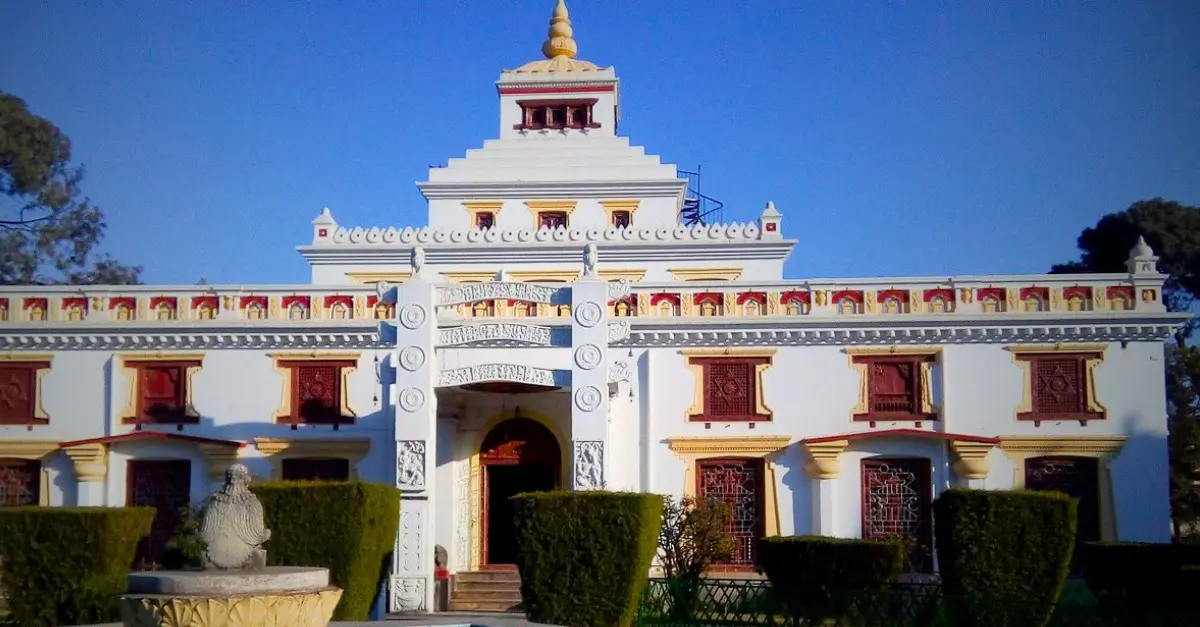
My personal take: this is the kind of place where you lose two hours without noticing. The presentation lacks the polish of European museums, but that paradoxically makes the visit feel more authentic.
Practical info: open every day except Tuesday. Foreigner entry fee: around 150 rupees. Easy to combine with Swayambhunath stupa, a 10-minute walk away.
The Taragaon Museum, the city’s most unexpected address
This is probably the museum that surprised me the most in Kathmandu, and likely the least known among passing travelers.
A short walk from the Boudhanath stupa, within the grounds of the Hyatt Regency Kathmandu, the Taragaon Museum documents fifty years of research and cultural heritage conservation efforts by foreign artists, photographers, architects and anthropologists in the Kathmandu Valley. A mission that’s both precise and ambitious.
The building itself is an architectural curiosity: designed in 1972 by Austrian architect Carl Pruscha, it was originally a hostel for visiting artists and scientists studying Nepal. The original idea was to create a sort of cultural village, a residence for those documenting the valley before modernization erased it. Construction began in 1974 and the complex was inaugurated on September 25 of that same year, in the presence of Queen Aishwarya.
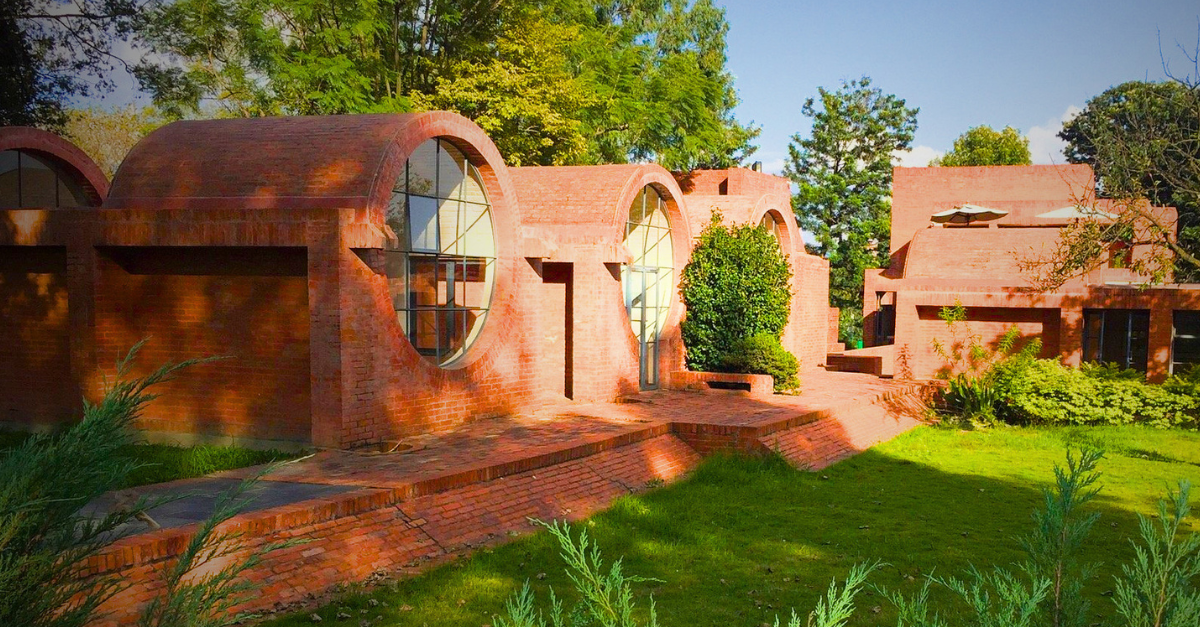
The architecture blends traditional Nepali influences with European modernism in a very organic way. Red brick, interior courtyards, filtered natural light — it all creates an atmosphere that invites you to slow down and observe. The exhibitions are regularly refreshed, mixing contemporary art, photography and multimedia installations.
Highlights:
- A one-of-a-kind architectural setting in the city
- High-quality temporary exhibitions
- A gift shop offering rare publications on Nepali heritage
- A pleasant café to take a break between visits
- An ideal location — easy to pair with the Boudhanath stupa right next door
Entry costs 100 rupees for foreigners (50 rupees for Nepali students), open every day from 10am to 5:30pm.
The Patan Museum, the country’s most beautiful in my view
I’m including the Patan Museum on this list even though it’s technically in Lalitpur (old Patan), about a twenty-minute rickshaw ride from central Kathmandu. Leaving it out would be a mistake: it’s arguably the most beautiful museum in the country, entirely devoted to religious art.
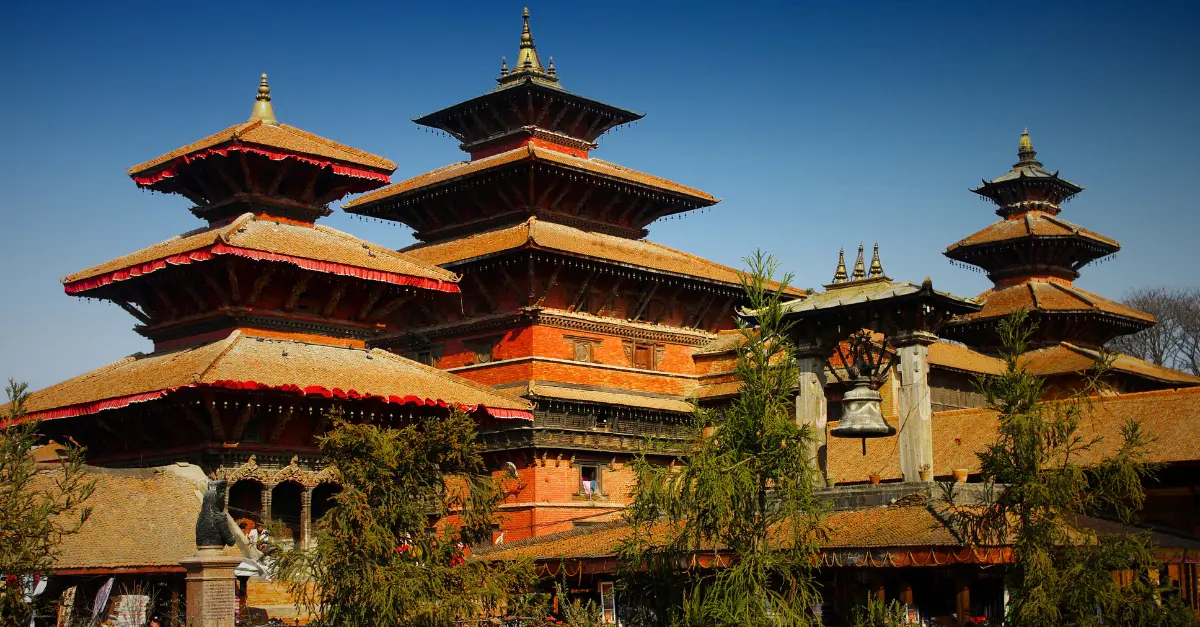
Housed in the former royal palace on Patan’s Durbar Square — a 17th-century Newar building — the museum presents one of the most important collections of Buddhist and Hindu art in Asia. The bronzes, thangkas, and wood and stone sculptures are displayed in an exceptional setting, with a level of curatorial care sorely lacking in most other institutions in the region.
What struck me most on my last visit was the quality of the contextual explanations. They don’t just show objects: they explain their ritual use, their symbolism, their place within Hindu or Buddhist cosmology. Whether you’re a newcomer or a connoisseur, it’s genuinely rewarding.
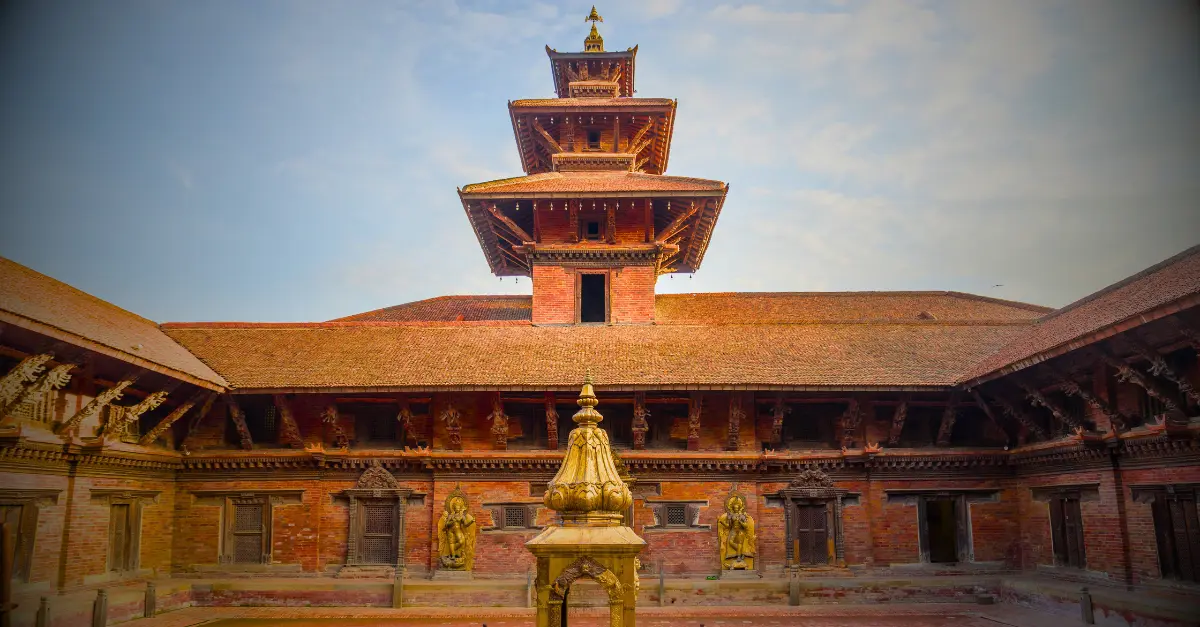
Visiting the Patan Museum alongside an exploration of Patan’s Durbar Square helps you understand the historical context of the surrounding temples and courtyards. It makes for a coherent half-day circuit, easy to organize from Kathmandu.
Practical info: open every day except Tuesday. Foreigner entry fee around 1000 rupees. Allow at least two hours.
The Hanuman Dhoka Palace Museum, the memory of dynasties
To round off this top 5, a stop at Hanuman Dhoka is a must — the historic palace overlooking Kathmandu’s Durbar Square.
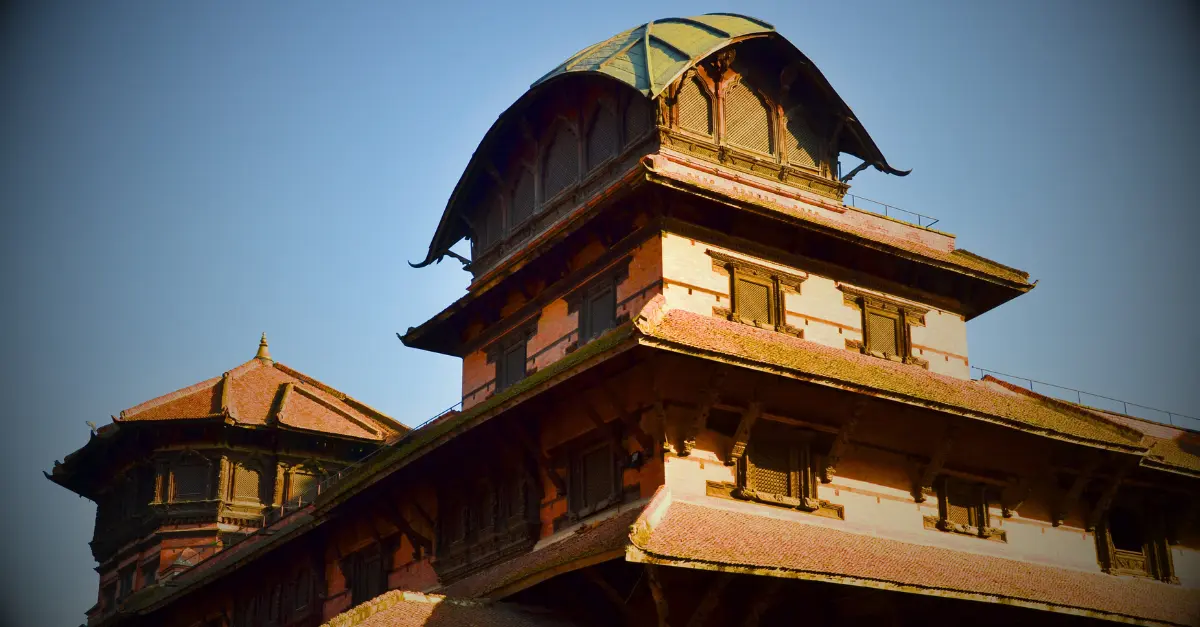
For many decades, the Hanuman Dhoka palace served as the residence of the Shah monarchs. Its carved wooden architecture, construction of which began in the mid-17th century, has fascinated travelers from around the world. The complex now houses collections of royal clothing, weapons, costumes and artifacts illustrating centuries of Nepali royal history.
Kathmandu’s Durbar Square, although damaged in the 2015 earthquake, remains one of the largest concentrations of well-preserved historic buildings in the world — an open-air museum in its own right. The palace visit fits naturally into this broader exploration of the square.
The Basantapur Tower, offering a panoramic view over the rooftops of the old town, is also worth the detour — and the climb.
Practical info: included in the Durbar Square ticket for foreigners (around 1000 rupees). Open every day. Best visited early in the morning, before the crowds arrive.
My experience and practical advice
In 2026, Kathmandu remains a city that’s as confusing as it is captivating. Air pollution is real — a good-quality mask isn’t a luxury, even for those without particular sensitivities. Traffic is chaotic, and distances that look short on a map take far longer in reality.
My approach on every trip: I always dedicate the first day to culture — museums, Durbar squares, stupas — and keep the second for trek logistics (permits, gear, light acclimatization). On a well-planned day, you can fit in Narayanhiti in the morning, then the Taragaon Museum and Boudhanath stupa in the early afternoon, finishing with dinner in Thamel. It’s a packed day, but doable.
For the Patan Museum and Hanuman Dhoka, I save those for a second day. These are visits worth taking your time with, without rushing.
One thing I stand by without reservation: don’t overlook Kathmandu’s museum scene just because the mountains are calling. These collections tell the story of a country with a rare civilizational richness, and even a basic understanding of them transforms the trekking experience that follows.
FAQ — Your common questions answered
What’s the best time to visit Kathmandu’s museums?
Mornings, between 9am and noon, are ideal — fewer crowds, nicer light, and you’ll have the afternoon free for outdoor sites. Avoid Tuesdays for most museums, as that’s the usual closing day in Nepal.
Should I hire a guide on site?
For the Patan Museum and Narayanhiti, I’d recommend an audio guide or local guide: the collections are dense, and the English signage isn’t always sufficient. The Taragaon Museum, on the other hand, is very easy to explore on your own.
Can you visit several museums in one day?
Yes, if you plan around location. Narayanhiti is central. Taragaon pairs naturally with the Boudhanath stupa. The Patan Museum fits into a half-day in Lalitpur. Hanuman Dhoka is included in the Durbar Square visit. Avoid trying to cram everything into a single day — museum fatigue is real.
Are these museums suitable for children?
Most of them, yes, though the Narayanhiti Palace may require a bit of context for kids regarding the 2001 events. The Patan Museum and its ritual objects often fascinate curious children.