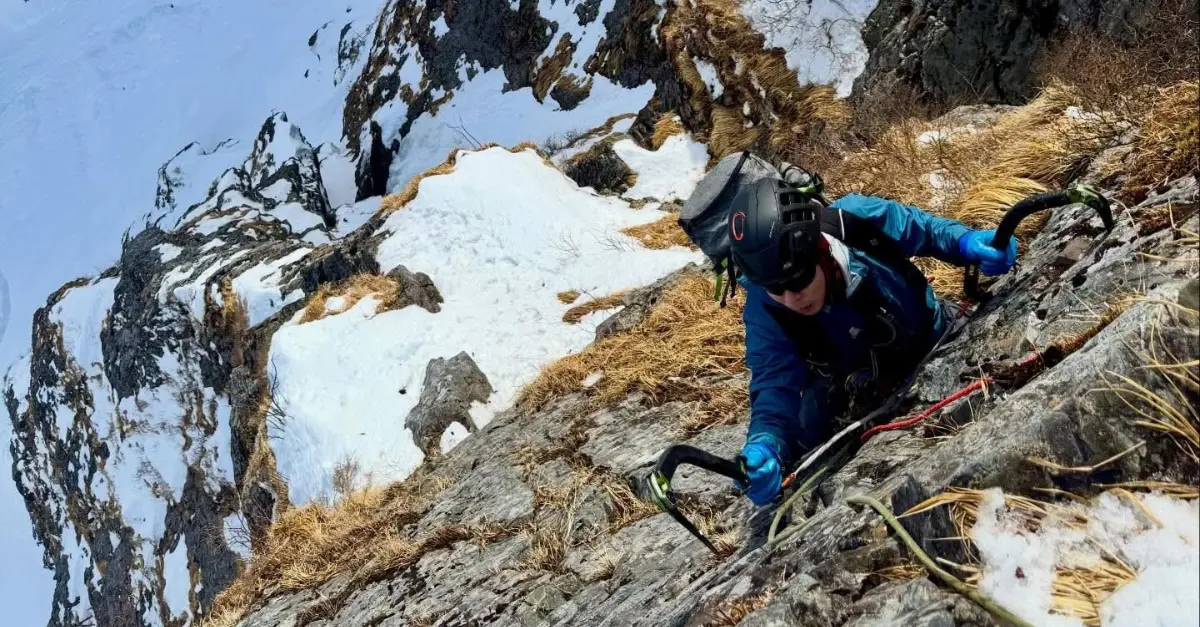


Tunisia, often associated with its golden beaches and iconic archaeological sites, hides a well-kept secret: its majestic mountains that offer breathtaking panoramas. Contrary to popular belief, this small Maghreb country harbors true treasures for hiking and climbing enthusiasts. From the Tell Atlas ranges to the peaks of Kroumirie, passing through the heights of Zaghouan, Tunisia’s topographic diversity surprises and captivates visitors in search of vertical adventure. These reliefs, shaped by millions of years of erosion and tectonic movements, now constitute an exceptional playground for all those who wish to discover Tunisia from a different angle, far from the beaten paths of traditional seaside tourism.
Exploring the Tunisian summits reveals a fascinating geological richness, where Jurassic limestones, Triassic sandstones, and varied sedimentary formations intermingle. This geological diversity translates into a remarkable variety of landscapes: steep cliffs, rolling plateaus, narrow valleys, and jagged ridges offer as many challenges and visual rewards to hikers. The endemic flora of these mountainous regions adds an exciting botanical dimension to these getaways, with species adapted to the particular climatic conditions of the Mediterranean altitude. Cork oaks, Aleppo pines, junipers, and a multitude of aromatic species carpet the hillsides, creating a unique ecosystem at the heart of the Mediterranean basin.
Djebel Chambi
Peaking at 1,544 meters above sea level, Djebel Chambi represents the highest point in Tunisia and is undoubtedly one of the country’s most iconic summits. Located in the governorate of Kasserine, near the Algerian border, this mountain massif offers a unique climbing experience that combines physical challenge and cultural discovery. The Chambi National Park area, created in 1980, protects an exceptional ecosystem where century-old Aleppo pines, majestic holm oaks, and diverse wildlife including wild boars, golden jackals, and numerous species of birds of prey coexist. The approach to the summit is generally made via several routes, the most popular of which begins from the village of Haïdra, an ancient Roman city with fascinating ruins.

The ascent of Djebel Chambi is a true adventure that requires careful preparation and good physical condition. The main trail winds through dense forests before opening onto more exposed rocky slopes, offering progressive panoramas over the surrounding plains. The final meters to the summit sometimes require the use of hands to navigate a few rocky passages, adding a light scrambling dimension to this high-mountain hike in Tunisia. Once at the summit, the spectacle that unfolds before hikers’ eyes more than rewards the efforts made: a 360-degree panorama reveals the endless expanses of the Tunisian high plateaus, the rolling ridges of the Tell Atlas, and, on clear days, the foothills of the Saharan Atlas in the distance. The sensation of standing on the roof of Tunisia brings a particular emotion, heightened by the majestic silence that reigns at this altitude.
Weather conditions on Djebel Chambi vary considerably by season, adding a strategic dimension to planning the ascent. In winter, the summit is sometimes blanketed in snow — a rare but spectacular phenomenon that completely transforms the appearance of the landscape and makes climbing more technical. Temperatures can drop significantly, particularly during winter nights when the thermometer frequently falls below zero. This climatic peculiarity makes Djebel Chambi a summit of many faces, offering entirely different experiences depending on the time chosen for exploration. Experienced hikers particularly appreciate autumn and spring ascents, when weather conditions remain mild while offering exceptional visibility over the surrounding landscapes.
Djebel Zaghouan
Djebel Zaghouan, rising to 1,295 meters, holds a special place in the Tunisian imagination, both for its natural beauty and its historical significance. This mountain, located about sixty kilometers southwest of Tunis, supplied water to the prestigious ancient Carthage through a monumental aqueduct whose ruins still bear witness today to Roman hydraulic ingenuity. The springs of Zaghouan, gushing from the limestone flanks of the mountain, nourished for centuries the successive civilizations that settled in this fertile region. The ascent of this iconic summit therefore combines natural discovery and a journey through time, offering hikers an enriching cultural experience in the heart of preserved landscapes 💧.
The approach to the Zaghouan summit progressively reveals the exceptional geological richness of this limestone massif. Rock formations, sculpted by millennia of erosion, create striking natural architectures: arches, caves, steep cliffs, and the limestone pavement characteristic of Mediterranean karst landscapes. Vegetation changes dramatically as elevation increases, transitioning from the olive trees and almond trees of cultivated terraces to the dense maquis of the middle slopes, then to the high-altitude grasslands dotted with endemic plants adapted to the rocky conditions of the summit. This ecological diversity makes Djebel Zaghouan a true natural laboratory where botanists and naturalists find ample material for observation and study.

Several ascent routes allow hikers to reach the highest point of Djebel Zaghouan, each offering different perspectives on this complex massif. The classic approach from the village of Zaghouan follows a well-marked trail that first runs alongside the ruins of the Roman aqueduct, allowing hikers to appreciate the ingenuity of the ancients in harnessing the mountain’s water resources. This historic route adds a unique heritage dimension to the hiking experience, transforming a simple sporting ascent into a true cultural pilgrimage. The ruins of the Temple of Waters, dedicated to the nymphs in antiquity, mark a symbolic stage of this climb toward the heights, recalling the sacred character this mountain held for ancient civilizations.
The ridges of Djebel Ressas
Dominating the Grombalia region from its 795 meters of altitude, Djebel Ressas is one of the most accessible and rewarding reliefs in northern Tunisia. This mountain, easily recognizable by its distinctive silhouette that stands out on the horizon from the road linking Tunis to Nabeul, offers hikers a climbing experience perfectly suited to beginners while still holding surprises for seasoned mountaineers. Its privileged geographical position, between the Mediterranean Sea and the continental hinterland, makes it an exceptional observation point for grasping Tunisian geography as a whole. The vineyards that carpet the lower slopes of the massif add a bucolic touch to the approach, a reminder of the agricultural vocation of this fertile region of Cap Bon.
The ascent of Djebel Ressas can be undertaken from several sides, each presenting distinct topographic and scenic characteristics. The northern face, steeper, offers a more technical climb through jagged limestone formations, while the southern approach provides a more gradual progression through typical Mediterranean maquis. This diversity of routes allows hikers to choose their level of difficulty while discovering the multiple facets of this complex relief. The geological formations of Djebel Ressas tell the turbulent history of the region, with limestone strata folded by ancient tectonic movements and karst phenomena that have sculpted fascinating underground landscapes.

The summit of Djebel Ressas rewards hikers’ efforts with a panorama of remarkable breadth that encompasses much of northern Tunisia. To the east, the gaze reaches as far as the blue waters of the Mediterranean and the seaside resorts of Cap Bon, creating a striking contrast between the mountain world and the coastal landscapes. To the west and south, the undulations of the hills of the Tunisian Dorsal stretch as far as the eye can see, punctuated by the dark patches of olive groves and the colorful geometries of terraced crops. This dominant position makes Djebel Ressas a privileged observation post for understanding the organization of the Tunisian territory and grasping the interactions between the different ecosystems that characterize this region of climatic and geographical transition.
The Kroumirie massif
The Kroumirie region, located in the far northwest of Tunisia, presents unique mountain characteristics that clearly distinguish it from the rest of the country. These reliefs, whose highest peaks exceed 1,000 meters in altitude, benefit from Atlantic climatic influences that result in abundant rainfall and lush vegetation more reminiscent of the landscapes of the Rif in Morocco than the arid expanses of central Tunisia. The cork oak forests that cover these mountains constitute one of the most precious forest heritages in North Africa, sheltering exceptional biodiversity and fragile ecosystems that must be preserved. Exploring these verdant summits offers hikers a complete immersion in preserved natural environments, far from urbanization and industrial activities.
Djebels Ghorra and Bir represent the highest points of this Kroumirie massif and constitute particularly rewarding hiking objectives for wild nature enthusiasts. These summits, accessible via sometimes poorly marked trails that wind through cork oak high forests, require a developed sense of orientation and a solid knowledge of mountain navigation techniques. The forest density of these regions sometimes creates conditions of limited visibility, adding an authentic dimension of adventure to these explorations in Kroumirie territory. The damp undergrowth, carpeted with ferns and mosses, shelters a discreet but diverse fauna including wild boars, genets, and numerous species of forest birds endemic to this particular bioclimatic region 🌲.

The hiking experience in the Kroumirie massif is distinguished by a particular, almost mystical atmosphere, resulting from the combination of ambient humidity, dense vegetation, and the muffled silence of ancient forests. The morning mists that frequently envelop these heights create fairy-tale atmospheres, transforming familiar landscapes into dreamlike settings where century-old trees seem to emerge from another world. This climatic peculiarity makes Kroumirie a prime destination for photographers and contemplatives, who find in these preserved environments an inexhaustible source of inspiration. The open viewpoints, rare but all the more precious for it, offer magnificent perspectives over the narrow valleys and wooded ridges that characterize this unique mountainous region in Tunisia.
Practical tips for exploring Tunisian summits
- Optimal period: The months of March to May and September to November offer the best climatic conditions for climbing, with mild temperatures and generally excellent visibility
- Essential equipment: Sturdy hiking boots, layered clothing, sun protection, sufficient water supplies (minimum 2 liters per person), topographic map and GPS or navigation app
- Safety: Inform your group of the planned route, preferably set out in a group, carry a first aid kit and emergency communication device
- Environmental respect: Follow Leave No Trace principles, avoid picking vegetation, do not disturb wildlife, carry out all your waste
- Physical preparation: Train regularly before the most challenging ascents, start with accessible summits to assess your level
- Local guides: Use the services of experienced guides for the most technical routes or less-frequented regions
- Permits: Check for any access restrictions, particularly in border areas or national parks

Exploring the Tunisian summits is an extraordinary adventure that reveals the many facets of a country too often reduced to its seaside and historical attractions alone. These majestic mountains, silent witnesses to the geological and human history of the region, offer hikers unique experiences where physical challenge, cultural discovery, and communion with nature intertwine. From the dizzying altitude of Djebel Chambi to the mysterious forests of Kroumirie, passing through the exceptional panoramas of Zaghouan and Ressas, each summit tells a particular story and reserves specific emotions for the adventurers who dare to rise toward these little-known heights. The richness of these Tunisian mountain landscapes is well worth the detour and will surely transform the perception visitors may have of this country of a thousand and one natural wonders 🇹🇳.