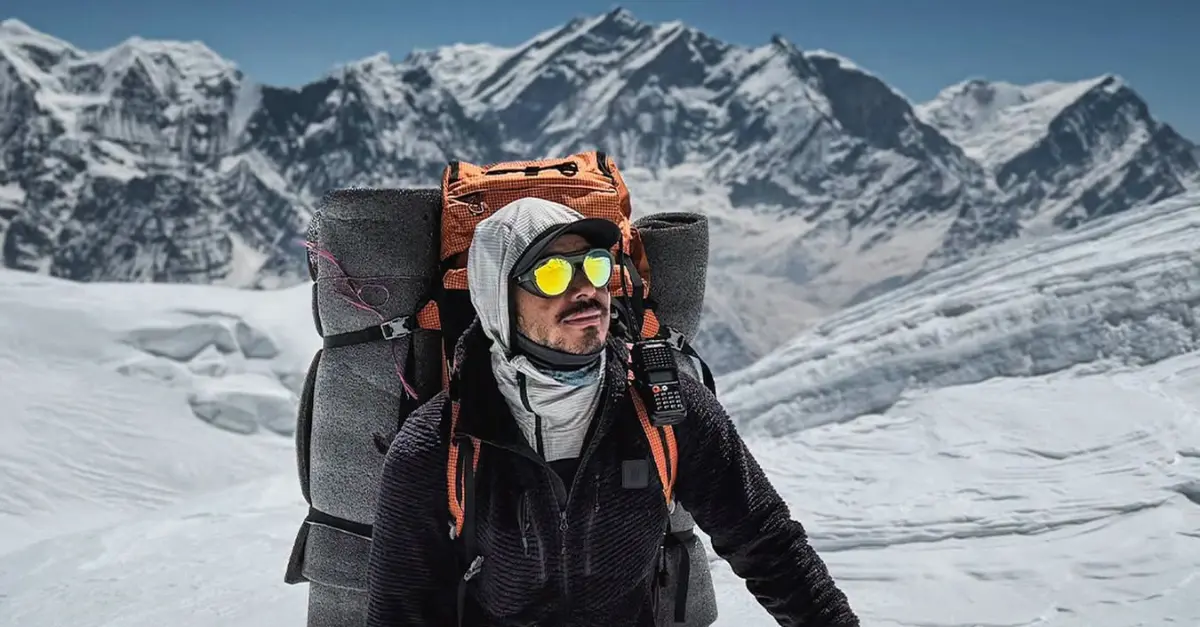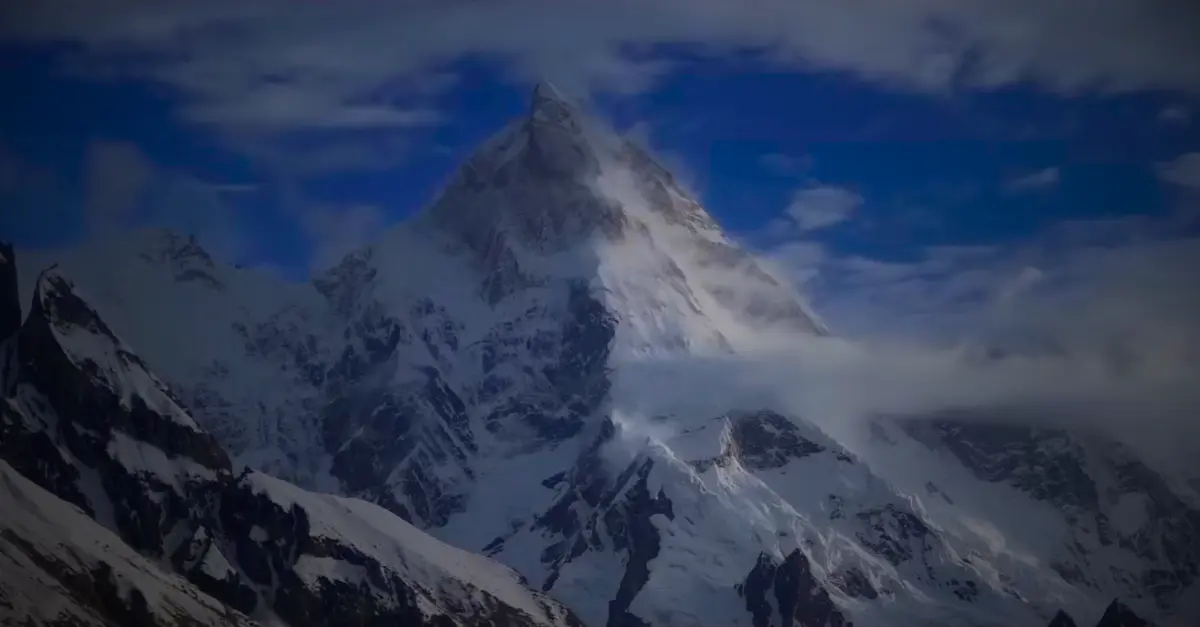


When it comes to grandiose and spectacular destinations, mountainous landscapes hold a special place in the imagination of travelers and nature enthusiasts. These giants of rock and ice shape not only landscapes, but also the cultures, economies, and ways of life of the populations that inhabit them. Certain territories stand out in particular for the omnipresence of their mountain massifs, offering breathtaking panoramas and incredible challenges for mountaineers from around the world.
The question of which countries are the most mountainous on the globe always sparks great interest, whether for planning an adventure trip, understanding world geography, or simply satisfying a natural curiosity. The criteria can vary: some consider the average altitude of the territory, others favor the percentage of surface area occupied by mountains, while some focus more on the presence of iconic summits exceeding 8,000 meters.
In this comprehensive article, we will explore together these high-altitude lands that fascinate adventurers and scientists alike. From the majestic Himalayan ranges to the endless Andes, through the European Alps and lesser-known but equally impressive mountains, discover this detailed ranking that will transport you to the heart of the highest regions of our planet 🏔️.
Bhutan, kingdom in the clouds
Nestled between India and China, Bhutan probably holds the record for the country with the highest average altitude in the world, hovering around 3,280 meters. This small Himalayan kingdom has a remarkable geographical peculiarity: no point in its territory drops below 200 meters above sea level, making it an entirely mountainous nation. The peaks that compose its landscape regularly exceed 7,000 meters, notably Gangkhar Puensum which rises to 7,570 meters and holds the title of the highest unclimbed mountain in the world.

Bhutan’s topography profoundly influences the daily life of its inhabitants. The fertile valleys lie between 1,200 and 2,600 meters above sea level, requiring Bhutanese people to develop agricultural techniques adapted to steep terrain and harsh climatic conditions. Roads wind dangerously along mountainsides, connecting isolated villages where modernity arrives slowly. This unique configuration has allowed the country to preserve an exceptional traditional culture, largely protected by its natural geographical isolation.
The Bhutanese government has banned mountaineering on its sacred peaks since 2003, considering that these summits are inhabited by deities that must not be disturbed. This decision reflects the deeply rooted Buddhist philosophy of the nation, which measures its development not in terms of GDP but of Gross National Happiness. The mountains are therefore not perceived as challenges to be conquered, but as natural sanctuaries to be respected and protected for future generations 🙏.
Nepal and its Himalayan crown
Nepal holds a legendary place among mountainous countries, home to eight of the fourteen summits over 8,000 meters existing on Earth. Everest, the roof of the world at 8,849 meters, stands proudly on the border with Tibet and attracts thousands of climbers each year who come to attempt the ultimate ascent. But beyond this media giant, Nepalese territory offers an exceptional concentration of majestic mountains: Kangchenjunga, Lhotse, Makalu, Cho Oyu, Dhaulagiri, Manaslu, and Annapurna compose a vertical pantheon without equal.
The country’s average altitude is around 3,265 meters, with spectacular variations between the Terai plains in the south, which hover near sea level, and the Himalayan regions of the north where the highest permanent villages exceed 5,000 meters above sea level. This topographic diversity creates a remarkable mosaic of climates and ecosystems, transitioning from tropical forests to eternal glaciers within just a few hundred kilometers.

Nepal’s economy is heavily dependent on mountain tourism, which represents approximately 7.5% of national GDP according to 2023 data. Thousands of guides, porters and hospitality professionals live directly or indirectly from the influx of Western adventurers drawn by the legendary treks to Everest Base Camp or the Annapurna Circuit. This industry also generates serious environmental challenges, including pollution from expeditions and the accelerated melting of glaciers due to climate change. Nepalese authorities are now trying to promote more responsible mountaineering, with limited quotas and strict rules regarding waste management at high altitude.
Tajikistan, the little-known jewel of Central Asia
Often overlooked by traditional tourist circuits, Tajikistan fully deserves its place in this ranking with more than 90% of its territory located in mountainous zones. The Pamir ranges, nicknamed “the roof of the world,” occupy the majority of the eastern part of the country and are home to Ismoil Somoni Peak, rising to 7,495 meters. The national average altitude is close to 3,000 meters, making Tajikistan one of the highest states on the planet.
The Pamir Highway, also known as the M41, constitutes one of the highest paved roads in the world, crossing several passes exceeding 4,000 meters in altitude. This mythical route traverses lunar landscapes of striking beauty, where Kyrgyz and Tajik villages seem suspended between earth and sky. Travelers who venture onto this road report unforgettable experiences, marked by the legendary hospitality of the locals and the majestic harshness of the mountain panoramas.

Tajikistan’s history is intimately linked to its rugged geography. The mountains served as a refuge for local populations during the successive invasions that marked Central Asia, enabling the preservation of ancestral traditions and specific dialects. Today, these imposing reliefs represent both a potential tourist asset and a major challenge for economic development, making communications and trade with neighboring countries difficult. The government is investing heavily in improving road infrastructure to open up isolated regions and foster national integration.
Kyrgyzstan and its high-altitude pastures
Kyrgyzstan shares with its Central Asian neighbors a topography dominated by mountains, with approximately 94% of its territory situated above 1,000 meters in altitude. The Tian Shan ranges occupy the majority of the country, offering summits exceeding 7,000 meters such as Pobeda Peak which reaches 7,439 meters. The national average altitude is around 2,750 meters, placing Kyrgyzstan among the highest nations on the Asian continent.
What particularly distinguishes this country is the millennia-old tradition of nomadic pastoralism that still persists today on the high plateaus. The jailoos, these summer pastures situated between 2,000 and 4,000 meters above sea level, welcome families of shepherds each year who set up their traditional yurts. This seasonal transhumance has shaped Kyrgyz cultural identity for centuries, creating a unique bond between man and mountain that fascinates anthropologists from around the world.

Lake Issyk-Kul, the second largest alpine lake in the world, constitutes a remarkable geographical curiosity: situated at 1,607 meters above sea level and surrounded by snow-capped peaks, it never freezes thanks to its salinity and exceptional depth of 668 meters. This natural wonder attracts a growing number of visitors, contributing to the development of mountain tourism in a region long closed to foreigners. Kyrgyz authorities are now betting on ecotourism and outdoor activities to diversify an economy still largely dependent on agriculture and livestock farming ⛰️.
Afghanistan and its legendary mountains
Afghanistan presents a geography dominated by the Hindu Kush, a spectacular mountain range that crosses the country from east to west. Approximately 75% of Afghan territory is located in mountainous zones, with an average altitude close to 1,900 meters. Noshaq, the country’s highest point at 7,492 meters, marks the border with Pakistan and represents a major challenge for experienced mountaineers.
Afghanistan’s mountains have shaped the country’s turbulent history, serving successively as a natural fortress, a refuge for persecuted populations, and a rear base for the various forces that have clashed over the decades. The isolated valleys of the Hindu Kush are home to communities preserving unique languages and traditions, sometimes cut off from the rest of the world for long winter months when snow blocks the passes.

Afghan agriculture has adapted to the constraints of the terrain, developing sophisticated irrigation systems called karez that capture underground water at altitude to supply crops in the valleys. Despite the successive conflicts that have ravaged the country, these ancestral techniques continue to feed millions of Afghans. The mountains also contain significant mineral resources still largely unexploited, including deposits of lithium, copper, and rare earth elements that could transform the national economy if political stability were ever to allow it.
Lesotho, the kingdom in the sky of Africa
Here is an extraordinary geographical peculiarity: Lesotho holds the absolute record for the country with the highest minimum altitude in the world. No point in this small kingdom landlocked within South Africa drops below 1,400 meters, and its average altitude exceeds 2,160 meters. This unique characteristic earns Lesotho its poetic nickname of “kingdom in the sky.”
The Drakensberg mountains dominate the Lesothan landscape, offering surprising alpine panoramas in the heart of the African continent. Thabana Ntlenyana, the highest point at 3,482 meters, is regularly covered in snow during the austral winter, creating scenes uncommon for Africa. The inhabitants, called Basothos, have developed a unique equestrian culture, using sturdy ponies specially adapted to rugged terrain to travel between isolated villages.

Lesotho’s economy relies in part on its exceptional hydraulic resources, with the Lesotho Highlands Water Project supplying water and electricity to neighboring South Africa. Dams built at high altitude generate substantial revenues for this country, one of Africa’s poorest. Mountain tourism is gradually developing, attracting hikers in search of authentic experiences far from traditional safaris. The Afri-Ski resort, located at 3,222 meters above sea level, represents a tourist curiosity that attracts visitors each year who are astonished to be able to ski on the African continent 🎿.
Switzerland and its iconic Alps
It is impossible to discuss mountainous countries without mentioning Switzerland, of which approximately 60% of the territory is occupied by the Alps. While the national average altitude remains modest compared to Asian giants, hovering around 1,350 meters, the concentration of iconic summits and the cultural importance of the mountains in Swiss identity more than justify its presence in this ranking. Monte Rosa peaks at 4,634 meters, while the Dufourspitze reaches 4,609 meters, offering climbing terrain renowned throughout the world.
Switzerland has transformed its mountains into true white gold, developing a sophisticated tourism industry that generates several tens of billions of Swiss francs annually. Legendary resorts such as Zermatt, St. Moritz, and Verbier attract wealthy international clientele, while hundreds of more modest ski areas allow the Swiss to practice winter sports close to home. This tourist development is accompanied by exemplary environmental management, with strict regulations protecting fragile alpine ecosystems.

Swiss railway engineering constitutes a remarkable technical feat: rack-and-pinion trains climb vertiginous slopes to connect mountain villages, while tunnels pierce through massifs to facilitate trade with neighboring countries. The Gotthard Base Tunnel, 57 kilometers long and inaugurated in 2016, represents the longest railway tunnel in the world, symbolizing Swiss mastery of geographical challenges. This infrastructure allows the Alps to be crossed quickly while protecting the valleys from excessive road traffic.
Chile and the Andes mountain range
Stretching over more than 4,300 kilometers from north to south, Chile presents a unique geography dominated by the constant presence of the Andes along its entire length. Although the national average altitude is relatively modest, approximately 50% of Chilean territory is located in mountainous zones, with summits exceeding 6,000 meters in the northern region. Ojos del Salado, peaking at 6,893 meters, represents the highest active volcano in the world and the second-highest American summit after Argentina’s Aconcagua.
Chile’s climatic diversity stems directly from this exceptional mountainous configuration. The Andes create a climatic barrier that isolates the country from continental influences, generating weather conditions specific to each region. In the north, the Atacama Desert, considered the driest in the world, contrasts radically with the humid temperate forests of the south and the glaciers of Patagonia. This variety makes Chile a fascinating natural laboratory for scientists studying mountain ecosystems.

Chile’s economy benefits from its mountains in multiple ways. The mining industry exploits vast deposits of copper, lithium, and other minerals on the Andean high plateaus, placing the country among the world’s leading producers. Ski resorts near Santiago attract international tourists who take advantage of the austral season to ski during the boreal summer. Finally, hydroelectric energy generated by rivers flowing down the Andean slopes provides a significant share of national electricity, although some projects spark environmental controversies regarding their impact on river ecosystems 🌋.
Ecuador and its spectacular volcanoes
Despite its small size, Ecuador deserves its place among the most mountainous countries thanks to the presence of the Andes mountain range that crosses the country from north to south. The national average altitude exceeds 1,700 meters, with a remarkable concentration of active volcanoes several of which surpass 5,000 meters. Chimborazo, peaking at 6,263 meters, presents a fascinating peculiarity: due to the equatorial bulge of the Earth, its summit represents the point farthest from the Earth’s center, surpassing even Everest by this measure.
The capital Quito, situated at 2,850 meters above sea level, holds the title of the highest national capital in the world after La Paz. This high-altitude situation profoundly influences the daily life of its inhabitants, who must adapt to reduced oxygen levels and significant temperature variations between day and night. Newcomers often experience soroche, or altitude sickness, before their bodies acclimatize to the particular conditions of life at high altitude.

Ecuadorian agriculture has specialized in high-altitude crops, producing in particular varieties of potatoes, quinoa, and other Andean cereals that are experiencing a resurgence of international interest for their nutritional qualities. The indigenous communities of the highlands preserve ancestral knowledge concerning the use of mountain medicinal plants and agricultural techniques adapted to steep terrain. Volcanic tourism also attracts visitors from around the world, eager to observe smoking craters and climb summits that are relatively accessible despite their impressive altitude.
Armenia and its Caucasian heritage
The final country in our selection, Armenia, presents an entirely mountainous territory with an average altitude of 1,800 meters. Located in the Lesser Caucasus, this historic nation has no true plains, offering only narrow valleys between imposing massifs. Mount Aragats, the highest point at 4,090 meters, dominates a spectacular volcanic landscape that has shaped Armenian identity for millennia.
The famous Mount Ararat, Armenia’s national symbol visible from the capital Yerevan, is ironically located on Turkish territory following the drawing of modern borders. This mythical mountain, said to have sheltered Noah’s Ark according to biblical tradition, peaks at 5,137 meters and remains deeply embedded in the Armenian collective consciousness despite its current political inaccessibility. This situation illustrates how mountains can become identity symbols that transcend geographical contingencies.

Armenia is gradually developing its mountain tourism potential, showcasing its medieval monasteries perched on rocky spurs and its unique volcanic landscapes. Lake Sevan, situated at 1,900 meters above sea level, represents one of the largest alpine lakes in the world and constitutes a vital resource for agriculture and ecotourism. Armenia’s ski resorts, though modest compared to Alpine standards, offer affordable and authentic alternatives to more commercial destinations, attracting a growing regional clientele 🏔️.
The hidden treasures of the mountains
Beyond this ranking of the ten most mountainous countries, many other nations possess remarkable mountain regions that deserve attention:
- Austria with its Eastern Alps offering some of Europe’s most renowned ski areas and a centuries-old alpine tradition
- Pakistan home to K2, the world’s second-highest summit at 8,611 meters, and five other giants over 8,000 meters in the Karakoram
- Georgia presenting spectacular Caucasian mountains where ancestral traditions and preserved wild landscapes intertwine
- Andorra, the tiny Pyrenean principality of which 100% of the territory lies in mountainous zones above 900 meters
- Tibet, the Chinese autonomous region encompassing part of the Tibetan Plateau, often considered the roof of the world with an average altitude exceeding 4,500 meters
- Peru and its central Andes including the Cordillera Blanca and Huascarán peaking at 6,768 meters, a paradise for trekkers
- Norway with its fjords surrounded by mountains plunging directly into the sea, creating landscapes of breathtaking beauty
These destinations represent as many opportunities for lovers of wide open spaces and vertical adventures. Each has its geological, climatic, and cultural particularities that enrich the mountain travel experience. Mountain ecosystems also shelter unique biodiversity, with animal and plant species adapted to the extreme conditions of altitude that fascinate biologists and naturalists.