Tangier captivates. This city in northern Morocco, perched between the Mediterranean and the Atlantic, draws hundreds of expats every year in search of a new life. Just 14 kilometres from Europe, it offers a complete change of scenery without sacrificing proximity to the continent. Its modern neighbourhoods, mild climate and attractive cost of living make it a destination of choice for those dreaming of settling under the Moroccan sun.
But moving to Tangier is not something you can wing. Between administrative formalities, finding accommodation and cultural adaptation, the path can seem complex. This guide walks you through every step to turn your project into reality and enjoy your new Moroccan adventure with peace of mind 🌍.
Why choose Tangier for your expat life
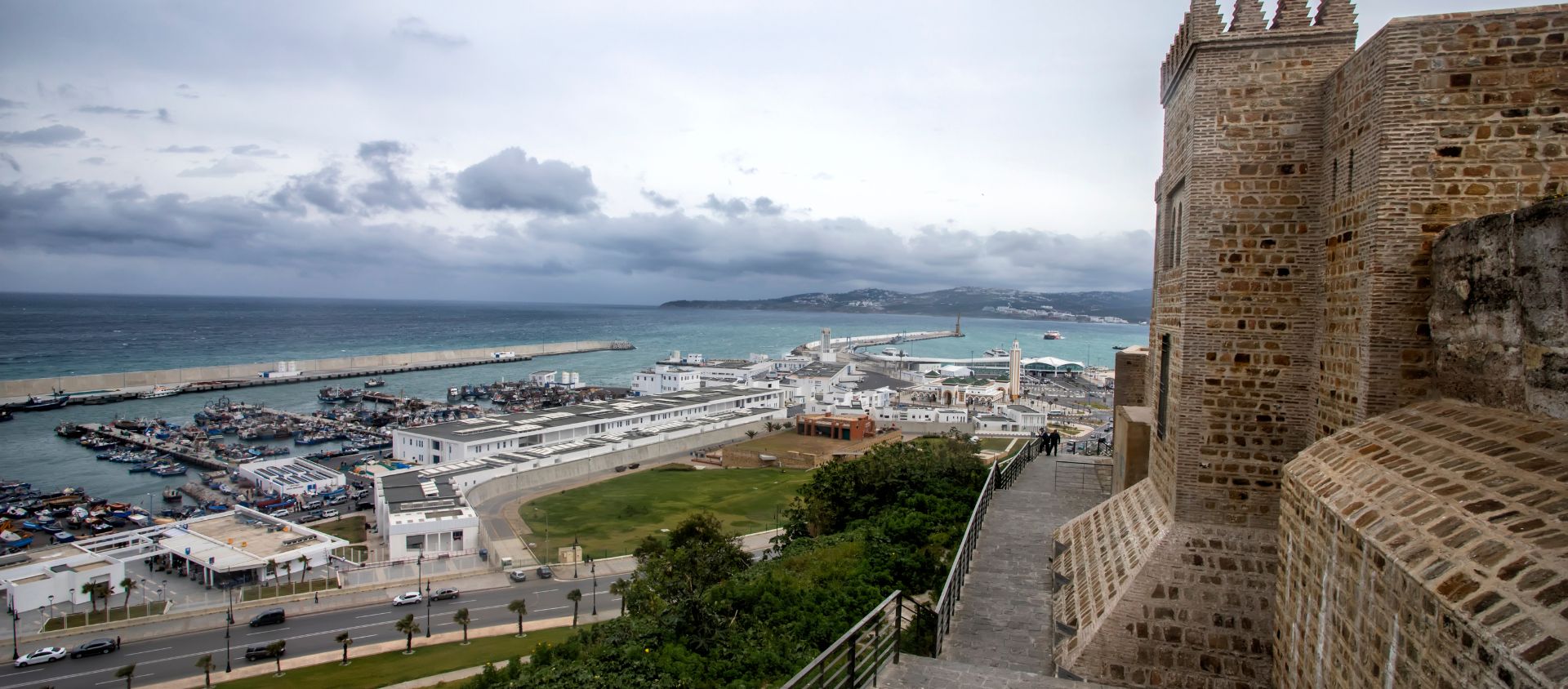
Tangier is no longer the mysterious city of the 1950s. It has transformed into a dynamic economic hub, driven by massive infrastructure investment. Tanger Med port, one of the largest in Africa, has changed the game. Free trade zones attract multinationals and startups alike, creating a compelling job market for skilled profiles.
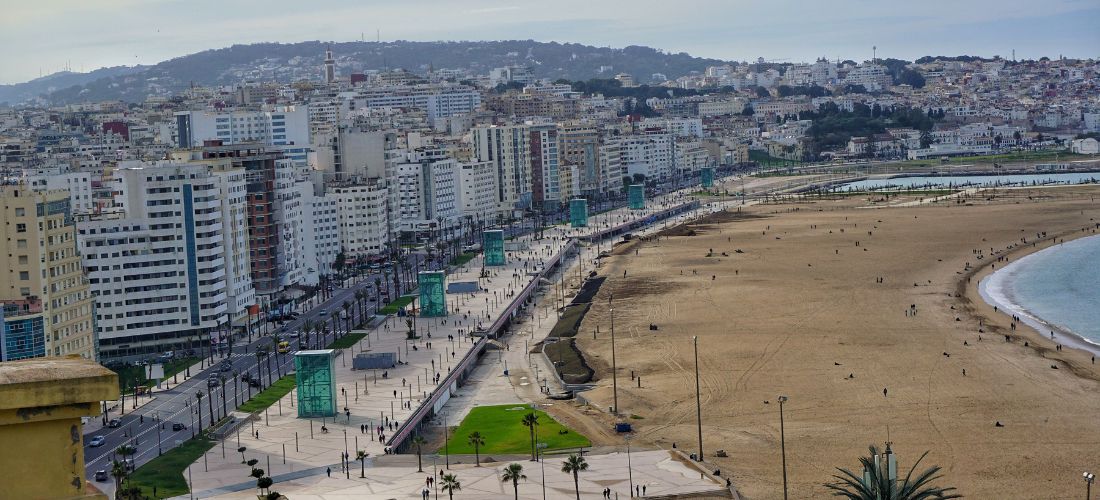
The living environment wins people over immediately. The corniche offers spectacular panoramic views of the Strait of Gibraltar, while beaches stretch as far as the eye can see. Average temperatures range from 12°C in winter to 27°C in summer — an ideal climate to enjoy year-round. Expats particularly appreciate this mildness, far from the scorching summers of southern Morocco.
Financially, Tangier remains affordable compared to European capitals. A three-room apartment in a residential neighbourhood costs between €400 and €700 per month. Grocery shopping runs around €200 to €300 monthly for a couple, and restaurant outings start at €8 to €10 per person. Plenty to live comfortably without blowing your budget ✨.
The essential administrative formalities
Setting up in Morocco starts with obtaining a residence permit. French nationals can enter without a visa for 90 days, but beyond that, you need to regularise your situation. Two main options are available: a one-year renewable residence card, or consular registration for shorter stays.
To obtain your residence card, head to the police station in your neighbourhood with your passport, four identity photos, proof of address in Morocco and a recent criminal record certificate. If you are employed, add your work contract. Retirees must provide a pension certificate. With a complete file, processing times range from two weeks to two months depending on the period.
Registering with the French consulate in Tangier then simplifies your administrative dealings considerably. It allows you to receive important information, vote by proxy and access consular services more easily. This free registration can be done online through the French Ministry of Foreign Affairs website or directly at the consulate 🔑.
Don’t forget to open a local bank account. Moroccan banks such as Attijariwafa Bank, BMCE or CIH readily welcome expats. Bring your passport, proof of address and sometimes a letter of recommendation from your home bank. Some branches offer services in French, which makes communication much easier at the start.
Finding the ideal accommodation in Tangier
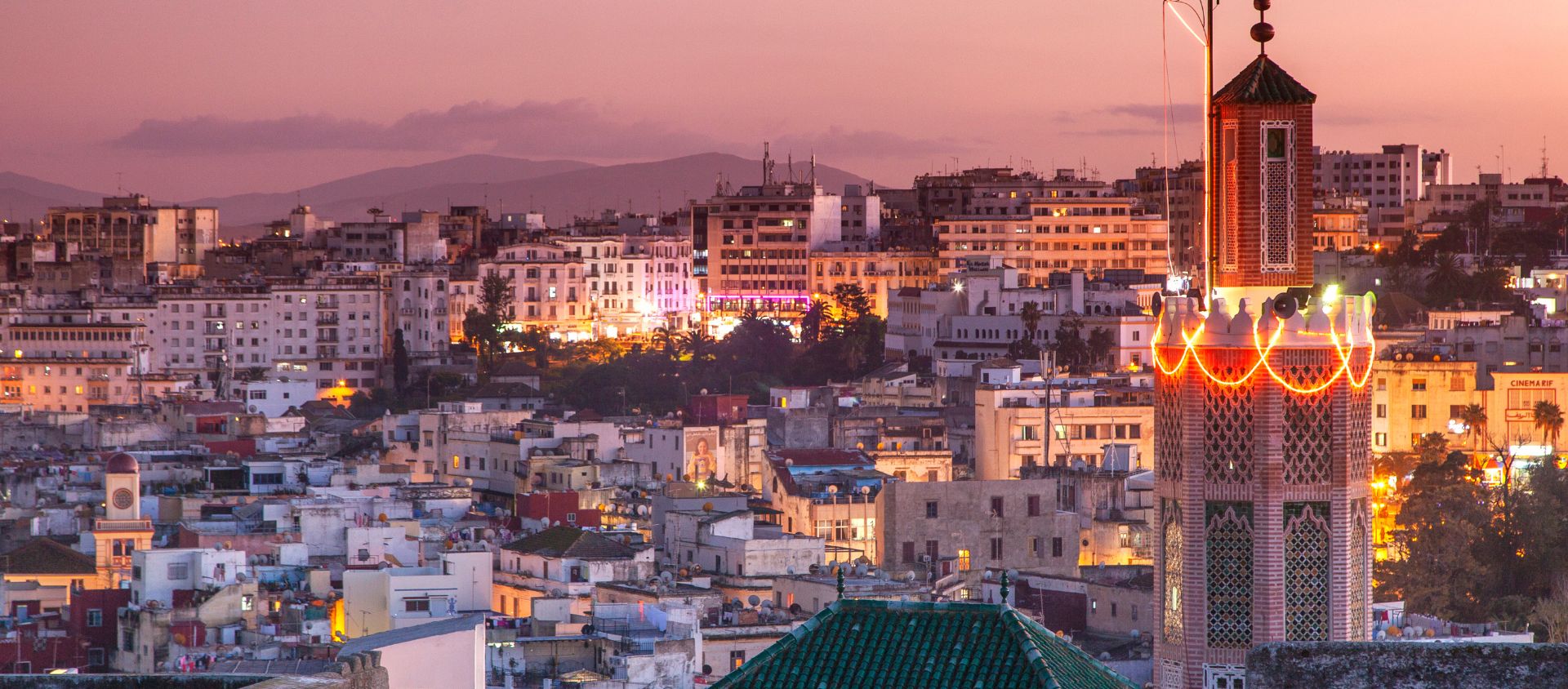
The Tangier property market offers a wide variety of neighbourhoods, each with its own atmosphere. Malabata and its surroundings appeal to families with their secure residences and bay views. Rents here range from €500 to €900 for spacious apartments. The area has supermarkets, international schools and medical centres nearby.
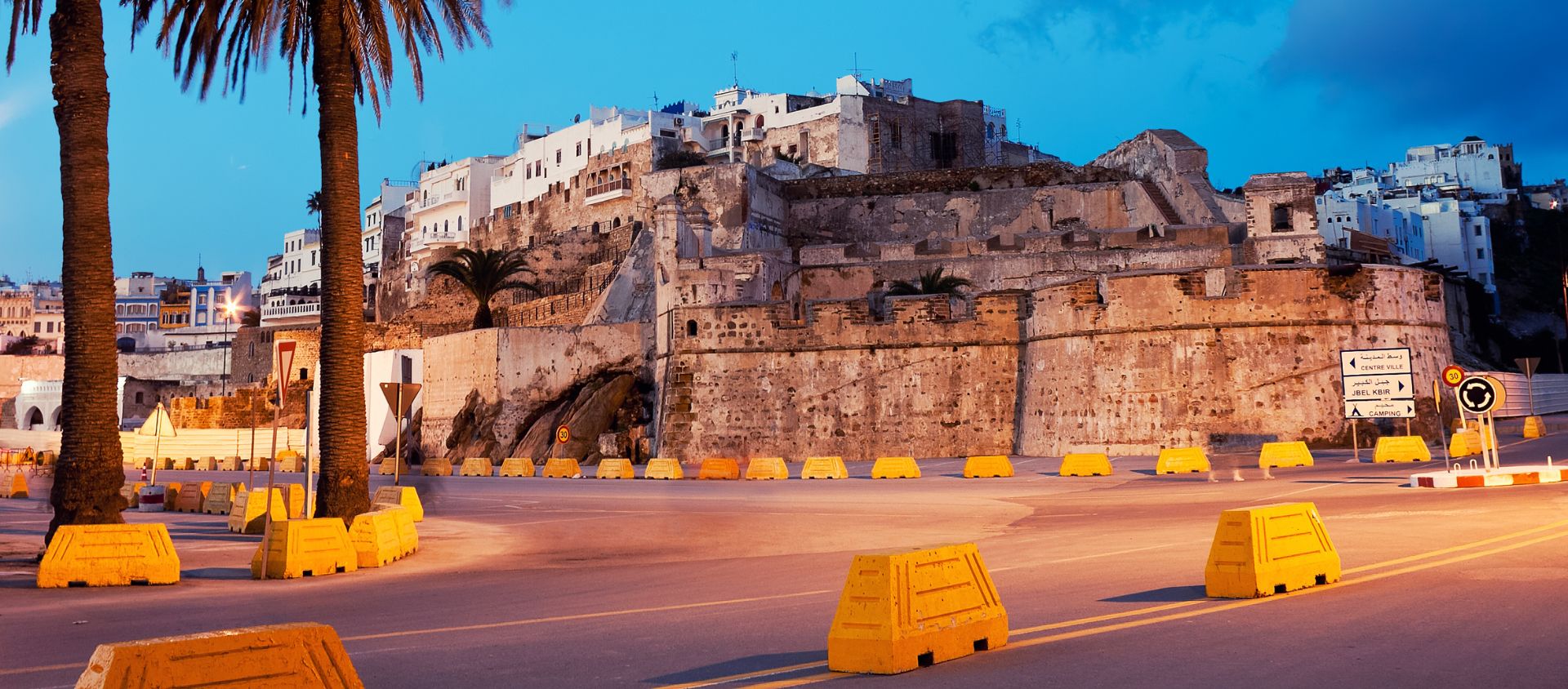
The historic city centre attracts those seeking authentic Moroccan life. The medina and its lively alleyways, traditional cafés and souks create a unique atmosphere. Rents are more accessible at €300 to €500, though properties sometimes need work. This option suits singles or couples without children who want total immersion.
To find your ideal place, use multiple search channels. Websites like Mubawab, Avito or Sarouty list thousands of properties. Local estate agencies remain essential for accessing the best opportunities before they go online. Budget one month’s rent as commission, typically shared between landlord and tenant.
Most leases require two to three months’ deposit plus the first month upfront. Read the contract carefully — ideally with a French speaker if your Arabic is limited. Check the condition of the fittings, whether furniture is included if needed, and which charges are covered. Photograph the apartment during the inventory check to avoid any misunderstandings when you leave 📸.
Health and medical coverage
The Moroccan healthcare system combines public and private sectors. Public hospitals offer free or subsidised care, but waiting times and reception conditions can be discouraging. Expats generally prefer private clinics where doctors speak French and equipment meets international standards.
In Tangier, several quality establishments provide reliable care. Clinique Al Madina, Clinique du Croissant and the Mohammed VI University Hospital are among the most respected. A GP consultation costs between 200 and 400 dirhams (€18–36), while specialists generally charge between 300 and 600 dirhams.
Taking out international health insurance is strongly recommended. Local policies such as those offered by Saham Assurance or Atlanta provide expat-tailored plans from around €150 per month for decent coverage. International insurers like April, Allianz or MSH guarantee optimal reimbursement and 24/7 assistance, though their cost rises to between €200 and €500 per month.
Tangier’s pharmacies are well stocked and common medications are mostly available without a prescription. Prices are significantly lower than in France, which partially compensates for the absence of social security coverage. Put together a first aid kit as soon as you arrive, with your regular treatments and a few basics 💊.
Working and doing business in Tangier
Tangier’s job market revolves around several thriving sectors. The automotive industry — with Renault-Tanger — employs thousands, French-speaking call centres are constantly recruiting, and the tourism sector seeks qualified profiles. Engineers, sales professionals and managers find opportunities relatively easily in the free trade zones.
To work legally, your employer must obtain a work permit from the Moroccan Ministry of Labour. This step precedes your residence card application. Salaries vary considerably by sector: a junior engineer earns between 8,000 and 15,000 dirhams per month (€730–1,370), while an experienced manager can negotiate 20,000 to 40,000 dirhams.
Setting up a business in Morocco is increasingly appealing to entrepreneurial expats. The self-employed status has existed since 2015 and significantly simplifies the process. Registration is done online on the official portal, with a tax number issued within a few days. Social contributions are proportional to turnover, starting at around 500 dirhams per quarter.
SARLs and SAs require more paperwork but offer greater credibility for ambitious projects. A local accountant will guide you through the administrative maze for around €300–500. Tangier’s free trade zones offer considerable tax advantages for certain activities, including a full exemption from corporate tax for five years 🚀.

Schooling and family life
Expat families have access to several quality educational establishments. The Lycée Français International de Tanger follows the French national curriculum and prepares students for the baccalaureate. Annual fees run to around €3,500–4,500 depending on the year group — a significant amount, but justified by the quality of teaching and facilities.
Other international schools offer English-language or bilingual programmes, such as the American School of Tangier or the École Belge. These alternatives appeal to multilingual families or those planning to move to an English-speaking country later. Fees range from €3,000 to €6,000 per year.
For extracurricular activities, Tangier has plenty to offer. Sports clubs provide football, tennis, swimming and horse riding at affordable rates. Cultural associations run music, visual arts and theatre classes. The expat community is active and helps children settle in through regular events.
Day-to-day family life is straightforward with well-stocked supermarkets like Marjane, Carrefour and Acima. Imported products cost more than in Europe, but local produce is excellent and inexpensive. Traditional markets offer incomparably fresh fruit, vegetables and fish at very low prices 🍊.
Adapting to Moroccan culture
Cultural adaptation is one of the biggest challenges of expat life. Morocco remains a conservative Muslim country, even if Tangier displays a notable open-mindedness. Respecting dress codes — especially for women in traditional neighbourhoods — greatly eases relations with the local population.
Learning a few words of Moroccan Arabic dialect (darija) radically transforms your experience. A simple “salam aleikoum” (hello), “choukran” (thank you) or “wakha” (okay) opens doors and hearts. Tangierois greatly appreciate the efforts expats make to communicate in their language, even imperfectly.
The Moroccan pace of life differs from the European tempo. The concept of time is more flexible, appointments can shift, and patience becomes a daily virtue. Administrations operate at their own rhythm, and getting frustrated changes nothing. Embracing this philosophy significantly reduces stress and improves your quality of life.
Social relationships occupy a central place in Moroccan society. Taking time to chat over a mint tea, exchanging news, building genuine connections — that is what truly matters. This natural warmth contrasts with Western individualism and deeply enriches the expat experience ☕.
The practical aspects of everyday life
The cost of living in Tangier remains one of the strongest arguments for settling there. Here are some concrete benchmarks:
- Public transport costs 4 dirhams per bus ticket, and a taxi ride within the city runs around 15–25 dirhams
- Electricity and water for an average apartment comes to 300–500 dirhams per month
- A fibre internet connection costs between 200 and 400 dirhams per month depending on the speed
- Weekly supermarket shopping runs to 400–600 dirhams for two people
- A gym membership starts at 300 dirhams per month
Telecommunications work well with three main operators: Maroc Telecom, Orange and Inwi. Mobile plans with unlimited internet start at 100 dirhams per month. Network coverage is excellent in the city, though less reliable in surrounding rural areas.
For getting around, several options exist depending on your budget. Small taxis (blue) circulate everywhere and remain affordable for short trips. Grand taxis (white) handle routes to neighbouring towns. Many expats end up buying a second-hand car, with prices starting at around 50,000 dirhams for a decent vehicle.
Safety in Tangier has improved considerably in recent years. The residential neighbourhoods where expats tend to live are generally safe. Basic precautions suffice: avoid displaying valuables, stay alert in crowded places, and favour official taxis at night. Violent crime remains rare, though pickpockets do operate in tourist areas 🔒.
FAQ: your questions about expat life in Tangier
What budget should I plan for to live comfortably in Tangier?
For a couple, budget between €1,200 and €1,800 per month to live comfortably. This covers rent for a nice apartment (€500–700), groceries (€300), outings and leisure (€200), and miscellaneous expenses. A single person can reduce this to €800–1,200. Initial setup costs around €3,000 to €5,000 for the deposit, furnishing the apartment and first expenses.
Can I settle in Tangier without speaking Arabic?
Absolutely. French is very widely spoken in Tangier, especially in modern neighbourhoods and shops. You can handle all your administrative tasks and daily life in French without difficulty. That said, learning a few basics in Arabic considerably enriches your experience and eases integration in more traditional neighbourhoods.
What are the main challenges of expat life in Tangier?
Expats most commonly mention three major challenges: the slow pace of administration, which demands considerable patience; adapting to a Moroccan rhythm of life that differs from the European tempo; and sometimes the distance from family. The quality of some public services can also be disorienting at first. However, these difficulties fade quickly with time and immersion in local culture.
Is Tangier a good destination for retiring in the sun?
Tangier is an excellent destination for retirees. The pleasant year-round climate, manageable cost of living, proximity to Europe and quality of private medical infrastructure appeal to many seniors. The sizeable French community eases adaptation, and there is no shortage of leisure options between golf, cultural activities and a lively social scene. Many French retirees have found their happiness here for years.
Moving to Tangier is far more than simply changing countries. It is a human adventure that transforms your perspective and enriches your life in countless ways. This city in full transformation offers a rare balance between modernity and authenticity, comfort and discovery, European proximity and Eastern culture.
With serious preparation and an open mindset, your move will unfold smoothly. Take the time to choose your neighbourhood carefully, build connections with locals and the expat community, and let yourself be carried along by the Tangier rhythm. Tangier is unlike any other city — and that is precisely what makes it so irresistible 🌟.