
Nepal trekking boots, low-cut or high-cut: that’s probably the question I get asked most often before a departure, right after the one about sleeping bags. And I’ll be honest with you straight away, to save you some time: there’s no single answer that works on every trail in the country. For a classic trek on well-marked paths, like the Annapurna Circuit or the Everest Base Camp trek, low-cut shoes are more than enough in 80% of cases. As soon as you climb toward a pass above 5,000 meters, run into fresh snow, or carry a heavy pack for several weeks, high-cut boots take back the advantage. The rest of this article will show you exactly how to decide based on your own trip, with my own time on the trail as a compass.
The low-cut versus high-cut debate, what I get asked at every trek debrief
Every time I post a photo from a lodge in the Khumbu or the Marsyangdi valley, I get the same messages. “What boots did you bring?” “Low-cut or high-cut for my first trip to Nepal?” And I completely understand the obsession, because it’s literally the only piece of gear that touches the ground for twelve hours a day, sometimes more.
The problem is that most comparisons you find online recycle the same generic arguments without ever specifying the context. In Nepal, though, the terrain changes drastically between a temperate valley at 1,500 meters and an icy pass at 5,400. What works on one can turn into a nightmare on the other. Before giving you my final verdict, I’d rather break down both camps and their real strengths, without favoring either one out of habit.
Why high-cut boots remain king at altitude
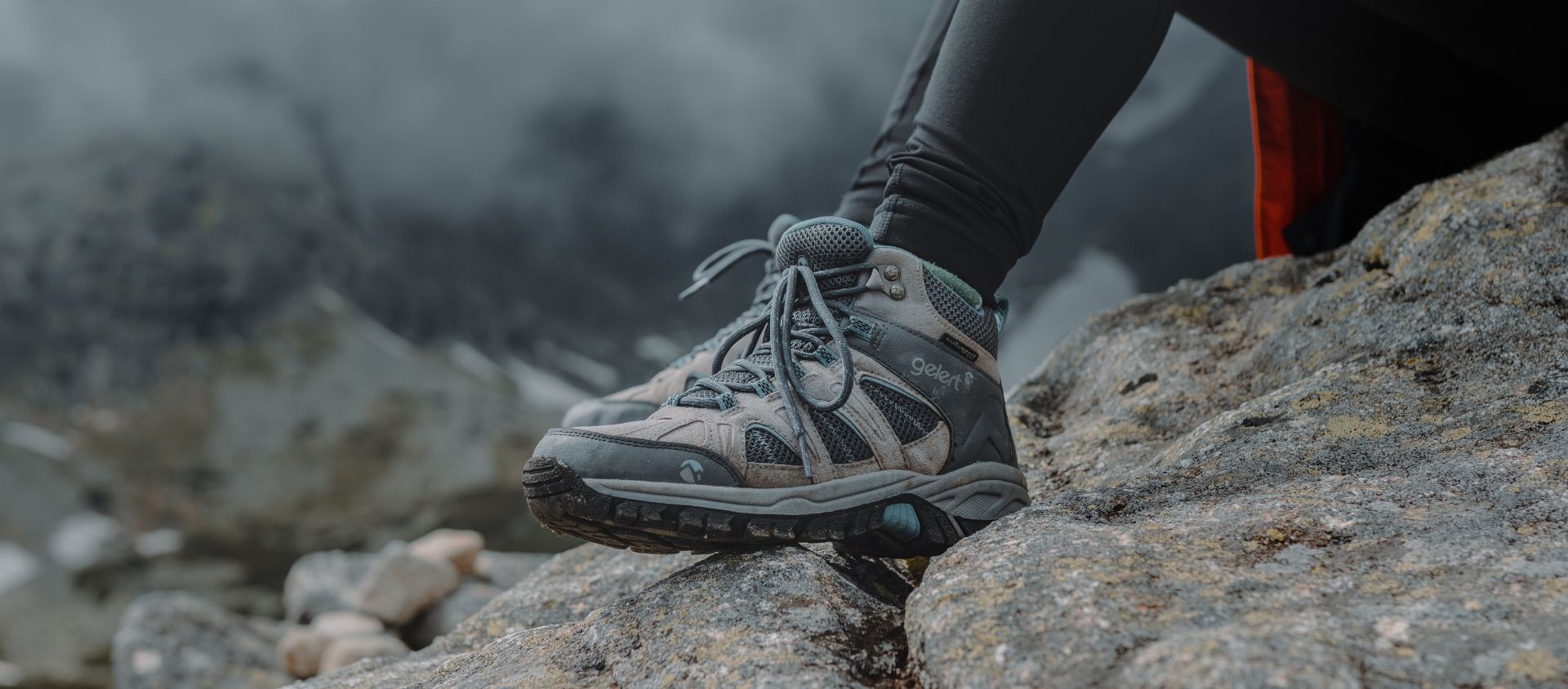
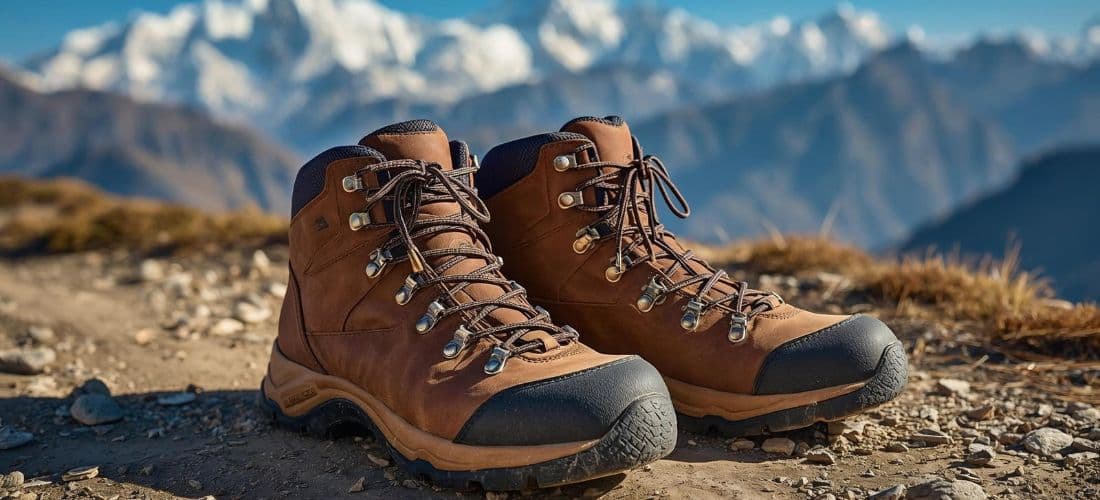
There’s a reason almost every Nepali guide still wears high-cut models on the technical sections, and it’s not just conservatism. It comes from decades of accumulated experience carrying loads and leading treks.
Ankle support on unstable terrain
On scree, loose rockfields and the stony trails that dominate much of Nepal’s high terrain, ankle stability becomes a real concern, not just marketing talk. A high shaft limits excessive lateral movement and significantly reduces the risk of a sprain, especially late in the day when muscle fatigue weakens the joint’s natural control. I’ve watched several trekking companions twist an ankle on the descent from the Thorong La, exactly where fatigue and uneven ground pile up together. None of them were wearing high-cut boots that day, and that’s probably not a coincidence.
Manufacturers like Salomon and La Sportiva systematically reinforce lateral support on their high-altitude models, proof that this need is well documented and not just anecdotal.
Protection against cold and snow on Nepal’s passes
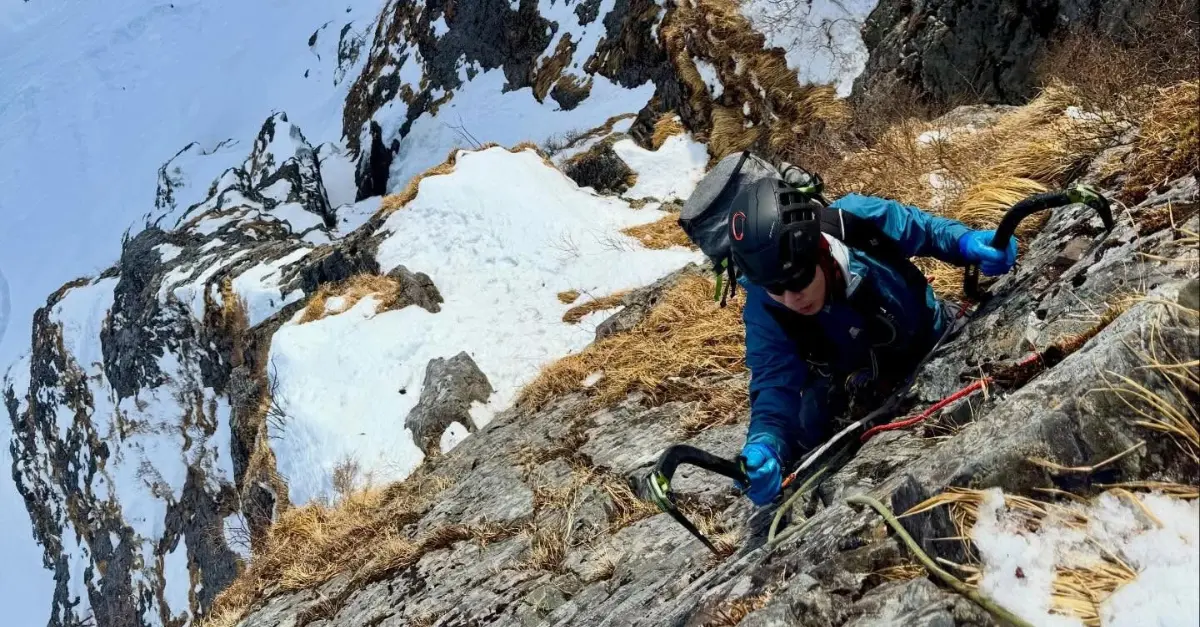
On a pass like the Thorong La, the Cho La or the Renjo La, you can run into fresh snow even during the supposedly dry season. A high shaft keeps snow and loose stones from working their way straight into the boot with every step, which prevents constant dampness and the blisters that come with it, and don’t forget the right choice of socks covered in this article. Paired with a light gaiter, it turns a dreaded pass crossing into a simple technical formality.
It’s also a strong argument during the pre-monsoon or post-monsoon periods, when weather at altitude can turn unpredictable from one hour to the next.
Why I’m increasingly choosing low-cut shoes
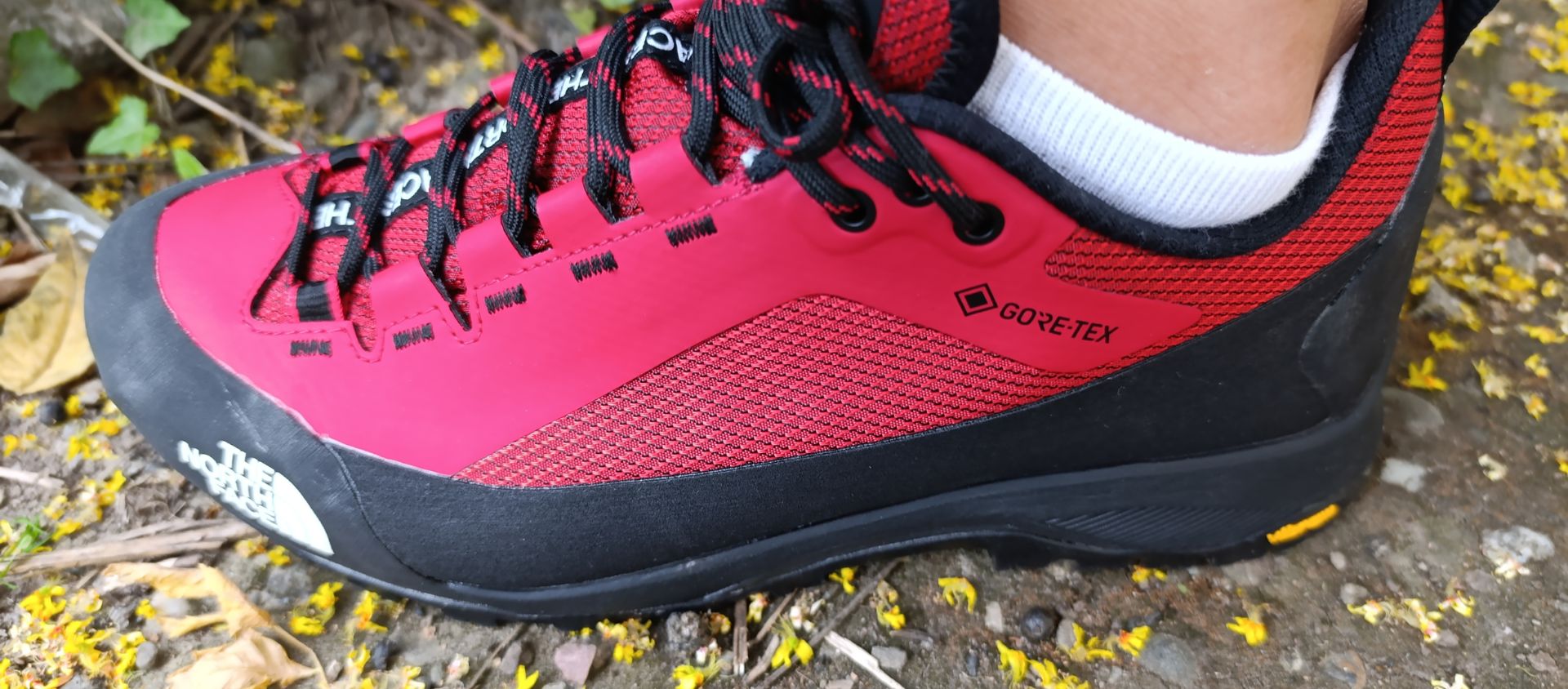
Here it is, no detour: on my last three treks in Nepal, I chose low-cut shoes, and I don’t regret it one bit. But be warned, this choice comes with specific conditions that I’ll detail right after.
The weight that changes everything over the length of a trek
A pair of high-cut boots weighs on average 200 to 400 grams more per shoe than an equivalent low-cut model. Over a 12-day trek with 6 to 8 hours of walking a day, that weight difference translates into noticeable cumulative fatigue in the hips and knees. Studies in walking biomechanics all converge on the same conclusion: lightening the extremities tires you out far less than shaving the same weight off your backpack.
That’s exactly what I noticed on the Annapurna Circuit: my legs were noticeably fresher by the end of the day in low-cut shoes, even though the terrain remained demanding on certain sections.
Breathability in the heat of the Khumbu valley
Between Lukla and Namche Bazaar, or in the lower stretches of the Manaslu, daytime heat climbs fast, especially as you climb alongside narrow river valleys. A low-cut mesh shoe wicks away moisture far more effectively than a high leather or waterproof-membrane shaft. Less standing sweat means concretely fewer blisters and fungal issues over the course of a multi-week trek.
I always pair this type of shoe with technical socks like Darn Tough or Injinji, and the combination works remarkably well as long as you avoid proper snow.
What my time on the Annapurna trails taught me
Let me tell one specific story because it sums up the debate well. On my way from Manang toward Yak Kharka, I’d chosen reinforced low-cut trail running shoes, thinking the trail would stay smooth all the way to the Thorong La base camp. Partial mistake: a stretch of loose scree on a side slope forced me to slow down significantly, while a trekker I passed in high-cut boots moved through the same section with obvious ease.
On the other hand, on the climb up to Poon Hill a few days earlier, my low-cut shoes gave me a much greater range of motion on the stone steps, where I saw other trekkers in high-cut boots struggling to flex their ankles properly.
That experience convinced me of one thing: the choice should never be based on a shoe type’s general reputation, but on the precise profile of the planned route, day by day if possible.
The criteria that should really guide your choice
Rather than deciding in the abstract, here are the concrete factors to go through before buying or packing your bag. I use these myself for every trek I prepare, whether it’s a classic like the Everest Base Camp or a more demanding route.
- Maximum altitude planned: above 5,000 meters with a pass crossing, high-cut boots become strongly recommended.
- Time of year: pre-monsoon and post-monsoon periods raise the risk of leftover snow at higher elevations.
- Total pack weight: a heavy pack puts more strain on the ankles, which calls for more support.
- Personal history of sprains: a fragile ankle almost always justifies the high-cut choice.
- Dominant trail type: stabilized valley trails versus scree fields and glacial moraines.
- Fast-hiking experience level: trail-running regulars often get real benefits from low-cut models.
None of these criteria is enough on its own; it’s their combination that should drive the final decision.
My final verdict for a classic trek in Nepal
Annapurna Circuit and Everest Base Camp
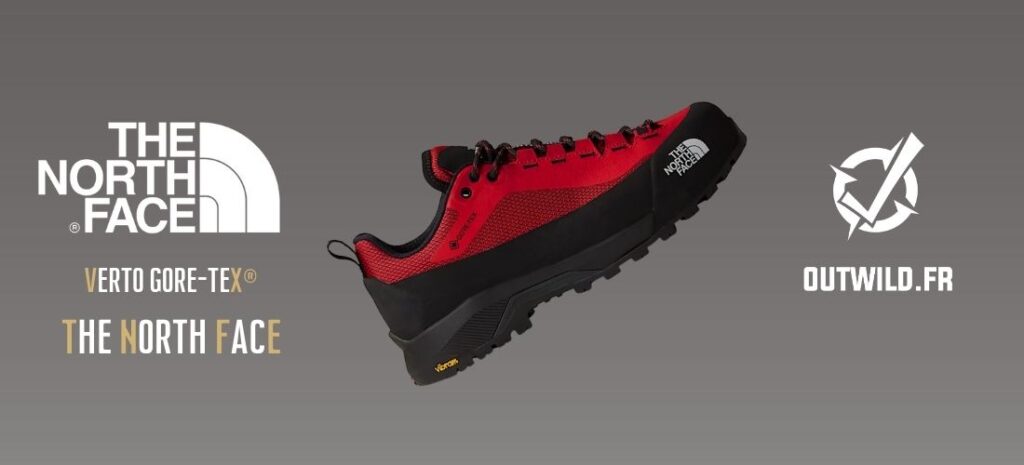
For these two iconic routes, which remain the most popular and best-maintained in the country, I recommend sturdy low-cut shoes, ideally with a Vibram sole and a good drop to absorb the long stone-step descents. Most of the route follows stabilized mule trails where mobility matters more than extreme protection.
One notable exception on the Annapurna: the Thorong La crossing itself, where I’d add gaiters and, if you’re the type with fragile ankles, go straight for a light high-cut boot rather than juggling two pairs.
High-altitude passes and off-trail treks
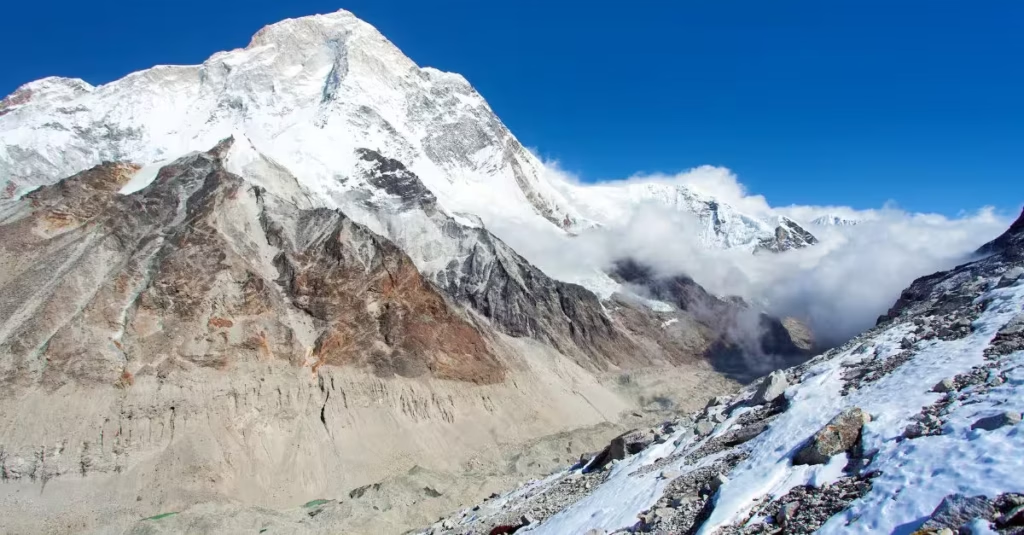
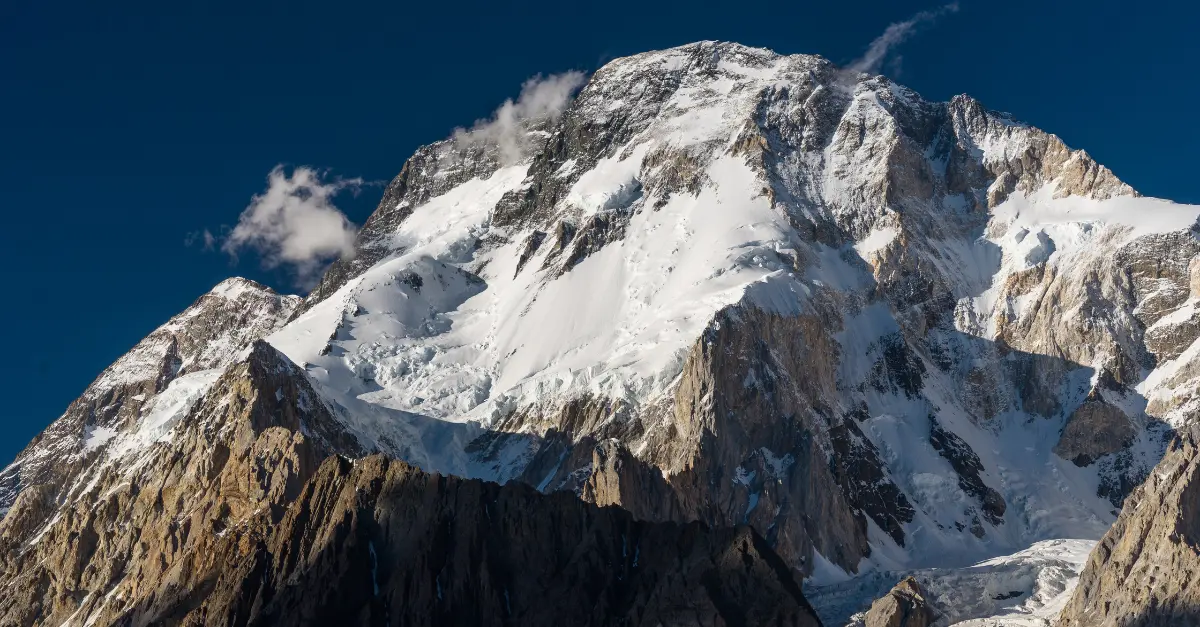
As soon as we’re talking about the Manaslu Circuit, Kanchenjunga, or any route involving a glacier crossing or a technical pass above 5,300 meters, I switch without hesitation to high-cut boots with a semi-rigid shaft. Comfort takes a back seat to safety, period. The same goes for winter treks or expeditions combined with a summit climb, where crampons and high-cut boots naturally go together [lien interne : préparer son trek du Manaslu].
Mistakes to avoid before you leave
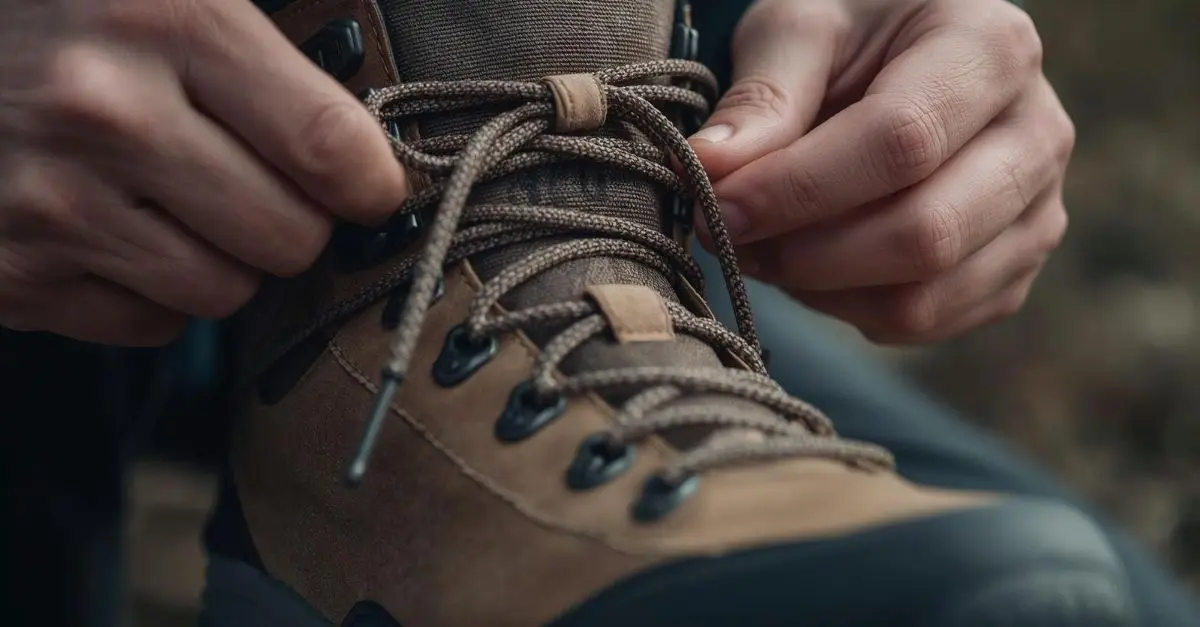
The worst mistake, and I still see it far too often, is buying brand-new shoes right before departure and wearing them for the first time on Nepali terrain. A break-in period of at least 80 to 100 kilometers of walking is essential, no matter which model you choose, to let your foot and the shoe adjust to each other.
Second common mistake: ordering online without trying them on in person, especially for high-cut models where the shape of the shaft varies enormously from one brand to another. According to REI’s buying guide, a precise fit around the ankle remains the number one factor for comfort over several consecutive days of walking, even more so than weight or price.
Finally, neglecting the quality of your technical socks cancels out a good part of the benefits of an excellent pair of shoes, high-cut or low-cut. This shoe-and-sock duo deserves just as much attention as the shoes themselves.
FAQ
Do I need high-cut boots for the Everest Base Camp Trek?
Not necessarily. The choice of shaft height depends mainly on your own profile and the weather conditions on the ground.
- A well-marked trail: The route to base camp is generally stabilized, which lets most hikers get by comfortably in sturdy low-cut shoes.
- Notable exceptions: High-cut boots are still strongly recommended if you have fragile ankles or if early snowfall covers the high-altitude sections.
Which shoe brand should I choose for a first trek in Nepal?
Several major outdoor brands stand out as safe bets on the Himalayan trails.
- The market leaders: Brands like Salomon, La Sportiva, Scarpa and Lowa are among the most popular choices among trekkers and some local guides.
- The real deciding factor: Beyond the logo, it’s your foot’s shape that should guide your purchase. The key is trying shoes on beforehand and going through an essential break-in period before departure.
Can you alternate between low-cut and high-cut shoes during the same trek?
Yes, this kind of flexibility is entirely doable and can even be an excellent effort-management strategy.
- Adapting to the terrain: This is an ideal approach on long routes that alternate easy valley sections with technical passes requiring more support.
- The logistical trade-off: To pull this off, you simply need to accept carrying the weight of the second pair in your backpack, or handing that load off to a porter.
Are waterproof shoes essential in Nepal?
The usefulness of a waterproof membrane depends mainly on the season and altitude of your route.
- In the dry season: On clear low- and mid-altitude trails, a highly breathable, non-waterproof shoe can be more than enough.
- At high altitude or in unstable weather: Waterproof protection (like Gore-Tex) becomes essential as soon as you need to cross a snowy pass or face leftover monsoon conditions, ideally paired with good gaiters.