
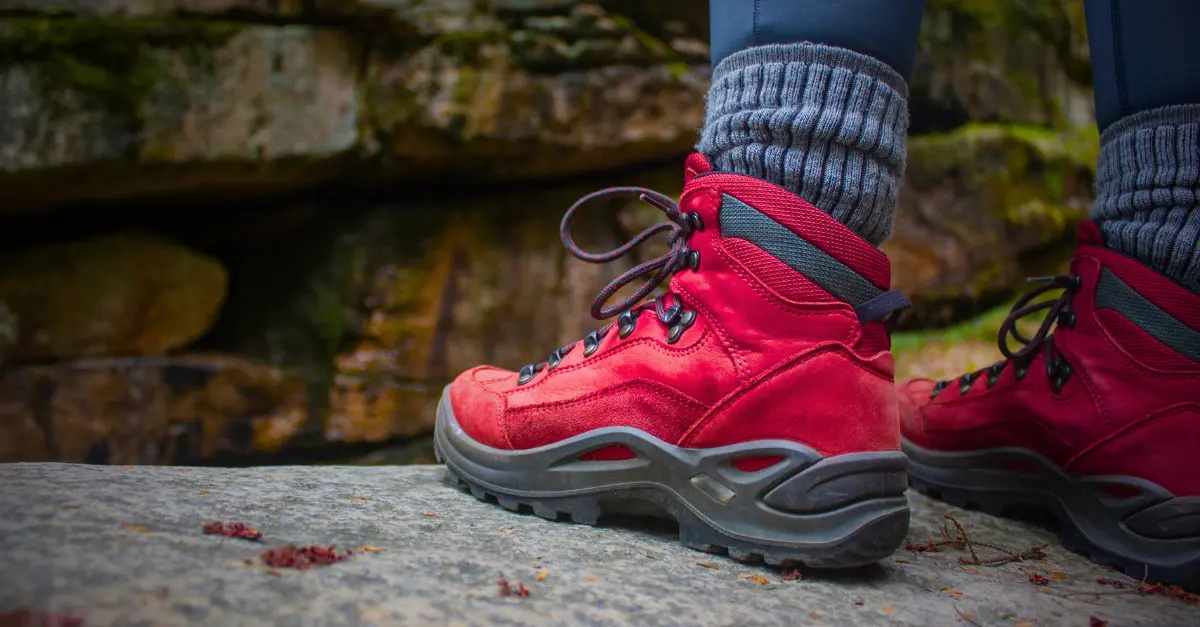
Trekking socks remain, trail after trail, the most underrated piece of gear in any hiker’s kit. You can spend 300 euros on a pair of technical boots and still overlook this small piece of fabric that touches your skin with every single step. To avoid blisters while trekking, the rule is simple: you need a sock that wicks away moisture, doesn’t shift inside the shoe, and protects friction zones like the heel or the toes. Merino wool and technical synthetic fibers make all the difference today, far ahead of cotton, which remains by far the worst choice. After hundreds of kilometers covered between the ridges of the Vosges and the high-altitude trails of Nepal, I finally figured out what actually works, and what I’ll never do again. Here are the seven points that changed the way I walk.
Why blisters really happen on the trail
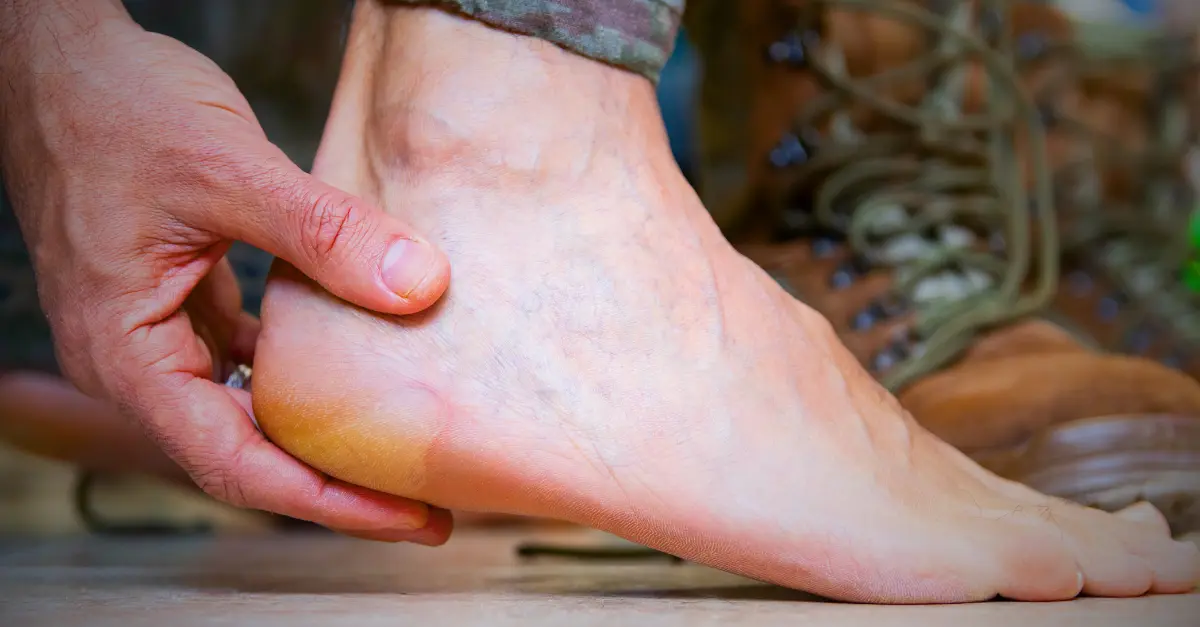
We tend to blame the boot when a blister shows up after three hours of walking, but the real culprit is often hiding lower down. A blister comes from one very specific trio: heat, moisture, and repeated friction. As soon as the foot heats up inside the shoe, sweat builds up, the skin softens, and the slightest internal movement becomes a source of localized irritation.
This exact mechanism is what turns a simple outing into pure agony by the fifteenth kilometer. The wrong sock doesn’t cause a blister on its own, but it creates every condition needed for one to appear faster and more painfully.
The heat, moisture, and friction trio
When the foot shifts a few millimeters inside the shoe with every step, the top layer of skin eventually separates from the deeper layers, creating that infamous pocket of fluid. The more a sock holds onto moisture, the more frequent and aggressive that shifting becomes. This is exactly why good sweat management carries almost as much weight as the choice of shoe itself when it comes to preventing blisters.
The fabric that changes everything underfoot
Choosing the right fabric is, in my view, criterion number one. Cotton absorbs sweat but never releases it, it gets heavier, stretches out of shape, and forms folds that rub against damp skin for hours on end. I banned it from my pack a long time ago, even for short outings.
Merino wool naturally regulates temperature, stays soft against the skin, and has odor-resistant properties that come in handy on a multi-day trek without a shower. Synthetic fibers like polyamide or polyester, on the other hand, dry much faster and hold up better against abrasion over time, which is why most high-end models today blend the two.
Some brands take the concept even further with a double-layer construction, where a thin inner skin stays attached to the foot while an outer layer absorbs the friction against the shoe. The foot no longer rubs directly against anything, and this is often where the real difference lies between a decent sock and a sock that’s genuinely blister-proof.
Thickness and height, details that matter
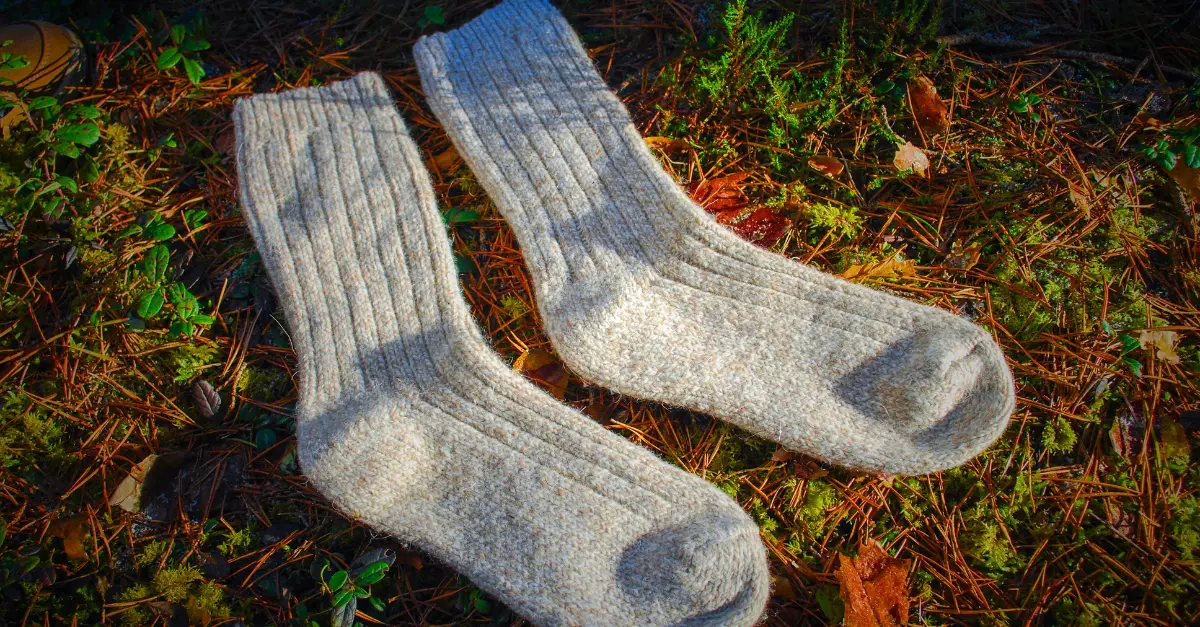
These two factors are often overlooked, yet they directly determine how well the foot stays secured inside the shoe. A sock that’s too thin in a snug shoe lets the foot move around; a sock that’s too thick in that same pair creates excess pressure on top of the foot and ends up cutting off circulation.
Before heading out on a multi-day trek, here’s what I systematically check:
- Fabric: merino for thermal regulation and the odor-fighting effect, synthetic for fast drying and durability, never cotton.
- Cushioning thickness at the heel and forefoot, essential for absorbing impact on rocky terrain.
- Cuff height: mid-calf to protect against rocks and mud, low-cut for hot, fast-paced outings.
- Flat seams, essential for avoiding any localized friction point.
- Overall fit: a sock should hug the foot with no folds or loose zones, otherwise everything else becomes pointless.
- A soft cuff edge, to avoid the tourniquet effect that slows circulation during long climbs.
The models I genuinely recommend in 2026
It’s hard to test every brand on the market, but a few consistently make it into my pack depending on the terrain. Darn Tough offers merino wool models with impressive durability, backed by a lifetime warranty that says a lot about the manufacturer’s confidence. Icebreaker and Smartwool focus on a highly comfortable anatomical cut, especially appreciated on long ascents where every detail counts.
For feet that are really prone to blisters between the toes, Injinji offers toe socks that I often pair with a thicker second layer on top. On the French side, BV Sport and Monnet have developed double-layer constructions specifically designed against friction, while X-Socks relies on smart 3D thermal management built for treks in hot weather. For a first budget-friendly setup, Decathlon’s technical models honestly get the job done on day hikes.
My experience on the trails of the Annapurna
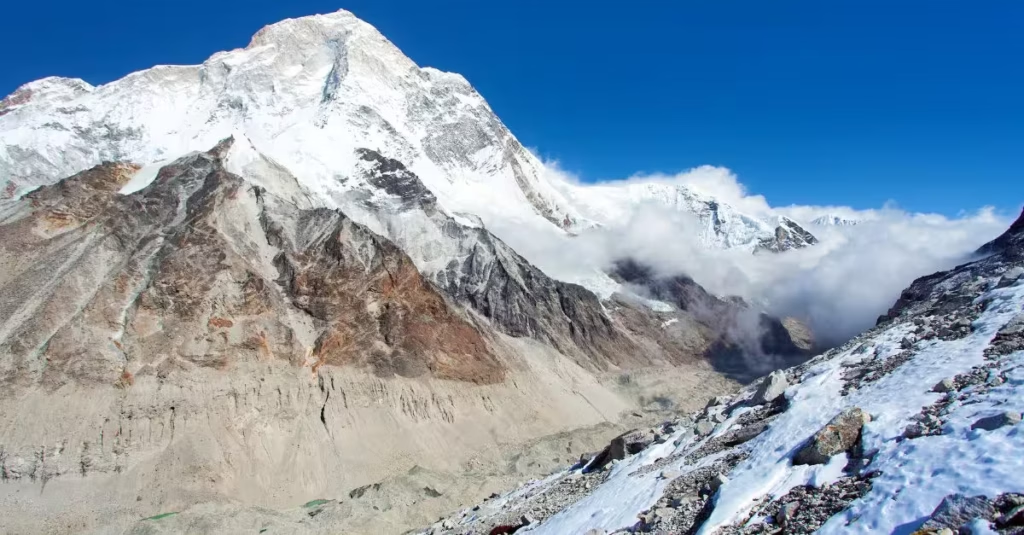
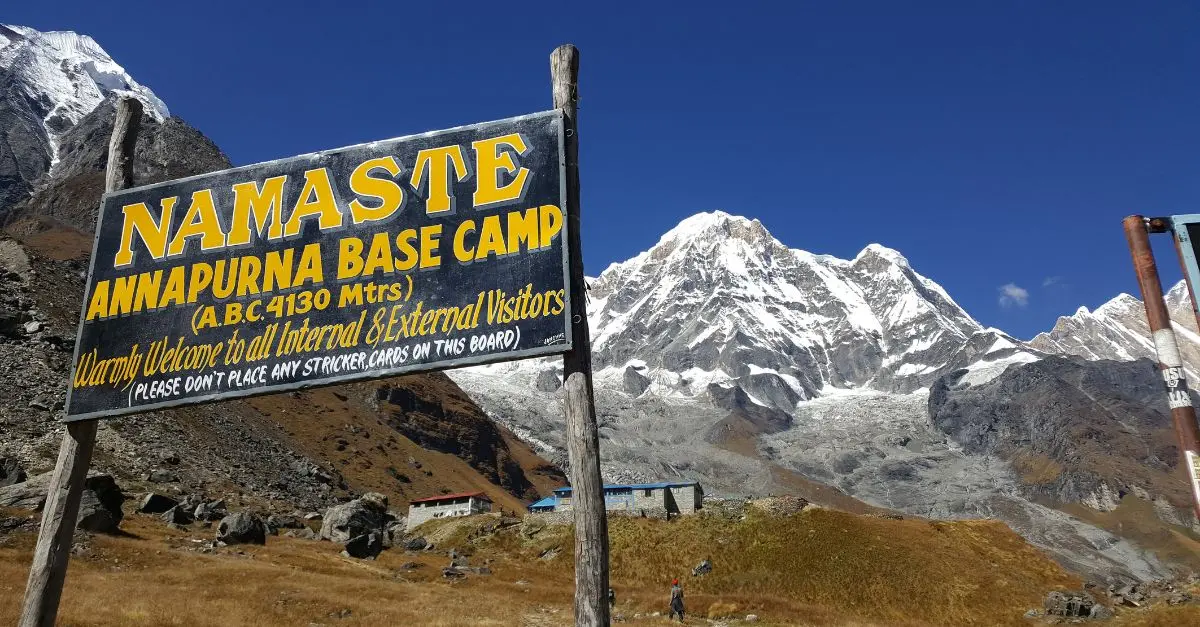
I still remember that descent toward Tatopani, during a trek in the Annapurna region, where I underestimated how much my socks mattered and set off with a cotton pair “for comfort.” After four hours going down a dusty trail, my feet were literally soaking inside a drenched sock, and two huge blisters formed under my heel. I finished that stage limping, and had to stop for two days to let the skin heal before continuing on toward Tarakot.
Since that trek, I never set off again without at least two pairs of technical socks per week of walking, plus a spare pair always tucked away in my pack. It was a costly lesson, but one that taught me the most unassuming piece of gear is sometimes the one that decides how an entire expedition unfolds.
The mistakes that ruin even the best socks
Having the right pair isn’t enough if you make certain basic mistakes. Wearing brand-new socks on day one, with no prior break-in at all, remains one of the most common mistakes among beginner hikers. Skin needs time to get used to a new fabric, just as the foot needs time to adjust to a new cut.
Washing socks at too high a temperature also damages merino fibers and drastically reduces their odor- and friction-resistant properties wash after wash. Finally, layering two pairs that don’t work well together, without testing the combination beforehand, can create more folds and therefore more friction than simply wearing one well-chosen pair.
How to properly pair socks and shoes for zero blisters
A sock never works alone, it forms a duo with the shoe, and that pairing is ultimately what determines real comfort out on the trail. A shoe that’s slightly too big, compensated for with a thicker sock, can sometimes work very well, as long as you test that combination before setting off, never on the day itself.
I always recommend trying on your final socks directly in the store with your trekking boots, rather than buying them separately without checking the final fit. It’s actually a point I go into in more detail in my article on choosing trekking boots suited to long high-altitude treks, available on the site.
FAQ
Should you wear two pairs of socks when trekking?
Yes, the double-pair technique can be very effective in certain situations for limiting friction.
- The ideal layering: The trick is to wear a thin liner sock as a “second skin” under a thicker, classic trekking pair, so that friction happens between the two fabrics rather than against your skin.
- The essential condition: Both pairs need to fit your foot perfectly. Even one extra fold inside the shoe would cancel out the intended effect and trigger a blister.
What’s the best fabric for avoiding blisters?
Fiber choice is the single most crucial factor for keeping your feet intact on the trail.
- The technical top tier: Merino wool and technical synthetic fibers (such as Coolmax or polyamide) come out well ahead of the pack.
- Moisture management: These fabrics excel at quickly wicking sweat away toward the outside of the shoe, keeping your feet dry, which is the golden rule against blisters.
How often should you change your trekking socks?
For a multi-day trek, careful sock management is essential to protect your feet.
- The daily rhythm: It’s strongly recommended to put on a clean, dry pair every morning to start the stage in the best possible conditions.
- The on-trail trick: On especially hot or very humid stages, don’t hesitate to change socks midday to minimize prolonged contact with sweat as much as possible.
Should cotton really be avoided when hiking?
Yes, cotton is the hiker’s worst enemy and should be banned without exception on long distances.
- The sponge trap: Cotton absorbs sweat like a sponge but is incapable of releasing it. The sock gets heavier and stays soaked for hours.
- Skin breakdown: This constant contact with moisture softens the skin (maceration), which significantly increases the risk of painful blisters within the very first kilometers of a demanding trek.