
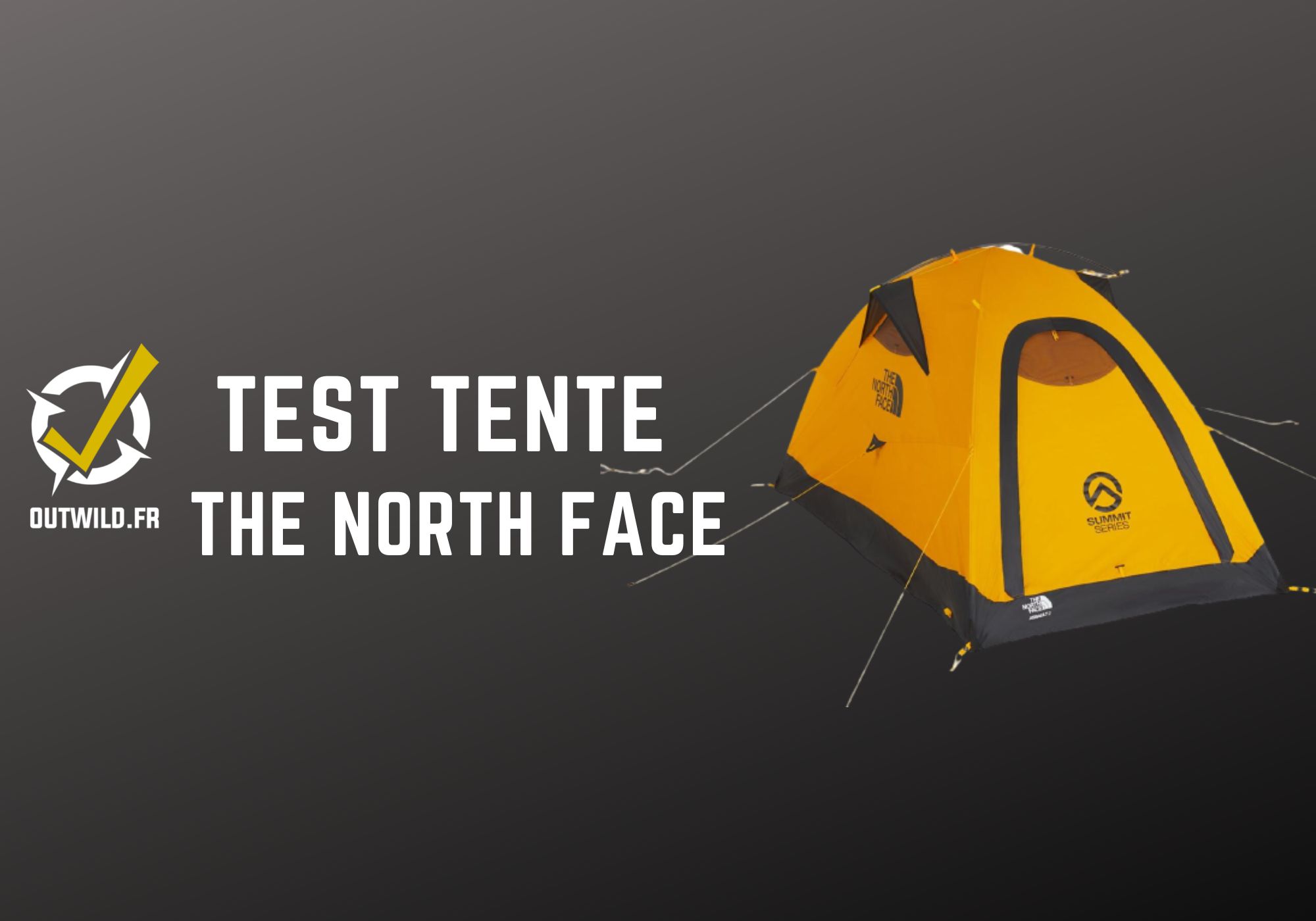
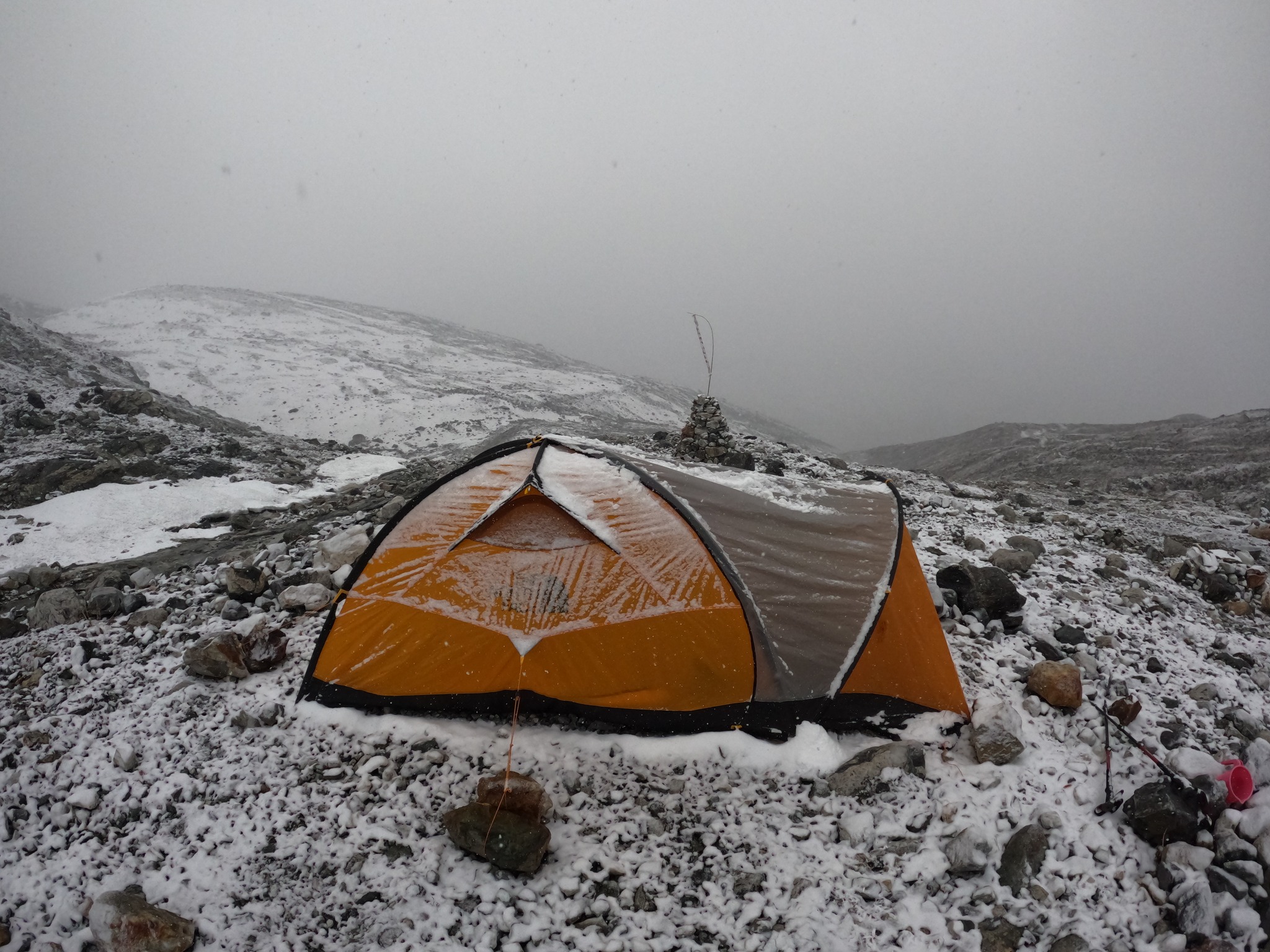
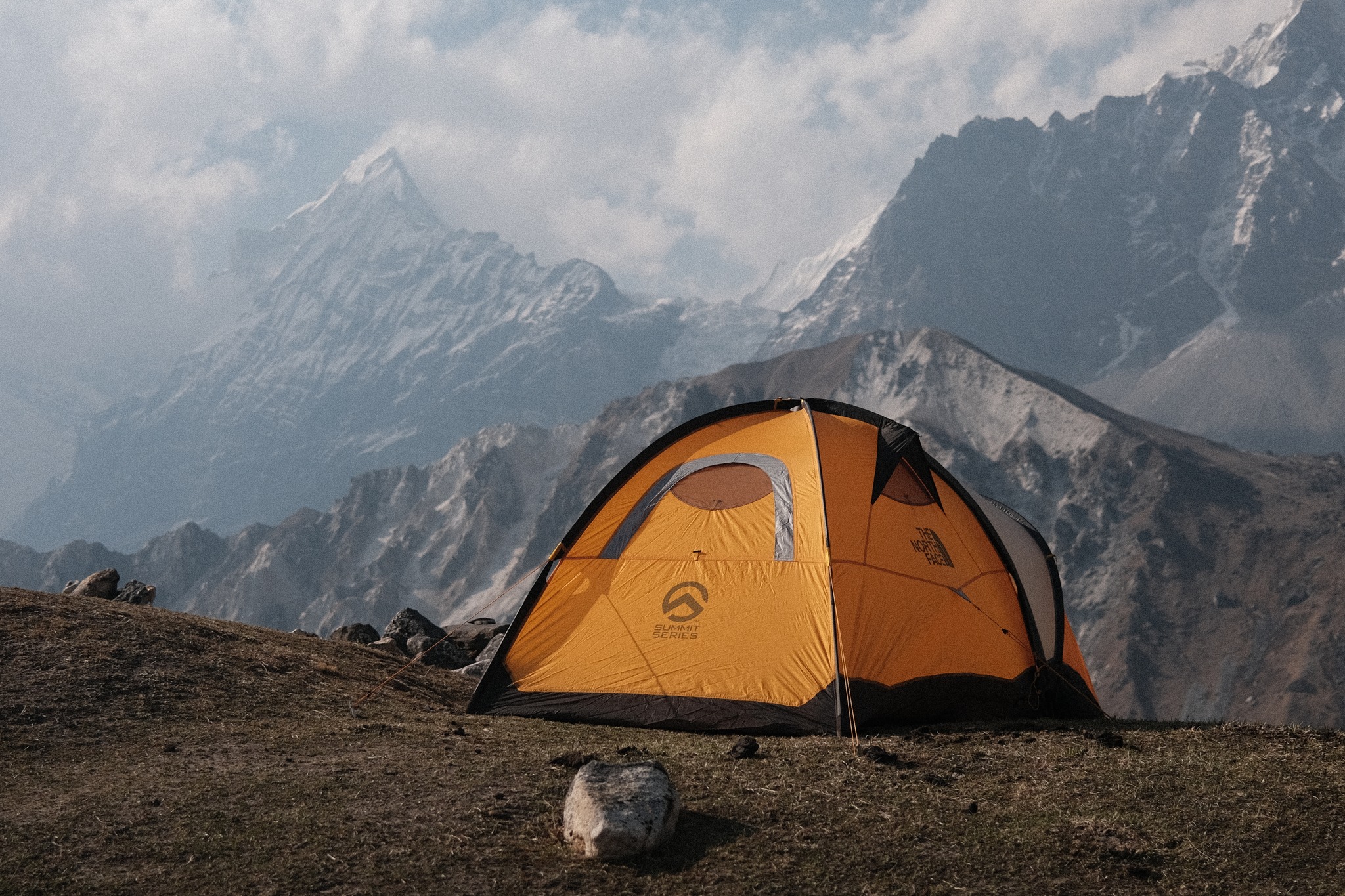
A devoted high-altitude bivouac enthusiast, I was looking for a lightweight two-person tent. After extensive online research, I concluded that the North Face Assault 2 Futurelight Summit was the best option in my price range. After reaching out to the brand, we had the opportunity to test this outstanding tent built for future expeditions — a review we thoroughly enjoyed and found invaluable for our international trips.
Outwild had the opportunity to test a truly high-quality tent. Are you looking for a dome-shaped tent that is both durable and lightweight? If so, the North Face Assault 2 Futurelight Summit could be your best choice. Whether you’re an alpinist, adventurer, or hiker, this dome-shaped tent is engineered to take a beating while staying in peak condition.
The North Face Brand
The North Face is an American outdoor clothing and equipment brand, founded in 1966 in San Francisco. The brand has become renowned for its premium-quality products designed for outdoor activities, including jackets, backpacks, tents, and footwear. The North Face is a subsidiary of VF Corporation, a US-based multinational apparel and accessories company.
The North Face is indeed a brand that offers tents for mountain and outdoor expeditions. The brand’s tents are designed to withstand extreme high-altitude conditions and are frequently used by experienced alpinists, climbers, and hikers. North Face tents are manufactured with high-quality materials for enhanced robustness and durability, and include features such as waterproof and breathable fabrics, two-part pole systems for increased stability, and spacious living areas for greater comfort.
The North Face is genuinely a popular brand among alpinists, thanks to the quality and reliability of its products designed for high-mountain activities. The North Face offers a range of products for alpinists, from single-pole tents for solo ascents to double-pole tents for group expeditions. The brand also offers backpacks specifically designed for alpinism, technical clothing for extreme temperatures, and equipment such as crampons, ropes, and ice axes.
The North Face has a long history of innovation in alpine equipment, with products tested and developed in collaboration with professional mountaineers. As a leading name in alpinism, North Face products are widely regarded as top-tier, meeting the demands of the most exacting and experienced climbers.
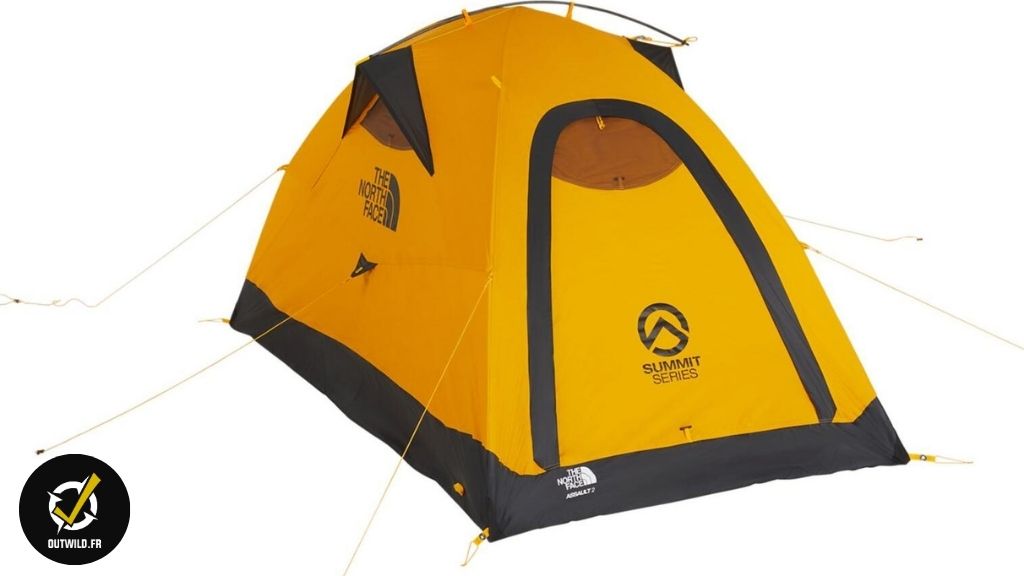
The North Face Assault 2 Futurelight Summit
Bivouac camping gear is the backbone of any mountain journey. With so many tent types on the market, finding the right one comes down to hands-on testing. The North Face Assault 2 Futurelight Summit is a highly durable and breathable two-person tent, perfect for nights in the mountains. This dome-shaped tent is constructed from recycled FutureLight™ 3L laminate material, delivering outstanding waterproofing.
If you’re after a tent that combines extreme resilience, durability, and spaciousness, the Assault 2 Futurelight Summit Gold/Tin Grey from The North Face is an absolute must-try. Built from recycled FutureLight™ 3L laminate, it offers excellent waterproofing along with strong wind and abrasion resistance.
The North Face Assault 2 Futurelight Summit is a two-person mountain tent engineered to withstand the harshest conditions. Its dome design ensures excellent airflow and ventilation, while the cross-pole configuration provides stability in strong winds.
This North Face Assault 2 Futurelight Summit Gold/Tin Grey is a highly durable and breathable two-person tent. In this article, I’ll walk through everything you need to know about it.
The North Face Assault 2 Futurelight Summit Gold/Tin Grey is a two-person dome tent that is waterproof, windproof, and offers excellent ventilation. It is an extremely resistant and breathable shelter, perfectly suited for mountain nights. Its outstanding resistance to water, wind, and abrasion makes it ideal for high-altitude use.
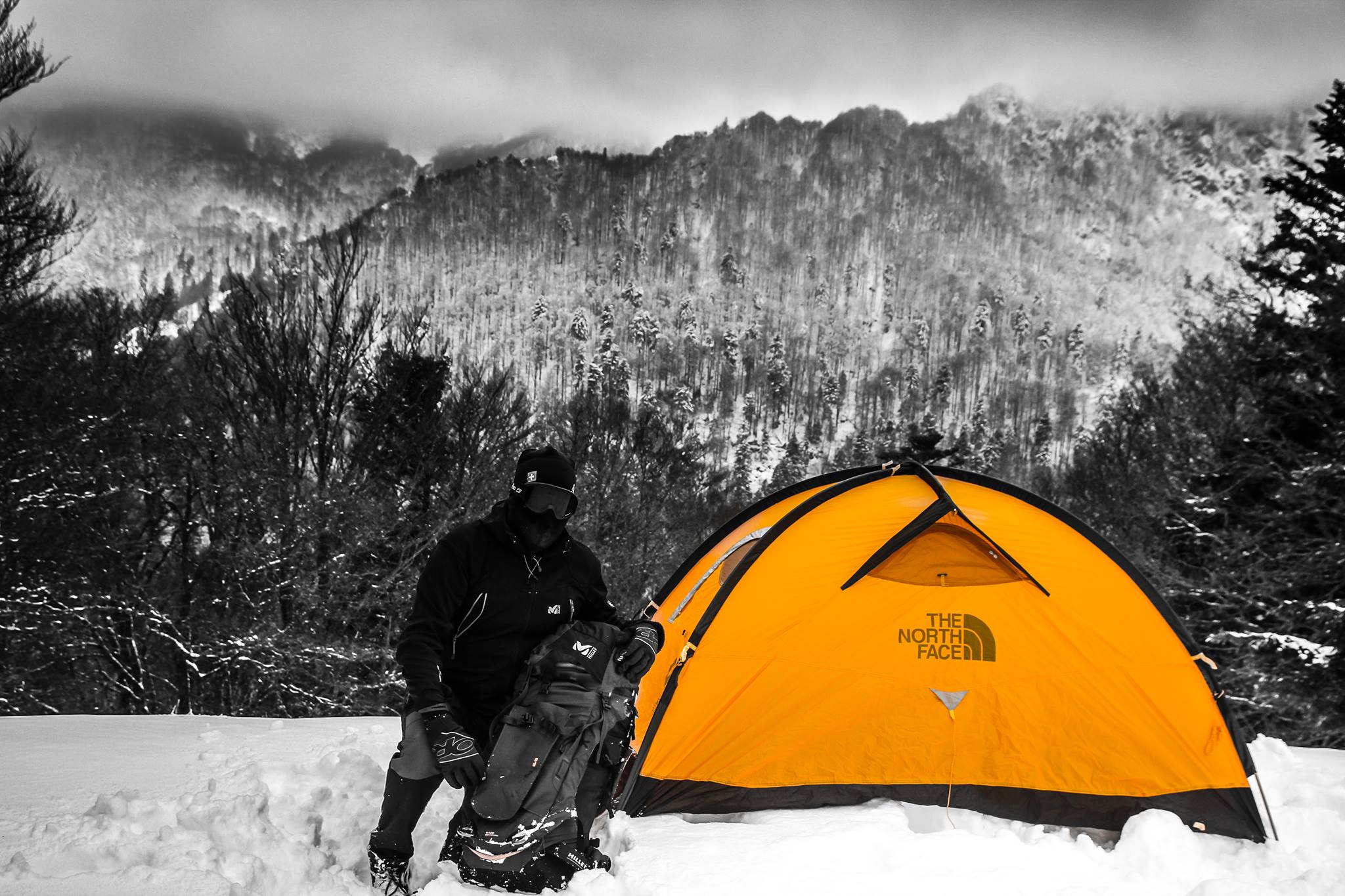
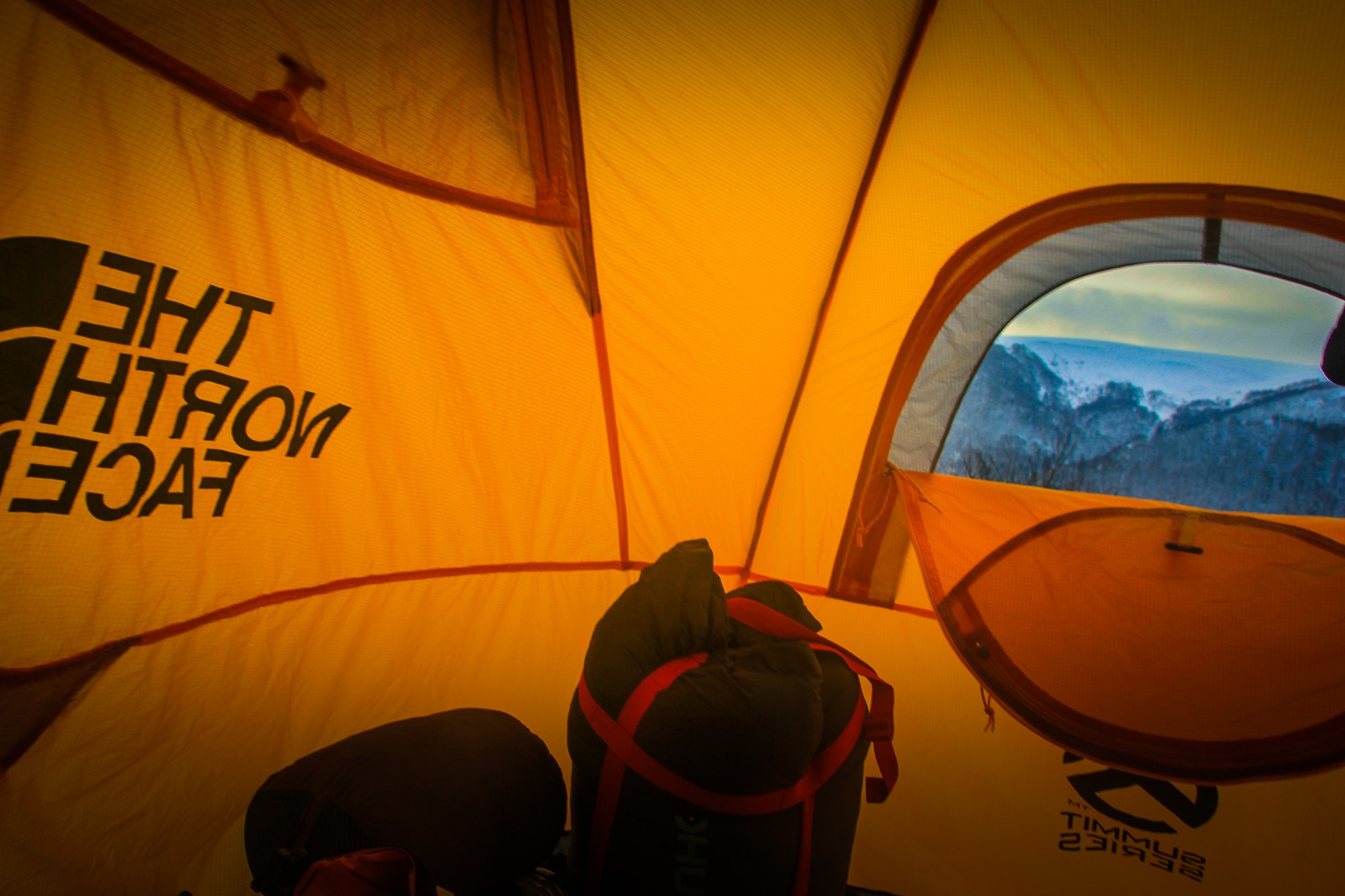
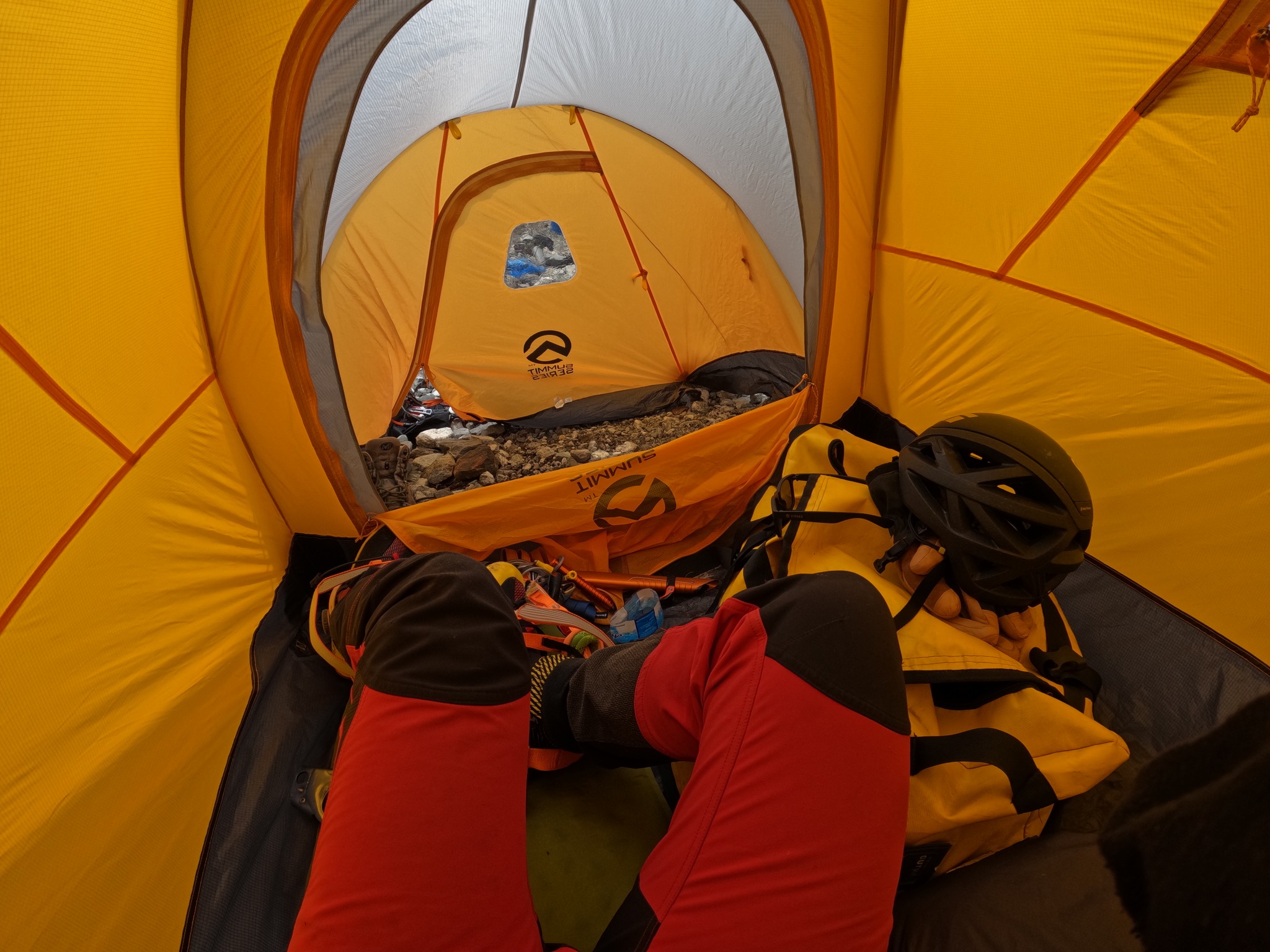
This dome-shaped tent is built from recycled FutureLight™ 3L laminate, offering excellent waterproofing with strong wind and abrasion resistance. The Easton Syclone™ carbon fibre frame makes this tent remarkably light and rigid. Its cross-pole design makes it stable and easy to pitch, and it features a front door and a rear emergency exit. The front vestibule is removable, and two vents facilitate airflow while improving stability in windy conditions.
Thanks to a unique hybrid design, it is easy to use, durable, weather-resistant, and offers outstanding protection from the elements. Its ultralight stuff sack packs into its own pocket on the trail and can be pulled out after use for quick setup and takedown.
The North Face FutureLight Material
The North Face FutureLight tents are designed for alpinists, climbers, and hikers seeking lightweight, high-performance shelters for expeditions in extreme conditions. This innovative material uses a nanometric printing technique to create ultra-high-performance membranes that are breathable, waterproof, and lightweight.
Several FutureLight tents exist within The North Face product range, each designed for specific uses. Some are larger and more comfortable, suited to multi-person expeditions or extended stays. Others are smaller and more streamlined, designed for fast alpine bivouacs or long-distance hiking. All share specific features depending on the model and are built to withstand the most challenging weather conditions.
Additional Features
– Lightweight and strong Easton Syclone™ carbon fibre poles
– Removable front vestibule
– Single front door and rear emergency exit
– Two top vents
– Cross-pole design for easy tensioning of the tent top
Season: 3-season
Shape: Dome
Weight: Min 2,470 g | Max 2,705 g
Volume: 2.49 m2
Materials:
– Canopy: 100% recycled 20D nylon — 73 g/m2
– Vestibule: 100% ripstop nylon — 30D
– Footprint: 100% ripstop nylon — 40D
An Expedition Tent Built for Alpinists
There are many expedition tents designed for alpinists, each with specific characteristics tailored to different needs. But if there’s one that stands out, it’s the North Face Assault 2 Futurelight Summit. If you’re in the market for one, here are the key criteria to consider when purchasing an alpine expedition tent:
- Weight and size: It’s important to choose a tent that is light enough to carry on long hikes, yet spacious enough to sit up comfortably in and store your gear.
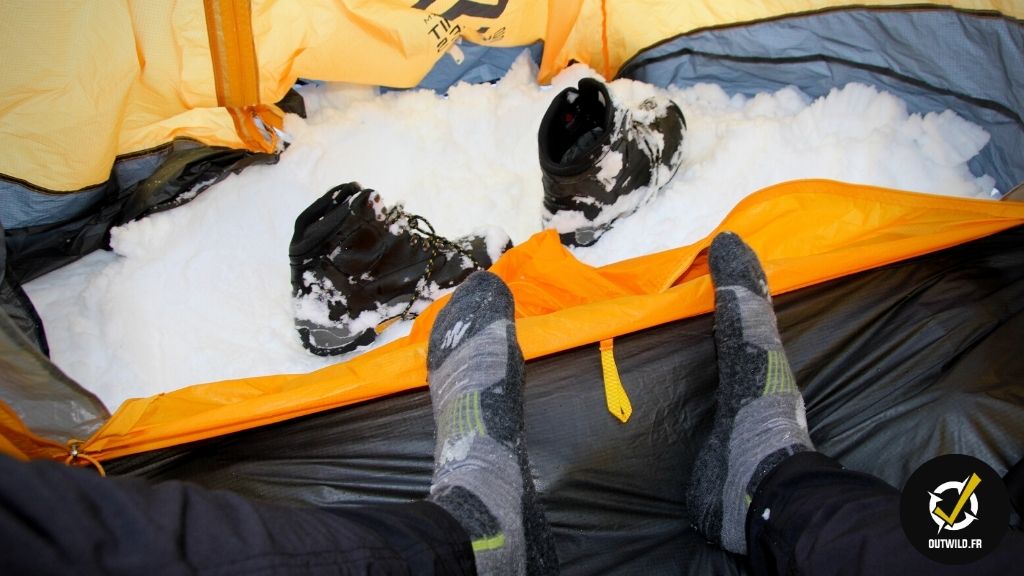
- Weather resistance: Alpine expedition tents must be built to withstand extreme weather conditions such as snowstorms and violent winds. Choosing a tent with solid insulation and structural stability is essential.
- Ease of setup: Alpine expedition tents must be quick and straightforward to pitch and strike, even in difficult conditions. A simple and efficient pitching system is a must.
- Space: Make sure the tent offers enough room for you and your rope partners. If you’re planning a multi-person expedition, a larger tent will be necessary.
Several brands produce expedition tents suited to alpinism, The North Face being a prime example. It’s important to carefully analyse the features and specifications of each model and choose the one that best fits your intended use.
Bonus Section…
Head Out on a Bivouac with This Tent!
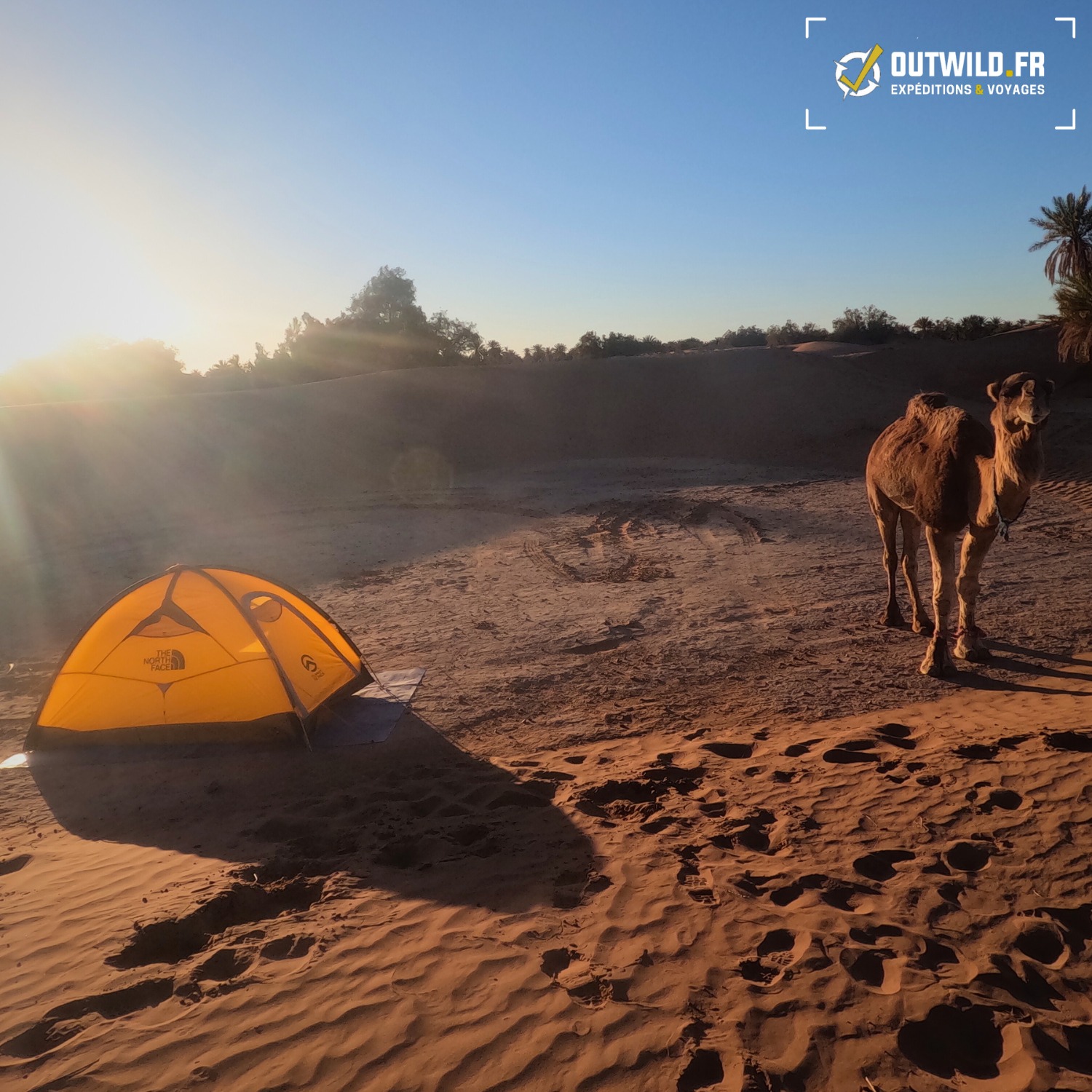
A bivouac is a temporary shelter set up during a rest stop in open terrain or a wild environment. It primarily consists of a sleeping bag, bedding, and a small amount of food. The word comes from the French term for “spending the night outdoors.” Going on a bivouac is one of the best ways to escape the city and experience true wilderness. You can cut out traffic noise and pollution, enjoy quality time with friends or family, and engage in hiking, cycling, and other outdoor sports.
Camping (or bivouacking) doesn’t necessarily mean pitching a tent and staying in the same spot for days on end. It’s about travelling light, discovering new environments, and having fun with friends. And that’s exactly what you get when you set up your bivouac tent: lightweight protection from the elements so you can safely enjoy every bit of the adventure ahead.
It’s a form of camping that involves more than just sleeping somewhere different and cooking over a campfire. The reasons for going on a bivouac are many and varied — from personal motivations like clearing your head or stepping away from everything, to practical tasks like building campfires, fetching and organising water, cooking, and so on. These days, many people bring their own tent, though large groups sometimes gather under a single large shelter. Another option is tarp camping.
Why Go on a Bivouac?
Because it’s fun and deeply relaxing. When the weather turns, you get to sleep under the open sky. If you want to spend time in nature — to explore or simply step away from work for a day — it’s perfect. Try it once and you’ll understand why bivouacking is one of the best ways to enjoy camping or hiking in any country, anywhere on Earth.
Having the right gear for camping is crucial for your outdoor adventure, and we’re here to help you make sure yours is up to scratch. Bring a bivouac tent to protect yourself from the elements whether you’re planning a weekend adventure or a week-long escape. Alpine bivouacking is an excellent way to get outside and enjoy nature without worrying about heavy camping equipment. Use a tent, sleeping bag, bivouac sack, and other camping gear for a light and comfortable way to live outdoors.
You’re here because you want to go bivouacking (or camping) or hiking outdoors — and that’s a great thing. With the right gear, you can enjoy peaceful days and nights in areas with no shops and little but nature around you. That said, it’s not all sunshine and roses; many parts of the world don’t enjoy the same level of technology and comfort we have in Europe. And while there’s nothing more romantic than a simple weekend away from civilisation with someone you love, it can sometimes feel more like a fantasy than a reality.
So what do you do if you don’t have a garden or even a proper flat? What if you’re forced to camp on sites considered unsuitable rather than ideal for human use — due to squatters abusing those spaces? How do you overcome situations that could only be resolved by leaving the boundaries of your own city? Historically, the answer has been: you don’t. But times are changing; technology is constantly improving, creating a sense of urgency to innovate faster.
In addition to a bivouac tent, you’ll need to bring the necessary camping equipment. You may be wondering exactly what to pack for a bivouac, so we’ve compiled the full list below.
What to Bring on a Bivouac?
A camping and bivouac gear list outlines the essentials needed for a safe and enjoyable camping trip. It includes items you should normally bring on any camping or bivouac trip, as well as necessary emergency equipment. A bivouac is a temporary camp set up along a trail, river, or other body of water.
For any trip away from home, a solid camping and bivouac gear list is essential. Regardless of your experience level, there will always be situations you haven’t encountered before. Knowing your equipment can therefore help you make better-informed decisions.
When camping and bivouacking, no two setups are the same. Whether you’re backpacking, climbing, or venturing far from civilisation, you want to carry lightweight gear that will perform over the long haul. The gear list below covers everything you need for your trip — you may just need to experiment a little to find what works best for you.
A bivouac compass helps you locate your camp even in total darkness. It features a bright red light, clearly visible from a distance, that will guide you back to your bivouac no matter how dark it gets. This device can also serve as a substitute for your headlamp when you’re out at night.
The camping and bivouac gear list gives you a clear picture of the equipment essential to any camping trip. It includes sleeping bags, tents, backpacks, sleeping mats, inflatable mattresses, and much more.