Kenya is instantly associated with safaris, the Big Five, and the sweeping plains of the Masai Mara. Yet this East African country conceals a lesser-known side that will delight lovers of wide open spaces and vertical challenges. From the snow-capped peaks of Mount Kenya to the volcanic craters of the Rift Valley, and through the lush hills of the Aberdares, the Kenyan landscape offers hikers an absolutely exceptional diversity of scenery. Unlike classic safaris that keep visitors at a distance from nature, trekking trails allow total immersion in preserved ecosystems where wildlife coexists with spectacular geological formations.
Hiking in Kenya has the unique characteristic of crossing several climate zones within just a few hours on foot, moving from humid tropical forest to alpine moorlands and then to equatorial glaciers. This exceptional configuration makes the country an ideal destination for all levels, from the casual walker to the experienced trekker looking to conquer the second highest peak in Africa. With more than 40 mountains exceeding 2,000 metres in altitude and national parks preserving unique ecosystems, Kenya stands out as an extraordinary playground for discovering Africa in a whole new way 🏔️.
Mount Kenya
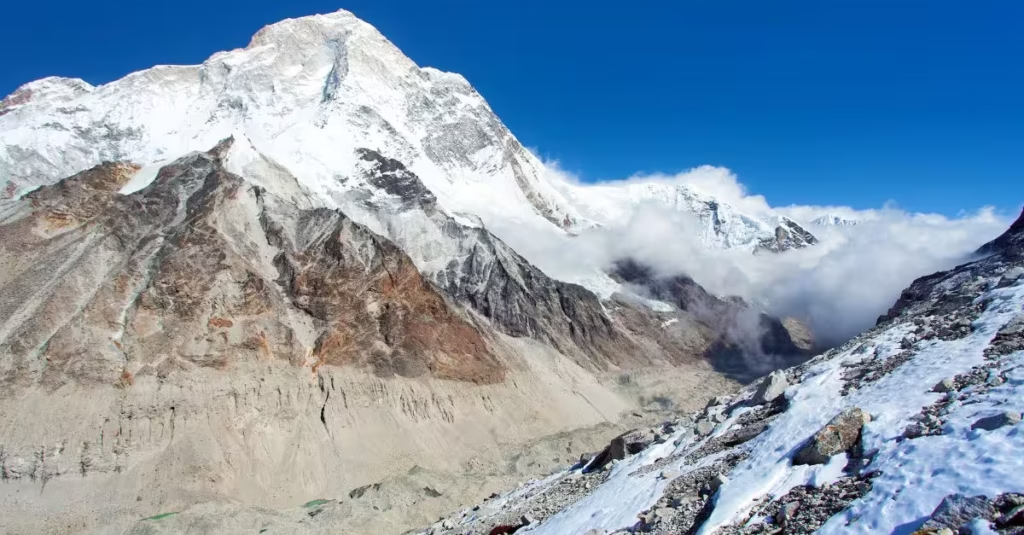
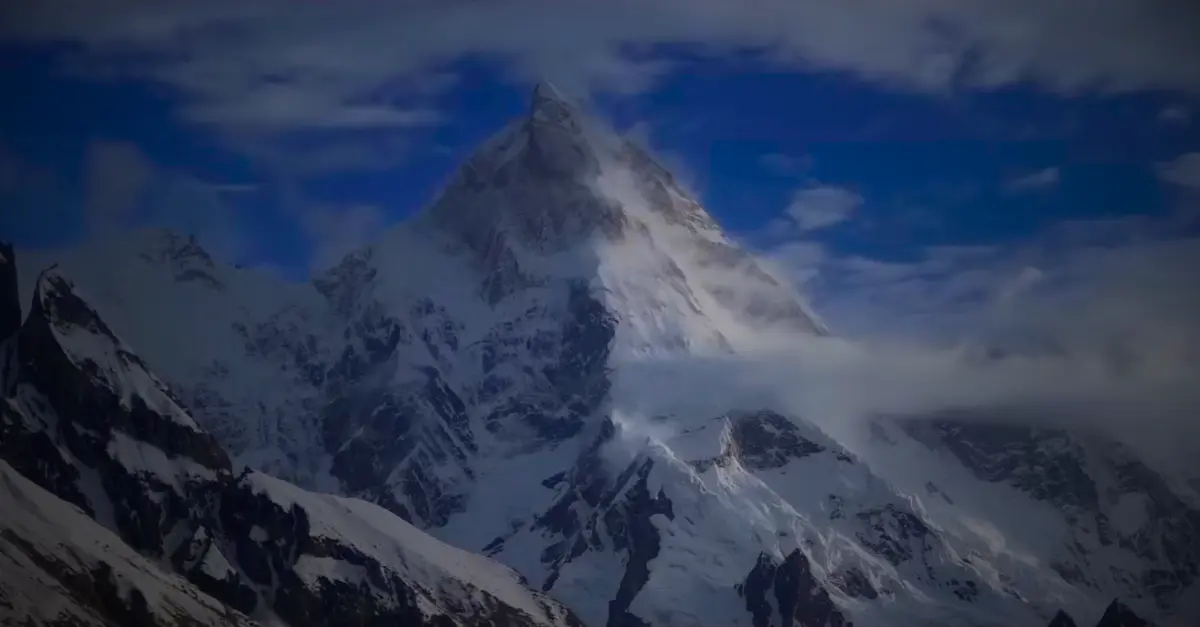
Rising to 5,199 metres above sea level, Mount Kenya represents far more than a simple sporting challenge for hikers from around the world. This mountain, sacred to the Kikuyu and Embu peoples, is the second highest peak in Africa after Kilimanjaro, yet it far surpasses its Tanzanian neighbour in terms of raw beauty and ecological diversity. Unlike Kilimanjaro, which draws crowds of tourists, Mount Kenya retains a more authentic and wild atmosphere, with less frequented trails that allow for a privileged connection with nature.
The ascent of Mount Kenya is generally undertaken via three main routes, each offering a different perspective on this geological marvel. The Sirimon Route, starting from the north-western slopes, remains the most popular thanks to its gentle progression through forests of giant bamboo and alpine meadows dotted with giant lobelias — prehistoric plants that can reach 10 metres in height. This approach allows hikers to gradually acclimatise to the altitude while passing through landscapes that seem to belong to another planet. The Naro Moru trail, shorter but steeper, suits trekkers with less time available, while the Chogoria Route, considered the most spectacular, reveals deep gorges, intensely blue glacial lakes and vertiginous waterfalls before reaching the high-altitude zones.
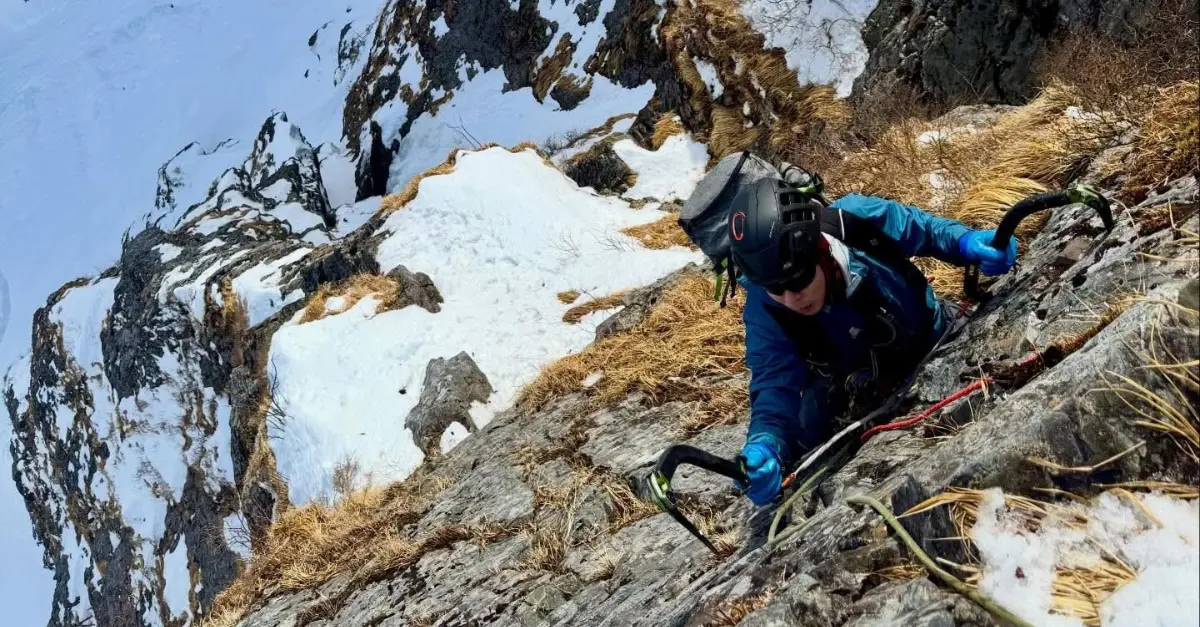
Reaching the twin summits of Batian (5,199m) and Nelion (5,188m) requires technical mountaineering expertise with ropes, crampons and ice axes. However, Point Lenana (4,985m) remains accessible to motivated hikers without any particular alpine skills, while still offering breathtaking panoramas over the Lewis and Tyndall glaciers, which are unfortunately shrinking year after year. The ascent to Lenana generally takes four to five days, allowing for the progressive acclimatisation that is essential to avoid acute mountain sickness, which affects many trekkers who rush the climb.
The wildlife encountered on the slopes of Mount Kenya adds an extra dimension to the adventure. In the lower-altitude forests, elephants, buffaloes and leopards roam the trails, sometimes requiring the presence of armed rangers to ensure hiker safety. Higher up, black-and-white colobus monkeys leap between the trees while rock hyraxes — small mammals that are relatives of the elephant despite resembling marmots — bask in the sun on the rocks. Above 3,500 metres, elephant shrews (sengis) are the last mammals visible before the purely mineral zones where only a few alpine birds survive in extreme conditions.
The Aberdare Hills and Their Forest Secrets
Aberdare National Park, located around 150 kilometres north of Nairobi, offers a fascinating alternative to Mount Kenya for hikers seeking less-frequented routes that are equally rewarding. This volcanic mountain range stretches for nearly 70 kilometres, with peaks reaching 4,000 metres, blanketed in dense, mysterious forest where mist clings to moss-covered trees creating an almost mystical atmosphere. The abundant rainfall throughout the year feeds spectacular waterfalls, some of which rank among the highest in Kenya — including Karuru Falls, which plunges 273 metres into a vertiginous gorge.
The Aberdare trails cross successive ecosystems depending on altitude. The lower zones reveal impenetrable bamboo forests where elephants have carved natural tunnels by regularly forcing their way through, while the mid-altitude areas unveil primary forests harbouring exceptional biodiversity including bongos, giant forest hogs and servals. This faunal richness makes the Aberdares a prime destination for spotting rare mammals that are hard to find elsewhere in Kenya. High-altitude moorlands succeed the forests, offering open landscapes scattered with giant lobelias and groundsels similar to those of Mount Kenya but in a less austere and more accessible environment.
The Karuru Falls hike is the park’s most popular excursion, combining moderate difficulty with spectacular rewards. The trail winds through mountain forest before reaching a vertiginous viewpoint over the three tiered cascades of Karuru, Gura and Chania, which thunder down the cliffs in a permanent roar amplified by the rocky walls. This six to eight-hour walk requires a mandatory guide for safety reasons, as reduced visibility and the presence of dangerous animals make solo exploration particularly risky.
A historical dimension enriches the hiking experience in the Aberdares. During Kenya’s independence struggle in the 1950s, these impenetrable forests sheltered Mau Mau fighters who led their anti-colonial resistance from camps hidden in remote valleys. Some trails pass alongside old caches where these freedom fighters stored weapons and supplies, adding a poignant memorial dimension to the natural scenery. The famous Treetops Lodge, where Princess Elizabeth learned she had become Queen of England in 1952, also bears witness to the complex colonial history of this mountainous region.
Mount Longonot and Its Perfect Crater
Just two hours by road from Nairobi, Mount Longonot offers an ideal day trip for visitors with limited time who nonetheless want an authentic hiking experience. This dormant stratovolcano, standing at 2,776 metres, dominates the Rift Valley with its perfectly symmetrical conical silhouette — the result of its last eruption in the mid-19th century. The climb to the crater rim followed by a full circuit of the caldera makes for a stimulating physical challenge, rewarded by exceptional panoramas over shimmering Lake Naivasha below and the escarpments of the Rift Valley stretching as far as the eye can see.
The main trail starts from the national park entrance and climbs directly toward the crater through semi-arid vegetation of thorny shrubs and hardy grasses. The steady but sustained gradient demands a good level of fitness, with the ascent taking around an hour and a half for experienced walkers. Once at the crater rim at 2,300 metres, the spectacle more than justifies the effort: an almost perfectly circular caldera 1.5 kilometres in diameter opens up beneath the hikers’ feet, its inner walls carpeted with lush forest that contrasts sharply with the external aridity, thanks to the humid microclimate preserved inside the volcano.
The full crater circuit is the true highlight of the experience, covering around 7 kilometres along the narrow ridge with constant elevation changes alternating between steep ascents and descents. This loop generally requires an additional three hours but offers ever-changing perspectives over the Rift Valley, Lake Naivasha and, on a clear day, even Mount Kenya visible on the northern horizon. The highest sections reach the summit at 2,776 metres where fierce winds sweep across the ridge, creating a vertiginous sensation amplified by the abyssal slopes plunging on either side of the trail.
Wildlife at Longonot is relatively discreet compared to more famous parks, but attentive observers may spot solitary buffaloes, zebras and various antelopes in the wooded areas. Eagles and buzzards frequently soar above the crater, exploiting the thermals generated by the sun-warmed volcanic walls. The best period for climbing Longonot runs from June to February during the dry season, as rain makes the trail slippery and dangerous between March and May. An early start allows hikers to avoid the crushing midday heat that can turn the ascent into a true test of endurance ☀️.
Hell’s Gate Gorges and Their Unique Formations
Hell’s Gate National Park has the exceptional distinction of allowing hiking on foot without a mandatory guide — a rarity in Kenya where most parks require vehicles for safety reasons. This liberal policy is explained by the absence of major dangerous predators, allowing visitors to freely explore the spectacular gorges, red sandstone cliffs and volcanic rock columns that inspired the scenery of The Lion King. Located near Lake Naivasha in the Rift Valley, Hell’s Gate combines hiking, climbing and wildlife watching in an absolutely extraordinary geological setting shaped by millions of years of volcanic activity.
The cliffs of Fischer’s Tower and Central Tower dominate the park’s main landscape, rising like stone sentinels above the arid plain where zebras, giraffes, gazelles and warthogs graze in peaceful coexistence. These rock formations attract climbers from around the world who come to test their skills on varied routes offering all levels of difficulty. For non-climbers, simply walking at the foot of these giant columns allows one to appreciate the geological forces that sculpted these surreal landscapes where the earth still seems to bubble with primordial energy.
The undisputed highlight of Hell’s Gate is the narrow gorges, accessible via a fascinating hike through a winding canyon whose walls sometimes reach 30 metres high yet are spaced only a few metres apart. Exploring these gorges requires descending into a dry riverbed, squeezing through narrow passages where progress is sometimes sideways, scrambling over smooth rocks polished by ancient waters and even swimming through a few remaining pools during the rainy season. This almost subterranean adventure produces a sensation of exploration comparable to open-air caving, with spectacular light effects when the sun pierces between the vertical walls, casting rays of light through the shadowy depths of the gorges.
Be warned, however — these magnificent gorges present a deadly danger during and immediately after rainfall. Flash floods can occur without warning when rain falls upstream, transforming the peaceful canyon into a raging torrent that traps unwary visitors. Several fatal accidents have tragically occurred at the site over the years, underscoring the importance of checking weather forecasts and heeding ranger instructions before venturing into the gorges. The gorge visit is generally undertaken with a local guide who knows the emergency exit points and can assess the risks according to weather conditions 🌊.
Essential Gear for Hiking in Kenya
Preparing equipment for Kenyan hikes requires particular attention to the extreme climatic variations encountered at different altitudes and in different regions. For high-mountain treks such as Mount Kenya, a multi-layer system is essential — thermal base layers, fleece mid-layers and a waterproof windproof jacket capable of withstanding rigorous alpine conditions. Night-time temperatures can drop to -15°C on the summits while sunny days turn the alpine moorlands into furnaces by midday. A sleeping bag rated to at least -10°C is essential for nights in mountain huts or high-altitude camps, along with a thick insulating sleeping mat to protect against the cold rising from the frozen ground.
Hiking boots represent the most critical investment for any trekker in Kenya. High-cut boots with Vibram soles offering excellent grip on rocky and muddy terrain are indispensable, particularly in volcanic zones where crumbly rock and scree slopes demand maximum traction. These boots must be properly broken in before departure to avoid blisters that can ruin an expedition. Two pairs of technical socks in merino wool or synthetic material help manage moisture and thermal variations while reducing the friction responsible for painful irritation.
Water is the primary concern on Kenyan hikes, particularly in arid areas such as Hell’s Gate or the lower altitudes of Mount Longonot. Carrying a minimum of three litres per person per day is necessary, supplemented by a purification system such as tablets, a portable filter or a UV device to treat water from rivers and springs encountered along the way. Dehydration sets in quickly under the intense equatorial sun, even when temperatures seem moderate thanks to the altitude. Electrolyte powder added to water helps compensate for mineral salt losses caused by heavy sweating during sustained climbs.
Sun protection should never be overlooked despite common misconceptions about the African climate. At high altitude, UV rays are particularly aggressive, with a thinner atmosphere offering less natural protection. High-factor sunscreen, UV400 sunglasses and a wide-brimmed hat or cap with a neck flap form the essential trio. Lips dry and crack quickly — a lip balm with sun protection prevents painful chapping. For longer treks, a small first-aid kit including blister plasters, anti-inflammatories, altitude sickness medication and antiseptic can make the difference between a successful adventure and a premature evacuation 🎒.
Best Time to Visit and Practical Considerations
Choosing the right time to hike in Kenya considerably influences the quality of the experience on the trails. The dry seasons from January to March and from July to October offer optimal conditions, with generally clear skies allowing exceptional panoramas and passable trails. During these periods, daytime temperatures range between 20 and 25°C at mid-altitude, rising to 30°C in lower areas such as Hell’s Gate. Nights remain cool even during the dry seasons, particularly at altitude where temperatures drop dramatically after sunset, creating a striking contrast with the daytime heat.
The long rains of April and May turn trails into slippery quagmires, making progress difficult and even dangerous — particularly on the steep slopes of Mount Kenya and in the Hell’s Gate gorges which are prone to flash floods. However, the wet season clothes the landscapes in lush vegetation, waterfalls reach their maximum power and photographers appreciate the dramatic clouds clinging to the summits, creating mysterious atmospheres. The short rains of November and December are more moderate and localised, often limited to afternoon showers that leave mornings clear and suitable for hiking. Experienced trekkers seeking solitude can take advantage of these intermediate periods when visitor numbers drop drastically.
Altitude acclimatisation is a crucial medical consideration for ascents of Mount Kenya and hikes exceeding 3,000 metres. Acute mountain sickness can affect anyone regardless of physical fitness, manifesting as headaches, nausea, dizziness and extreme fatigue. The golden rule is to ascend slowly, sleep low and listen to your body without hesitation about descending if symptoms worsen. Four to five-day itineraries to reach Point Lenana allow for progressive adaptation far superior to the three-day express ascents attempted by some rushed trekkers who find themselves unable to enjoy the experience due to altitude sickness.
Permits and regulations vary by park and reserve. Mount Kenya requires fairly high entrance fees of around $50 per person per day, reflecting the costs of maintaining high-mountain infrastructure and conserving this UNESCO World Heritage Site. Hell’s Gate and Longonot charge more accessible rates of around $25 per day. All parks require passing through official gates with mandatory hiker registration for safety reasons, enabling efficient search and rescue operations in the event of a disappearance or accident. Guides remain mandatory for certain routes such as the Aberdares, where the risk of encountering dangerous animals justifies the presence of trained, armed professionals 🗺️.