
Tipping in Nepal isn’t some formality you settle absent-mindedly at the end of a meal. It’s a social ritual, sometimes even an emotionally charged moment, that underpins the entire trekking and tourism economy of the country. If you’re planning a trek to Everest, a stay in Pokhara, or just a few days in Kathmandu, knowing how much to give, to whom, and when will save you a fair share of awkward moments. I’ve been trekking regularly in the Himalayas for several years now, and I’ve seen just as many travelers embarrass their guide by giving too little as others who overspent by tipping haphazardly. In this guide, I break things down sector by sector based on what actually happens on the ground, with up-to-date amounts and my take on each situation.
Why tipping carries so much weight in the Nepali economy
There’s one thing you need to understand from the outset: in Nepal, the base salary of a novice porter or guide remains modest, and the tip directly supplements that income rather than acting as a simple courtesy bonus. In many families across the Annapurna or Khumbu valleys, this end-of-season gratuity sometimes amounts to several weeks’ worth of fixed salary. This is no small matter, and local agencies know it: they often deliberately set base salaries low, treating the tip as an almost mandatory component of the overall package.
I remember a trek to Annapurna Base Camp where my porter, Dawa, told me plainly that his monthly salary only covered half of his children’s school fees. The rest came from tips earned over the season. That story stuck with me and has shaped how I budget for every trek since.
This economic reality also explains why the subject can feel taboo or uncomfortable to bring up directly with your team. Nepalis never openly ask for a tip, even when it’s overdue. It’s up to you, as an informed traveler, to anticipate this expense and factor it into your overall travel budget.
The basic rules to know before you go
Before getting into the details sector by sector, a few general principles apply almost everywhere in Nepal, whether you’re trekking, on safari in Chitwan, or simply sightseeing in the city.
Which currency to use for tipping
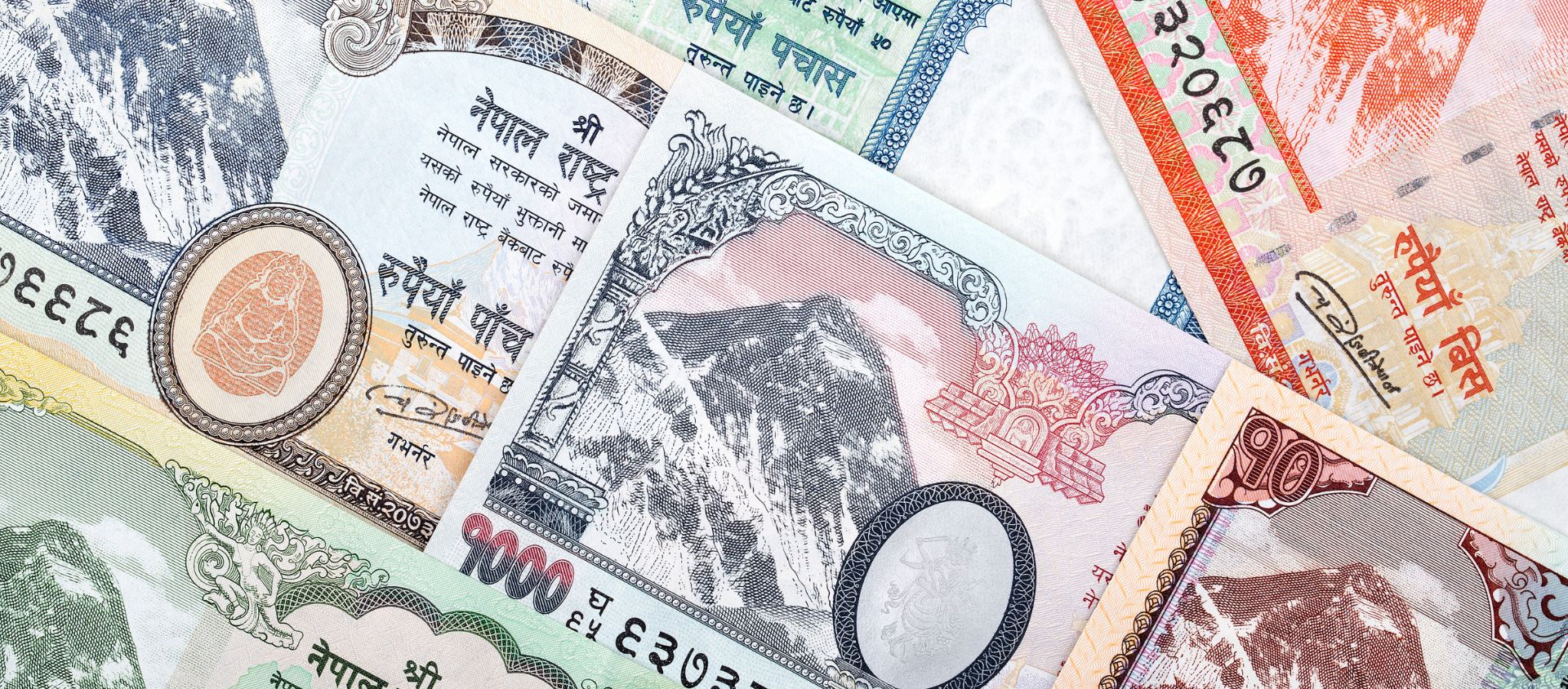
The Nepali rupee (NPR) remains the most appreciated currency for everyday small tips, like at a restaurant or for a taxi driver. For end-of-trek tips given to guides and porters, however, US dollars are far more commonly preferred, since they convert easily and hold their value well. Many agencies actually recommend bringing 1, 5, 10, and 20 dollar bills in good condition, since crumpled or older notes are sometimes refused by local banks.
My very practical advice: change some of your rupees into small bills as soon as you arrive in Kathmandu, and set aside a few clean, recent dollar bills specifically for the end-of-trek tipping ceremony. This avoids the last-minute scramble for small change the night before departure, a classic mistake among underprepared travelers.
When to give the tip
For an organized trek, the traditional moment is the last day, during a dinner or group gathering where the whole team comes together. It’s often a rather touching, almost ceremonial moment, where each person receives their envelope individually. For one-off services such as a driver, a city tour guide, or a masseur, the tip is handed over right at the end of the service, in person, without much ceremony.
Avoid handing out tips in the middle of a trek, except in exceptional circumstances. Doing so disrupts the group dynamic and can create a sense of inequality if not everyone has been thanked in the same way yet.
Tipping for trekking guides
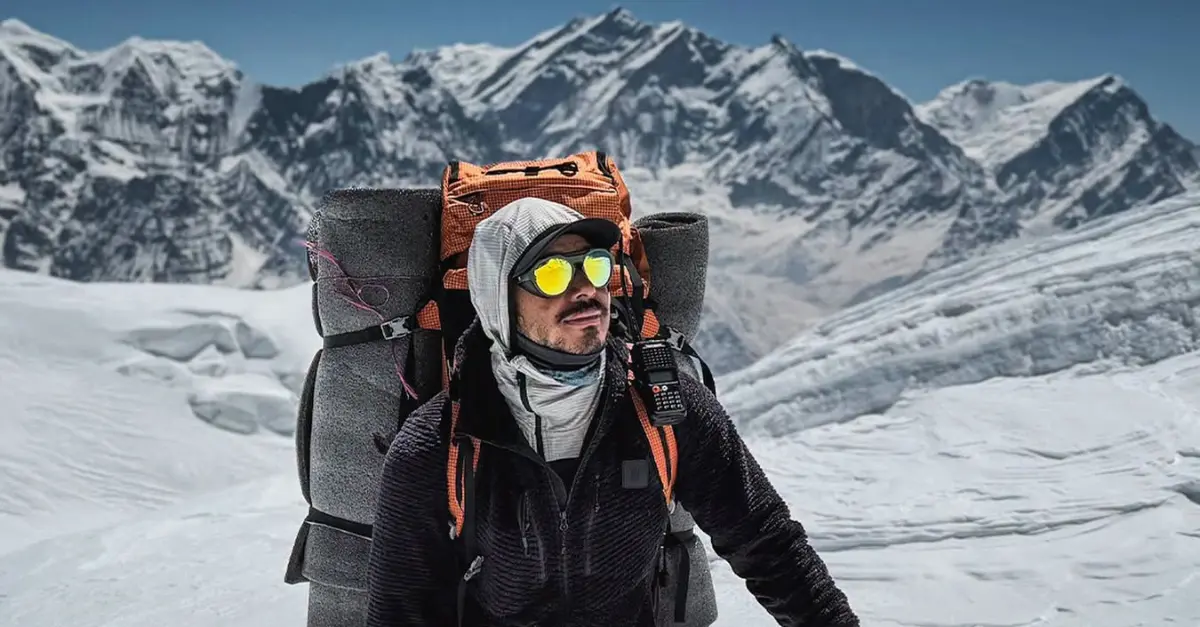
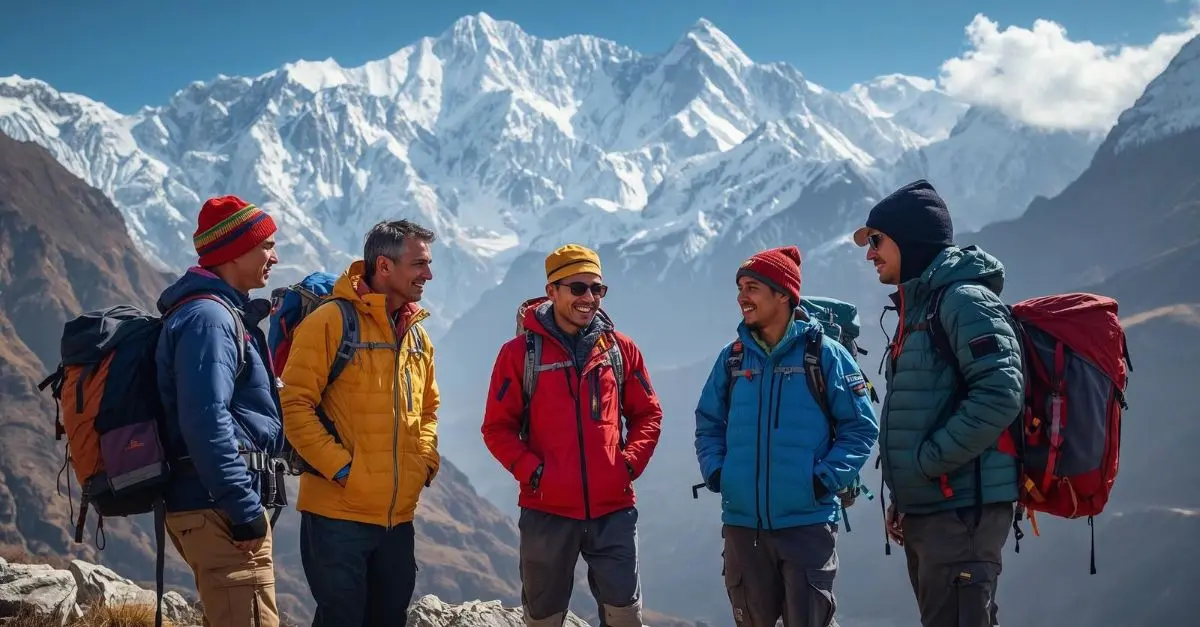
The trekking guide is probably the person who requires the most thought when it comes to calculating a tip, since their role goes well beyond simply walking alongside you. They handle safety, altitude management, negotiations with lodges, and often a good part of your overall peace of mind. The typical range runs between 10 and 15 dollars per day per client for a standard trek, rising to as much as 20 dollars per day on technical or high-altitude routes such as Everest Base Camp.
For a twelve-day trek, that works out to an envelope of between 120 and 180 dollars per person, handed over either all at once or in two installments if the trek runs particularly long. If you’re traveling in a group, the amount doesn’t necessarily multiply strictly by the number of days and people involved: many groups simply pool individual contributions and hand the guide one combined envelope, which keeps things simple.
My personal take on this: I always lean toward the higher end of the range whenever the guide has shown particular vigilance around safety, for instance when someone in the group develops acute mountain sickness. This is a job that carries real responsibility for human lives, and the base pay almost never reflects that level of commitment.
Tipping for porters
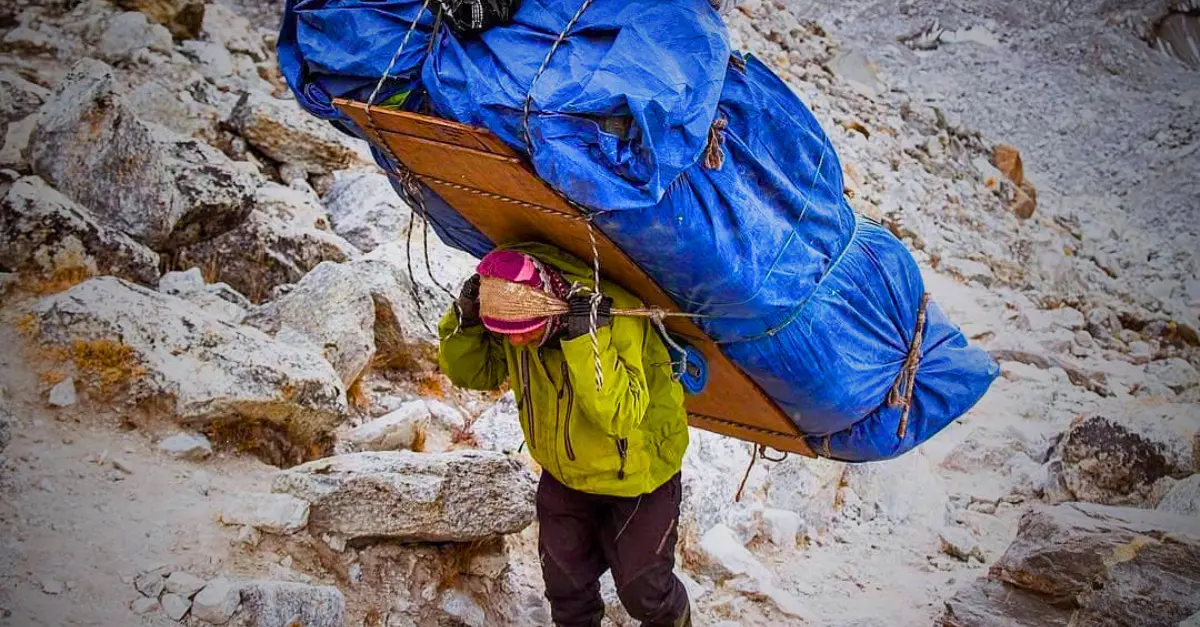
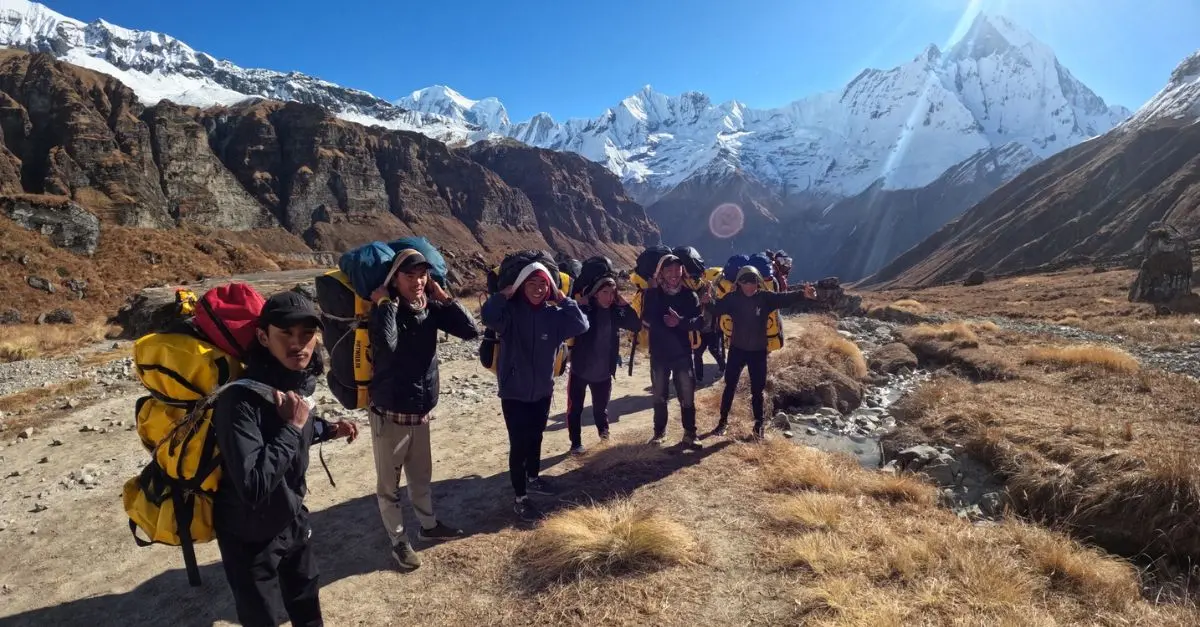
Porters literally carry your comfort on their backs, sometimes up to 25 or 30 kilos at altitude, along steep trails where even you, unburdened, struggle to keep up. The usual tip falls between 8 and 12 dollars per day per client, slightly below what a guide receives, though extra consideration is warranted if the same porter is handling multiple bags.
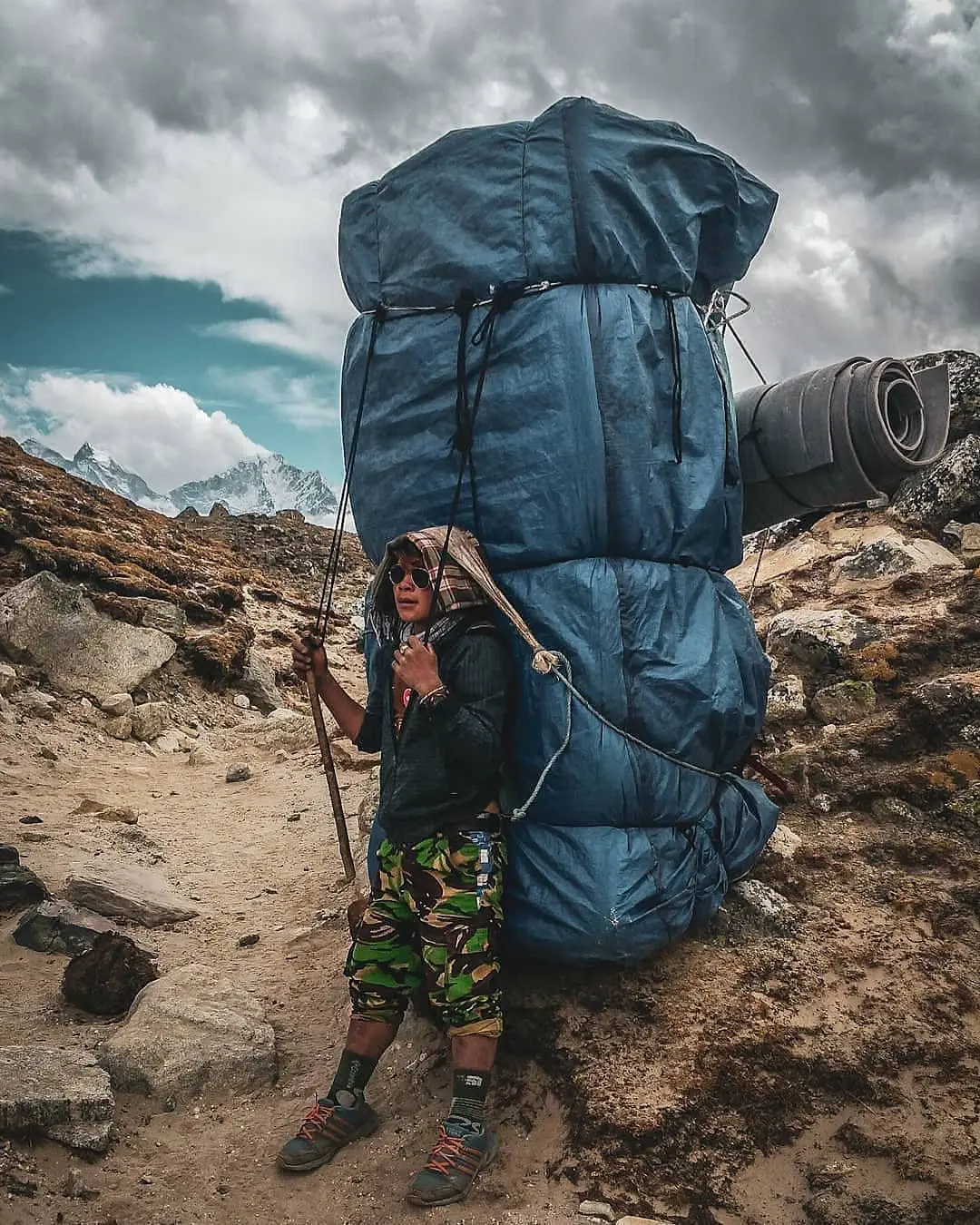
On an Annapurna or Langtang trek, it’s not unusual for one porter to handle the bags of two trekkers at once. In that case, some travelers choose to pool together a slightly more generous tip rather than two separate, minimal ones. Personally, I always try to chat with my porter at some point during the trek, even just for ten minutes, to learn a bit about their background. It makes the tipping moment feel far more genuine than a simple administrative handover at the end of the trip.
Tipping at tea houses and mountain lodges
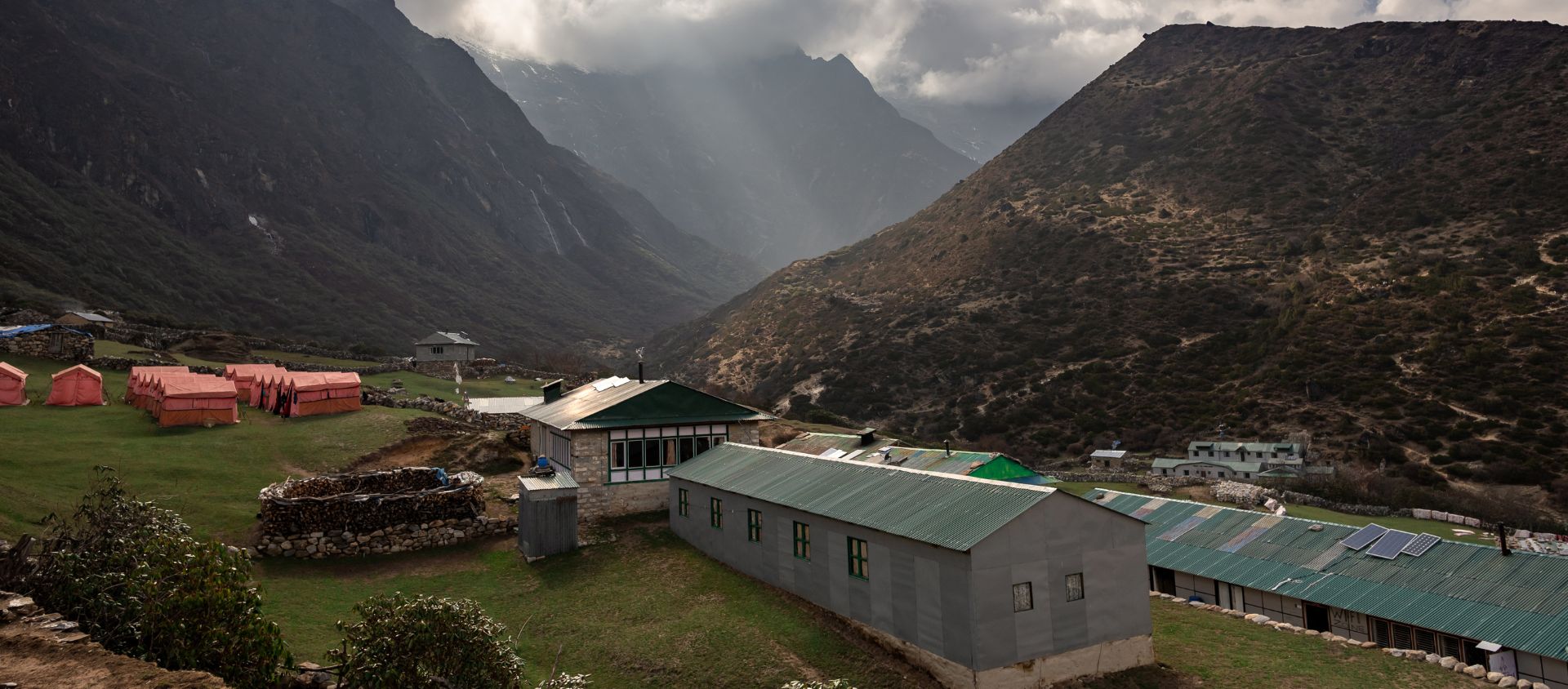
Staff at tea houses often work in tough conditions, with limited access to hot water, electricity, or even a decent signal to stay in touch with their families. For a single meal or an isolated overnight stay, a tip isn’t strictly expected, but it’s always appreciated, typically in the range of 100 to 200 rupees per meal if the service really stood out.
For a multi-night stay at the same lodge, some trekkers leave one overall envelope for the kitchen and dining staff before moving on, generally between 300 and 500 rupees per night stayed, adjusted according to the quality of service and each person’s natural generosity.
Tipping for drivers and city guides
In Kathmandu, in Pokhara, or during organized excursions like a jeep trip to Nagarkot, drivers rarely expect a formal tip, but a small token of 100 to 300 rupees for a standard ride, or 300 to 500 rupees for a half-day private excursion, is always well received. For a cultural city guide, plan for somewhere between 500 and 1000 rupees for a half-day, depending on the quality of the explanations and your overall satisfaction.
I make it a habit to always keep a small stash of 100-rupee notes in my pocket before hopping into a vehicle, precisely for situations like this where I don’t have time to dig through my bag at the end of the ride.
Tipping at high altitude and on mountaineering expeditions
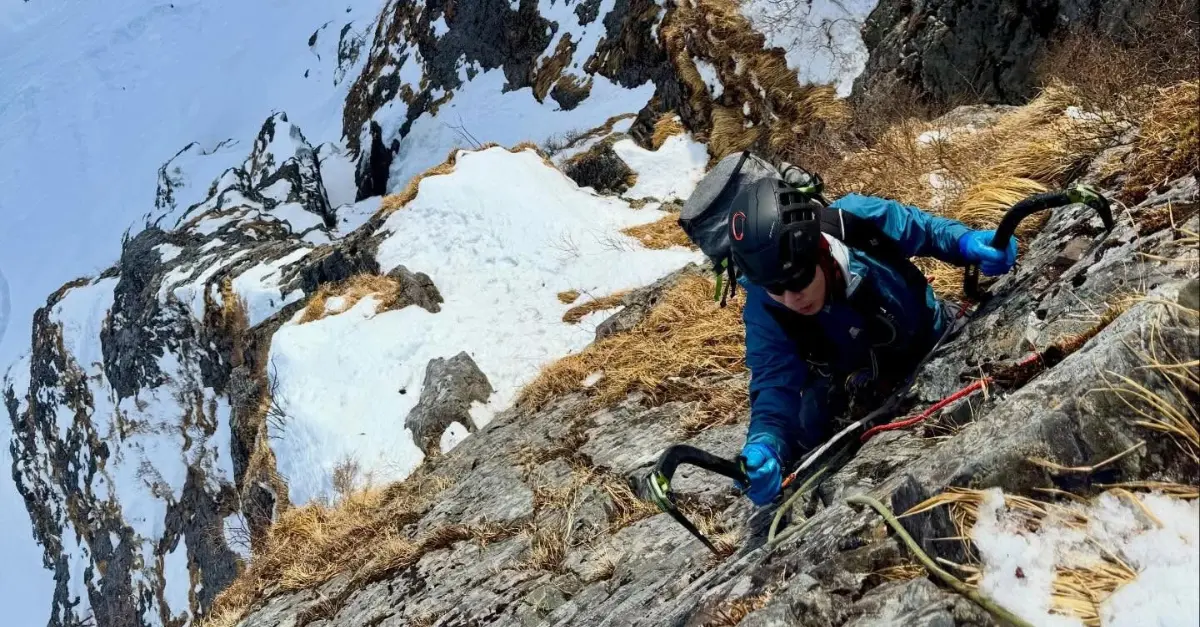
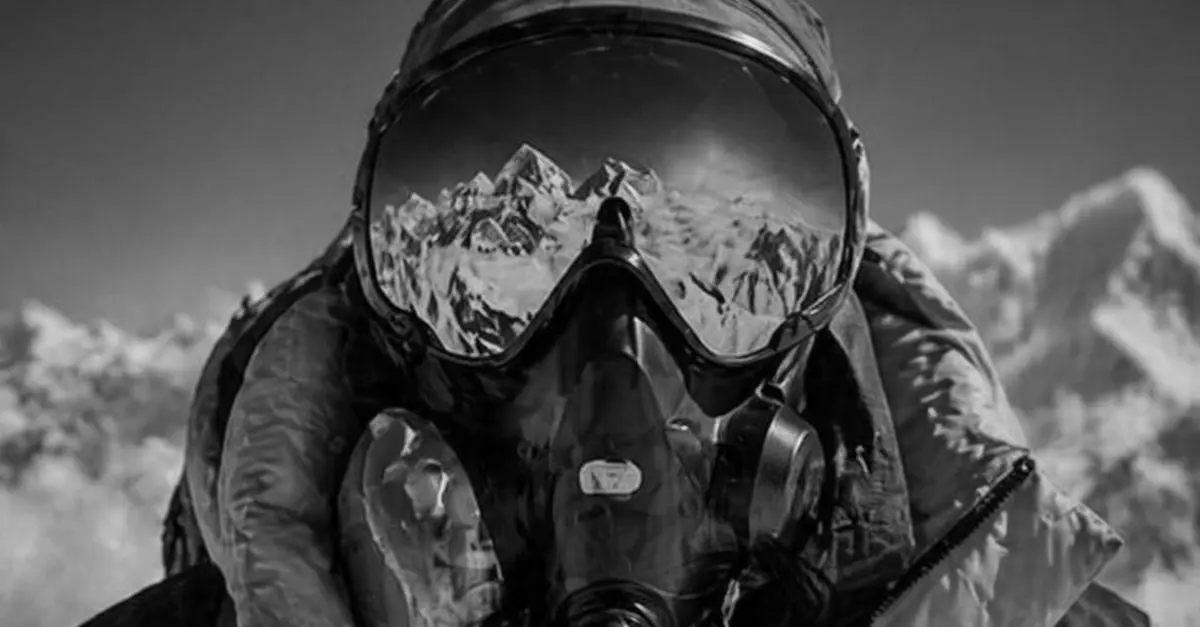
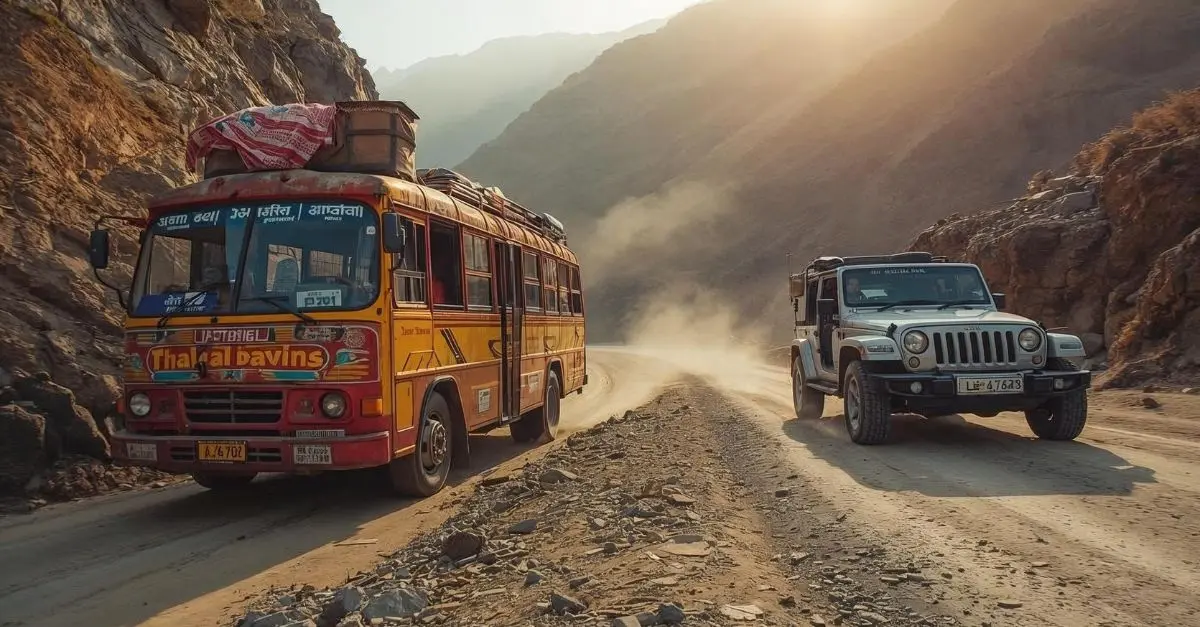
On full-on mountaineering expeditions, toward peaks like Island Peak or even Everest, the scale changes entirely. High-altitude sherpas take on considerably greater risks, fix ropes, carry oxygen, and sometimes literally save lives in an emergency. The traditional tip for an expedition sherpa typically falls between 500 and 2000 dollars, depending on the peak attempted, the length of the expedition, and the level of technical difficulty involved.
That might sound like a lot compared to standard trekking, but it needs to be put in context: these professionals put their lives on the line with every expedition, and several tragic accidents occur at high altitude every year. The tip then becomes less a simple service gratuity and more a recognition of the risk they’ve taken on.
Tipping for rafting, paragliding, and adventure activities
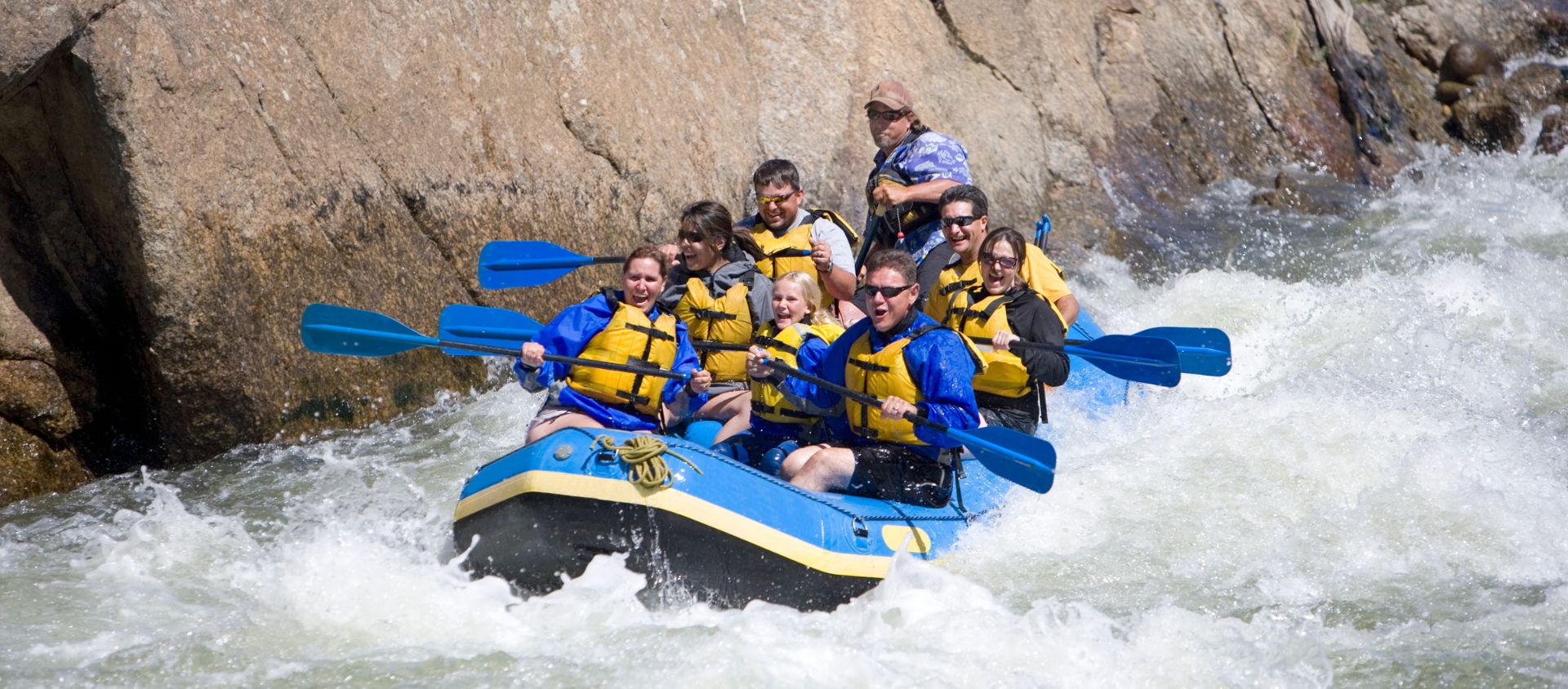
Nepal isn’t just about trekking, and adventure activities like rafting on the Trishuli River, paragliding over Lake Pokhara, or canyoning draw a growing number of travelers every year. In these sectors, tipping follows a slightly different logic than classic trekking, since the services are short, often limited to half a day or a single full day.
For a rafting guide, plan on 200 to 500 rupees per person for a full day out, more if the group particularly appreciated the guiding through technical rapids. For a tandem paragliding instructor, the tip generally falls between 300 and 800 rupees, given that this profession requires a license and substantial flying experience, often underestimated by tourists who don’t quite grasp the level of responsibility involved mid-flight.
I personally flew paragliding above Sarangkot during a stay in Pokhara, and my pilot told me he’d been flying for over fifteen years without ever having a serious accident. That kind of quiet expertise deserves, in my view, a gesture that matches the trust you place in him mid-flight.
For canyoning or guided rock-climbing outings, the same general ranges apply, with a slight increase if the activity runs over several consecutive days with the same instructing team.
The numbers at a glance, sector by sector
To save you time before you leave, here are the ranges most commonly observed on the ground in 2026, to be adjusted based on the length of your stay and your own level of satisfaction:
- Trekking guide: 10 to 15 dollars per day per client, up to 20 dollars on high-altitude routes
- Trekking porter: 8 to 12 dollars per day per client
- High-altitude expedition sherpa: 500 to 2000 dollars depending on the peak
- Tea house staff: 100 to 500 rupees depending on the length of stay
- City or excursion driver: 100 to 500 rupees depending on the service
- Cultural city guide: 500 to 1000 rupees for a half-day
- Restaurant staff in Kathmandu or Pokhara: 5 to 10% of the bill if service isn’t already included
These figures are meant as a guide and can vary slightly depending on the agency and region you travel through, but they offer a solid basis for budgeting your trip without unpleasant surprises.
Tipping at restaurants and hotels in the city
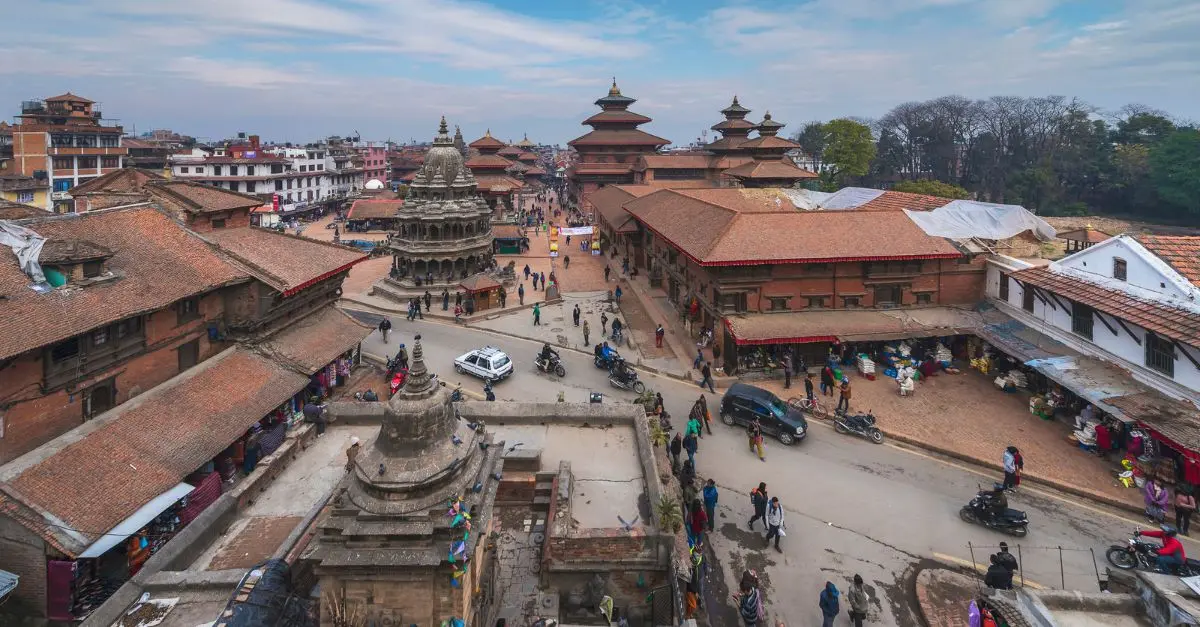
In restaurants in Kathmandu or Pokhara, a service charge of 10% often appears directly on the bill, though this isn’t always the case in small family-run establishments or outside tourist areas. If it isn’t listed on the receipt, a tip of 5 to 10% is a nice gesture, without being a strict obligation the way it can be in other countries.
For hotel staff, whether it’s the porter carrying your bags or the housekeeper, a small note of 50 to 100 rupees per service rendered is more than enough at most mid-range establishments. At higher-end hotels, some travelers prefer to leave one overall envelope at the end of their stay for the whole staff, rather than scattered individual tips.
Mistakes I’ve made and learned to avoid
I’ll admit to a few blunders on my early treks in Nepal. The first time, I handed out my tip in full view of the whole group, not realizing some of the trekkers around me clearly hadn’t planned to give as much. The mood turned oddly awkward, and I’ve since learned it’s far better to keep the handover discreet, either privately or through the team leader, who can then redistribute it fairly.
Another classic mistake is reaching the end of a trek without enough cash, counting on finding an ATM in some remote village that, of course, doesn’t exist. ATMs become drastically scarce past certain altitudes, so it’s far better to plan generously right from Kathmandu rather than scrambling to improvise on the last day.
Finally, I’ve also seen travelers try to negotiate or reduce the tip at the last minute, claiming the service was mediocre. If there’s a genuine grievance, it’s far better to raise it directly with the agency before the trek even starts, rather than penalizing a porter or guide who usually has no control whatsoever over the overall trip logistics.
My pre-departure checklist
Here’s what I systematically check before every trek, now second nature in how I prepare for a trip.
- Set aside a tipping budget separate from your main trekking budget, ideally calculated before even booking the agency
- Exchange dollars for clean small bills as soon as you land in Kathmandu
- Keep a stash of small-denomination rupees for everyday tips
- Ask your local agency directly about the going rate if you’re unsure about that season’s norms
- Plan a dedicated, discreet moment for handing over the tip at the end of the trek
Frequently asked questions about tipping in Nepal
Is tipping mandatory in Nepal?
No, tipping is never legally required, but it’s a fundamental part of the local economy, especially in mountain-related professions.
- In the trekking and mountaineering sector: It’s extremely expected and considered an essential mark of respect. The base pay for guides, assistants, and porters remains modest, so the end-of-trip gratuity makes up a crucial share of their annual income, helping them support their families through the lean months of monsoon season or winter.
- In urban dining: In Kathmandu or Pokhara, tipping remains strictly optional. If the service isn’t already included on the bill (as a “Service Charge”), it’s customary to leave around 5 to 10% of the total if you’re fully satisfied with the experience.
Can you tip using a bank card?
No, tips are paid exclusively in cash, since electronic payment simply isn’t feasible on the ground.
- The reality of the trail: Once you’re in the mountains, banking networks are nonexistent, and local teams have no technical way to receive a transfer or card payment. The tip is therefore handed over in cash, ideally on the last evening of the trek during the farewell dinner.
- Choosing your currency: You can use Nepali rupees (NPR) or US dollars (USD). If you go with dollars, make sure the bills are in perfect condition, clean and uncreased, since local banks consistently refuse damaged notes.
Should you give the same amount to every team member?
No, amounts traditionally vary depending on responsibilities, the physical demands of the task, and each person’s level of involvement.
- The hierarchy of roles: It’s customary to give the lead guide a larger envelope, since they carry responsibility for the group’s safety and logistics. Next comes the assistant guide, then the porters, whose physical effort is immense.
- Personal judgment: While indicative scales exist by role (for example, generally counting around 10 to 20 dollars per day for a guide and 8 to 15 dollars per day for a porter, split among group members), the final amount should ultimately reflect your own impressions, the quality of the support you received, and the care shown throughout the adventure.
Does the tip vary by season or by region?
Yes, expectations can shift subtly depending on how popular the range is and how technical the route turns out to be.
- The major tourist routes: The Everest (Khumbu) and Annapurna valleys have very well-established tipping standards, sometimes slightly higher than elsewhere. Years of hosting a large international clientele have standardized what local teams expect.
- Remote, wilder regions: In more pristine or demanding areas like Manaslu, Dolpo, or Kanchenjunga, teams contend with rougher logistics and greater physical exertion. While initial expectations there can sometimes be more modest, the scarcity of work opportunities in these areas leads responsible travelers to be especially generous in support of local communities.