
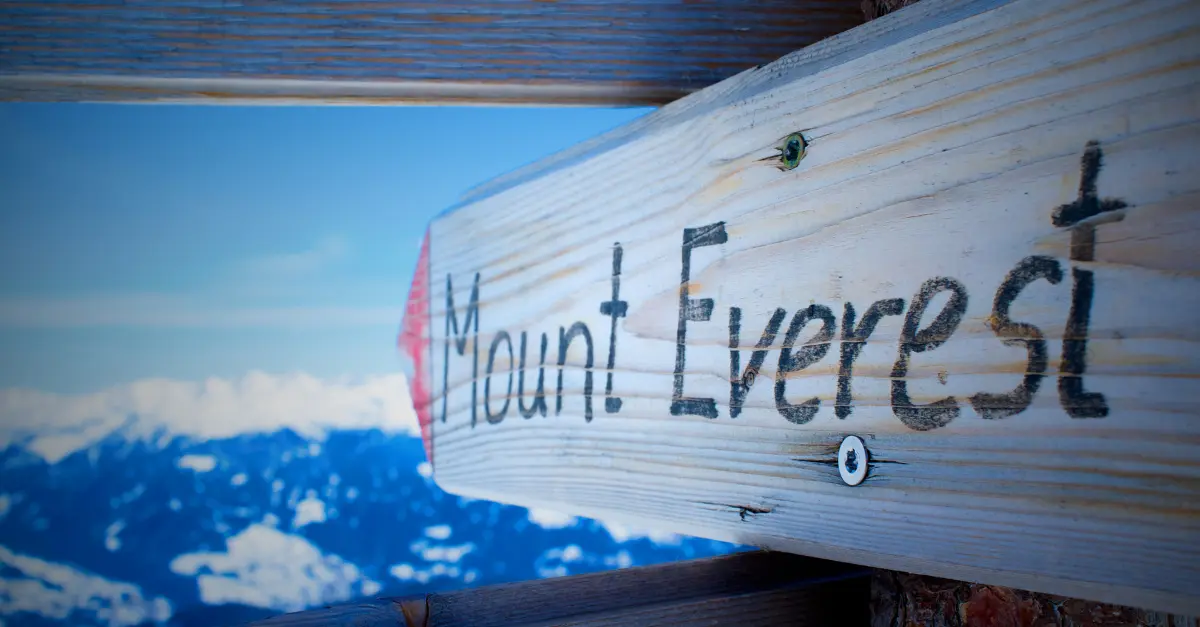
The Everest trek via Jiri is the path taken by Hillary and Tenzing before anyone even talked about Lukla. Before packed flights, before overcrowded lodges, before groups queuing single file on the trail — there was this route. Long, physical, sometimes solitary, but of absolute richness. Starting from Jiri, a village about six hours by bus from Kathmandu, you reach Everest Base Camp in 18 to 21 days of walking, compared to 12-14 from Lukla. Those extra days are not a loss: they are the very essence of the journey. Acclimatization is gradual, villages are authentic, encounters rare but real. If you’re looking for Nepal as it was — and as it still is, far from the beaten path — this variant is one of the most beautiful trekking experiences available in 2026.
The route few trekkers still take
There is something slightly paradoxical about the Everest Base Camp circuit. Every year, thousands of hikers fly to Lukla, land in a village overrun with agencies, and join a near-continuous queue up to Namche Bazaar. It has become a convention, almost an industry. Yet the true historical route — the one that predated Lukla airport, inaugurated only in 1964 — begins at Jiri, in the Dolakha district.
Edmund Hillary, Tenzing Norgay and the entire 1953 British expedition walked for weeks from the outskirts of Kathmandu to reach the foot of Everest. They crossed dozens of villages, climbed sometimes snow-covered passes, lost and regained altitude in loops that sculpted their legs and lungs. Base camp was not a signposted destination with an Instagram panel — it was the culmination of a real journey through the depths of Nepal.
Setting off from Jiri today means reconnecting with that spirit. It’s not masochism or romantic nostalgia. It’s simply a way of giving meaning back to walking, of letting the body adapt gently, and of crossing regions that 95% of trekkers will never see.
Reinhold Messner himself, during his many Himalayan expeditions, spoke of the necessity of “earning altitude on foot” as a form of respect for the mountain. This philosophy resonates perfectly with the logic of the Jiri trek.
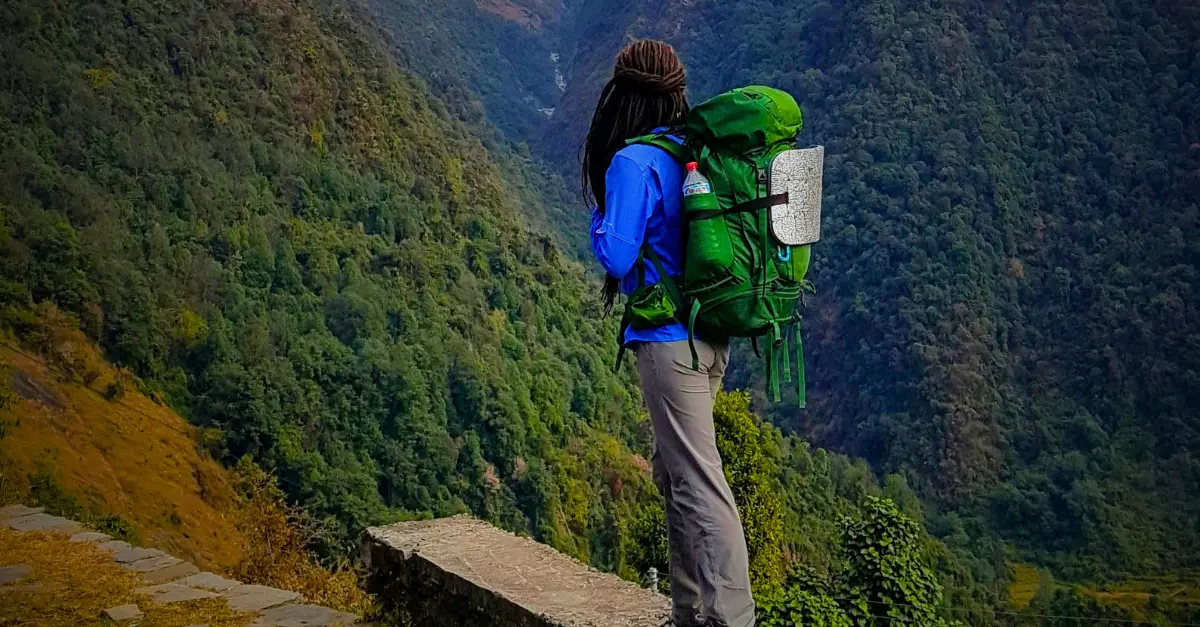
The complete itinerary from Jiri
The first days in the Solu region
The departure from Jiri (1,905 m) is often underestimated. Most people imagine a gentle walk before entering the Khumbu. The reality is more physical: steep climbs, long descents, villages scattered along ridgelines. The first pass, Deorali (2,705 m), sets the tone immediately — and if your knees aren’t used to technical descents, bring trekking poles from the very start.
The classic itinerary then climbs toward Sete (2,575 m), passes through Kenja in the valley, then rises again toward the Lamjura Pass (3,530 m) — one of the most demanding sections of the early days. This pass, often snow-covered outside peak season, marks the symbolic gateway into the Solu. The air is colder, the rhododendron forests dense, and if you’re lucky enough to cross it in April, the sight is unreal: entire trees covered in crimson-red flowers against a backdrop of snowy summits.
The progression continues to Junbesi (2,675 m), one of the most beautiful villages in the Solu Khumbu. You still eat in family homes, sleep under thick blankets, and children watch you with genuine curiosity — not the curiosity accustomed to tourists, but that of a village watching you arrive from afar.
Crossing the Solu to reach the Khumbu
After Junbesi, the trail climbs toward the Tragsindo Pass (3,071 m) before descending into the Dudh Koshi valley. This is where the logic of the terrain really starts to speak to you: you lose and regain altitude as if the landscape is testing your commitment. Some days, you string together more than 1,000 m of positive elevation gain and almost as much negative. Your legs work differently — but that’s excellent news for acclimatization.
At Bupsa and then Phakding, you pick up the first signs of the classic EBC circuit. Lodges are more numerous, trails more frequented. And it’s a strange, almost ambiguous feeling: you’re glad to see some people again, but you also feel a slight nostalgia for those days when you’d walk a full hour without crossing paths with anyone.
Namche Bazaar (3,440 m) arrives like a well-earned reward — and if you’ve managed your progression well, your acclimatization will be significantly stronger than that of trekkers who flew into Lukla just 48 hours earlier.
The stretch to base camp
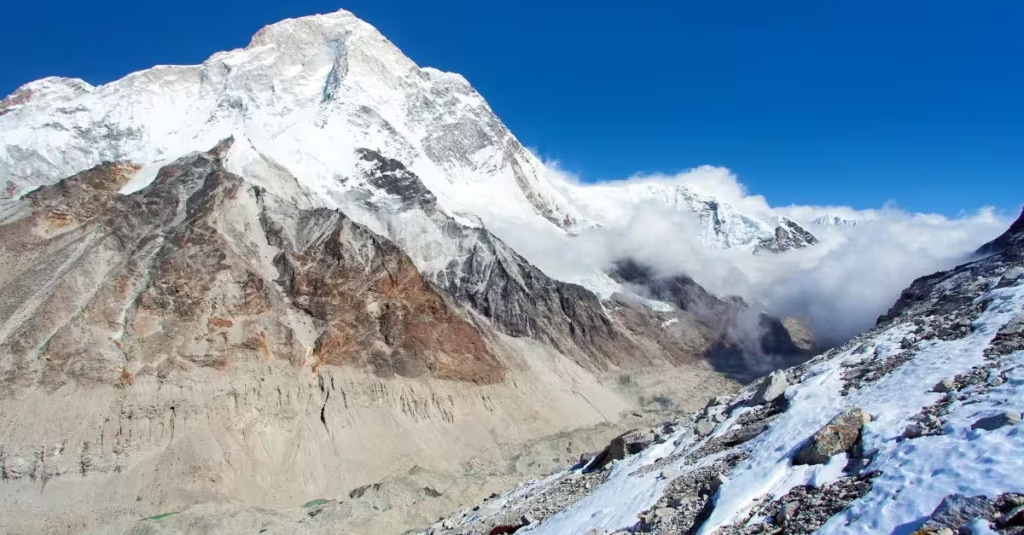
From Namche, the itinerary rejoins the classic circuit: Tengboche (3,860 m) with its iconic monastery, Dingboche (4,410 m), the acclimatization rest at Lobuche (4,940 m), then Gorak Shep (5,140 m) before the final push to base camp at 5,364 m. These stages are well documented — but arriving there after Jiri, they carry a different weight. You’ve earned them differently.

Duration, distance and elevation — the concrete figures
Here is what this trek represents in raw data:
- Total duration from Jiri: 18 to 21 days depending on pace and rest days
- Approximate distance: 190 to 210 km to base camp
- Cumulative elevation gain: 12,000 to 14,000 m — significantly more than via Lukla
- Maximum altitude: 5,364 m (base camp), Kala Patthar at 5,545 m for the brave
- Main passes: Deorali (2,705 m), Lamjura Pass (3,530 m), Tragsindo (3,071 m)
- Starting point: Jiri, 6–7 hours by bus from Kathmandu (or charter flight to Phaplu as an option)
- Best seasons: October–November and March–April
This cumulative elevation gain is one of the most important figures to factor in before you leave. It’s not the high altitude that exhausts you — it’s the accumulation of days, metres, and daily effort. The body learns to recover overnight, muscles adapt, and the mind gradually finds its own walking rhythm. It’s natural physical conditioning, far more effective than any week of cardio at the gym before departure.
Why this variant radically changes your acclimatization
This is the strongest argument in favor of going via Jiri: acclimatization is objectively better. Starting at 1,900 m and climbing gradually over 18 days, the body adapts at a pace that direct flights to Lukla (2,840 m) simply don’t allow.
Trekkers who start at Lukla and climb too quickly are among the most affected by acute mountain sickness (AMS) at Namche or Dingboche. It’s not a question of physical fitness — even elite athletes can be floored by insufficient acclimatization. Altitude medicine specialists regularly remind us that climbing high and sleeping low does not compensate for ascending too fast in the early days.
I experienced this difference myself. When I reached base camp for the first time at 5,364 m, my body had already been operating at progressively higher altitudes for several weeks. That morning, I ate normally, walked without a headache, and slept well — while several members of another group, who had arrived via Lukla a week earlier, were still suffering from persistent headaches at Gorak Shep. The difference cannot be explained by their fitness level. It is explained by the time spent climbing.
The villages you’ll cross and never forget
One of the great advantages of this trek is the cultural richness of the villages you pass through. Unlike the Lukla–Namche axis, where some lodges have lost their local identity under the weight of tourist traffic, the villages of the Solu have kept something intact — a form of authenticity that isn’t performed but lived.
Junbesi remains my absolute favorite. It’s a Sherpa village dominated by the Thupten Choling monastery, with an open view of several summits above 6,000 m. You eat in family homes, chat with elders over a morning cup of yak butter tea, and the atmosphere carries a rare calm.
Phaplu has a small airport — an evacuation option worth keeping in mind in case of medical or weather problems. You won’t need it in the best of cases, but its presence is reassuring on a trek this long and remote.
Ringmo, nestled in a lush valley, is one of those stages that barely appears in guidebooks yet stays with you long after. The pace of life is slow, the paths still dirt tracks, and yak traffic pleasantly replaces the noise of groups in brand-new Gore-Tex.
The further you advance toward the Khumbu, the more the villages change character. Namche marks a kind of “Himalayan civilization” — bakeries, wifi, pharmacies, gear shops. You reconnect with the rest of the world, with everything that implies in terms of comfort and crowds.
Preparing the Everest trek via Jiri in 2026
Required permits
Himalayan bureaucracy has evolved in recent years. In 2026, this trek requires:
- The TIMS (Trekkers’ Information Management System) — available in Kathmandu or through accredited agencies
- The Sagarmatha National Park permit — approximately 3,000 Nepalese rupees (≈ €20)
- The Khumbu Pasang Lhamu Rural Municipality permit — approximately 2,000 rupees (introduced in recent years)
These formalities are easily obtained in Kathmandu at the Tourism Board. There is no legal obligation to hire a guide for this trek, but given the length of the route and the isolated sections in the Solu, I strongly recommend taking one — at least as far as Namche Bazaar.
Approximate budget
A trek via Jiri generally costs less than packaged circuits from Lukla, mainly because lodges in the Solu are less developed. Budget between €800 and €1,500 all-in (excluding international flights) for 20 days: accommodation, meals on the trail, permits, and the bus from Kathmandu.
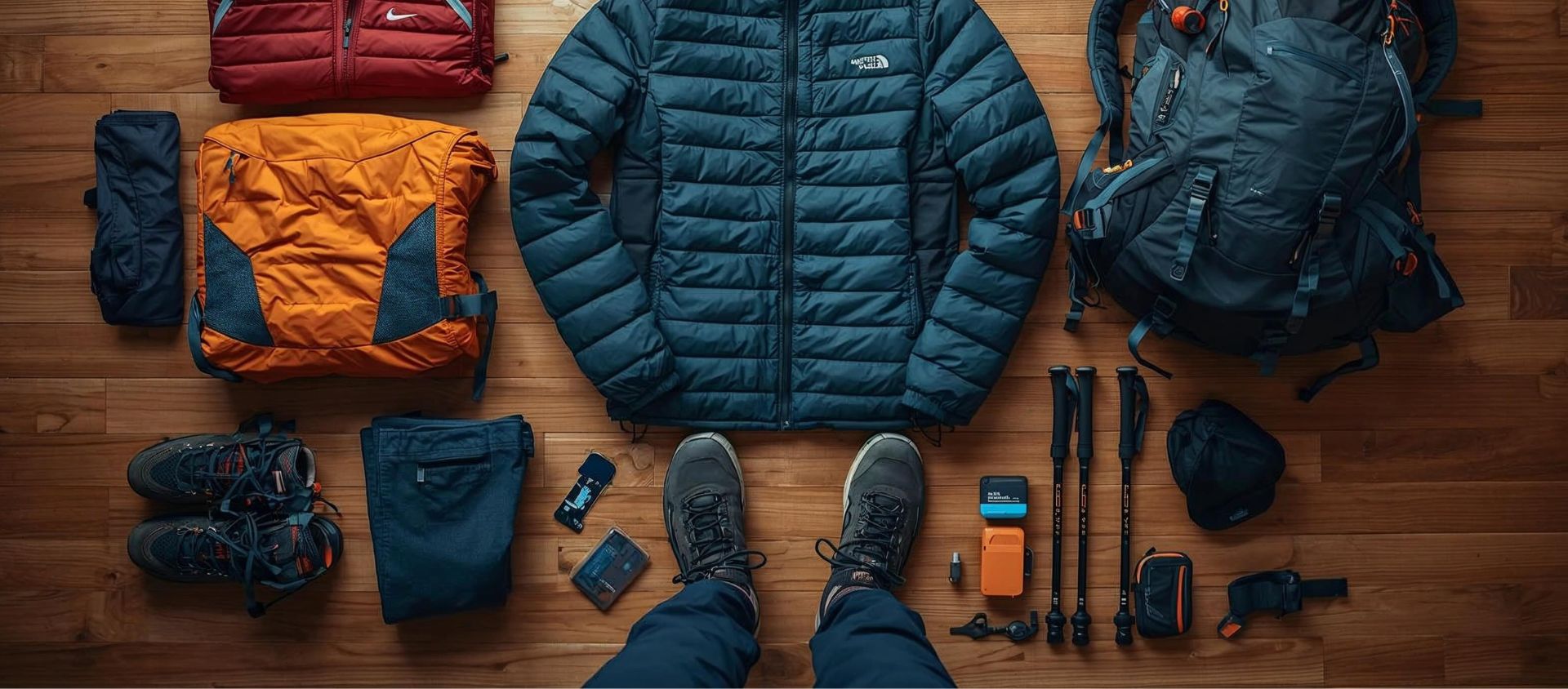
Essential gear
For three weeks of walking, equipment must be reliable without being excessively heavy:
- Gore-Tex waterproof trekking boots, already well broken in before departure
- Sleeping bag rated to comfort −10°C minimum
- Layering system: thermal base layer, synthetic or down mid-layer, waterproof shell
- Trekking poles — your knees will thank you on the long Solu descents
- Altitude kit: ibuprofen, paracetamol, and acetazolamide (Diamox) on medical prescription
- Water filter or purification tablets — essential outside main lodges
My verdict after walking both variants
I did Everest Base Camp via Lukla the first time. Then I went back via Jiri. These are not two versions of the same trek — they are two fundamentally different experiences in their nature and in what they leave you with.
Via Lukla, you reach EBC faster, with less accumulated fatigue in your legs. Via Jiri, you arrive differently: slower, more grounded, with the feeling of having truly earned every metre of altitude. The Solu landscape is as beautiful as the Khumbu — just differently. Greener in its early sections, more agricultural, then progressively more alpine and bare as you push higher.
If I had to recommend one version to an experienced trekker looking for authenticity and serious altitude preparation, I would choose Jiri without hesitation. For someone discovering Nepal with limited time, Lukla remains the logical choice. But if you have three weeks ahead of you and a genuine taste for walking — not just for the destination — Jiri is the answer.

FAQ
How long does it take to get from Jiri to Everest Base Camp?
The historic route via Jiri requires a serious long-term commitment, typically taking between 18 and 21 days of continuous walking.
- The pace of progress: Unlike hopping on a plane to Lukla, leaving from Jiri adds a good week of walking through the Solu hills before joining the main Khumbu trail. The total duration varies depending on your physical endurance and the rest days you allow your body.
- The key to acclimatization: The vast majority of experienced trekkers plan their trip on a solid 20-day basis. This gradual approach allows the body to produce red blood cells progressively while crossing the first medium-altitude passes, ensuring arrival at base camp (5,364 m) under optimal safety conditions.
Do you need a guide for the Everest trek starting from Jiri?
Although the route is technically free to walk independently, hiring a professional guide proves particularly wise on this remote itinerary.
- Trail conditions in the Solu: The first half of the route crosses rural valleys and dense forests far less frequented than the tourist highway starting at Lukla. Waymarking can sometimes be rudimentary and local forks in the path can easily mislead.
- Field expertise: A certified mountain guide brings immense value: they know trail variants to avoid landslide zones, select the most welcoming traditional lodges, and can detect the early clinical signs of acute mountain sickness (AMS) well before the situation becomes problematic at altitude.
What is the best season to set off from Jiri?
The ideal calendar revolves around two distinct weather windows, each offering a unique atmosphere.
- Autumn (October to November) — the season of clarity: The most popular period for walkers. Monsoon winds have swept the atmosphere clean, offering a pure blue sky, excellent visibility of snowy summits, and cool but stable daytime temperatures.
- Spring (April to early May) — the season of flora: Weather conditions remain favorable for long days of walking. The highlight of this season is crossing the Solu region, whose mountain forests are then adorned with a spectacular flowering of giant rhododendrons.
- The period to avoid: Steer clear of the monsoon, which runs from June to September. Torrential rains turn the Solu’s dirt trails into slippery mud streams, leeches proliferate in the vegetation, and low clouds completely mask the views of the Himalayan range.
Is the Jiri trek suitable for beginner hikers?
No, this demanding itinerary is best reserved for walkers who already have solid long-distance trekking experience.
- The elevation trap: It’s sometimes called the “Solu rollercoaster”. Before reaching high mountain terrain, the trail constantly plunges to the bottom of steep valleys only to climb back immediately toward passes above 3,000 metres. The cumulative elevation gain across the entire journey is well above that of the classic trek starting from Lukla.
- Physical requirements: To approach this route with confidence, you need excellent physical condition, no issues with prolonged knee strain on descents, and the ability to sustain 6 to 8 hours of daily effort with a backpack for nearly three consecutive weeks. Prior experience hiking at altitude is a valuable asset for managing your exertion.