
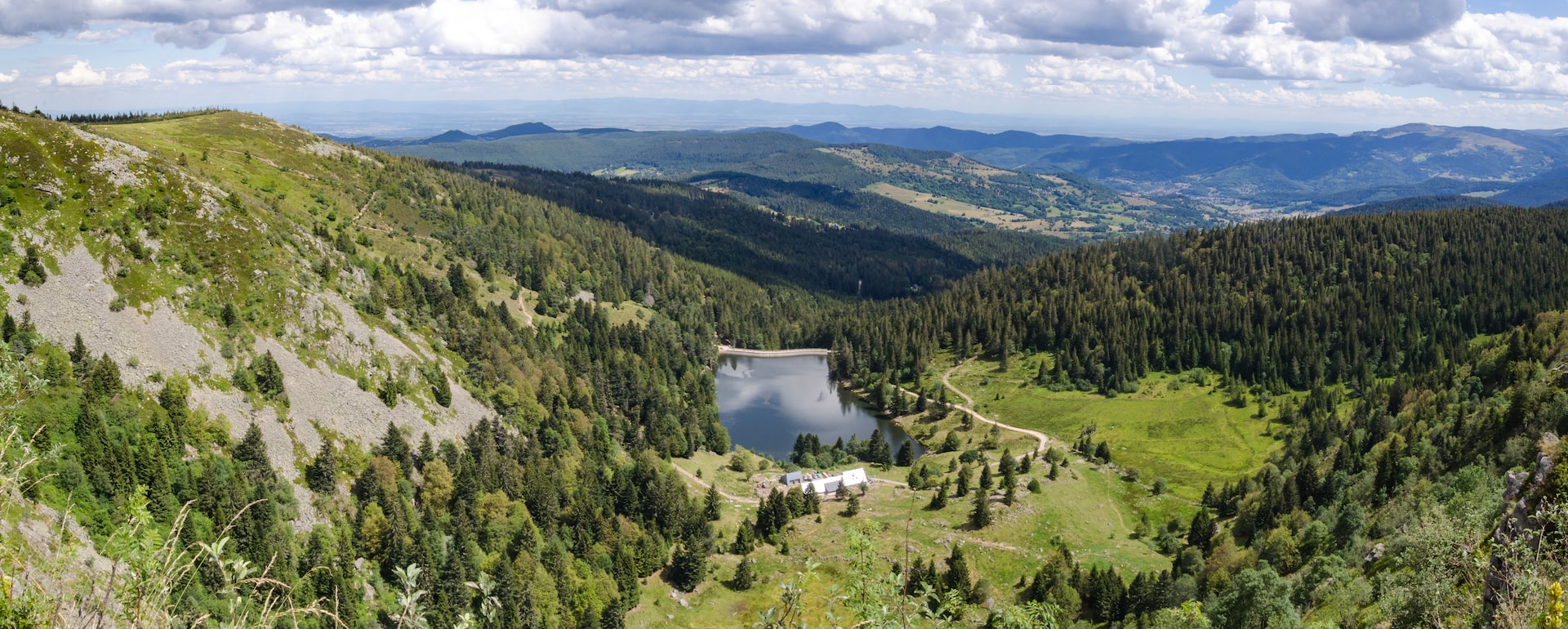
The Vosges Mountains, with their rolling landscapes, dense forests, and breathtaking summit panoramas, are a top destination for outdoor enthusiasts. Located in eastern France, this mountain range offers countless opportunities for hikers, nature lovers, and especially for those seeking an authentic bivouac experience.
Bivouacking — the practice of spending the night outdoors with minimal gear — allows for total, intimate immersion in the environment. However, for the experience to truly succeed, it’s essential to choose your spot carefully, respect nature, and know the rules in force. In this article, we’ll explore the best places to go bivouac camping in the Vosges, along with practical tips for an unforgettable adventure.
What Makes Bivouacking in the Vosges Unique
Before diving into the details of where to set up camp, it’s important to understand the specifics of bivouacking in the Vosges. This mountain range, both gentle and wild, is ideal terrain for hiking and exploration. The Vosges offer pristine nature, with rich wildlife and plant life. It’s also an accessible range, with peaks rarely exceeding 1,400 meters, making exploration relatively easy even for less experienced hikers.
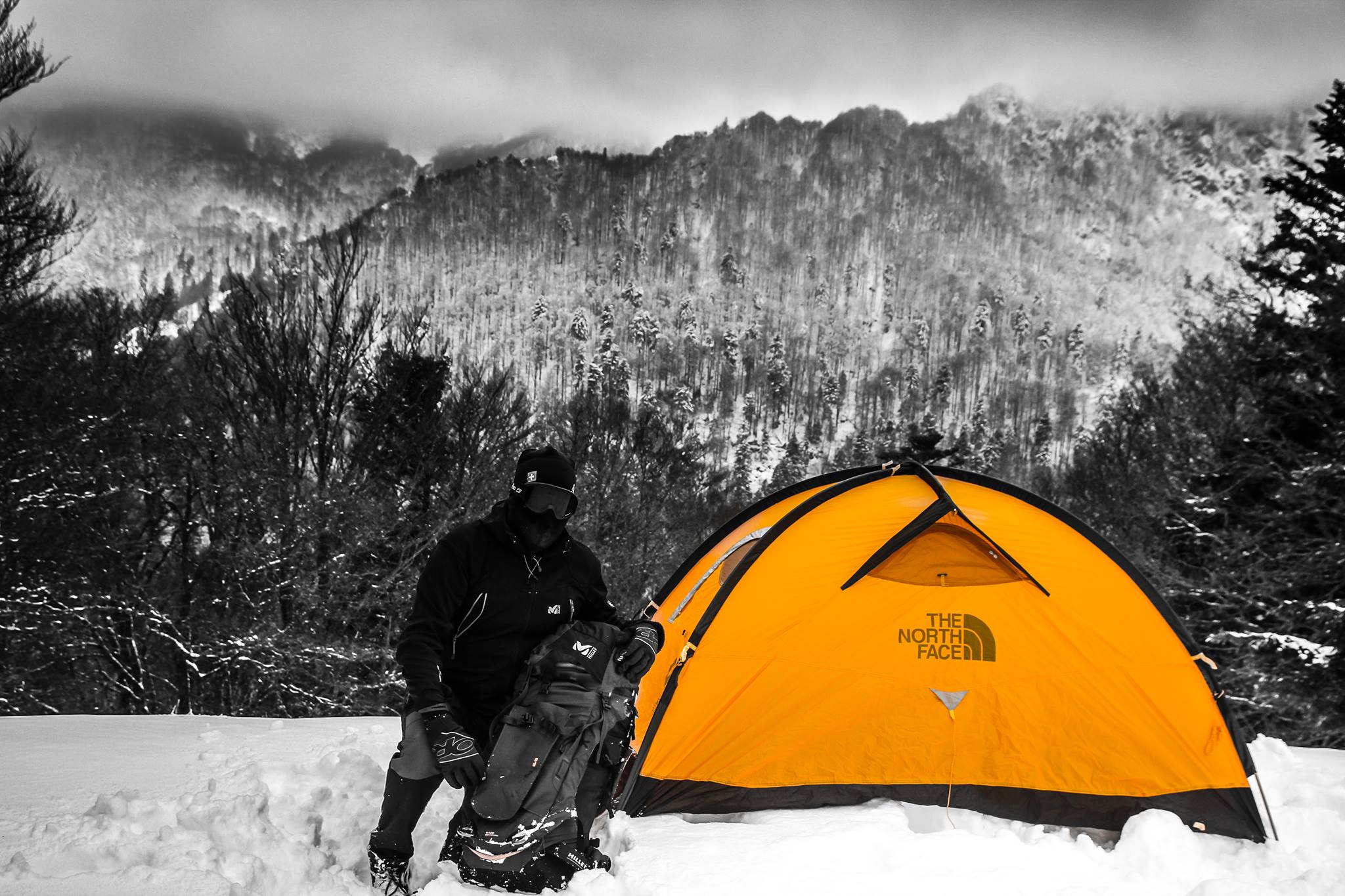
Bivouacking in the Vosges has a few specifics worth knowing. First, although the practice is generally tolerated in unprotected areas, it’s subject to certain restrictions, particularly in nature reserves and regional parks. It’s therefore essential to check local regulations before pitching your tent. In addition, the Vosges climate can be unpredictable, with nights often cool even in summer, requiring suitable gear for a comfortable night.
Finally, respecting the environment is essential. Bivouacking, by its very nature, is an outdoor activity that should follow a “leave no trace” approach. It’s therefore crucial to prepare carefully, taking care not to disturb local wildlife, avoiding animal breeding areas, and taking all your trash with you.
The Best Spots to Bivouac in the Hautes Vosges
The Hautes Vosges, with their higher peaks and steeper landscapes, are without doubt the most popular region among bivouac enthusiasts. Here are some of the most recommended spots for an unforgettable experience.
The Hohneck Massif
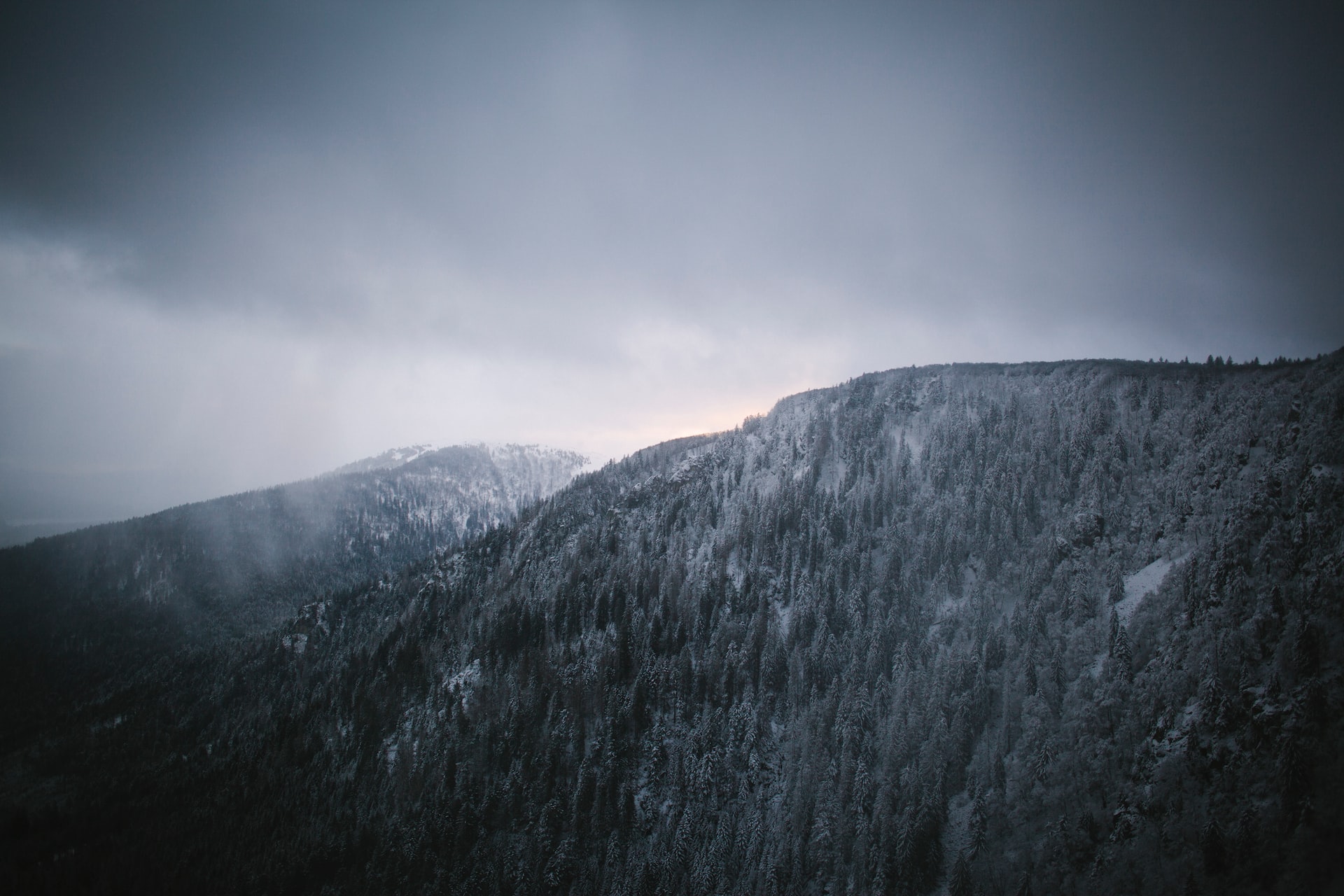
At 1,363 meters, the Hohneck is the third-highest peak in the Vosges. It offers sweeping views over the Alsace plain on one side and the Munster valley on the other. The summit is accessible via several hiking trails, some of which are relatively easy, making it a popular bivouac spot. The areas around the summit, particularly near the Kastelberg or the Col de la Schlucht, offer perfect spots to pitch a tent. Keep in mind, though, that the Hohneck’s popularity means it can get crowded during peak season. It’s therefore advisable to set out early to find a quiet spot and to respect local wildlife, including the chamois that roam the steep slopes.
The Plateau des Mille Étangs
Less well-known than the Hohneck, the Plateau des Mille Étangs, located in the southern part of the range, is a true haven of peace for lovers of wild nature. This region, nicknamed “little French Finland,” is dotted with countless small ponds scattered among forests and meadows. It’s an ideal spot for a peaceful bivouac, far from the tourist bustle. The ponds offer picturesque spots to pitch a tent, with water nearby for cooling off or cooking. The croaking of frogs and the morning mist rising off the ponds create a magical atmosphere, perfect for relaxation and meditation. That said, it’s important to respect the tranquility of the area and avoid disturbing the fragile ecosystem of this unique region.
Le Grand Ballon
The highest point in the Vosges at 1,424 meters, the Grand Ballon is another favorite spot for bivouacking. Thanks to its altitude, it offers panoramic views over the entire range, and on clear days, it’s even possible to spot the Alps. The slopes of the Grand Ballon, with their vast meadows and sparse forests, offer numerous spots for setting up camp. The summit is easily accessible via several hiking trails, particularly from the Markstein or the Col Amic. Sunset from the summit is not to be missed, and the nighttime calm makes it an ideal place to sleep under the stars.
Bivouacking in the Moyennes Vosges: Nature and Tranquility
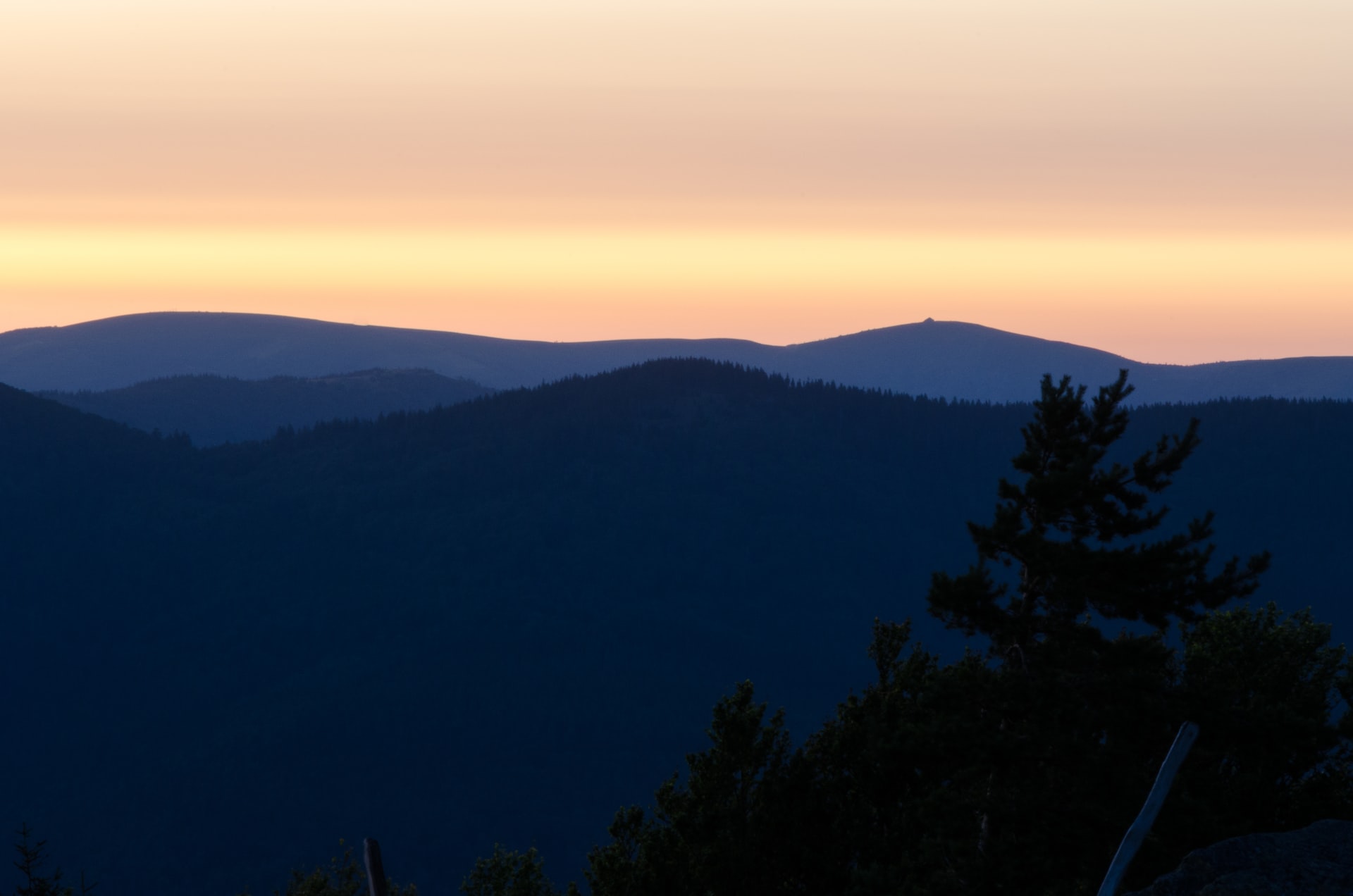
The Moyennes Vosges, though less well-known than the Hautes Vosges, also offer interesting bivouac options, with gentler landscapes and often lighter tourist traffic.
Lake Gérardmer
Lake Gérardmer is without doubt one of the most iconic sites in the Vosges. Although very touristy, especially during the day, the lake still offers interesting bivouac opportunities, particularly off-season or in areas a bit further from the beaten path. The forests surrounding the lake offer discreet spots to pitch a tent, with the chance to swim at sunrise in water that’s often calm and clear. That said, the proximity to town means you need to choose your spot carefully to avoid overly crowded areas and to strictly follow local bivouac rules.
The Donon Massif
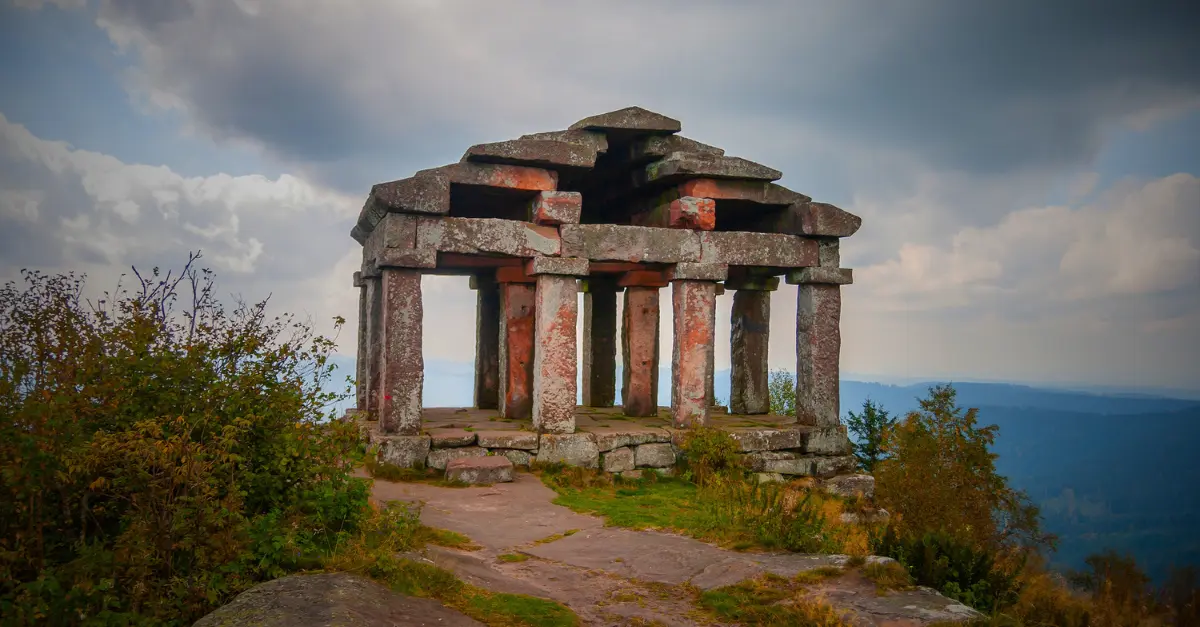
Located on the border between the Vosges and Lorraine, the Donon massif is a place steeped in history and mystery. This summit, which rises to 1,009 meters, was long a Celtic and later Roman place of worship, and still carries a distinctive atmosphere today. The summit of Donon, with its ancient temple and 360-degree panoramas, is a unique spot for a bivouac. The wooded slopes of the massif offer sheltered spots, and the historical remains on site add a cultural dimension to the experience. Spending the night at Donon feels a bit like stepping back in time, all while being immersed in nature.
The Thur Valley
The Thur Valley, located in the southern Vosges, is a less-frequented but equally charming region. It’s a lush green valley dotted with picturesque little villages and crossed by the Thur River, which rises at the foot of the Grand Ballon. The riverbanks and surrounding hills offer numerous spots for bivouacking. The valley’s calm, far from the crowds, makes it an ideal place for those looking to recharge. Its proximity to the river also lets you enjoy the cool water, which is especially pleasant in summer. The dense forests surrounding the valley are home to diverse wildlife, and it’s not uncommon to spot roe deer or hear an owl’s call during the night.
Practical Tips for a Successful Bivouac in the Vosges
Bivouacking, while similar to wild camping, requires careful preparation to be carried out responsibly and to guarantee an enjoyable experience. Here are some practical tips for planning your bivouac in the Vosges.
Choose Your Spot Carefully
One of the most important aspects of bivouacking is choosing the right spot. In the Vosges, as elsewhere, it’s crucial to favor discreet sites, away from heavily used trails and protected areas. Avoid camping near roads or homes so as not to disturb the peace, and respect local bans, particularly in nature reserves. Choose elevated spots to enjoy nice views and avoid overly damp areas. Set up on flat, open ground to avoid unpleasant surprises during the night, such as falling branches or water seeping in.
Respect Nature
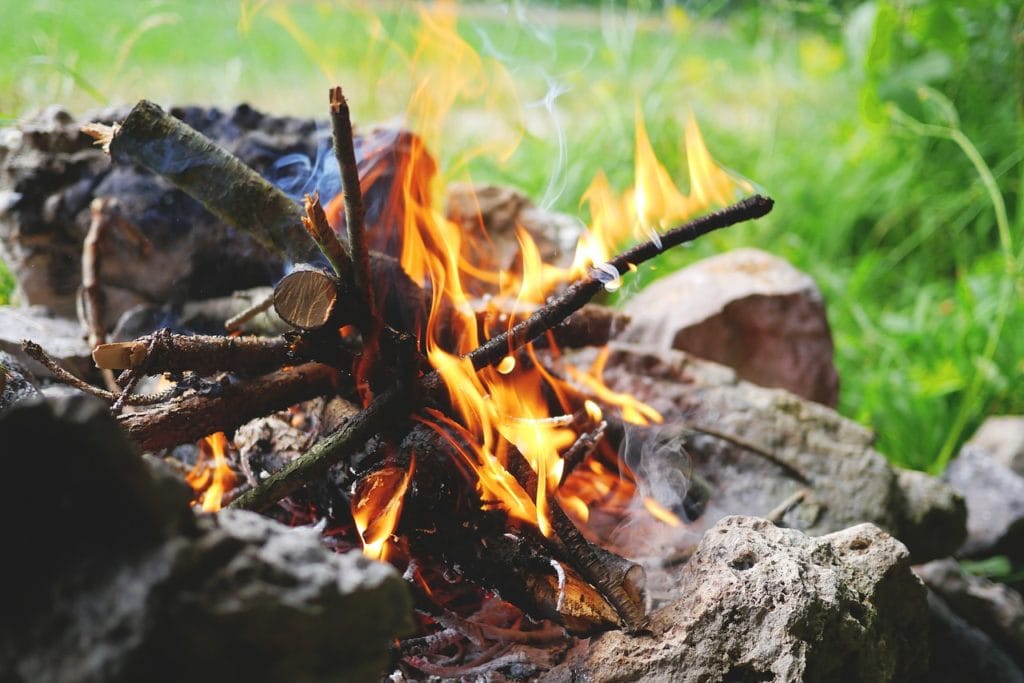
Respecting nature is at the heart of bivouacking. This means leaving no trace of your visit: take all your trash with you, including food scraps, and don’t alter the site. Avoid campfires, which are often prohibited, and use a gas stove for cooking instead. If you need to relieve yourself outdoors, do so far from water sources and bury any waste. Silence is also a golden rule: respect the peace and quiet for yourself and other hikers.
Prepare for the Climate
The Vosges climate can be unpredictable, with significant temperature swings between day and night and weather conditions that can change quickly. It’s therefore important to prepare well: pack warm clothing, even in summer, along with a tent suited to mountain conditions. Good ground insulation (sleeping pad, groundsheet) is also essential to avoid losing heat overnight. Finally, bring a headlamp with spare batteries and carry a map or GPS, since fog can sometimes make navigation difficult.
Check Local Regulations
Before heading out to bivouac in the Vosges, check the local regulations. Certain areas, particularly nature reserves and regional parks, prohibit or restrict bivouacking to protect wildlife and plant life. Check with local tourist offices or forest rangers to learn the rules in force and which areas allow bivouacking. By following these rules, you’ll help preserve these exceptional natural spaces.
The Bivouac Experience: Total Immersion in Nature
Bivouacking in the Vosges is much more than just a night outdoors. It’s a true immersive experience in nature, a chance to disconnect from daily life and reconnect with what truly matters. Whether you choose to bivouac on the summit of the Hohneck, on the shores of a secluded pond, or in a lush green valley, every night spent under the stars in the Vosges is a unique adventure, a moment of communion with wild nature.
This practice, both simple and demanding, lets you rediscover the joy of life’s essentials: waking up to the sound of birdsong, watching the sunrise over the mountains, breathing in the scent of a forest after the rain. It’s also a chance to test your ability to adapt and to be resourceful, learning to live with very little, in harmony with your surroundings.
In Closing…
The Vosges mountain range, with its varied landscapes and unspoiled nature, is an ideal playground for bivouacking. Whether you’re a seasoned hiker or a beginner looking for new experiences, the Vosges offer endless opportunities for unforgettable moments outdoors. From the summit of the Grand Ballon to the shores of the Mille Étangs, every corner of this range hides treasures to discover and perfect spots to spend a night under the stars.
Bivouacking in the Vosges is an adventure accessible to everyone, provided you prepare well and follow the rules in force. By carefully choosing your spot, respecting nature, and gearing up properly, you can have an authentic experience, off the beaten path and as close to nature as possible.
So, ready to take on the adventure? The Vosges await you for a bivouac experience you’ll never forget. Whether for a single night or a multi-day journey, bivouacking in the Vosges is an invitation to discovery, escape, and reconnection with nature — an experience worth having at least once in your life.