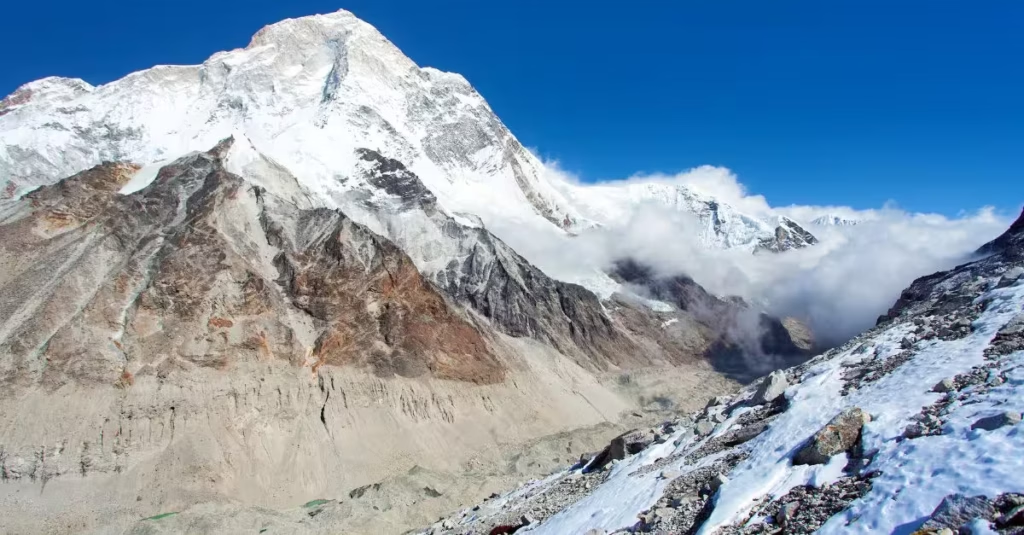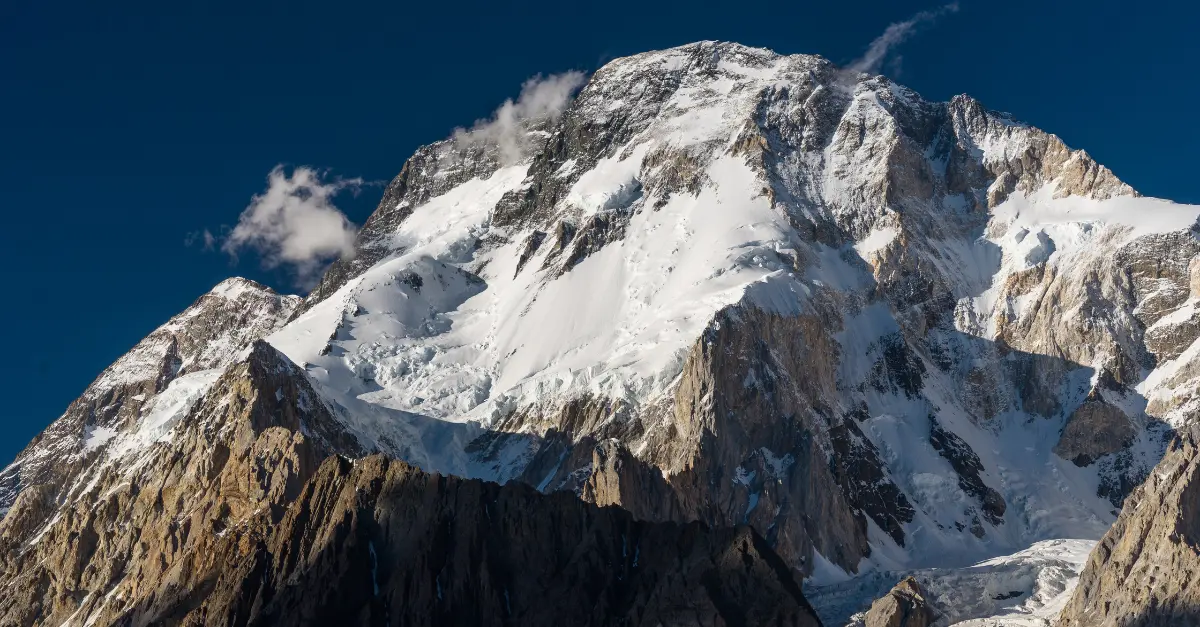

Birds of the Himalaya remain, even in 2026, one of the most powerful experiences a birdwatching enthusiast can have on this planet. Between 200 and over 6000 meters in altitude, the Himalayan range is home to nearly 1200 bird species, including dozens of endemic species found nowhere else on earth. If you’re looking for a concrete, field-tested guide to observing these birds in good conditions, here’s everything I’ve learned trekking through Nepal, Bhutan and northern India with binoculars around my neck and a whole lot of patience.
Let me be upfront: I’m not a trained ornithologist. I’m a trekker who fell in love with birds after spotting a Himalayan monal at sunrise in the Langtang valley a few years back. Ever since, I plan my treks around birding seasons rather than the other way around. This article sums up what I’ve learned and the key things every beginner or seasoned birdwatcher should know before setting off.
Why the Himalaya is a sanctuary for birdwatchers
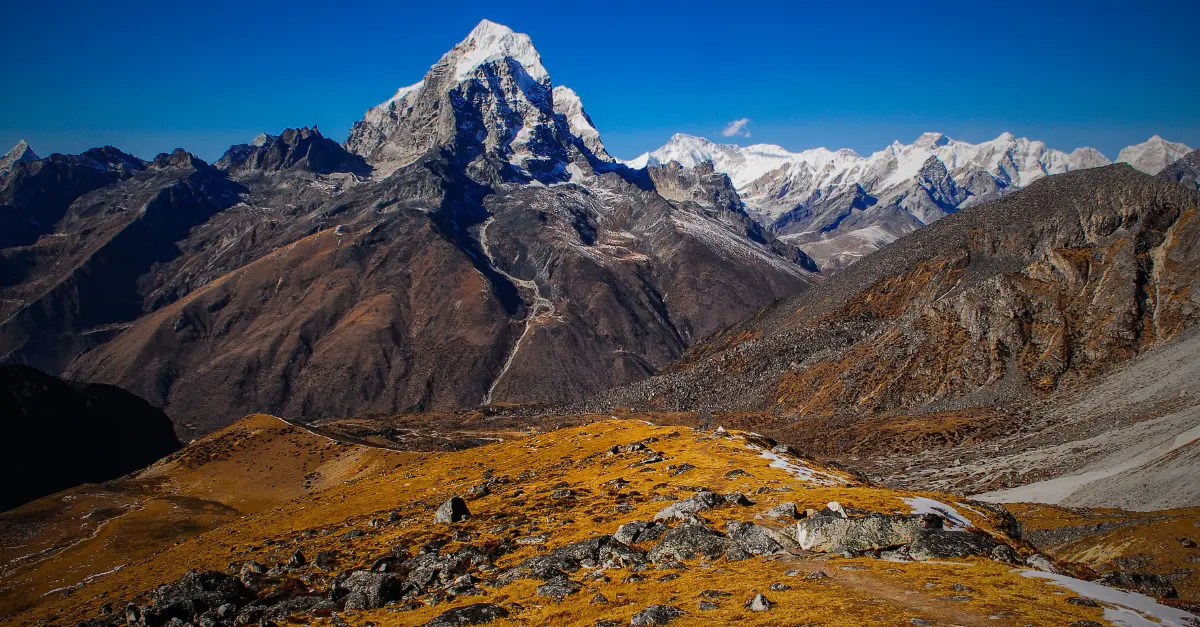
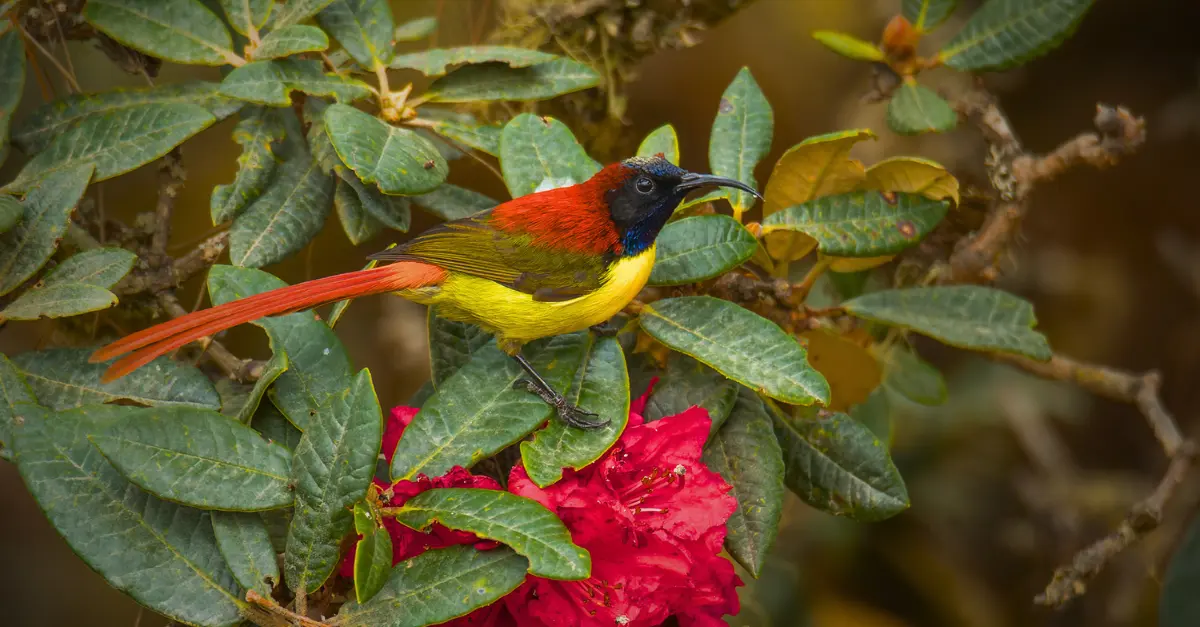
The Himalayan range isn’t just a string of peaks. It’s a major migratory corridor between Central Asia and the Indian subcontinent, and an altitudinal gradient that creates dozens of micro-habitats within just a few kilometers. You can spot a fire-tailed sunbird in a rhododendron forest at 2000 meters, then a Tibetan snowcock above 4500 meters, all in a single day’s walk.
This layering of ecosystems explains the sheer density of species. The oak and rhododendron forests of central Nepal, the dry valleys of Mustang, the Terai wetlands or the conifer forests of Bhutan each shelter their own distinct set of birds. According to data compiled by BirdLife International, Nepal alone counts over 870 species in a territory the size of England, making it one of the highest bird densities per square kilometer anywhere in the world.
What strikes me most is the share of threatened or rare species you can still observe fairly easily. The satyr tragopan, the Himalayan pheasant or Hodgson’s frogmouth have become, for many foreign birdwatchers, a genuine reason to travel, on par with the peaks themselves.
A unique altitudinal gradient
Few regions on earth let you move, within a single expedition, from tropical Terai jungle to Tibetan highland steppe. This concentration of habitats in such a small space is exactly what makes the Himalaya so rich in bird biodiversity. On a twelve-day trek through the Annapurna region, I personally spotted bulbuls at lower elevation, nuthatches in mixed forest, then accentors and choughs above the treeline.
The iconic species worth knowing before you go
Before heading out on a birding trek, it helps to arrive with a few key species already in mind. Here are the ones that show up most often in the field notes of specialist travelers.
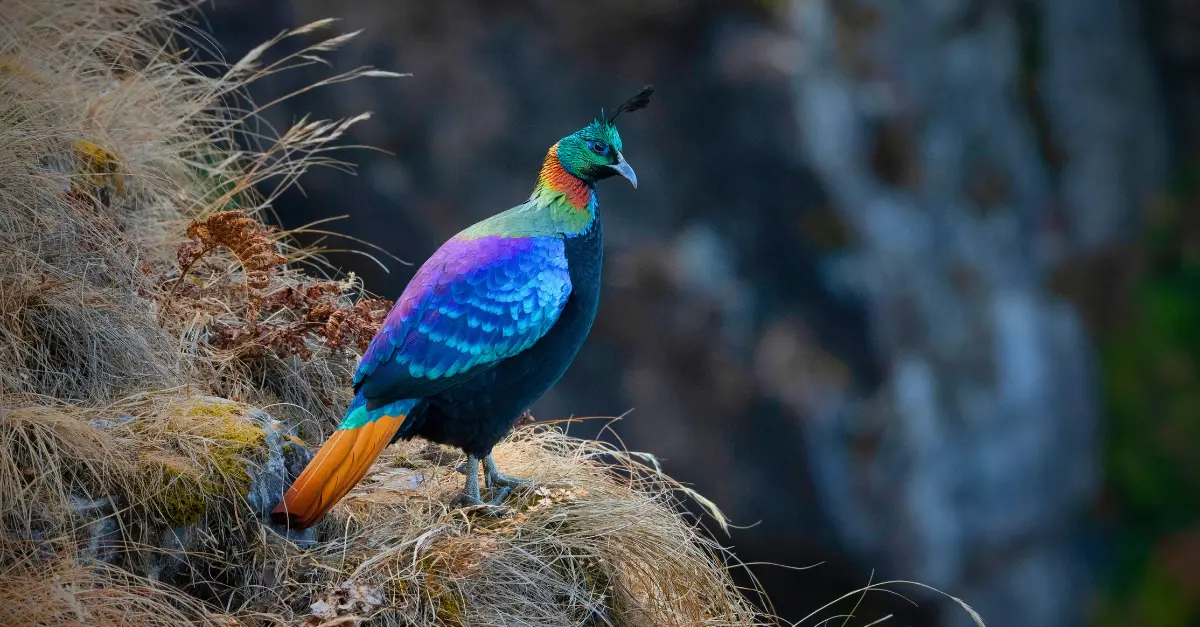
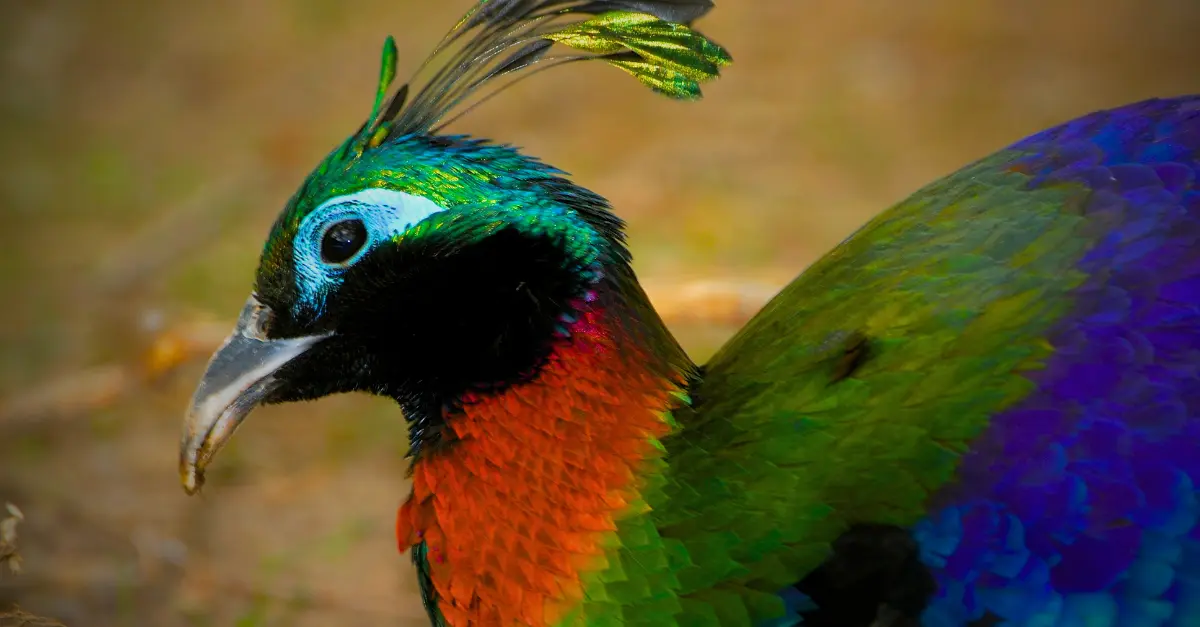
The Himalayan monal (Lophophorus impejanus), Nepal’s national bird, is the undisputed star. The male shows off a metallic blue-green and copper plumage that’s absolutely spectacular, especially in the low light of early morning. It’s mainly found between 2500 and 4500 meters, in places like Langtang, Annapurna or Sagarmatha National Park.
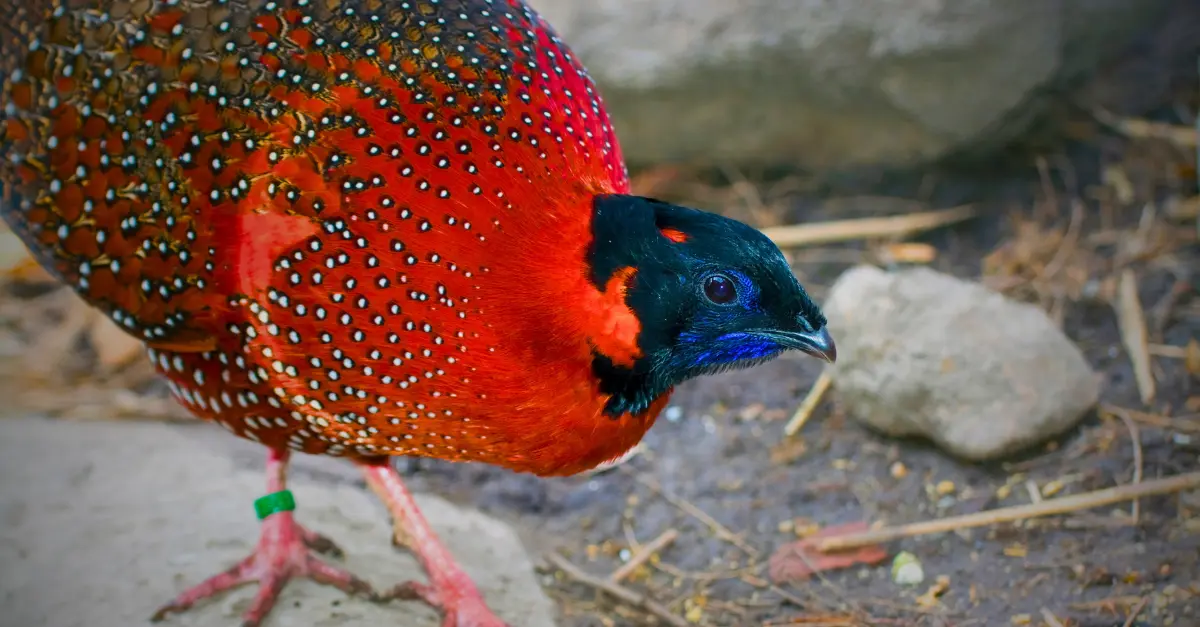
The satyr tragopan is more elusive but just as sought-after. It’s a forest pheasant whose male, during display, unfurls fleshy red and blue lappets around its neck. Dense rhododendron zones between 2400 and 3600 meters are its favored ground, particularly around Pikey Peak.
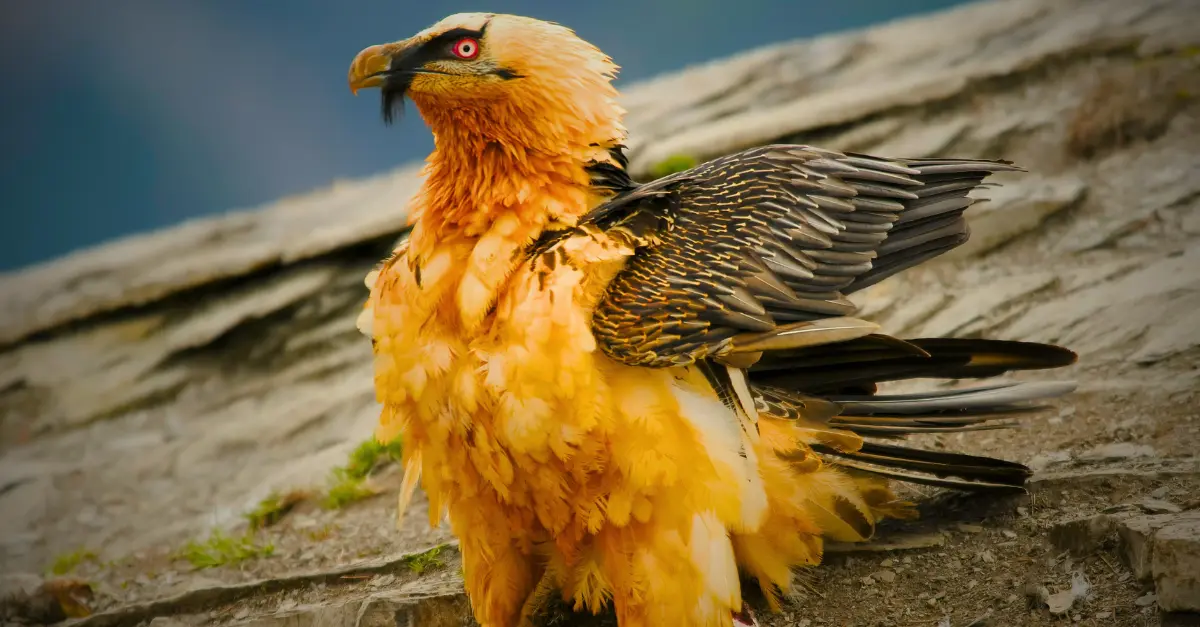
As for raptors, the Himalayan griffon vulture and the bearded vulture rule the high-altitude skies. Watching them glide over the gorges, sometimes just a few meters away, remains one of the most powerful sensations these treks have to offer.
For fans of small, colorful passerines, the fire-tailed sunbird and several species of white-bellied snow finches offer up-close sightings, often near lodges or campsites, where they’ve grown used to human presence.
The rare species worth a special detour
A handful of species are reason enough to plan a dedicated itinerary around them. That’s the case for the spiny babbler, endemic to Nepal and long considered almost mythical before being rediscovered in the 1940s. Today, parts of the Kathmandu valley and the hills around Pokhara offer reasonable odds of spotting it.
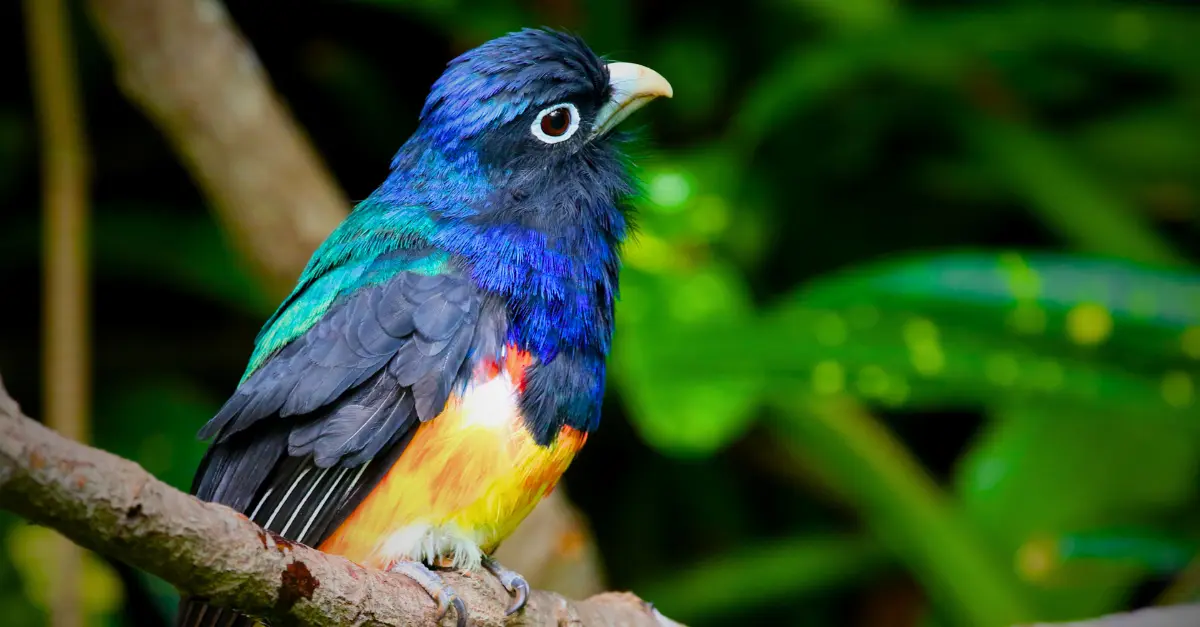
Hodgson’s frogmouth and the red-tailed trogon also draw birdwatchers who travel specifically to tick them off their list. These forest-dwelling species often require the help of a local guide who knows their nesting areas.
When to go birdwatching in the Himalaya
The timing question comes up constantly, and it’s probably the most important point in this whole guide. Seasonality completely changes what you’ll actually get to see.
October to December brings clear skies and still-bearable temperatures at mid-altitude, making it the best window for watching migrating raptors as well as most forest residents. This is my favorite season for birding treks.
March to May, spring triggers the breeding season. Males display, sing, defend their territory, which makes sightings far more spectacular. Blooming rhododendrons also draw in large numbers of sunbirds and nectar-feeders. To me, this is the most photogenic time of year.
Winter, between December and February, is underrated. Some high-altitude species move down into the valleys to escape the cold, which paradoxically makes them easier to reach. I’ve watched entire flocks of snowcocks at elevations where I wasn’t expecting them at all, simply because the snow had pushed them lower.
The monsoon, from June to September, is generally not recommended for standard trekking, but some specialist birdwatchers actually prefer it, since forest birds sing more and dense vegetation favors certain shy species. It’s a niche option, best left to those who already know the terrain well.

The best birdwatching spots in the Himalaya
Not all Himalayan regions are equal when it comes to birding. Some areas pack in exceptional diversity thanks to their geography or protected status.
Chitwan National Park, in Nepal, sits in the lowlands but often makes an ideal starting point before heading up in altitude. It holds wetland and jungle species you’ll never see higher up.
The Phulchoki valley, near Kathmandu, is known among local guides as one of the best spots in the valley for spotting an impressive range of passerines in a single day trip.
Bhutan, with its protected forests and strict environmental policy, holds healthy populations of tragopans and black-necked cranes, the latter even celebrated every year at a local festival in the Phobjikha valley.
On the Indian side, the Sikkim region and Arunachal Pradesh are drawing more and more international birdwatchers thanks to their still largely untouched primary forests.
A quick list of spots not to miss
- Langtang Valley (Nepal) – excellent for the monal and mid-altitude raptors
- Pikey Peak – stronghold of the satyr tragopan
- Phulchoki Hill – record passerine diversity in a single day
- Chitwan National Park – lowland and wetland birds
- Phobjikha Valley (Bhutan) – black-necked cranes in winter
- Annapurna Conservation Area – full altitudinal gradient on a single trek
Essential gear for high-altitude birdwatching
Altitude completely changes your gear needs compared to standard lowland birdwatching. It took me several treks to figure out a few details that now seem obvious in hindsight.
Binoculars remain investment number one. I’d recommend 8x to 10x magnification with good light gathering, since the best sightings often happen at dawn or dusk, when light is already scarce. A compact, lightweight model matters enormously when you’re carrying a backpack for hours on end.
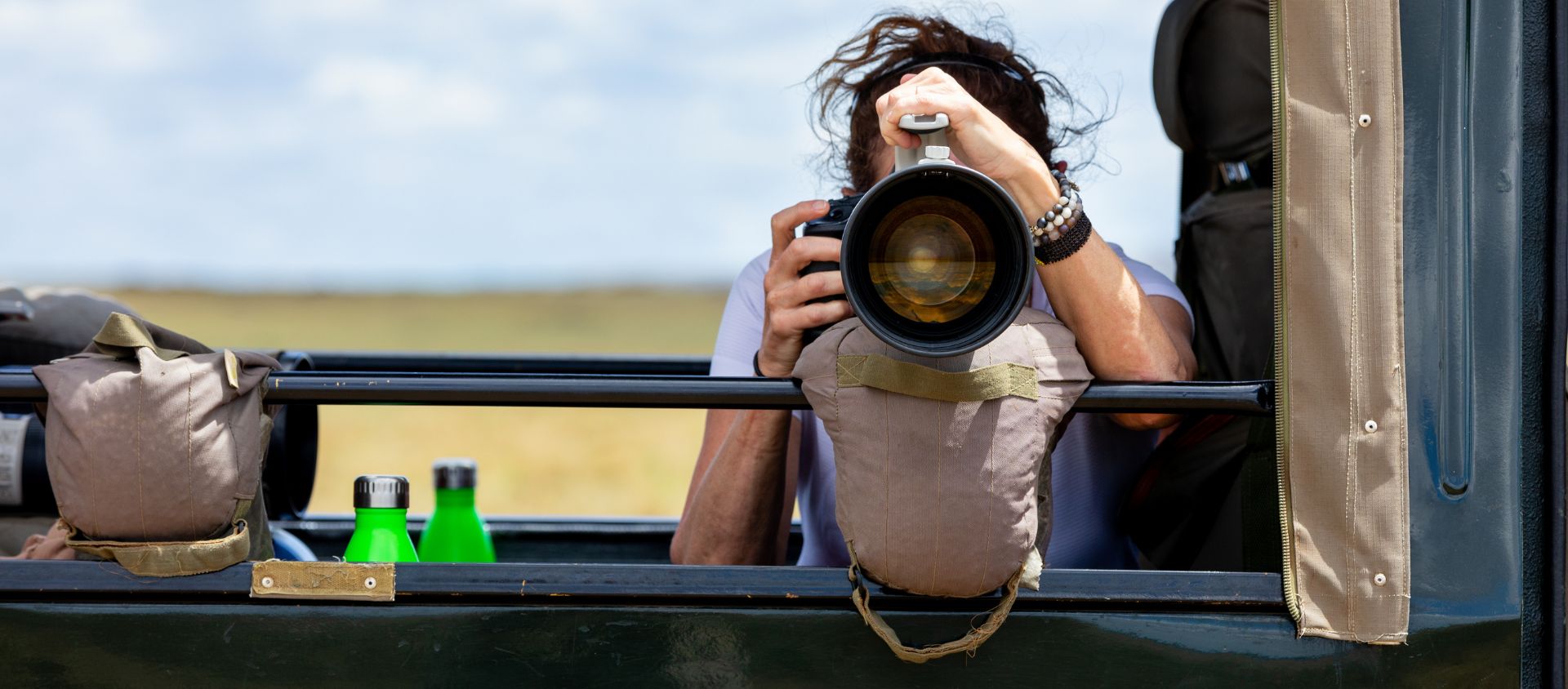
For photography, a telephoto lens of at least 400mm is pretty much essential if you want usable shots, given that most species stay wary and keep their distance.
Layered clothing is a must: temperature swings between morning and midday can exceed 15 degrees at altitude. I personally gave up on the latest ultralight jackets after finding they didn’t hold up as well over time as simpler, more rugged models from generalist brands like Decathlon. On this specific point, I genuinely think Decathlon understands a trekker’s real needs better than some premium brands that prioritize weight over durability.
A field notebook or an app like eBird is also valuable for logging your sightings and contributing, in your own small way, to citizen science. Data submitted by travelers genuinely helps conservation organizations track population trends.
Local guide or self-guided expedition
This is a question I get asked a lot: do you absolutely need a specialized birding guide?
My honest answer: for common species and well-known sites, a self-guided trek with a good pair of binoculars is more than enough. But for rare species or dense forest zones, a local birding specialist guide changes everything. These guides know the calls, the exact nesting areas, and can spot movement in the foliage you’d never notice on your own.
I’ve tried both approaches. Self-guided, I ticked off about thirty species over ten days in the Annapurna region. With a specialist guide the following year, on a comparable route, that number nearly doubled, and I got to observe three species I would clearly never have spotted on my own.
Respecting wildlife and local communities
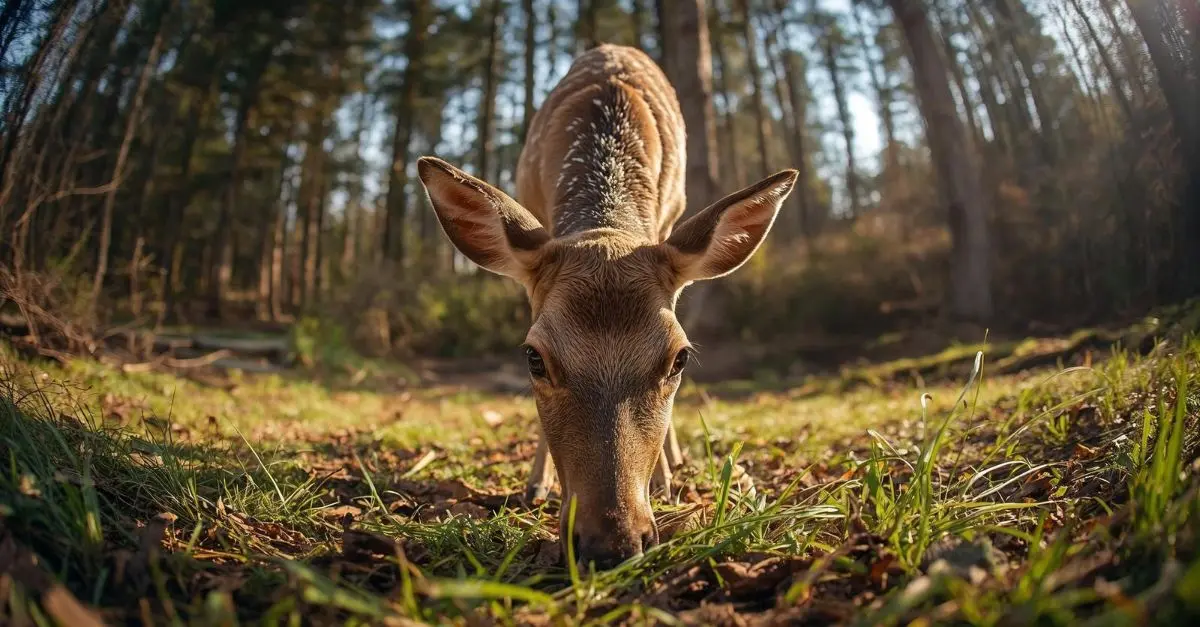
Watching birds in the Himalaya carries real responsibility, especially given the growing tourist pressure of recent years. Some practices, in my opinion, are becoming increasingly absurd across the outdoor world in general, particularly the heavy use of recorded calls to lure birds in, a technique that needlessly stresses local populations when used without restraint.
I much prefer patience and silence over any form of aggressive sound manipulation. Keeping your distance, avoiding camera flashes near nests, and respecting the quiet zones set out by national parks remains, in the long run, the best way to protect these species for future generations of birdwatchers.
Local communities also play a central role in conservation. Hiring local guides and staying in lodges run by valley residents directly helps fund the protection of these fragile habitats.
FAQ
When is the best time to watch birds in the Himalaya?
Generally, the months from October to May offer the best conditions for birdwatching in the region.
- Breeding season (March to May): This is the true visual highlight. Birds show off their finest breeding plumage and are especially active, which makes spotting them much easier.
- Post-monsoon period (October to February): The sky is remarkably clear, and the arrival of migratory birds from the north brings great species diversity at moderate altitude.
Do you need to be an experienced birdwatcher to go on an observation trek?
Not at all. Birding treks are open to anyone who loves nature, regardless of their level of knowledge.
- Basic gear: A good pair of binoculars, curiosity and a bit of patience are more than enough to fully enjoy the experience, even as a complete beginner.
- The value of a local guide: Going out with a guide who knows the local wildlife is the fastest way to learn. They’ll be able to identify calls and spot birds hidden in the canopy long before you do.
Which species are the hardest to spot?
Certain Himalayan species pose a real challenge for observers due to their naturally elusive behavior.
- The spiny babbler: This species, endemic to Nepal, is particularly shy and loves hiding in dense thickets at mid-altitude.
- The satyr tragopan and Hodgson’s frogmouth: These stunning but very secretive birds stay confined to specific, remote forest habitats, demanding real patience to catch a glimpse.
Is Bhutan better than Nepal for birdwatching?
There’s no wrong choice here: both destinations offer outstanding and highly complementary birdwatching experiences.
- Bhutan’s advantage: The kingdom boasts remarkably well-preserved primary forests and a low-impact tourism policy, guaranteeing peaceful, exclusive observation amid untouched habitats.
- Nepal’s advantage: The country offers a much more developed trekking infrastructure, more affordable costs, and a huge variety of birding spots easily linked to classic trekking routes.