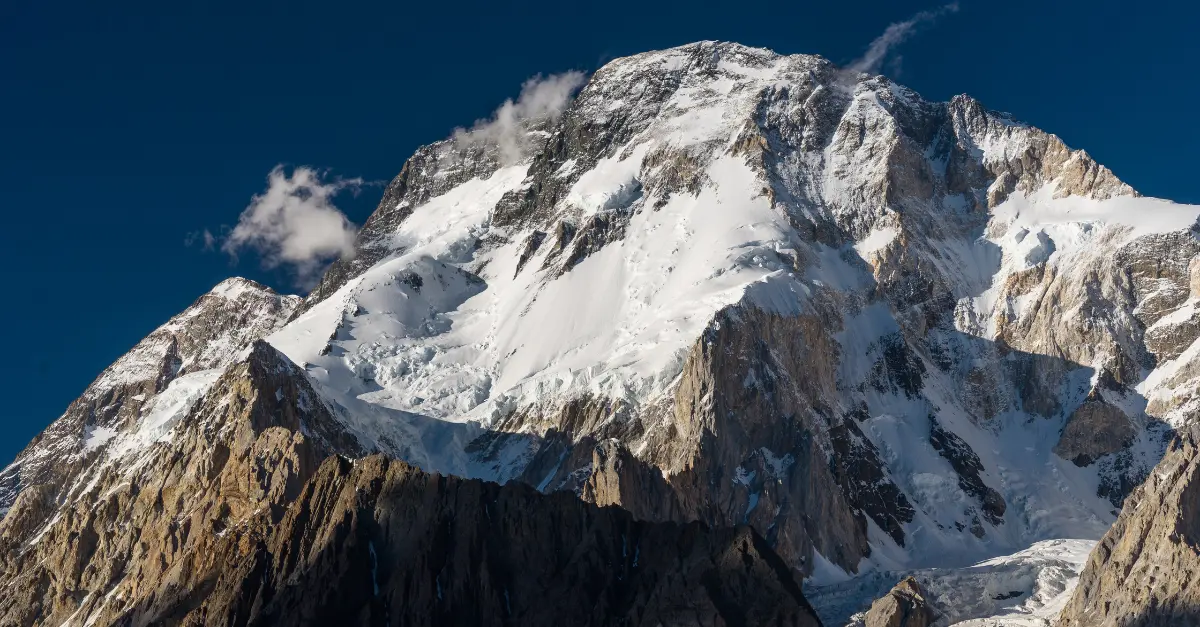
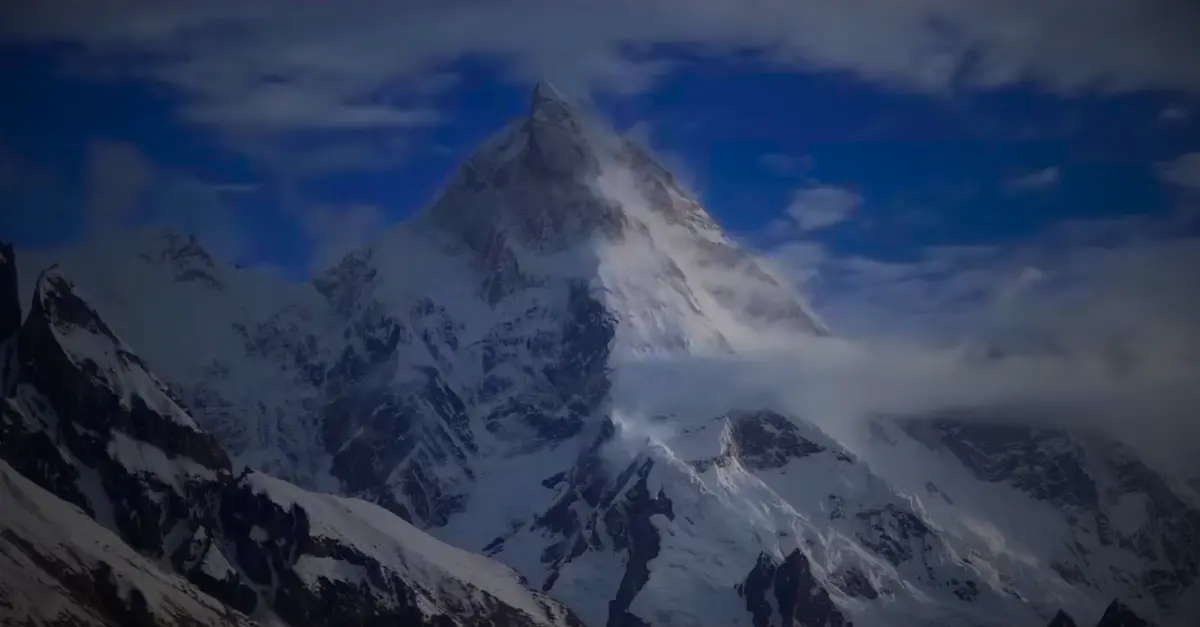
The ascent of Mont Blanc remains the ultimate holy grail for every mountain enthusiast. Reaching 4,810 metres, the roof of Western Europe is no simple hike, but a genuine mountaineering expedition that demands rigorous preparation, both physically and logistically. In 2026, conditions at high altitude are evolving rapidly under the effects of climate change, making access to the summits increasingly technical and weather windows more precious than ever. Whether you are an amateur mountaineer or a seasoned hiker looking to take the next step, this comprehensive guide gives you all the keys to a safe and successful adventure.
Choosing your route to the summit
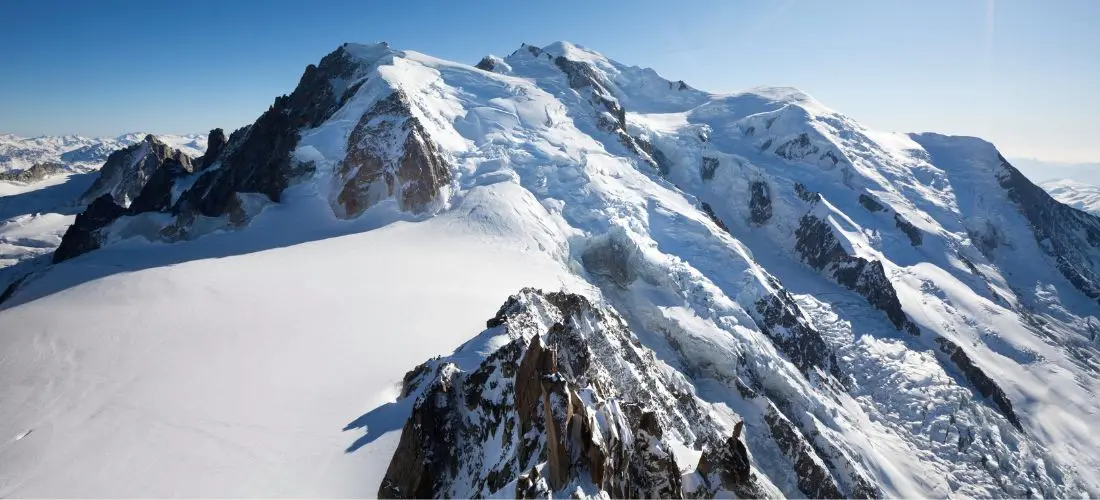
Several paths lead to the snowy peak, but two main routes stand out for their popularity and relative accessibility. The Voie Royale, also known as the Goûter route, is the most frequently used itinerary. It generally begins at the Nid d’Aigle, the terminus of the Mont Blanc Tramway (TMB). This route is renowned for its tricky passage through the Goûter Couloir, notoriously known for rockfall. In 2026, vigilance is heightened in this section: guides recommend crossing the couloir as early as possible in the morning, before the thaw weakens the face. The ascent then continues towards the Arête des Bosses, an airy and majestic final ridge offering breathtaking views over the French and Italian Alps.
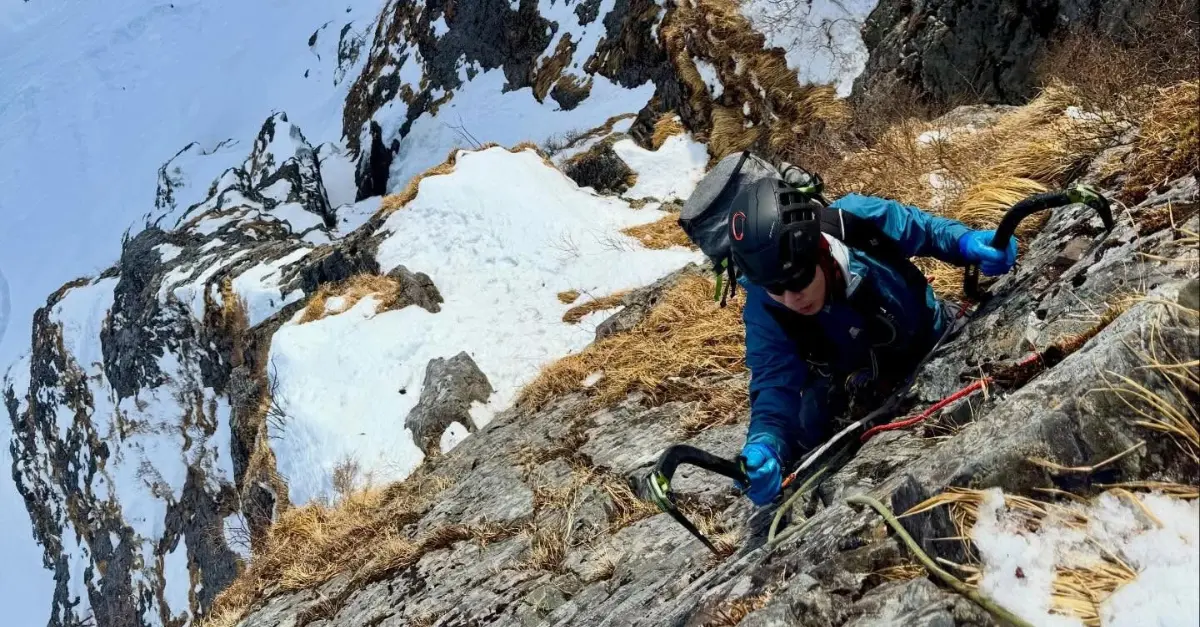
A highly popular alternative is the Trois Monts Traverse. More remote and technical than the normal route, it departs from the Aiguille du Midi and successively crosses the shoulders of Mont Blanc du Tacul and Mont Maudit. This is a physically demanding itinerary that requires an excellent command of crampon technique on steep slopes. Unlike the Goûter route, the main hazards here come from seracs (hanging ice blocks) and crevasses. In 2026, with significant glacial retreat, certain sections on Mont Maudit have become more complex, sometimes requiring ice screws to secure the rope team’s progress.
Finally, for those seeking a more authentic and less crowded experience, the Italian normal route, or Voie du Pape, offers a wilder face of the mountain. The departure is from the Gonella hut. It is a long glacier ascent — aesthetic and demanding — that joins the Arête des Bosses. Whichever route you choose, the commitment remains total. Weather at high altitude can turn in minutes, transforming a sunny ascent into a trap of fog and icy winds exceeding 100 km/h.
Physical preparation and acclimatisation
No one becomes a mountaineer overnight. To stand a chance of reaching the summit without suffering from Acute Mountain Sickness (AMS), several months of preparation are essential. Endurance is the cornerstone of your training. Running, road cycling or swimming will strengthen your cardiovascular system, but nothing replaces real elevation gain. Ideally, you should be capable of climbing 1,200 to 1,500 metres of positive elevation with a 10 kg pack without finishing exhausted. In 2026, specialist coaches recommend incorporating interval training sessions to accustom the body to intense efforts in low-oxygen environments.
Acclimatisation is the second key factor for success. Ascending too quickly exposes you to headaches, nausea and even pulmonary oedema. The golden rule is to spend several nights above 3,000 metres before the final attempt. Many alpinists choose to complete training summits such as Gran Paradiso (4,061 m) in Italy or the Aiguille du Tour (3,540 m) in the Chamonix massif. These preliminary ascents not only accustom the lungs to the thin air, but also allow you to test your equipment and crampon technique on different types of snow.
An anecdote frequently shared by Chamonix guides concerns hydration. At altitude, you lose enormous amounts of water through breathing. A poorly hydrated mountaineer is one who tires prematurely. In 2026, it is estimated that you need to drink at least 3 litres of water per day during the ascent. Do not neglect the mental aspect either. The final section between the Goûter hut and the summit is often won or lost in the mind. Fatigue, cold and lack of oxygen can weigh heavily, and it is here that psychological preparation makes all the difference in keeping one foot in front of the other all the way to the final ridge.
Essential equipment for high altitude
Equipping yourself for Mont Blanc is a significant investment, but your safety depends on it. The “three-layer” system remains the absolute reference for managing perspiration and intense cold. The temperature at the summit can easily drop to -15°C, not counting the wind chill effect which can bring the apparent temperature down to -30°C. Your equipment must be versatile and technical, as you will move from the relative warmth of the valley to the polar cold of the summit dome in under 48 hours.
The technical gear list
- Mountaineering boots: Rigid or semi-rigid, crampon-compatible and above all insulated.
- Crampons and ice axe: Crampons must be perfectly fitted to your boots before departure.
- Harness and rope: Essential for safety when roped together, even on less steep sections.
- Technical clothing: Merino wool thermal base layers, waterproof Gore-Tex jacket and a compact down jacket.
- Sun protection: Category 4 glacier glasses (mandatory to prevent snow blindness) and SPF 50 sunscreen.
- Backpack: A volume of 35 to 45 litres is ideal for carrying food, water and extra clothing layers.
In 2026, advances in textile technology have considerably reduced the weight of equipment. Ultra-light aluminium ice axes and protective jackets weighing under 400 grams are now the norm. However, lightness should never take precedence over durability. A spare pair of gloves is a small luxury that can prove vital if your main gloves get wet from snow or frost. Do not forget a powerful head torch with charged batteries, as most hut departures take place between 1:00 and 2:00 in the morning.
The cost of new equipment can range from €1,200 to €2,000. Fortunately, many shops in Chamonix or Saint-Gervais offer full rental packages for a fraction of the price. This is an excellent option for a first experience, allowing you to use high-end, professionally maintained equipment without emptying your savings account.
Regulations and bookings in 2026
In response to overcrowding and environmental risks, the authorities have tightened access rules for Mont Blanc. For several years now, bivouacking on the normal route has been strictly prohibited. Wild camping is subject to heavy fines, and mountain patrol teams regularly enforce this measure. Hut reservations have therefore become mandatory. In 2026, the online booking system for the Tête Rousse and Goûter huts opens in spring, and places are snapped up within minutes.
It is essential to carry proof of reservation. Without this document, access to the Mont Blanc Tramway may be denied during busy periods. This regulation aims to limit the number of alpinists to around 214 people per day on the Goûter route, ensuring better safety in the couloir and a more peaceful experience at the summit. Furthermore, hiring a high-mountain guide is strongly recommended for beginners. In 2026, the average rate for a guide service (for 2 people) ranges from €1,100 to €1,600 for the final ascent, excluding hut fees and lift costs.
The guide’s role is not limited to showing you the way. It is the guide who makes the crucial decisions in the event of deteriorating weather or fatigue within the rope team. “Turning back is sometimes the most courageous decision one can make,” the Chamonix Guides Company often reminds its clients. In the mountains, humility is a cardinal virtue. The summit is only half the journey; the descent, often overlooked, is when the majority of accidents occur due to loss of concentration and accumulated fatigue.
Environmental impact and respect for the massif
Climbing Mont Blanc in 2026 also means being a direct witness to climate change. Glaciers are retreating by several metres each year, and the permafrost that cements the rock faces is melting, causing increasingly frequent rockfalls. As a mountaineer, your impact must be minimal. The mountain code of conduct is simple: leave no trace of your passage. All waste, even biodegradable items such as a banana peel, must be carried back down to the valley, as at these altitudes and temperatures, decomposition is virtually non-existent.
Modern huts, such as the Goûter hut, are making considerable efforts in energy management and water treatment. By following the sorting guidelines and limiting your consumption of resources, you contribute to the preservation of this protected site. Mont Blanc is a fragile ecosystem under constant human pressure. Travelling responsibly also means favouring public transport such as the train to Chamonix to reduce your overall carbon footprint.
FAQ — Everything you need to know about climbing Mont Blanc
What is the best time to climb Mont Blanc?
The classic season runs from mid-June to September. July and August offer the best chances of good weather, but temperatures can be surprising and late-afternoon thunderstorms are frequent. In September, the mountain is often quieter, but the cold is more biting.
Can you climb Mont Blanc without any prior experience?
Attempting the climb with no mountaineering background is strongly inadvisable. If you are a beginner, opt for a 5 or 6-day introductory course that includes the ascent. This will allow you to learn the basic techniques — cramponing and self-arrest with an ice axe — before tackling the final objective.
How long does the full ascent take?
The ascent is generally done over 2 or 3 days. Over 2 days, you head up to the hut on the first day and complete the summit and full descent on the second. The 3-day option allows for better acclimatisation and a less exhausting descent by spending an extra night at Tête Rousse or the Goûter hut.
Is Mont Blanc dangerous?
Yes, it is a high-mountain route. The hazards are real: rockfall, crevasses, changeable weather and exhaustion. However, with solid preparation, appropriate equipment and the guidance of a professional, the risks are considerably reduced.