

The world’s best mountaineers push a little further each year what were thought to be the limits of human ability. Climb fast, climb high, climb alone — or ski down 8,000-metre peaks after ascending them without oxygen. This sport has entered a new era, and the figures driving it deserve serious attention.
Drawing up such a ranking is always a tricky exercise. Mountaineering is not a unified discipline: there are record-chasers, route-openers, alpine-style purists, ski mountaineers. I have tried here to cover a broad spectrum, drawing on recent achievements and recognition within the community — not simply on media fame.
Here is my selection, in no strict order of merit.
Kami Rita Sherpa, the man who turned Everest into his backyard
If any human being has turned the roof of the world into a routine, it is Kami Rita Sherpa. Born in 1970 in Nepal, in the same village as the legend Tenzing Norgay, he has summited Everest more than 29 times to date — a world record that shows no sign of stopping. In 2019, he reached the top twice in a single week, which alone captures the full extent of his abilities.
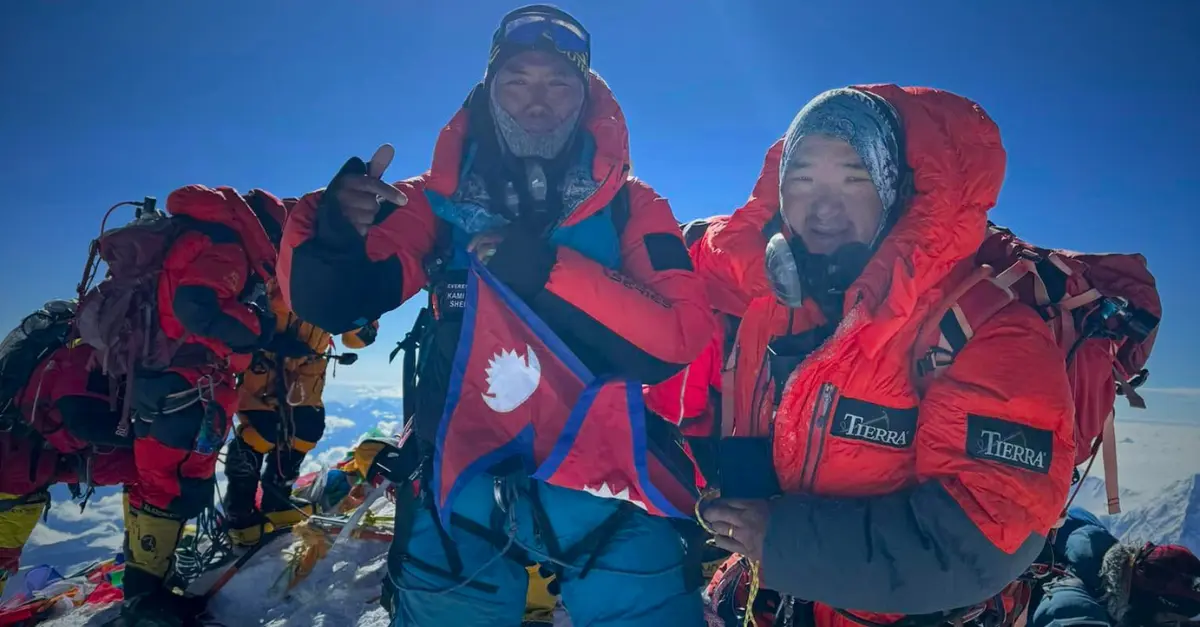
Climbing is a family and cultural matter for him. His father was one of the first professional Sherpa guides. His brother has himself reached the summit 17 times. Beyond Everest, Kami Rita has also climbed K2, Cho Oyu, Manaslu, Annapurna and Lhotse. A career as monumental as the peaks he frequents.
Nirmal “Nims” Purja, the summit machine
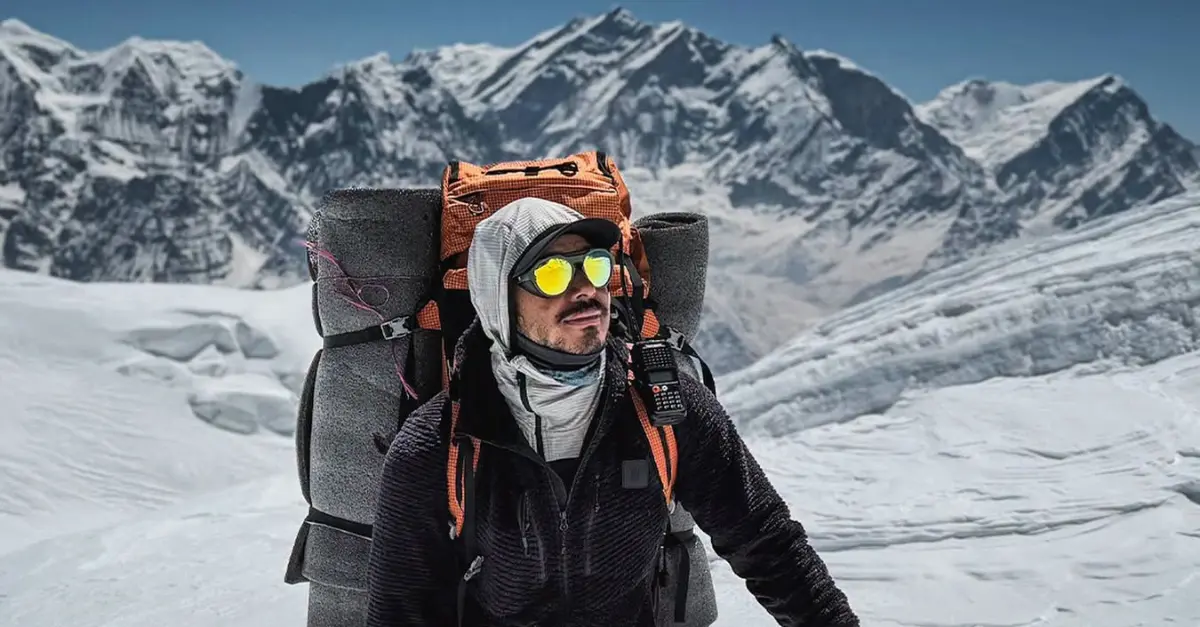
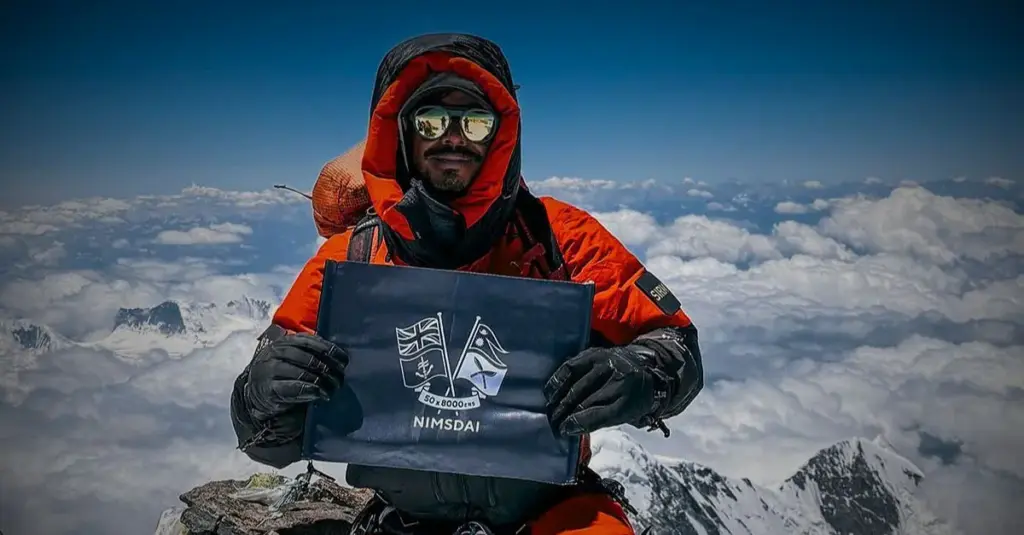
Nims Purja did something unimaginable in 2019: he completed all 14 summits above 8,000 metres in just six months and six days, smashing a record that had stood for decades. A former Nepalese special forces soldier, this man born in 1983 approaches mountaineering with military intensity and formidable communication skills — his Instagram account is an open window onto feats that most mortals can only imagine.
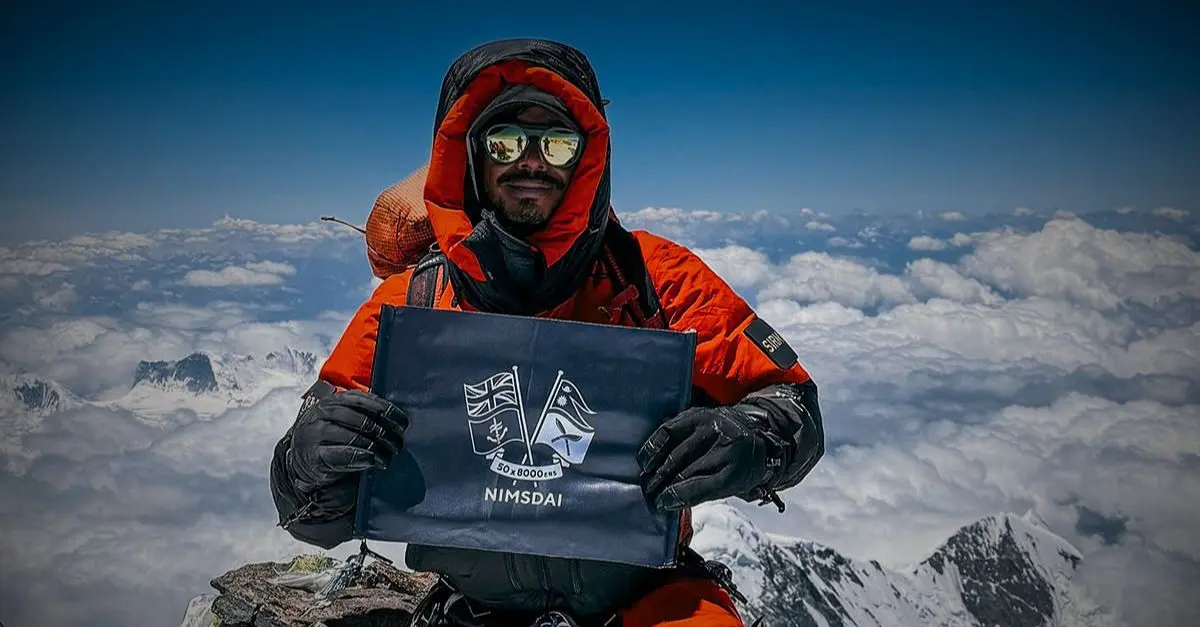
What strikes you about Nims, beyond the numbers, is the pace. Where others take months between two expeditions, he presses on without pause. And without supplemental oxygen on several of the summits. His story was adapted into a documentary on Netflix — 14 Peaks: Nothing is Impossible — which earned him worldwide visibility.
Andrzej Bargiel, when mountaineering meets extreme skiing
A skier who pushes the boundaries of the possible
The Pole Andrzej Bargiel, born in 1988, achieved one of the most staggering performances in recent history in 2018: he became the first person to ski down K2 from its summit at 8,611 m, without removing his skis once. This is a mountain that many people cannot even climb. He skied it down.
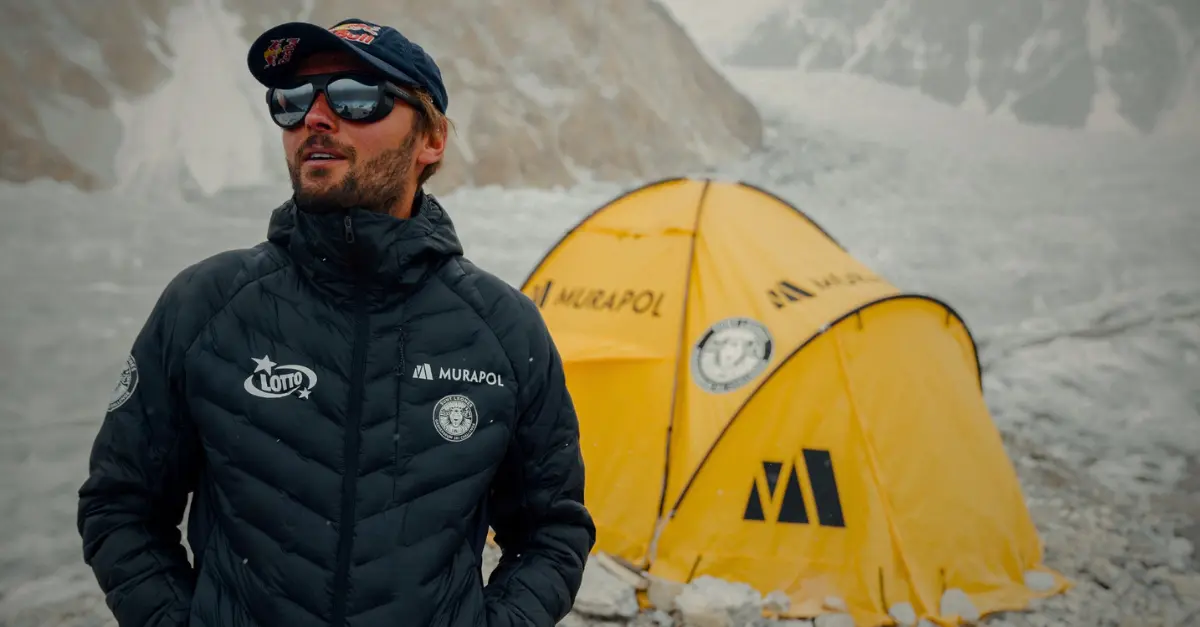
But this was no isolated one-off feat. Before that, he had done the same on Manaslu, Broad Peak and Shishapangma. In 2023, he reached a new milestone by becoming the first person to climb and ski down all the 8,000-metre peaks in the Karakoram — without oxygen. A combination of physical strength, technical mastery and audacity rarely found in a single person.
Denis Urubko, the speed climber who has not yet said his last word
Russian-Polish, born in 1973, Denis Urubko has accumulated 22 ascents of 8,000-metre summits over twenty years — all without supplemental oxygen, placing him in an ultra-exclusive club of barely a handful of mountaineers in the world. He has opened countless new routes in the Himalayas, the Tian Shan and in Patagonia.
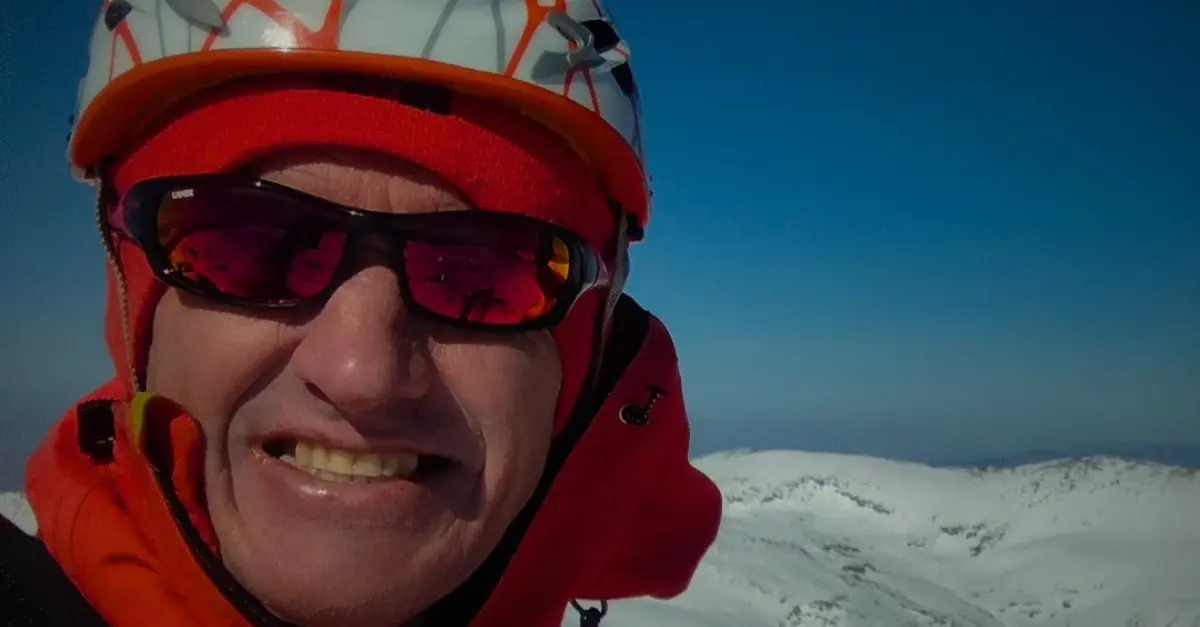
What sets him apart is his constant pursuit of renewal. Rather than replaying the same classics, Urubko seeks new lines, extreme winter conditions, challenges no one else has yet taken on. His winter attempt on Broad Peak in the early 2020s illustrates this philosophy well: always go where the risk is at its highest, and the stakes are real.
Nicolas Hojac, speed and verticality as a way of life
The man who uses the Eiger as his gym
Swiss climber Nicolas Hojac grew up in the shadow of the great Alpine faces — and turned them into his playground. At just 18, in 2010, he completed his first ascent of the Eiger’s north face, one of the most feared walls in the Alps. Since then, he has climbed it more than ten times.
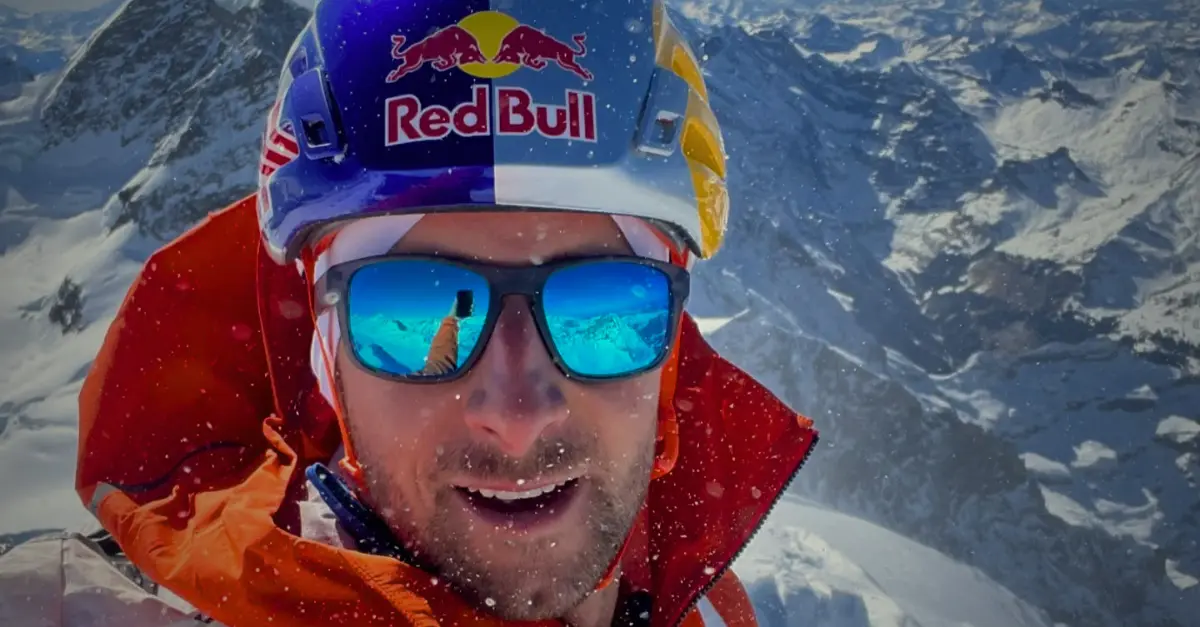
In 2015, alongside the late Ueli Steck, he set a new speed record on that same face: 3 hours and 46 minutes. A time that makes your head spin. His distinctive move? He often descends from his summits by paraglider, linking the Eiger, Mönch and Jungfrau in a single day. His expeditions in Asia (the north ridge of K7 in Pakistan) and Patagonia (Cerro Cachet) show a mountaineer who is not limited to his home mountains. His film Tribute to Failure, about an attempt on Mount Shivling in India, also displays admirable honesty: things don’t always go to plan, and that too is what mountaineering is about.
Simone Moro, the king of impossible winters
Italian Simone Moro, born in 1967, has achieved something no one else ever has: climbing four 8,000-metre summits in winter — Shisha Pangma, Makalu, Gasherbrum II and Nanga Parbat. Winter high-altitude mountaineering represents a level of difficulty and danger above and beyond the already extreme. The temperatures, winds and cold in the “death zone” become far more ferocious obstacles.
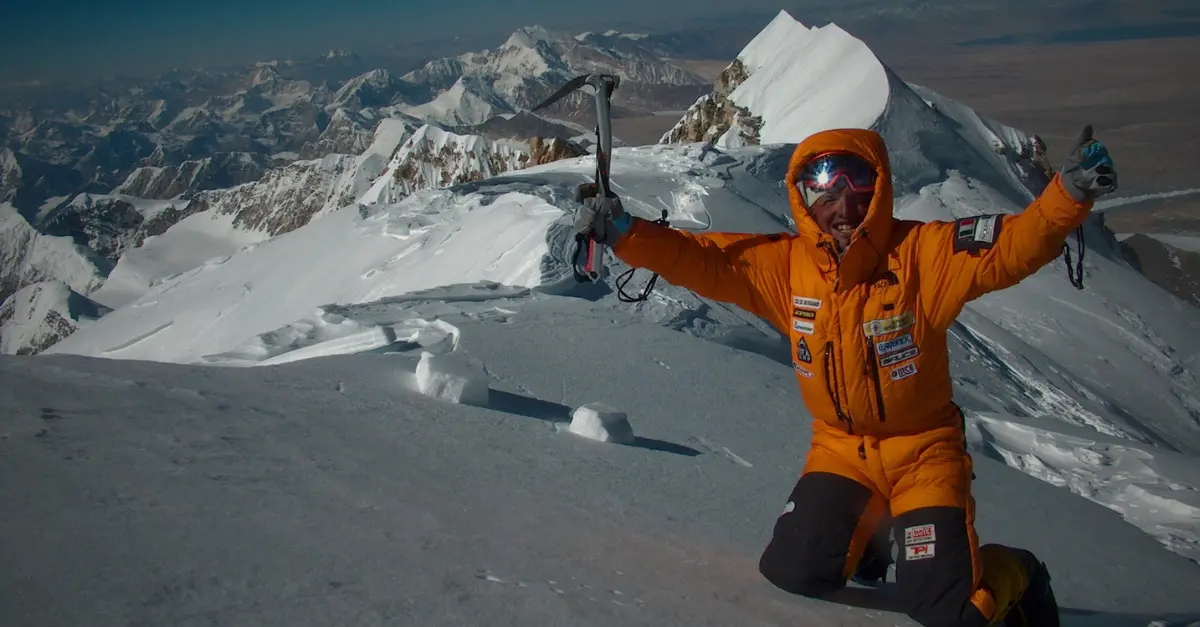
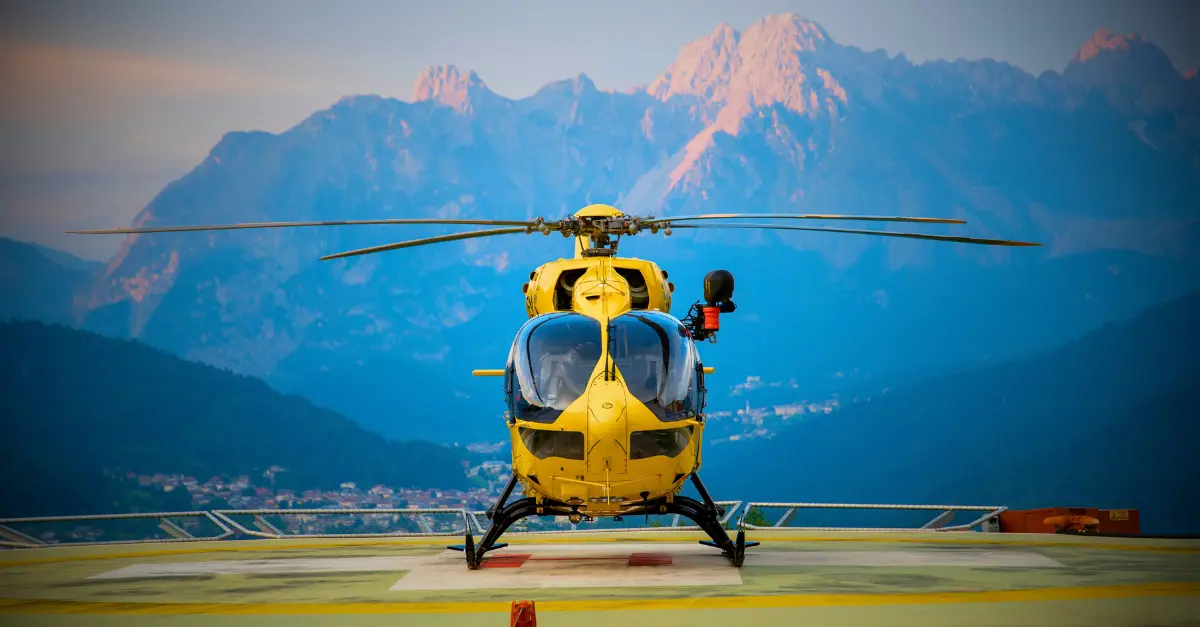
Moro is not only a mountaineer: he is also a high-altitude helicopter pilot and wingsuit parachutist. A combination that says a great deal about his personality. In 2019–2020, during his 16th winter expedition, he came very close to death after falling into a 50-cm-wide crevasse during an attempted traverse of Gasherbrum. He survived only because he was roped to his partner Tamara Lunger. That kind of episode leaves a mark — but does not seem to have slowed him down.
Paul Ramsden, four Piolets d’Or away from the spotlight
Here is someone you may never have heard of — and that is exactly how he likes it. British climber Paul Ramsden, born in 1971, has won four Piolets d’Or, the most prestigious award in world mountaineering. Some professionals dream of it their whole lives without ever winning a single one. He has four.
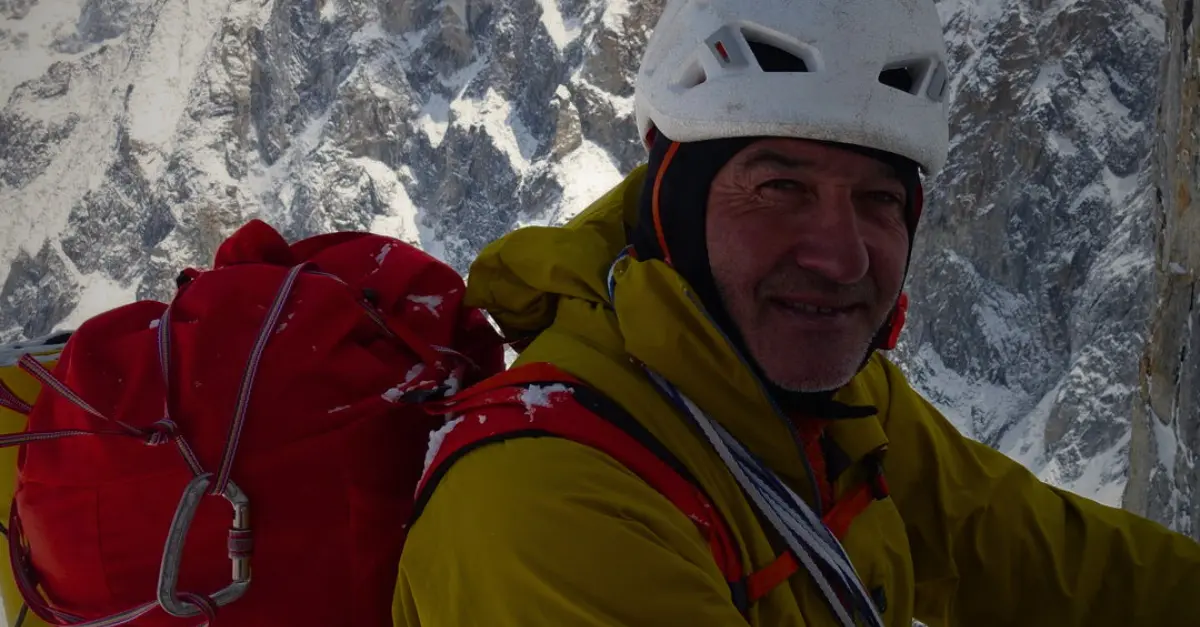
Three with Mick Fowler: on the north face of Siguniang in China, on the front face of Shiva in India and on Gave Ding in Nepal. A fourth with Nick Bullock, for a first ascent of a 7,000-metre summit in Tibet. Ramsden embodies a form of mountaineering that is rare today: doing extraordinary things without seeking to turn them into a spectacle.
Colin Haley, the virtuoso of Patagonian walls
Colin Haley (born 1984) is one of the world’s leading specialists in fast technical ascents. He knows Patagonia like the back of his hand — sixteen trips to the region, two complete traverses of the Torres del Paine, one of them completed in 24 hours with Alex Honnold. A performance that remains in the record books.
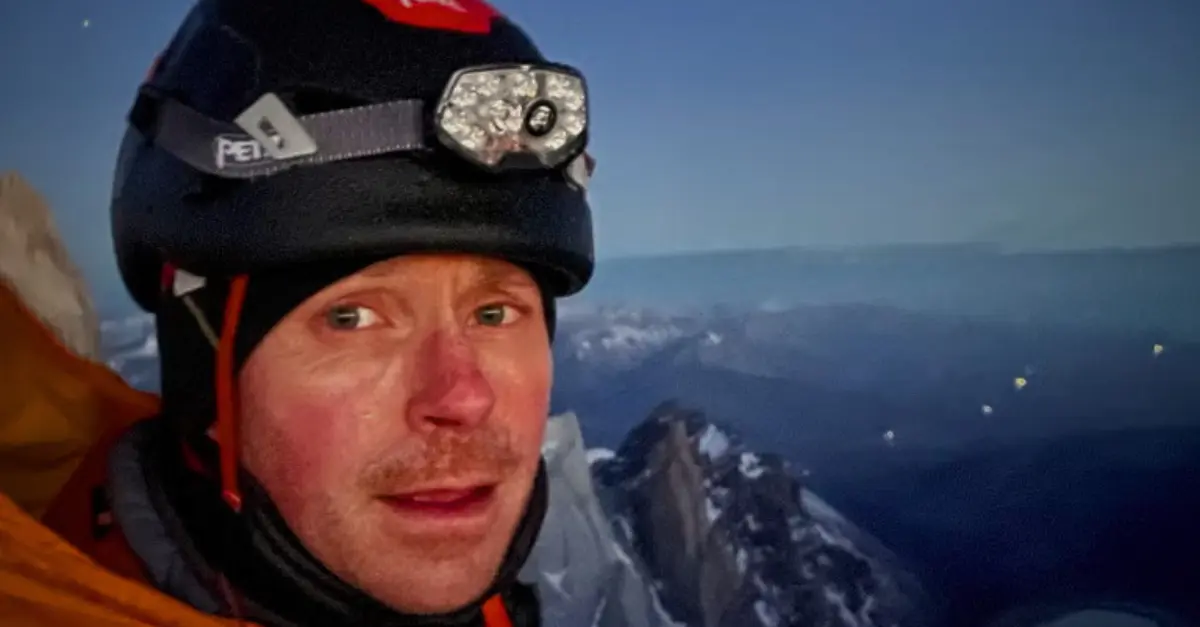
In Alaska, he has also set multiple speed records on some of the most committing lines on the North American continent. What is appealing about Haley is that he climbs first and foremost for himself, with a rigour and technical standards that earn the deep respect of his peers.
Will Gadd, ambassador of ice
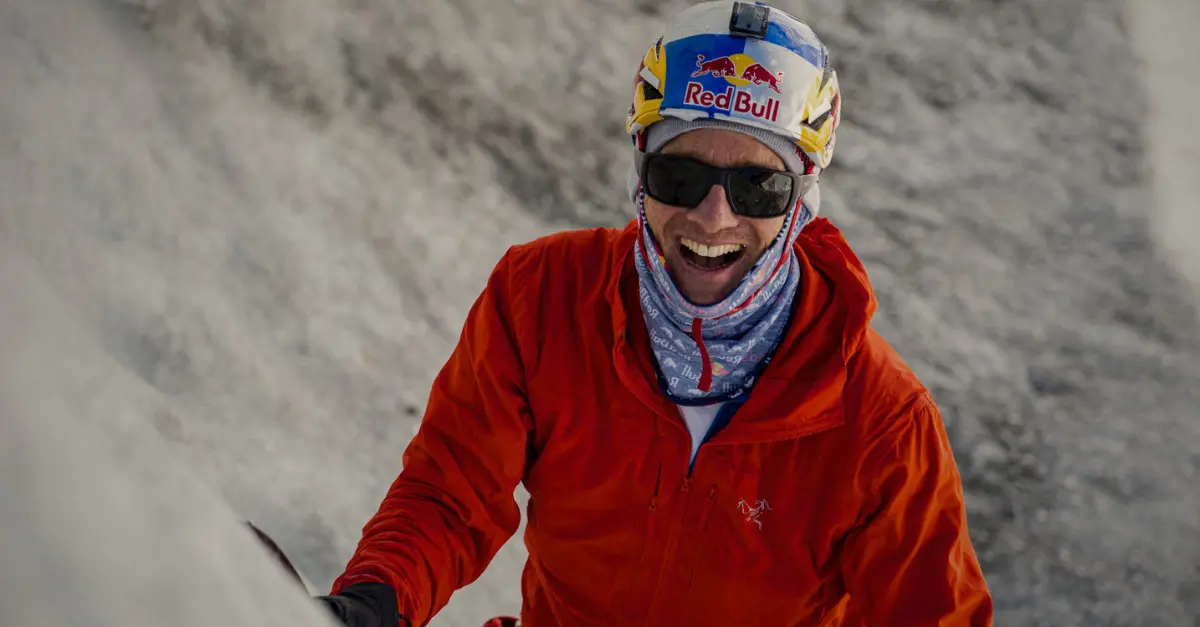
Canadian Will Gadd, born in 1967, is the most widely recognised ice climber of his generation. He has completed spectacular ascents on Helmcken Falls and Niagara Falls — yes, the real ones. The United Nations designated him a “mountain hero” for his work raising awareness of the effects of climate change on glaciers and frozen waterfalls, whose gradual disappearance he documents during his expeditions.
Conrad Anker, a lifetime in service of the summits
The living legend of American mountaineering
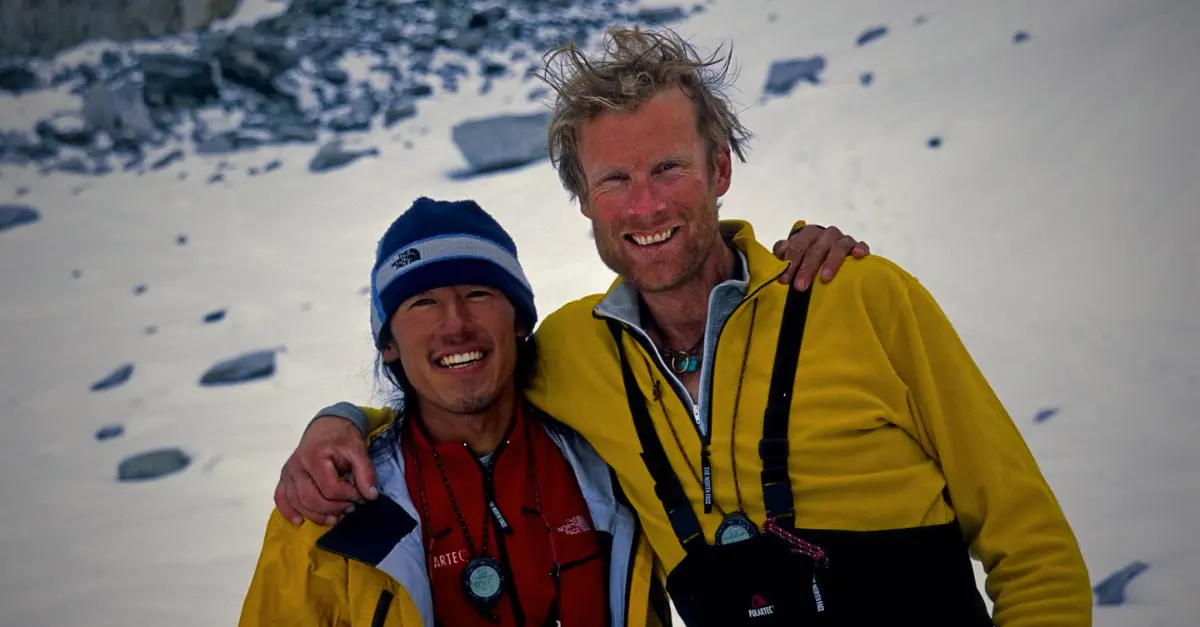
Conrad Anker, born in 1962, is one of the most respected figures in world mountaineering. In 1999, he was the one who found the body of George Mallory on Everest — a historic moment that reignited debate over the first ascent of the mountain. That same year, he survived an avalanche. In 2016, a heart attack during the ascent of Lunag Ri. He carried on.
His first ascents cover terrain as varied as the Meru, the Vinson Massif in Antarctica, Ulvetanna and El Capitan. He led The North Face climbing team for 26 years. His CV also includes the Golden Pitons Lifetime Achievement award from Climbing Magazine. A career as long as it is dense, in the service of demanding and committed mountaineering.
What this list says about mountaineering today
Here are a few points that emerge from these ten profiles:
- Diversity of disciplines: ski mountaineering, speed, new routes, winter mountaineering — each one carves their own path.
- Longevity: Conrad Anker is still climbing past 60, Simone Moro past 55.
- Discretion: the best are not always the most media-friendly (Ramsden, Haley).
- Risk remains ever-present: several of these mountaineers have come close to death in recent years.
- Women’s mountaineering is on the rise: names like Tamara Lunger or Nina Caprez would easily earn their place on such a list.
FAQ
Who is considered the greatest mountaineer of all time?
The answer depends on the criteria chosen, as mountaineering has evolved considerably over the decades.
- The historical benchmark: Reinhold Messner remains an iconic figure for having been the first to climb all 14 summits above 8,000 metres, entirely without supplemental oxygen.
- Modern record-holders: Among contemporary figures as of May 2026, former elite soldier Nims Purja (who completed those 14 summits at a blistering pace) and Nepalese guide Kami Rita Sherpa (holder of the all-time record for Everest ascents) display impressive statistical dominance.
- Technical ethics: For many purists, the “best” are rather those who open technically extreme routes in lightweight alpine style on unclimbed, remote summits, far from the spotlight of commercial expeditions.
What is the difference between a Sherpa and a professional mountaineer?
This is a distinction that blends cultural identity and professional status.
- The Sherpa people: Originally, “Sherpa” refers to an ethnic group from the mountainous regions of Nepal. Due to their remarkable physiological adaptation to altitude, many have become indispensable high-mountain workers.
- Professional evolution: Today, many Sherpas like Kami Rita are fully-fledged world-class professional mountaineers in their own right. Their logistical prowess and climbing skills frequently surpass the achievements of most renowned Western mountaineers.
- The professional mountaineer: This term encompasses any athlete (whether an UIAGM-certified guide or sponsor-backed) whose main occupation involves climbing mountains, opening new routes or leading clients at high altitude.
Is it still possible to achieve world firsts in mountaineering?
Yes, the world still holds a vast amount of unexplored terrain.
- Unclimbed summits and faces: While there are no more 8,000-metre summits left to discover, hundreds of secondary 6,000- or 7,000-metre peaks in Central Asia, Tibet or Alaska have never been trodden. In addition, many legendary vertical faces have never been climbed.
- Evolving styles: Modern challenges involve taking known routes and completing them under extreme conditions: in true winter, solo, without oxygen, or at record speed.
Is mountaineering accessible without being a professional?
Absolutely — mountaineering is a discipline practised at all levels.
- A step-by-step progression: There is no need to set your sights on Himalayan summits to experience the grandeur of the discipline. European ranges such as the Alps or the Pyrenees offer thousands of routes at every level, from beginner F (Easy) to ED (Extremely Difficult) grades.
- Learning safety: The secret to a sustainable amateur practice lies in proper guidance. Joining local alpine clubs or hiring a certified mountain guide allows you to acquire the essential foundations (glacier safety, map reading, adventure terrain climbing) to progress steadily towards self-sufficiency.