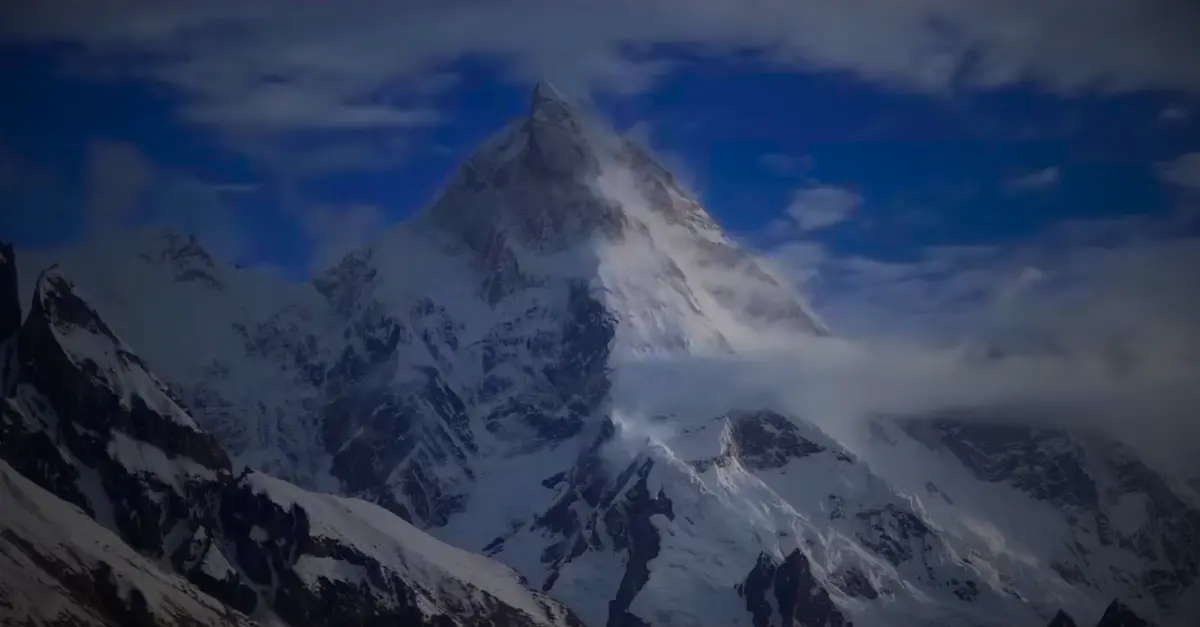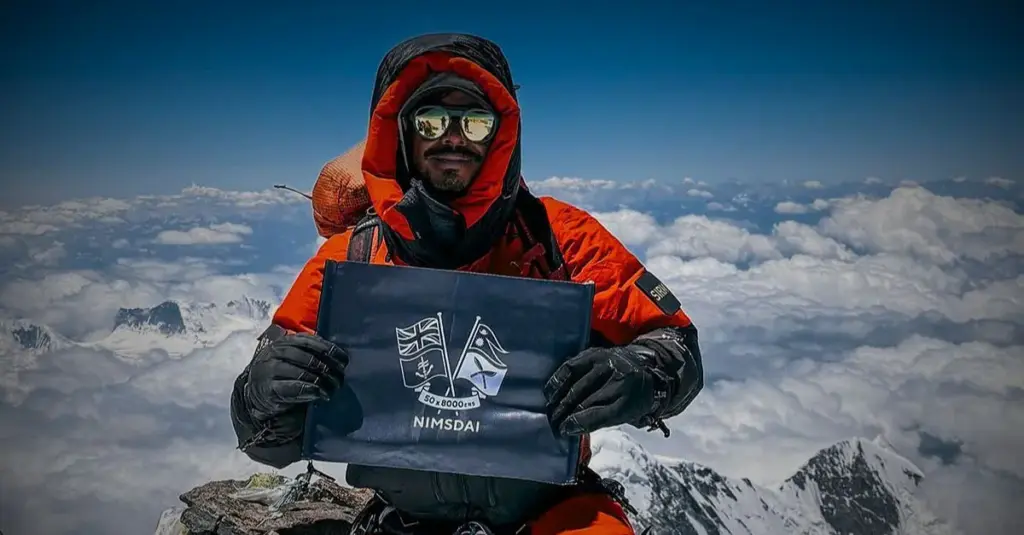


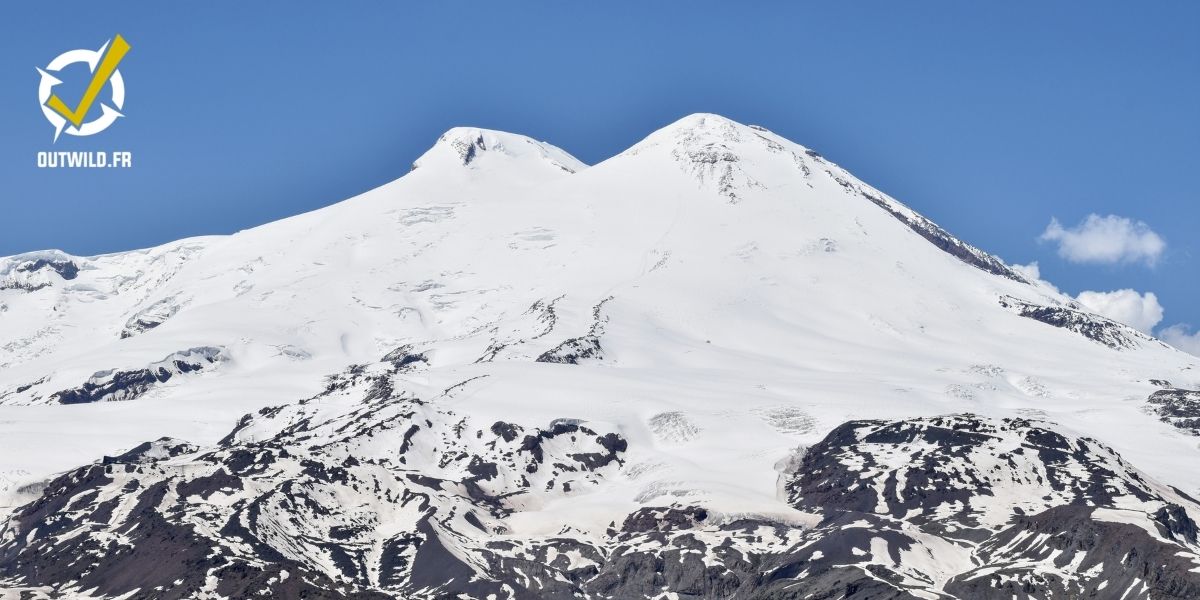
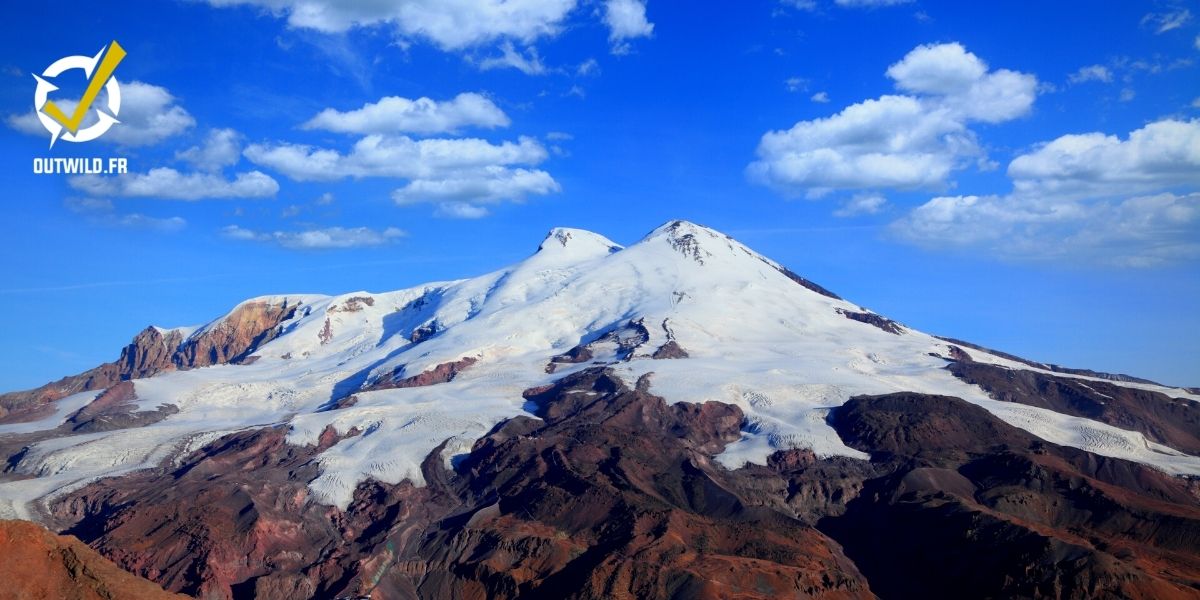
So, if you are reading this article, you have surely heard the call of the mountains. Perhaps you have even decided to conquer some or all of the famous Seven Summits (the highest mountain on each of the seven continents). And what is the highest mountain in Europe, you might ask? If your mind turns to the Alps and Mont Blanc (4,810 m), you would be wrong! Mount Elbrus, in the Russian Caucasus mountains, is the highest mountain in Europe at 5,643 metres above sea level. Well above our beloved Mont Blanc… In this article, we will give you tips and advice to successfully climb this famous summit in Russia. Happy reading!
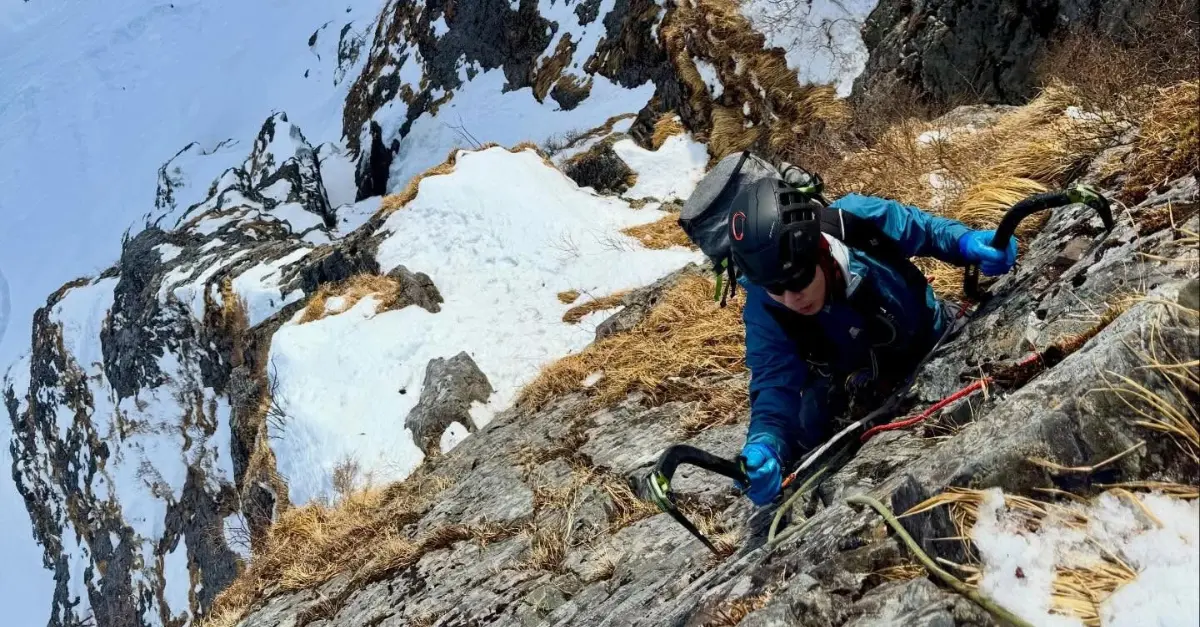
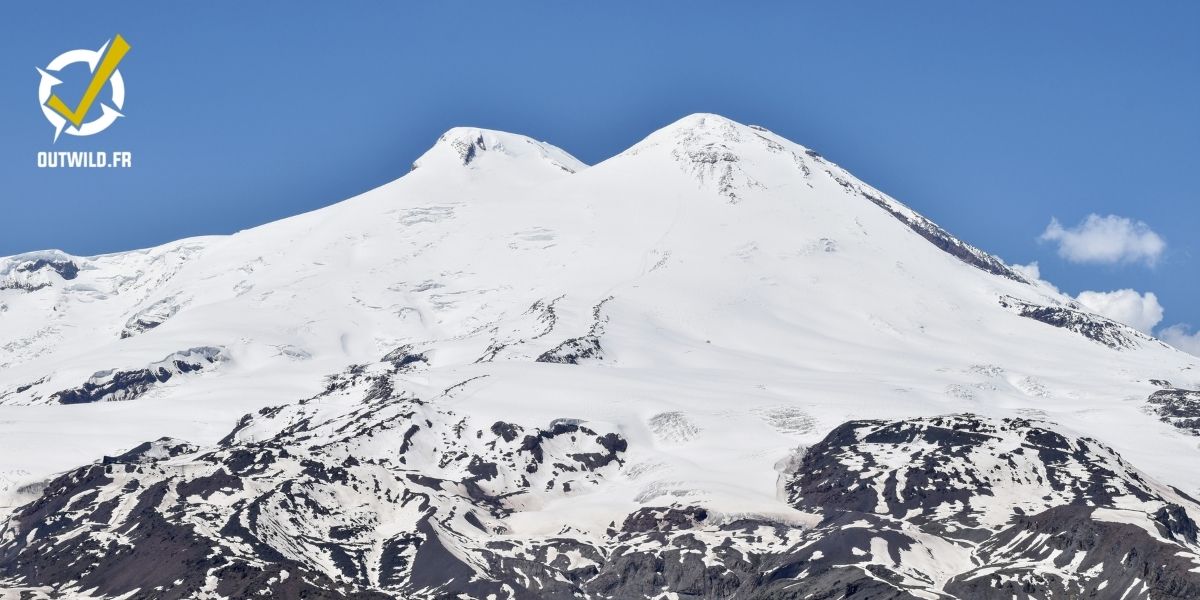
Mount Elbrus, with its twin-domed dormant volcanic peaks, is a popular climbing destination for both experienced and amateur climbers. Climbing Elbrus is a fantastic mountain challenge and an incredibly rewarding experience. But, like any serious mountain ascent, Elbrus can be dangerous. In good weather, and with the right preparation and equipment, any “normal” person can do it. Elbrus may not be a technical climb, but it should not be underestimated. Cold weather and altitude can make the ascent quite difficult and dangerous — indeed, every year a few people die climbing Elbrus.
The appeal of Mount Elbrus draws thousands of mountaineers every year. If you are considering tackling the ascent yourself, here is some information to know before booking your flight to Russia.
Which route should I use?
There are two main approaches to Elbrus — the south and north routes. The south side is significantly easier than the north. The summit success rate from the south is around 80 to 90%, while from the north the summit success rate is around 50%. Climbing Elbrus from the south is a 5 to 6-day expedition and from the north will take 6 to 7 days. Both routes involve basic technical skills, such as moving on rope, crampons, glacier crossings (north side only) and the use of ice axes on certain steep snow slopes. These skills can be acquired on the mountain if you book with Outwild through our local partners.
The south side via the cable car
This is the most popular route on Mount Elbrus. If you have limited high-altitude climbing experience or wish to go without a guide, this route is for you! It is the simplest, safest and fastest way to climb Elbrus. On the south side, climbers only need basic experience using crampons and ice axes. The south side approach uses a unique cable car system to transport climbers up to 3,810 metres. From there, you can see the barrels (bochki), the steel containers where you will sleep and eat. There are three barrel sections on the south side of Elbrus. On the south route, you can expect more comfort and even have the option of staying at the LeapRus hotel, which is equipped with comfortable bunk beds, modern showers, good food, Wi-Fi and a fantastic view of the Caucasus. While this may not be the hardcore climbing option some climbers are looking for, it is certainly very comfortable. The other huts on the south route are also comfortably equipped, though not quite as luxurious.
The North Route
This is a more demanding route. The elevation gain is greater, the snow slopes are steeper, requiring more rope work and experience with crampons and ice axes. There are no roads, cable cars, chairlifts or snowcats on the north side, so you will need to walk from base camp (2,500 m) carrying all your gear. The route also includes glacier crossings where crevasses are a risk, and some crevasse rescue skills are important. The north approach is significantly harder and, as a result, there are far fewer people on this route. I would only recommend following this route if you are going with an experienced guide or are yourself an experienced mountaineer.
I love the north side of Mount Elbrus, but if you want to stay safe and succeed, and you are not very experienced, then the south side is the best route for you. Honestly, whichever route you choose, a successful ascent from either side will bring you to the roof of Europe.
(There are routes on the eastern and western flanks of the mountain, but both are quite wild, with very few people and no infrastructure. Climbing from the west or east requires experience and strength, and as a result these routes see only a handful of ascents each year.)
Should I take a guide?
Aside from the technical challenge of climbing Elbrus, planning the logistics of the ascent without a guide can be very difficult. Although a guide is not strictly necessary to climb the mountain, I think it is money well spent. An agency will organise your entire trip — handling transport to and from the mountain, accommodation on and off the mountain, equipment rental, meals, and so on. In addition to sorting all the logistics, their professional training and wealth of experience will genuinely boost your chances of successfully reaching the summit.
The cost of climbing Mount Elbrus depends on how you approach the mountain. Here are three options:
Budget independent ascent
It is possible to climb Mount Elbrus independently. You could probably do it on a tight budget. You will need to budget for your transfers, accommodation before and after the ascent, cable car rides (if ascending from the south), food and water on the mountain, and mountain accommodation. It is worth saying here that organising an ascent without a guide is no easy task. In southern Russia, you will likely encounter only a handful of English speakers, so a reasonable level of Russian is fairly important if you are travelling without a guide.
Climbing with a local guide
There are a number of good Russian guide organisations you can climb with. The package would typically cover accommodation before and after the ascent, all logistics and expenses on the mountain, as well as a professional guide. I would strongly recommend using a local guide — Outwild offers excellent local guides and is also happy to help with the tricky logistics of obtaining a Russian visa and all required permits.
Climbing with a Western operator
There are a number of Western operators offering ascents of Mount Elbrus. International outfits will guarantee English-speaking guides and often assist with formalities such as visas and international flights, but they will be considerably more expensive. Prices can reach up to €5,000 per person.
What is the best time to climb?
The climbing season on Elbrus runs from May to mid-September. The best time to climb is July to August when the weather is more stable, the days are sunnier and temperatures are warmer. If you prefer quieter slopes, it is possible to climb later or earlier in the season, but the weather will be colder and less predictable. The best time to ski on Mount Elbrus is June, when there is more snow.
How can I prepare for the ascent?
There are no two ways about it — you need to be fit to climb Elbrus. The trekking is demanding, particularly on summit day when climbers can expect a 12 to 15-hour round trip. Climbers should be comfortable carrying a 12 kg pack on long hikes gaining 1,500 metres per day. A training programme should include a mix of uphill hiking with a loaded pack, jogging/running and strength training, and should begin at least 8 weeks before your ascent.
Climbing Mount Elbrus is not for everyone, but with a good level of fitness and some mental preparation, it could be for you.
What should I bring?
Make sure you have the right clothing and equipment. Outwild will help you with a gear list if needed. Appropriate trekking boots are essential, as is waterproof gear, a range of merino wool layers and good-quality gloves. If you are not a professional climber, I suggest bringing basic hiking equipment and renting the specialist climbing gear you will need.
Equipment rental is fairly straightforward, with many shops offering a wide range of options at affordable prices. You can rent almost everything you need, which is useful both for reducing the weight of your luggage and for avoiding having to invest in expensive technical gear that you may only use once. And if you wish to hike in the area, we recommend bringing a hammock tent: See the tents.
What about acclimatisation and altitude sickness?
Many people who climb Elbrus will suffer from some form of altitude sickness. At the summit, there is approximately 50% less oxygen than at sea level. Symptoms typically occur above 2,300 m and include headaches, loss of appetite, shortness of breath, sleep disturbances, nausea, vomiting and an elevated heart rate.
To aid acclimatisation, climbers should go on regular acclimatisation hikes in the days leading up to their summit push. Drinking plenty of water will also help. The medication Diamox can be taken as a preventive measure, but with sufficient acclimatisation hikes, you will hopefully not need it.
How do I get to Mount Elbrus?
The nearest airports to Mount Elbrus are at Mineralnye Vody (200 km from the Elbrus region) and Nalchik (around 120 km away). Most people travel via Moscow (or Istanbul or Dubai), although you can also take the train.
Most visitors to Russia need a visa, which can be a lengthy process. You should apply for the visa at least one month before travel.
With a little preparation, a good level of fitness and plenty of determination, Mount Elbrus is an achievable and truly worthwhile accomplishment.
What does the schedule look like?
A typical itinerary will look something like this:
Day 1: You will fly into one of the local airports and drive for over 3 hours to the base of Elbrus. Acclimatisation begins on this very day as the journey to Elbrus takes you up to 2,500 m above sea level.
Day 2: Days 2 to 5 are dedicated to acclimatisation. On the second day, you will go on an acclimatisation hike in one of the neighbouring mountains around Elbrus.
Day 3: You will head up to base camp on the south side of Elbrus, staying in one of the “barrel hut” shelters (which must be booked in advance). These are equipped with kitchens and gas stoves for cooking, which is a real bonus.
Day 4: Enjoy another acclimatisation hike, typically up to the Pastukhov Rocks.
Day 5: As a rule, you have a rest day, with some technical training involved.
Day 6: Summit day! You will wake up early (usually around 1 or 2 am) and set off for the summit. You will have the option to rent a snowcat (tractor/groomer) to take you up to the Pastukhov Rocks, which considerably eases the ascent to the summit. Most groups expect to reach the summit before noon and return to base camp around 3 or 4 pm in the afternoon.
Day 7: This day is usually kept as a reserve summit day in case of bad weather on Day 6. If you successfully summit Elbrus on Day 6, you can use Day 7 to explore the area: hiking, horse riding or enjoying the Russian Banya/sauna.
Day 8: You head home. Depending on your schedule, you can either make your way to the airport and begin your journey back, or explore more of the North Caucasus/Russia.
You will need a visa and an invitation letter
To enter Russia, most foreigners need visas and official invitation letters from an inviting party in the country. Check the Russian embassy website in your country for exact details on Russia’s visa requirements. Most countries have visa processing companies that can help you obtain a Russian visa and an invitation letter. However, bear in mind that this process normally takes a month — so make sure you plan ahead and give yourself plenty of time! Happy climbing!