
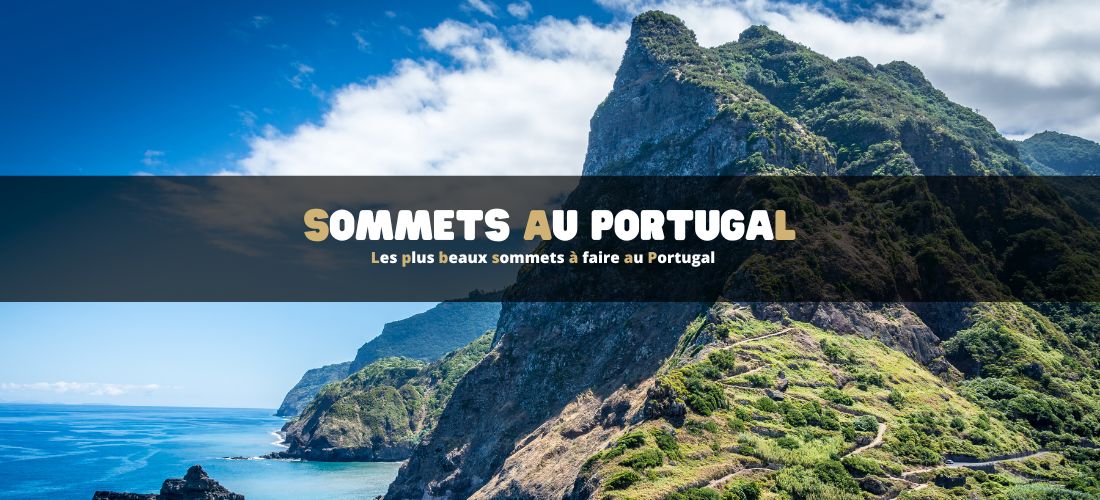
Portugal, this small country at the edge of Western Europe, conceals behind its famous golden beaches of the Algarve and its historic cities like Porto and Lisbon a mountainous landscape of breathtaking beauty that is well worth the detour. Far from the traditional tourist trail, Portugal’s mountains offer hiking and mountaineering enthusiasts unique experiences that blend ancestral cultural heritage, exceptional biodiversity and awe-inspiring panoramas.
From the granite heights of the Serra da Estrela to the dormant volcanoes of the Azores, via the rugged ridges of Peneda-Gerês, each massif tells a geological story thousands of years in the making and shelters remarkable ecosystems. This topographical diversity, often unknown to international visitors, transforms Portugal into a true paradise for mountain lovers seeking to explore authentic territories, untouched by mass tourism, where nature still reigns supreme 🏔️.
Portugal’s summits stand out for their remarkable accessibility and climatic variety, allowing ascents throughout the year depending on the region chosen. Unlike Europe’s Alpine giants, these mountains offer challenges suited to all levels, from the occasional hiker to the seasoned mountaineer, while guaranteeing exceptional visual rewards.
The wealth of endemic flora, particularly visible in spring when golden broom carpets the hillsides and wild orchids dot the highland meadows, is one of the major draws of these unspoilt natural spaces. This unique biodiversity is explained by Portugal’s strategic geographical position as a crossroads of Mediterranean, Atlantic and continental climatic influences, creating microclimates that support a surprisingly diverse range of vegetation.
Serra da Estrela, the roof of Portugal
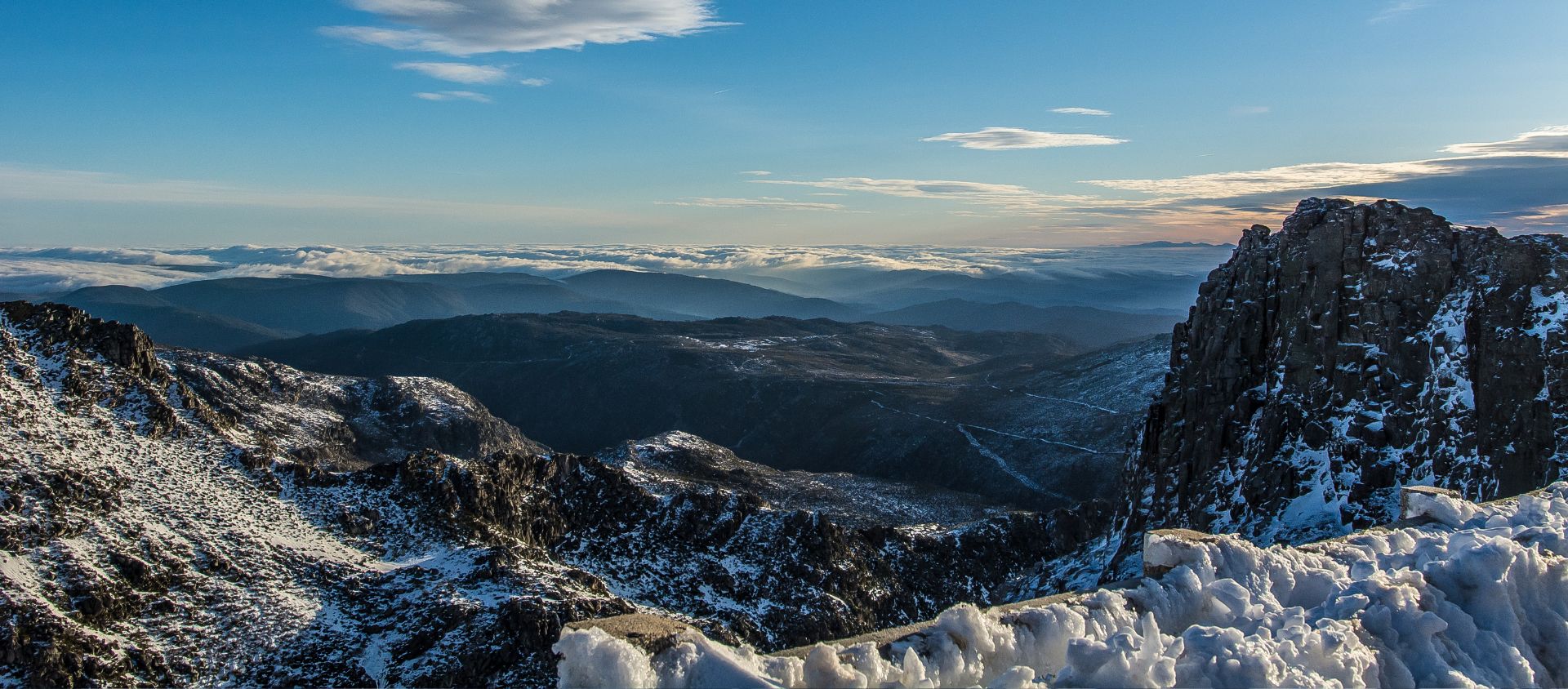
Peaking at 1,993 metres at Torre, the Serra da Estrela is undeniably the jewel of mainland Portugal’s mountains and lives up to its reputation as an unmissable destination for any high-mountain enthusiast. This granite massif, shaped by millions of years of glacial erosion, offers landscapes of spectacular grandeur where crystal-clear high-altitude lakes, hanging valleys and glacial cirques blend together, bearing witness to a turbulent geological past.
The ascent to the Torre summit, while technically accessible via a driveable road, reveals its true magic when undertaken on foot from the traditional villages of Manteigas or Covilhã, allowing for a gradual immersion into this exceptional mineral world. The trails wind through rock formations sculpted by time, regularly offering striking viewpoints over the deep valleys where ancestral pastoral traditions still endure.
The ecological richness of the Serra da Estrela is particularly fascinating for naturalists and nature photographers, with the presence of endemic species such as Bosca’s salamander and the mountain narcissus that blooms exclusively at these elevations. The local shepherds, centuries-old guardians of these territories, perpetuate remarkable traditional skills, notably the production of the famous Serra da Estrela cheese, which is aged in natural caves carved into the granite.
This cultural dimension greatly enriches the mountain experience, transforming each ascent into a genuine journey through time where the modernity of hiking equipment rubs shoulders with the authenticity of preserved rural ways of life. Winter completely transforms the landscape, bringing regular snowfall that creates a magical setting and even allows cross-country skiing on the summit plateaus — a rare phenomenon at this latitude 🌨️.
Peneda-Gerês, national park
The Peneda-Gerês National Park, Portugal’s only national park, stretches across more than 70,000 hectares of mountains of breathtaking diversity, fully justifying its status as a UNESCO biosphere reserve. This border region with Spain is home to summits exceeding 1,500 metres in altitude, such as Pico da Nevosa which peaks at 1,545 metres, offering exceptional panoramas over the steep-sided valleys through which crystal-clear rivers flow, punctuated by spectacular waterfalls.
Ascending these heights gradually reveals the geological complexity of the massif, where pink granites, metamorphic schists and quartzites alternate to create a mosaic of colours that is particularly striking at sunrise and sunset. The trails, perfectly waymarked and maintained by park authorities, allow exploration of varied ecosystems ranging from ancient oak forests to upland heathland where heathers and dwarf junipers thrive.
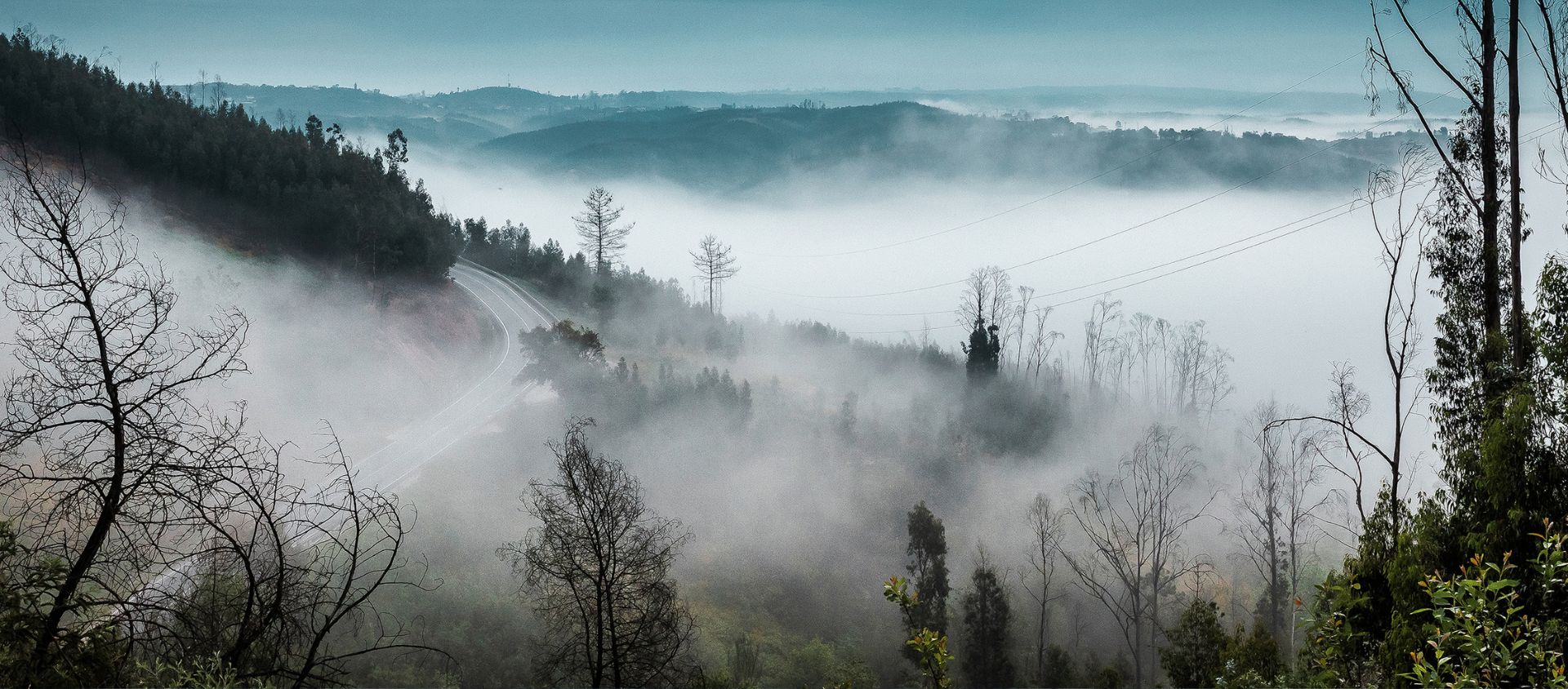
The wildlife of Peneda-Gerês is one of the major attractions for patient and observant hikers, with confirmed sightings of Iberian wolves, roe deer, wild boar and remarkable birdlife including golden eagles and Eurasian eagle-owls. These privileged encounters with wild nature take place in a preserved setting where humans have managed to maintain a delicate balance between environmental conservation and traditional activities.
The granite villages nestled in the valleys, such as Castro Laboreiro or Pitões das Júnias, bear witness to an exceptional vernacular architecture perfectly integrated into the mountain landscape. Their slate-roofed houses with dry-stone walls tell the thousand-year history of a remarkable adaptation to the climatic and topographical constraints of the mountains. The ever-present water, in the form of torrents, waterfalls and high-altitude lagoons, creates a particularly refreshing atmosphere even in the height of summer, turning each hike into a journey of discovery where the senses are constantly stimulated by the beauty of the landscapes and the purity of the mountain air 💧.
The volcanoes of the Azores
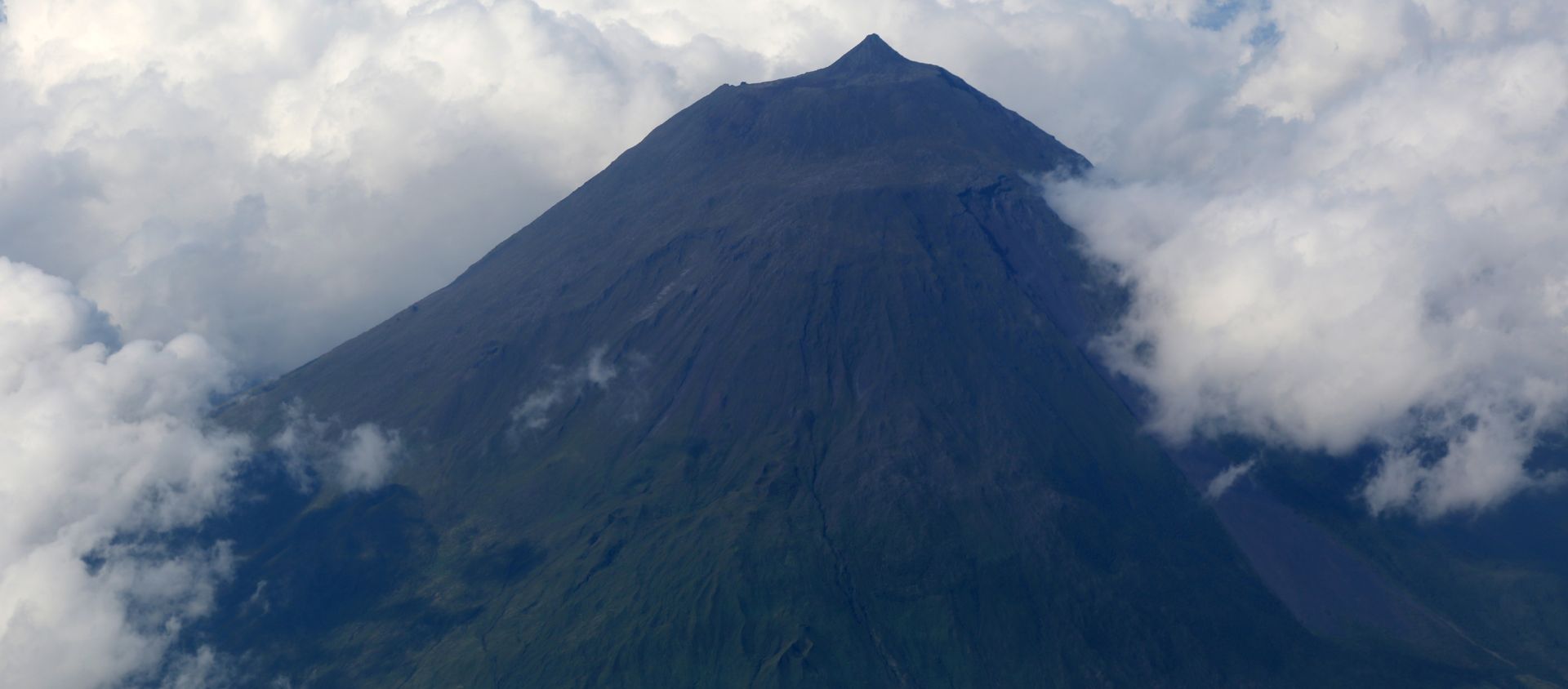
The Azores archipelago offers a mountain experience entirely different from mainland Portugal, with its nine volcanic islands rising from the Atlantic like so many underwater mountains revealing their peaks to the open air. Pico, Portugal’s highest point at 2,351 metres, majestically dominates the island of the same name and presents a fascinating technical challenge for experienced mountaineers.
This perfect volcanic pyramid, visible in clear weather from several islands of the archipelago, offers a demanding ascent across fields of cooled lava, basaltic flows and geological formations of striking originality that bear testament to recent volcanic activity on a geological timescale. The nocturnal ascent, traditionally favoured to avoid daytime heat and to watch the sunrise from the summit crater, provides unforgettable sensations in this lunar landscape where vegetation gradually gives way to a mineral scenery of grandiose austerity.
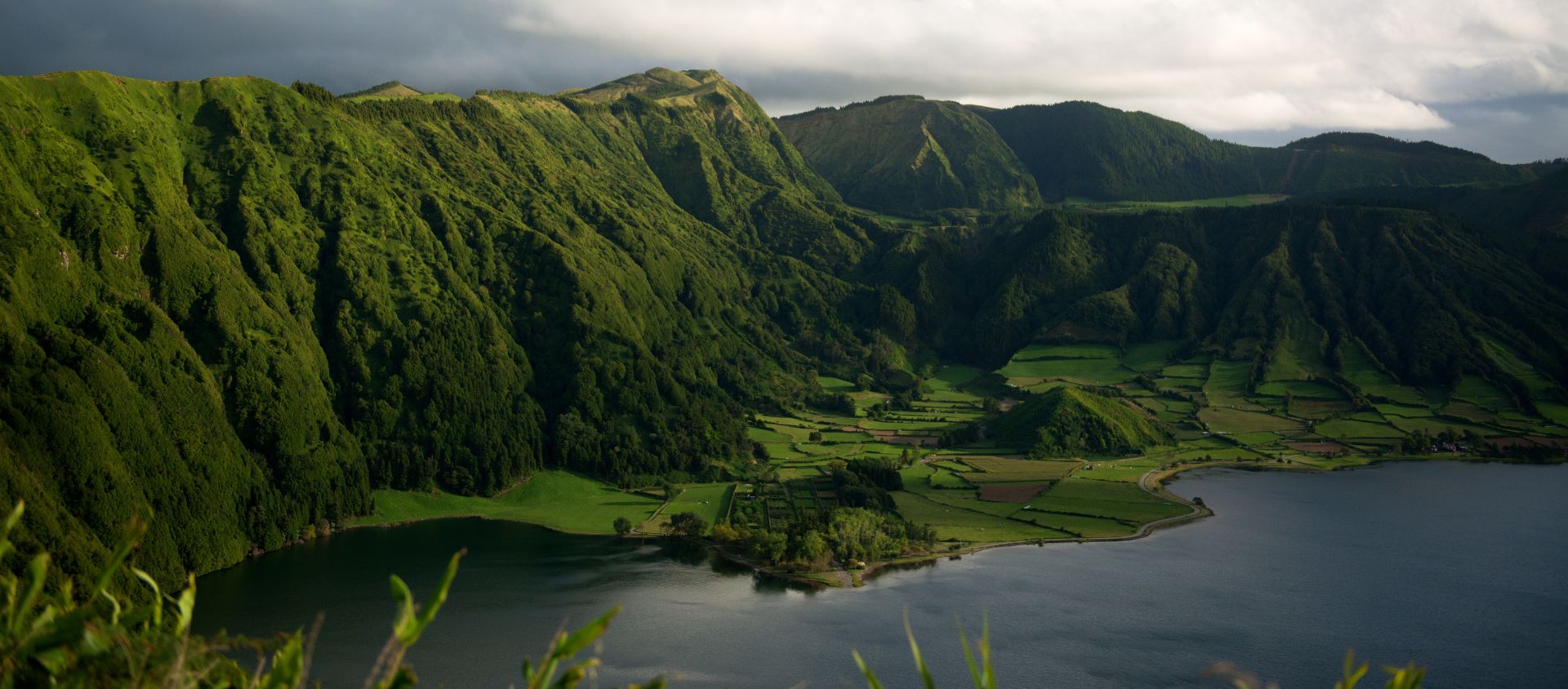
The giant calderas of São Miguel, notably that of Sete Cidades with its twin lakes of contrasting colours, create natural amphitheatres of stunning beauty where past volcanic activity meets lush tropical vegetation. These circular depressions, remnants of ancient cataclysmic eruptions, now shelter unique ecosystems where giant ferns, wild hydrangeas and Japanese-imported cryptomeria thrive, composing forests of an intense green that is particularly photogenic.
Hiking along the rims of these calderas offers ever-changing perspectives over these high-altitude lakes with their metallic reflections, framed by sheer volcanic walls carpeted in endemic vegetation adapted to acidic soils and salt-laden air. Persistent geothermal activity manifests itself through numerous hot springs, fumaroles and geysers that create a mysterious atmosphere and serve as a constant reminder of the volcanic nature of these lands that emerged relatively recently from the ocean floor. This active geological dimension transforms each ascent into a genuine open-air natural science lesson, where hikers can directly observe the telluric forces that continue to shape these exceptional landscapes 🌋.
Essential highlights not to be missed
Each Portuguese mountain massif holds specific treasures that deserve particular attention when planning a mountain-focused trip to this multifaceted country. Here are the essential experiences you absolutely must have:
-
- The nocturnal ascent of Pico in the Azores to watch an unforgettable sunrise from Portugal’s highest point, in a volcanic setting of striking beauty that more than justifies the physical effort involved
-
- The glacial lakes hike in the Serra da Estrela, particularly Lagoa Comprida and Lagoa Escura, remnants of ancient Quaternary glaciers that offer mirrors of crystal-clear water set in a polished granite frame
-
- The historic villages circuit of the Serra da Estrela, notably Monsanto and Sortelha, perched on rocky outcrops and ranked among the most beautiful villages in Portugal
-
- Exploring the caves and waterfalls of Peneda-Gerês, such as the spectacular Arado waterfall that cascades for over 150 metres into a granite cirque
-
- Discovering the colourful calderas of São Miguel, in particular the complete trek around Sete Cidades which reveals ever-changing panoramas over these volcanic lakes
-
- Wildlife watching in the early hours of the morning or at the end of the day, the best moments to spot wolves, golden eagles and other emblematic species
-
- Tasting local specialities in high-altitude refuges and mountain inns, particularly cave-aged cheeses and mountain wines with their unique aromas
Practical tips for successful ascents
Careful preparation is the key to making the most of Portugal’s mountain riches, particularly given the climatic diversity and geographical specificities of each region. Weather conditions can change rapidly at altitude, requiring appropriate equipment including technical layering clothing, sturdy mountain boots and safety gear suited to the chosen level of difficulty.
Detailed mapping is essential, all the more so because some remote areas do not always benefit from satisfactory mobile network coverage, making the use of traditional topographic maps crucial in addition to GPS applications. Local guides, true living encyclopaedias of their territory, bring considerable added value by sharing their knowledge of secret routes, prime wildlife observation spots and the best periods to discover the endemic flora in all its splendour.
The cultural and gastronomic dimension should not be overlooked during these mountain adventures, as high-altitude villages often offer authentic accommodation in traditional quintas where Portuguese hospitality finds its fullest expression. These family establishments allow guests to sample regional specialities prepared according to ancestral recipes, such as game stews simmered with wild herbs or desserts made from mountain fruits — all of which serve as culinary rewards after physical exertion.
Learning a few basic words of Portuguese greatly facilitates exchanges with local inhabitants, who are often delighted to share their knowledge of the territory and their anecdotes about how the landscapes have changed with the seasons. This human dimension greatly enriches the mountain experience and creates lasting memories that go far beyond mere sporting performance to touch the very essence of travel and cultural discovery 🥾.
Portugal’s mountains thus reveal all their unsuspected richness to curious visitors who take the time to venture beyond the classic tourist destinations. These unspoilt summits offer an authentic and refreshing alternative to the overcrowded Alpine massifs, while guaranteeing unforgettable experiences in exceptional natural settings where tradition and modernity coexist harmoniously.