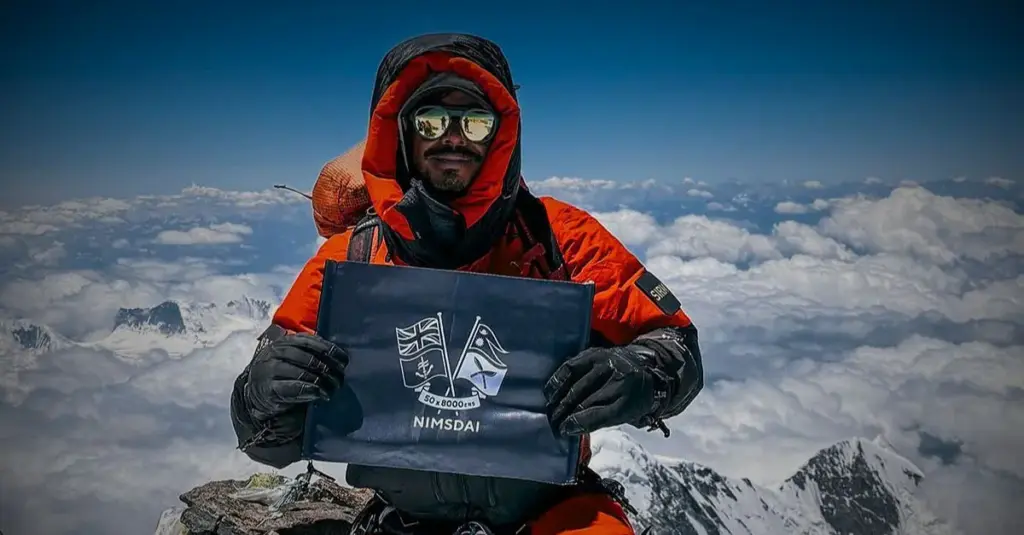

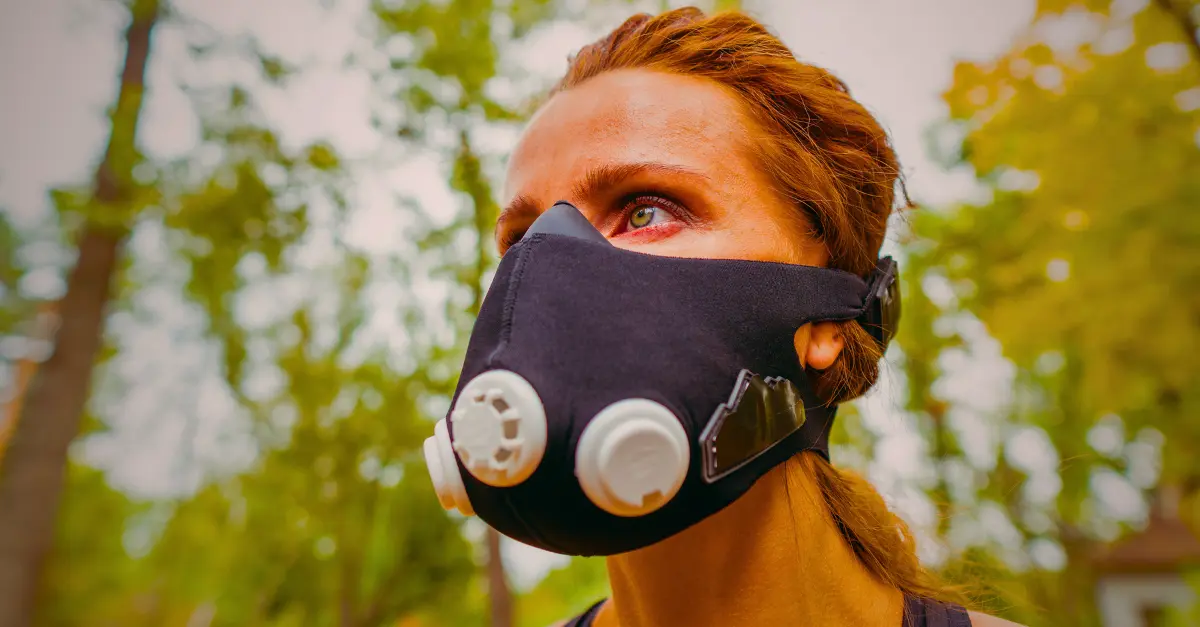
The hypoxic mask has been everywhere for the past few years — in CrossFit boxes, on the Instagram stories of endurance athletes, and more recently in the talk of certain mountaineers preparing for major expeditions. The question everyone eventually asks: does it actually work for simulating altitude? The short answer, the one science clearly gives in 2026, is no — not in the way it’s sold to you. These devices do not replicate altitude hypoxia. They create breathing resistance, which is a very different thing. That doesn’t mean they serve no purpose, but we need to be honest about what they do and what they don’t. Having prepared for a climb to Everest Base Camp and tested several acclimatisation approaches, I have a clear-cut opinion on the subject.
What the hypoxic mask actually does
The confusion comes from the marketing. The term “hypoxic mask” or “altitude mask” immediately conjures up the idea of breathing oxygen-depleted air — as if you were at 4,000 metres during your rowing session. That’s the image being sold. The physiological reality is far more mundane.
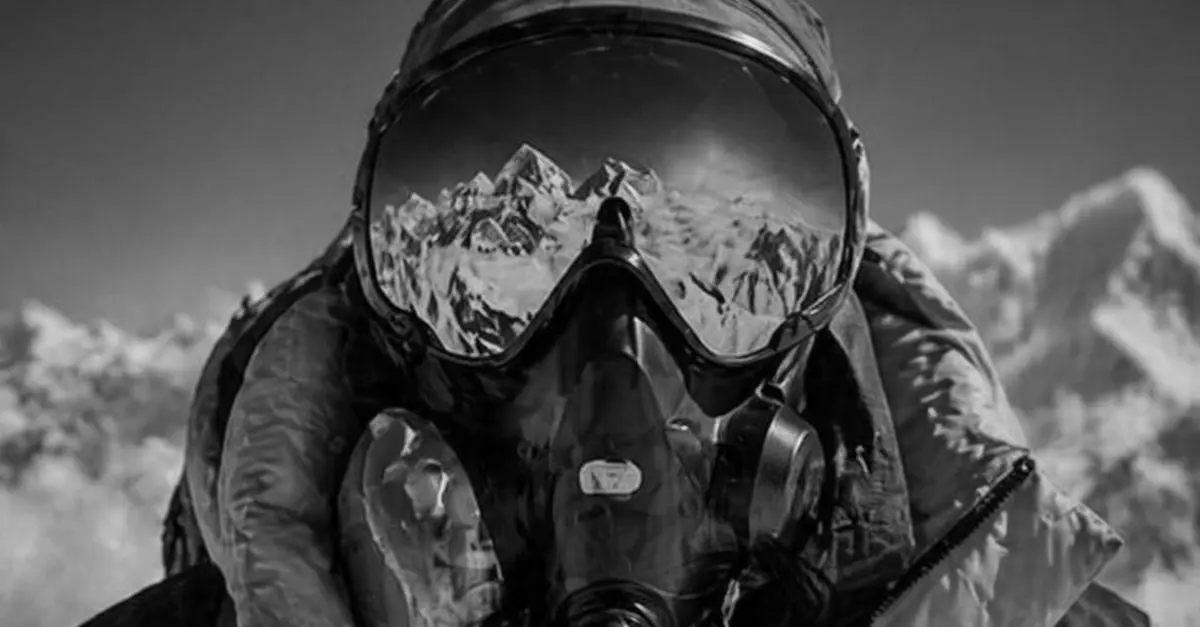
These masks — the most popular being the Training Mask, the Elevation Training Mask or certain models from the O2Train brand — work with valves that increase resistance to inhalation. You force your lungs to work harder to draw in air. The partial pressure of oxygen, however, remains exactly the same as in your sea-level gym. No portable device of this kind can reduce the fraction of O₂ in the air you breathe — that would require a sealed chamber with a gas management system.
What you are actually training is your respiratory musculature — the diaphragm, intercostals, accessory muscles. And that is already something. Not nothing. But it is not altitude acclimatisation.
What science says in 2026
Studies on this subject are relatively consistent. A meta-analysis published in the Journal of Strength and Conditioning Research concluded that respiratory resistance masks improve inspiratory muscle strength and can slightly increase tolerance to ventilatory discomfort during intense efforts. On the other hand, no haematological adaptations comparable to real acclimatisation were observed: no significant increase in erythropoietin (EPO), no rise in red cell volume, no change in resting oxygen saturation.
True acclimatisation requires prolonged exposure to reduced barometric pressure — which can only occur at real altitude or inside a hypobaric tent or chamber. This is the mechanism that triggers the useful physiological cascade: increased ventilation, renal stimulation of EPO, increased red blood cell production, and better tolerance to exertion in rarefied conditions.
A researcher at INSEP, interviewed in 2025 at a conference on the preparation of altitude athletes, summed up the situation with a memorable phrase: “The mask teaches you to breathe through a straw. Altitude teaches you to live with less.” These two adaptations are not interchangeable.
My personal experience with these devices
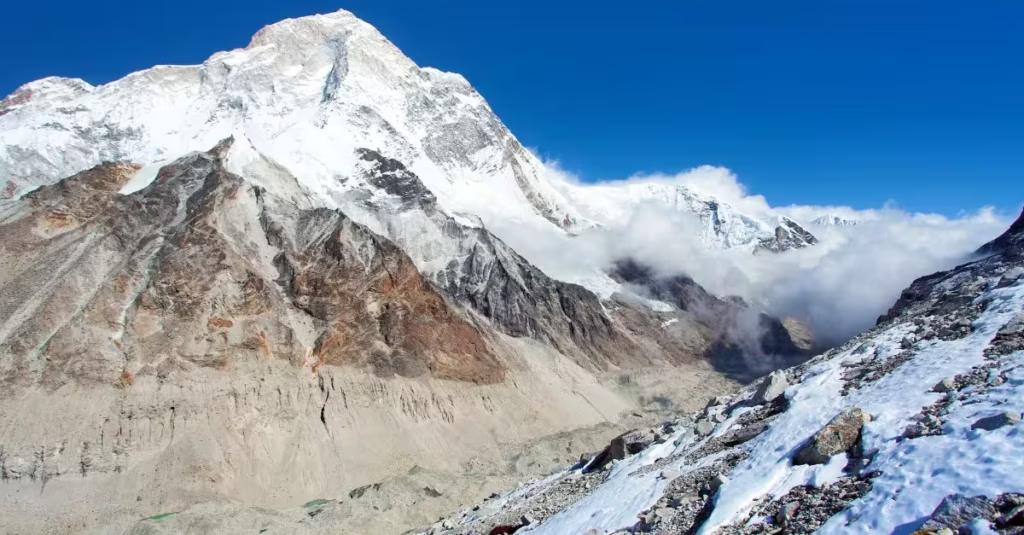
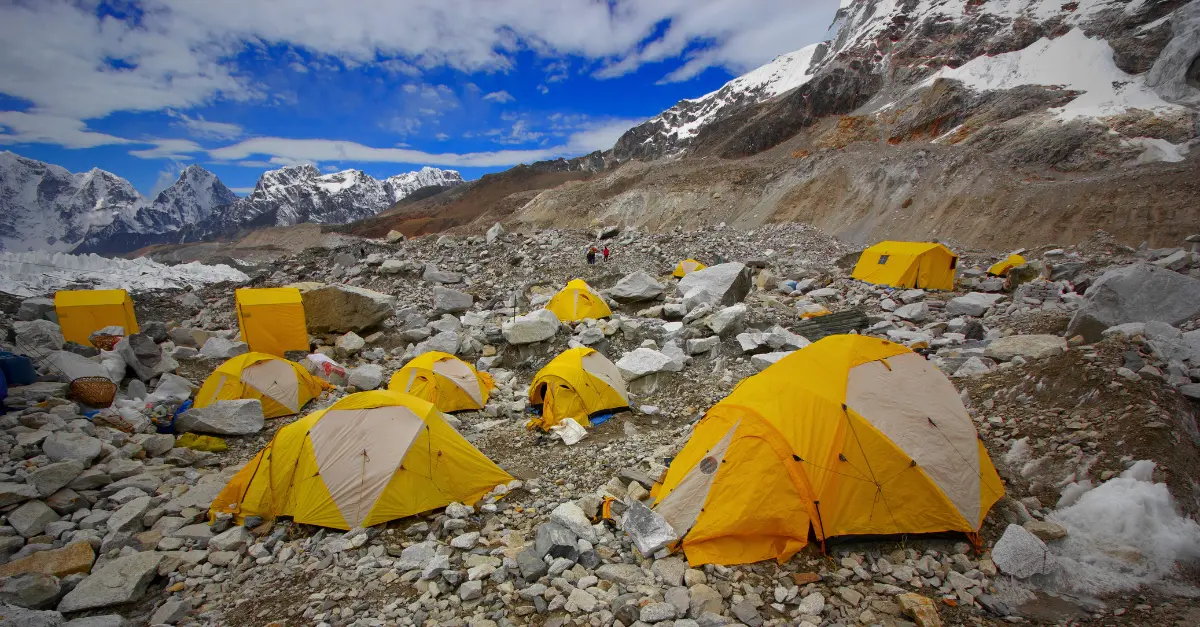
I tested a Training Mask 3.0 for six weeks, three sessions per week, as part of physical preparation for a trek to Everest Base Camp. The initial goal was to see whether I noticed a meaningful difference during the ascent towards Gorak Shep (5,164 m) and Kala Patthar (5,644 m).
Honestly? The respiratory discomfort during sessions was real, sometimes intense. My cardio sessions with the mask were significantly more taxing mentally. And out in the field, at 5,000 metres, I was indeed less afraid of the feeling of breathlessness — I had become psychologically accustomed to it. But my oxygen saturation, measured with a pulse oximeter, was no better than that of climbing partners who had never touched this kind of equipment.
What the mask gave me was mental tolerance to respiratory distress. What real altitude and nights in a hypoxic tent would have added on top of that is a biological adaptation that the mask cannot trigger.
The acclimatisation methods that actually work
If you are preparing for a serious expedition — Everest, K2, or even a technical trek above 5,000 metres — here is what science and field experience genuinely validate:
- Hypoxic tents (or altitude tents): these genuinely reduce the fraction of oxygen in the air, simulating altitudes of 2,500 to 5,000 metres depending on the settings. Used at night, they allow prolonged exposure and trigger the haematological adaptations you are looking for. They are expensive (budget between €1,500 and €4,000 for quality equipment), but they are the only truly effective portable solution.
- Progressive altitude outings: alternating nights at low altitude with days at high altitude — or the reverse — following the “climb high, sleep low” principle. This is the foundation of any sound Himalayan acclimatisation.
- Hypobaric chamber training: available at certain specialist sports centres (notably in Spain, Austria and more recently in a handful of French facilities), this is the most scientifically controlled option.
- General cardiovascular conditioning: a high VO2max, solid aerobic base, uphill work. This is not acclimatisation, but good physical condition slows the onset of altitude sickness symptoms.
- Preventive pharmacology: acetazolamide (Diamox) remains the medical standard for preventing AMS during rapid ascents. This must be discussed with a sports medicine doctor or altitude medicine specialist.
So, does the hypoxic mask have a place in Himalayan preparation?
My nuanced answer: yes, provided you know what it is actually training. If you incorporate it into your preparation as a tool for strengthening respiratory muscles and building mental conditioning against ventilatory discomfort, it can have value. Studies show that athletes trained with inspiratory resistance have better running economy under normal conditions — an indirect benefit, but a real one.
On the other hand, if you are counting on it to replace altitude outings or a hypoxic tent, you are taking a serious risk. Acute mountain sickness does not forgive approximations. At 7,000 metres, your O₂ saturation can drop to 70% or below, and no gym mask valve will have prepared your body for that.
What I recommend, after speaking with high-altitude guides and specialist doctors, is to use the mask as a supplement — never as a primary solution. Combine it with real mountain outings (even at 2,500–3,000 m to begin with), sustained cardiovascular work, and ideally a few nights in a hypoxic tent in the weeks leading up to the expedition.
What professional guides and mountaineers think
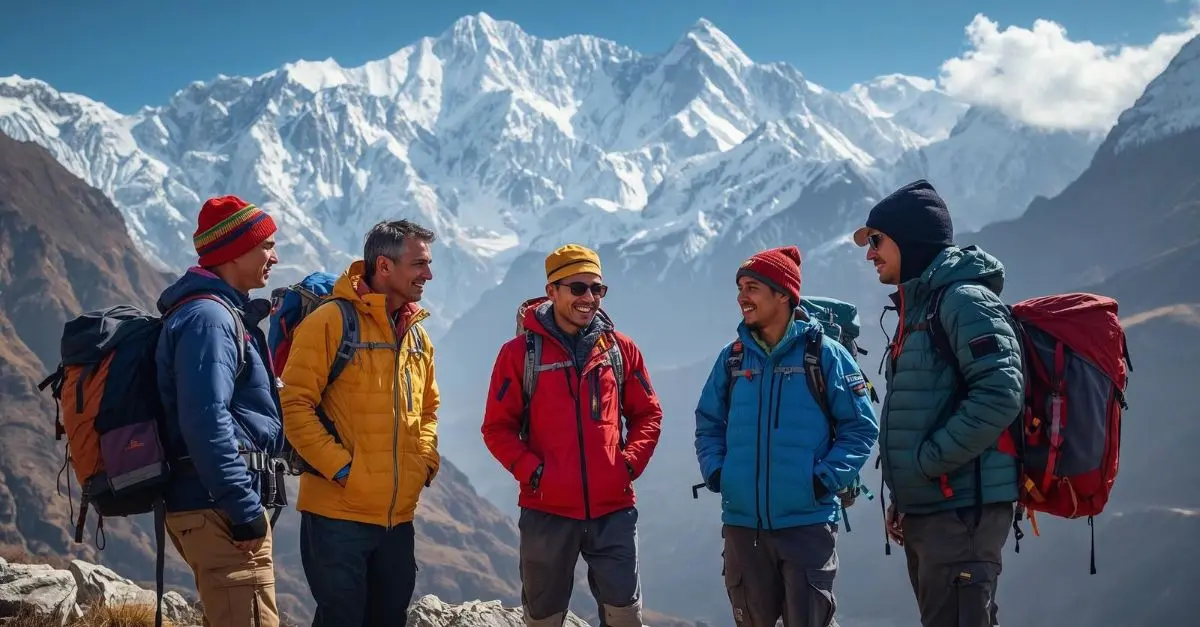
Among the high-altitude professionals I have been able to consult or follow, the position is almost unanimous: the hypoxic mask is at best a conditioning gadget, at worst a dangerous false sense of security. Kilian Jornet, who has probably thought about these questions more than anyone, regularly stresses the importance of real altitude exposure in his preparation protocols — including hypoxic tents during certain training cycles.
Sherpas and Nepalese guides, for their part, do not know the hypoxic mask — they know the mountains. Their “acclimatisation” is a lifetime spent at altitude. You cannot replace that with plastic and valves.
What is certain is that preparing for Everest is a science in its own right, and it deserves better than marketing shortcuts. If you have invested in a serious Himalayan project — financially, physically, emotionally — invest equally in an acclimatisation approach that actually holds up.
FAQ
Is the hypoxic mask dangerous for your health?
Used sensibly by a healthy person, the tool is safe, but its main danger lies in the false sense of security it provides.
- From a physiological standpoint: For a healthy adult with no cardiovascular or respiratory conditions, using an airflow restriction mask carries no intrinsic danger, provided you follow a strict progression and do not push yourself to the point of blackout through disproportionate intensity.
- The under-preparation trap: The real risk is psychological and strategic. A mountaineer who trains with this type of mask can develop a false confidence, imagining themselves immune to oxygen deprivation. Arriving in high mountains with this belief, without having validated genuine physical acclimatisation in the field, exposes you to serious medical complications once you pass the 4,000-metre mark.
How much does a real hypoxic tent for home acclimatisation cost?
The financial investment for a home pre-acclimatisation protocol remains particularly high.
- Equipment prices: Basic structures or stand-alone “travel bed” format tents start from €1,200 to €1,500. However, the tent is useless without its engine: the hypoxic air generator (which extracts oxygen from the ambient air). A complete, reliable and high-performing setup rises quickly and can exceed €4,000 to purchase.
- The rental alternative: To spread costs over a one-off project, many athletes turn to renting complete kits, bearing in mind that you need to book the equipment for several weeks. Attending sports medicine centres or training facilities equipped with group hypoxic chambers (where you pay per session or per hour) is also a relevant and more economical solution for testing your physiological response to hypoxia.
At what altitude does the hypoxic mask become useless as an acclimatisation tool?
The question cannot be framed in terms of altitude, because the mask has never had the technical capability to simulate altitude.
- The scientific distinction: There is a common confusion between a drop in barometric pressure and simple restriction of airflow. At altitude, the air still contains 21% oxygen, but the lower atmospheric pressure spaces out the molecules (the air is “thin”). The mask simply slows the entry of air into your lungs via mechanical valves, without modifying pressure or gas concentration.
- A purely muscular benefit: The mask induces none of the vital blood adaptations needed in the mountains (such as erythropoietin — EPO — production or increased red blood cell count). Its only usefulness, whatever altitude you are targeting, is limited to strengthening the inspiratory muscles (diaphragm, intercostal muscles) and mental conditioning against the feeling of suffocation. For pure acclimatisation, its effectiveness is therefore zero from the very first metre of elevation gain.
Can you combine the use of a hypoxic mask and a hypoxic tent?
Yes, this combined approach is common among certain endurance athletes or professional mountaineers, as their benefits do not overlap.
- The tent for physiology: The hypoxic tent applies the “Live High” method. By spending your nights or rest periods inside it, you expose your body for prolonged periods to oxygen-depleted air, triggering the hormonal and cellular response essential to acclimatisation (increased haematocrit).
- The mask for respiratory mechanics: The mask plays a complementary role during dynamic training sessions during the day (“Train Low”). It adds an extra mechanical constraint on ventilation during effort, forcing the respiratory system to work at a more demanding level. Combining both tools therefore allows you to work on two distinct and perfectly independent physiological levers.