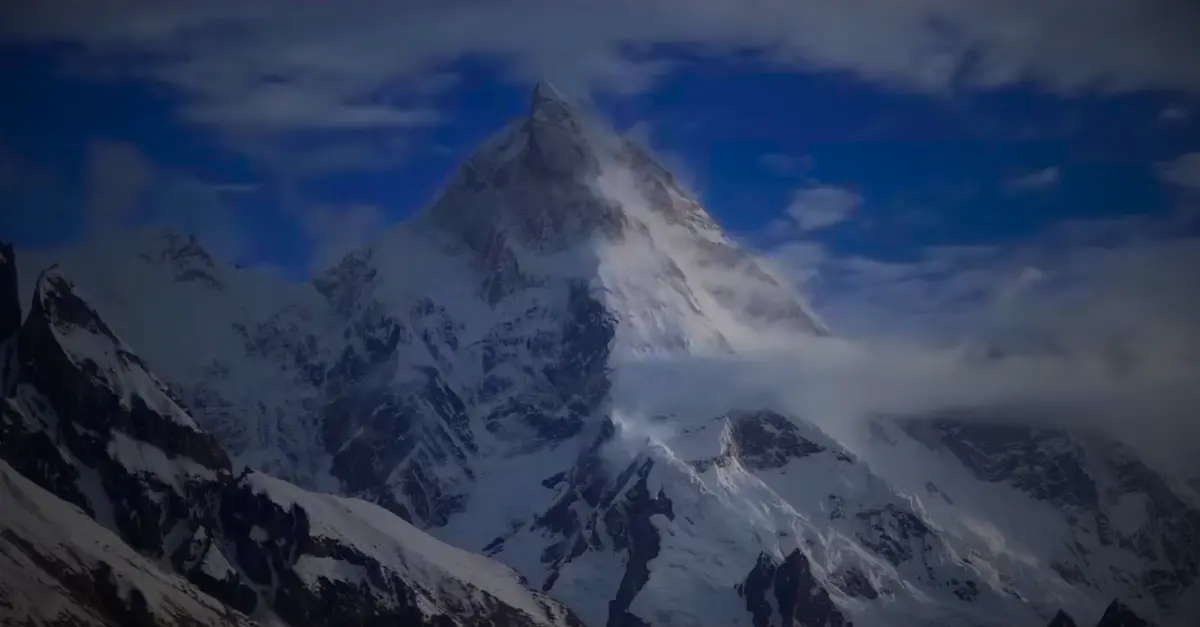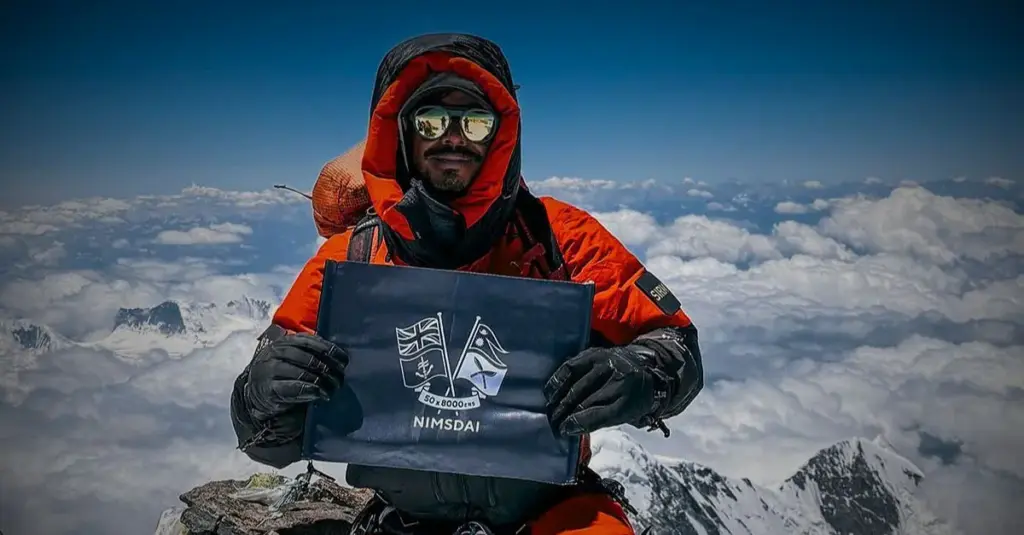


Everest, the highest summit in the world, is a challenge that many climbers dream of taking on. But before embarking on this adventure, it is essential to prepare thoroughly and understand the steps needed to reach the summit safely. Here are some tips to help you begin your journey toward Everest.
Preparing physically and mentally
Climbing Everest is a challenge that demands rigorous physical and mental preparation. Alpinists who take on this adventure must train for months to be ready to face the mountain’s extreme conditions. Here are some tips to help you prepare for the ascent of the roof of the world.
The climb is extremely demanding both physically and mentally. Preparing accordingly is non-negotiable. This can include months of mountain training, indoor climbing sessions, high-altitude hikes and strength-building exercises. It is equally important to prepare mentally for the isolation, fatigue and extreme weather conditions you will encounter.
WANT TO SUMMIT EVEREST? CLICK HERE!
Before launching into the Everest ascent, it is strongly recommended to gain high-altitude experience. This can be done by climbing other summits above 6,500 metres, such as Mera Peak or Island Peak. Doing so allows alpinists to acclimatise to altitude and better understand the challenges they will face on Everest.
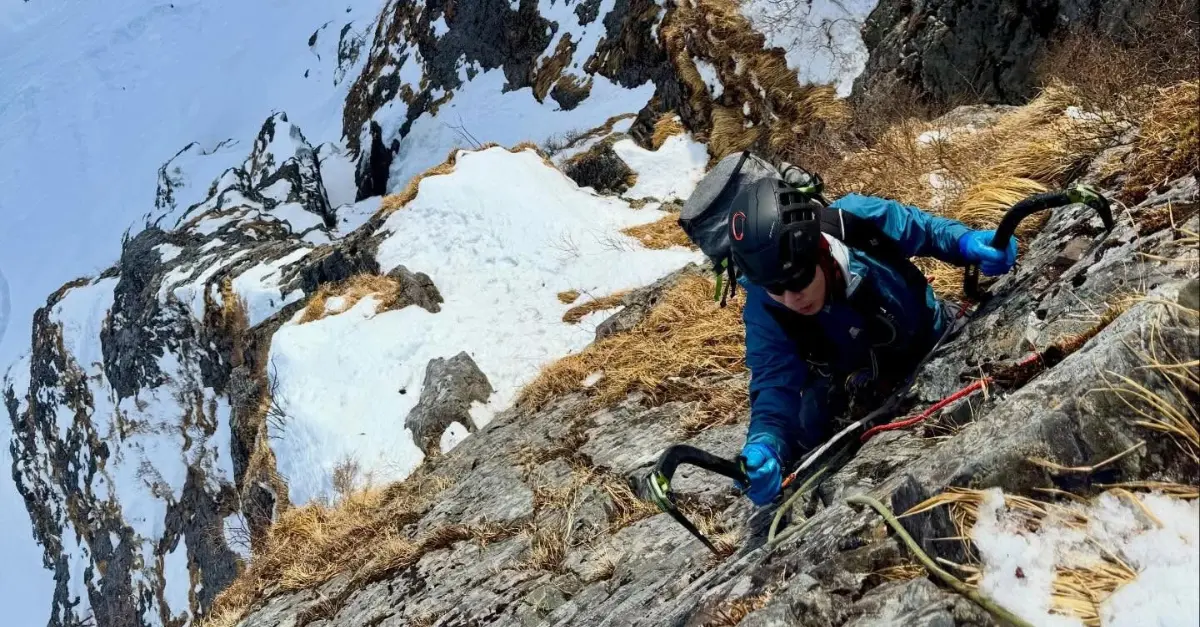
Climbing Everest also requires solid ice and snow climbing skills. Training in these techniques beforehand is therefore essential — through ice climbing courses, glacier practice or ascending snowy summits.
The ascent requires a wide range of specific gear, including crampons, ice axes, ropes and harnesses. Getting comfortable with this equipment before departure is crucial, whether through mountaineering courses or practice on lower-altitude peaks.
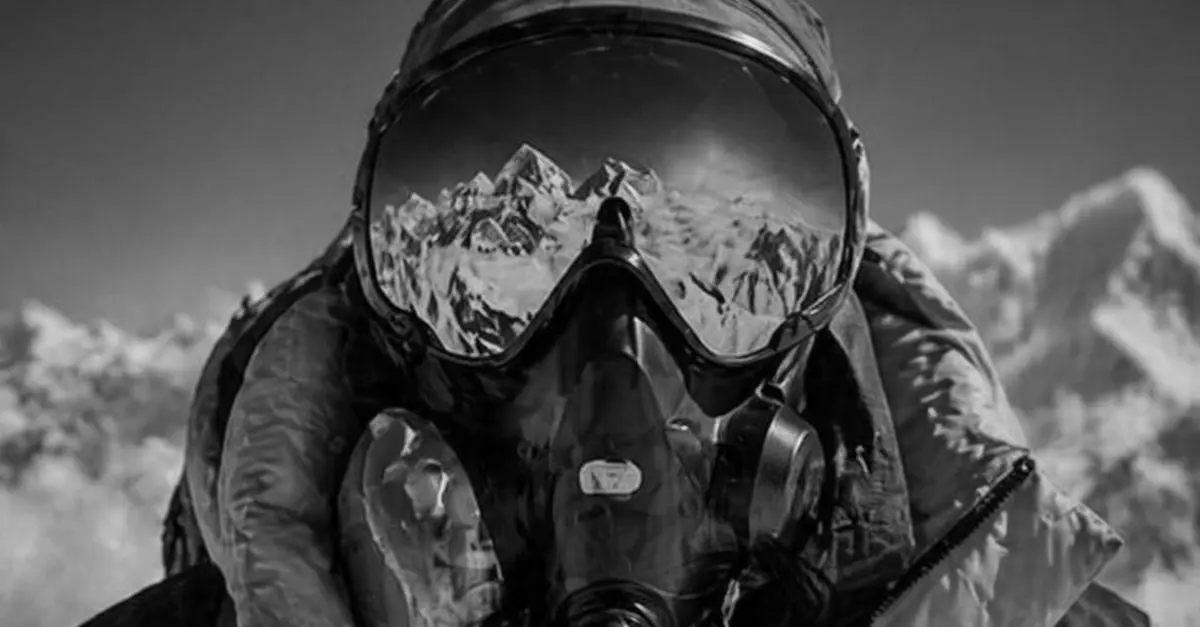
Altitude is one of the primary challenges of any Everest attempt. Preparing for it in advance — by spending time at high altitude, using an oxygen mask, or taking altitude sickness medication — can make a significant difference.
Choosing a route
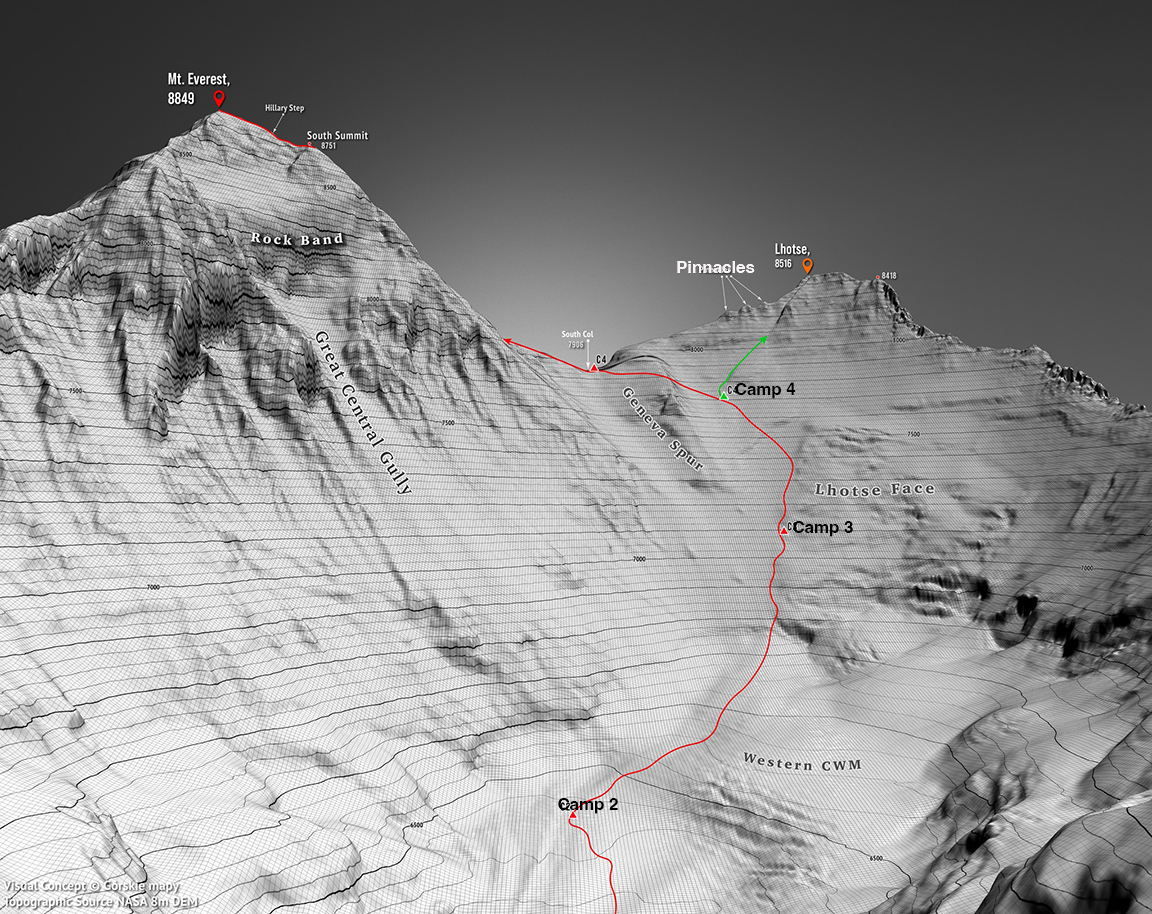
There are several routes up Everest, each with its own challenges and characteristics. The two most popular are the South Route, starting from Nepal, and the North Route, starting from China. Each has its own advantages and disadvantages, and it is important to choose the one that best suits your skills and experience.
The South Route is the most frequented and accessible. It offers breathtaking views of Everest and is generally considered the safer option. However, its popularity can lead to bottlenecks and delays. The North Route, by contrast, sees fewer climbers but is more technically demanding. It is also more exposed to extreme weather and avalanche risk.
Once you have chosen your route, familiarising yourself with the terrain and weather patterns is key. Acclimatisation hikes, indoor climbing sessions and strength training all play a role. Mental preparation for isolation, fatigue and harsh conditions is equally important.
Obtaining the necessary permits
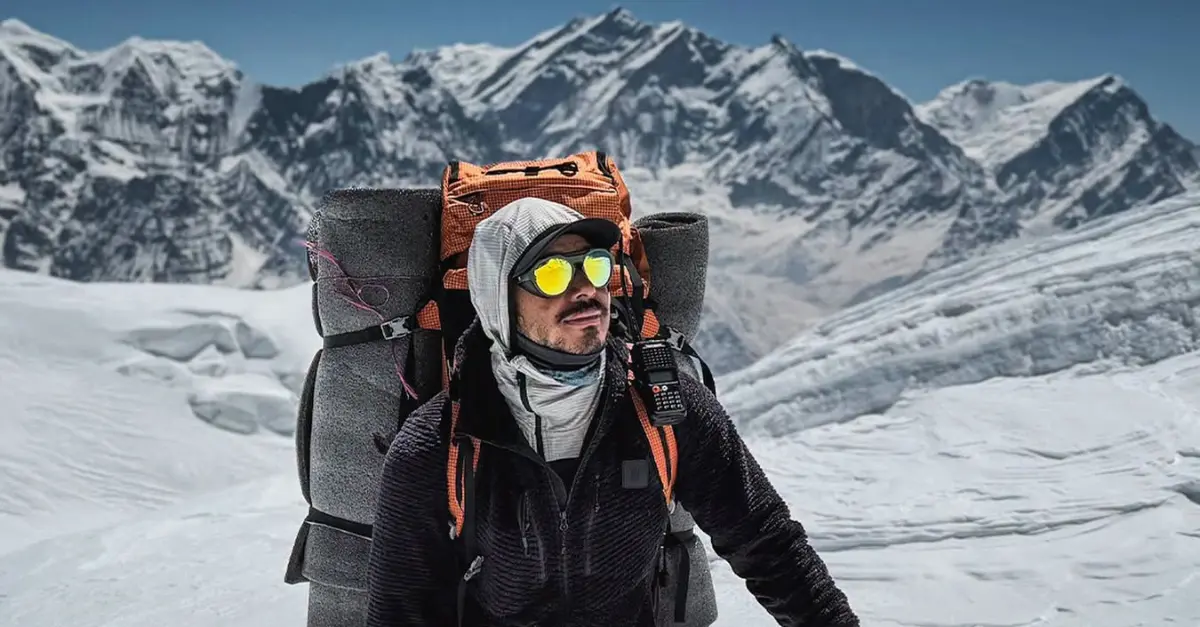
Equipment is a critical element of any Everest expedition. You will need gear specifically suited to the mountain’s extreme conditions, including warm and waterproof clothing, mountaineering boots, a sleeping bag rated for glacial temperatures, climbing equipment, sunglasses, a headlamp, a helmet, trekking poles, a backpack, a first aid kit, gloves, a face mask and a water purification system. Ensuring all your gear is high quality and in good condition before departure is non-negotiable.
Choosing an expedition agency
Climbing Everest is an extraordinarily difficult and dangerous undertaking. It is important to be fully aware of the risks and potential challenges involved — including altitude sickness, avalanches, crevasses, snowstorms, rockfall, glacial temperatures and unpredictable weather. Taking these risks seriously and preparing accordingly is not optional.
Preparing for altitude
Before attempting Everest, it is strongly recommended to climb other high-altitude summits to build experience and acclimatise to high-mountain conditions. Here are some peaks worth considering as stepping stones:
Mont Blanc (4,810 metres): Located in the French Alps, Mont Blanc is the highest summit in Western Europe. It offers an excellent introduction to high-altitude climbing and allows alpinists to practise ice climbing and crampon techniques.
Aconcagua (6,961 metres): Located in Argentina, Aconcagua is the highest summit in South America and the highest outside Asia. Its high-altitude conditions and extreme temperatures make it an excellent preparation for Everest.
Denali (6,190 metres): Located in Alaska, Denali is the highest summit in North America. The ascent is a demanding experience that familiarises climbers with high-altitude conditions, glacial temperatures and ice climbing techniques.
Kilimanjaro (5,895 metres): Located in Tanzania, Kilimanjaro is the highest summit in Africa. It offers a solid introduction to high-altitude climbing and helps alpinists adjust to high-mountain conditions.
Cho Oyu (8,188 metres): Located in the Himalayas, Cho Oyu is the sixth highest summit in the world. Its conditions and extreme temperatures make it one of the best preparations available for an Everest attempt.
It is worth noting that climbing these summits does not guarantee success on Everest, but they provide invaluable experience and genuine preparation for the challenges ahead.
Training with your equipment
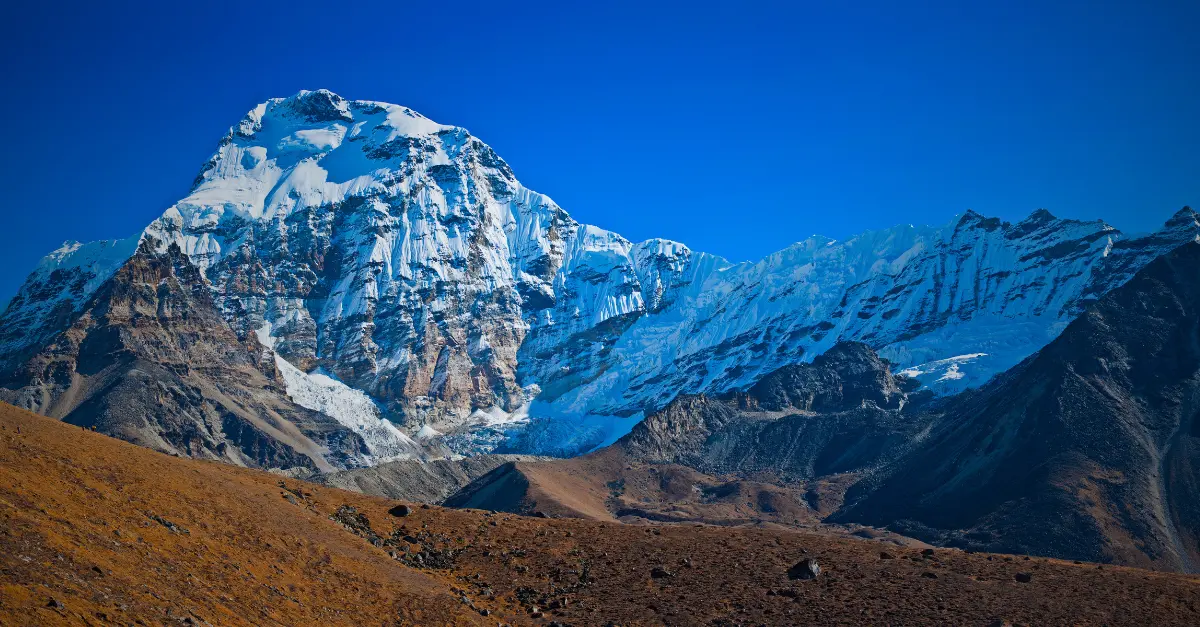
Equipment training is a critical step in preparing for Everest. Here are some tips to help you train effectively:
Climbing training: Find a local climbing club or indoor wall where you can practise with climbing equipment, including crampons, ice axes, ropes and harnesses. Work specifically on ice climbing and crampon walking to build confidence with these techniques.
Mountaineering training: Where possible, follow a mountaineering course with an experienced guide. This will allow you to learn high-altitude climbing techniques, mountain rescue methods and emergency survival skills.
Physical training: Build muscular strength and improve endurance through regular exercise. Running, swimming, cycling and hiking are all excellent ways to prepare your body for the demands of Everest.
Real-condition practice: Where possible, practise using your equipment in real conditions — during a high-altitude trek or an alpine expedition. This will help you get truly comfortable with your gear before the big climb.
First aid training: Learn mountain first aid techniques, including basic first aid, cardiopulmonary resuscitation (CPR) and the treatment of common mountain injuries. Being able to react quickly in an emergency can save lives.
By training with your equipment and preparing both physically and mentally, you will significantly increase your chances of climbing Everest safely.
Preparing for the weather
Weather preparation is an essential part of any Everest expedition. Here are some tips to help you get ready for all conditions:
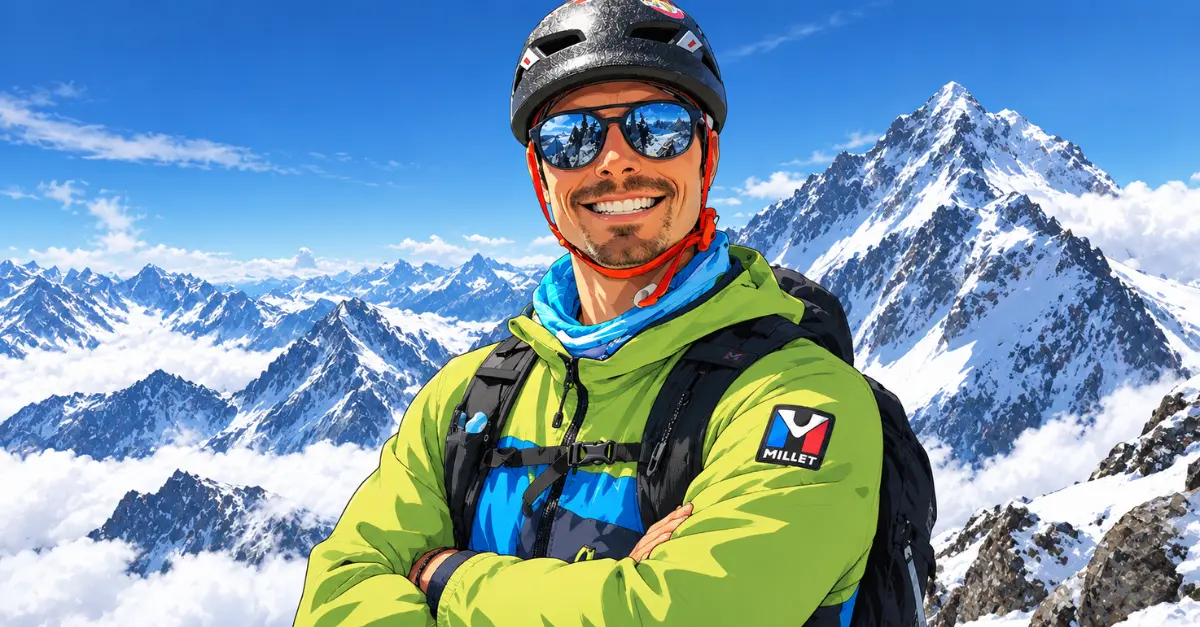
Warm clothing: Pack warm and waterproof layers, including a down jacket, mountain trousers, gloves, a hat and a neck warmer. Make sure all your clothing is in good condition and provides effective protection against cold and moisture.
Sunglasses: Protect your eyes from harmful UV rays by wearing sunglasses with a high protection rating. Choose glasses that offer 100% UV protection and are specifically designed for high-altitude conditions.
Sunscreen: Protect your skin from sunburn by applying high-SPF sunscreen regularly — especially when sweating or during prolonged sun exposure. At altitude, UV radiation is significantly more intense than at sea level.
Shelter: Carry a lightweight, compact shelter such as a tent or emergency bivouac bag to protect yourself in bad weather. Make sure it is easy to set up and take down, and that it offers reliable protection against wind, rain and snow.
Weather forecasts: Check weather forecasts for the Everest region regularly and plan accordingly. Keep in mind that conditions at high altitude can change with very little warning, and be prepared to adapt your itinerary on the fly.
By preparing carefully for the weather, you will give yourself the best possible chance of a safe and successful Everest summit.
Final thoughts
By following these steps, you will be well prepared to begin your journey toward Everest. Never forget that climbing Everest is an extreme challenge, and that taking every necessary precaution to ensure your safety is not just advisable — it is essential. Good luck!