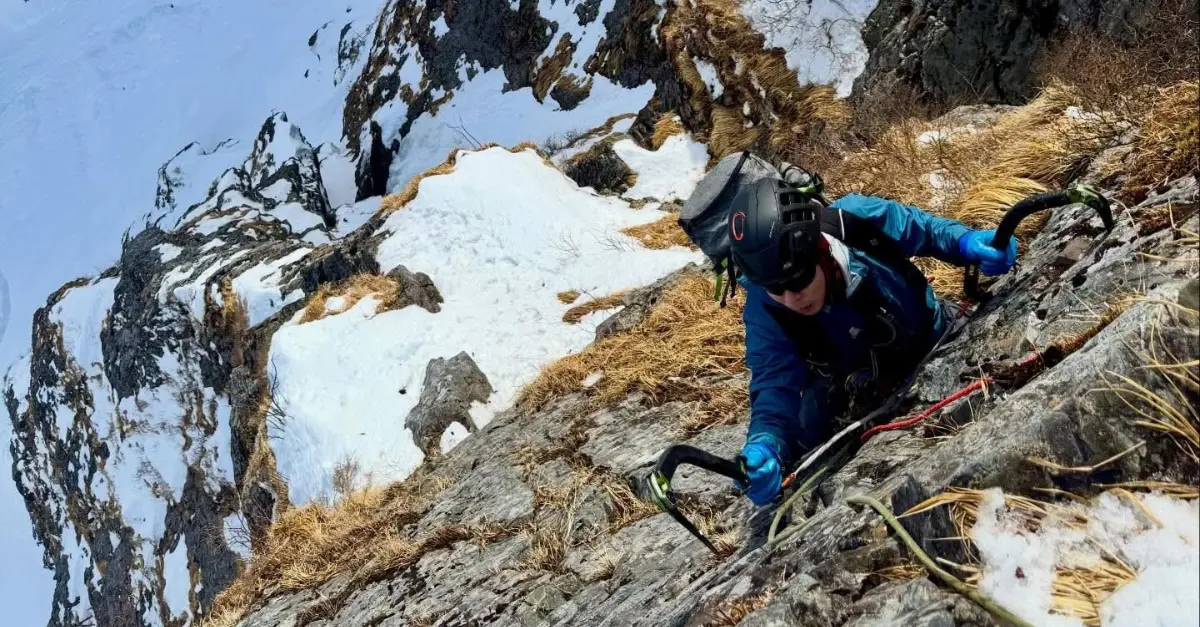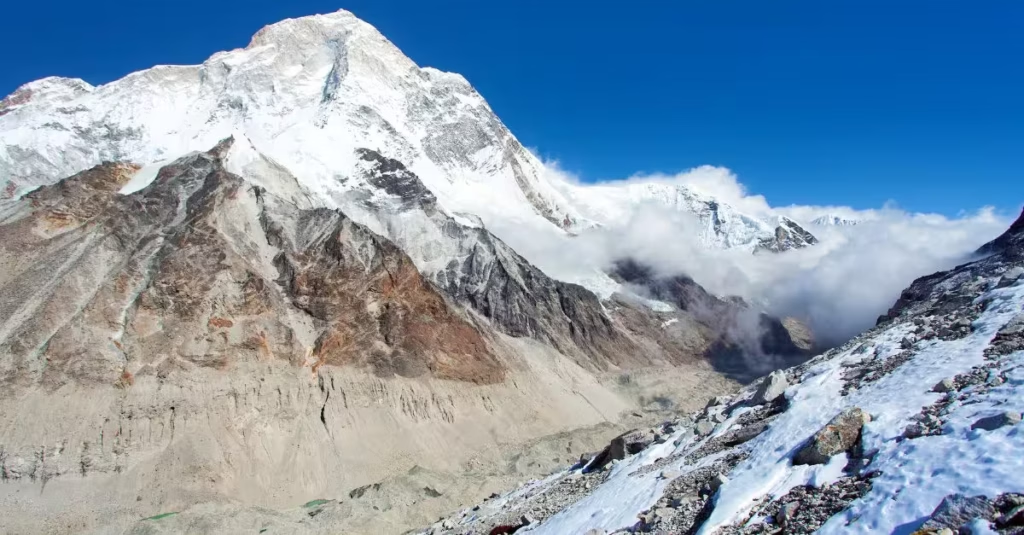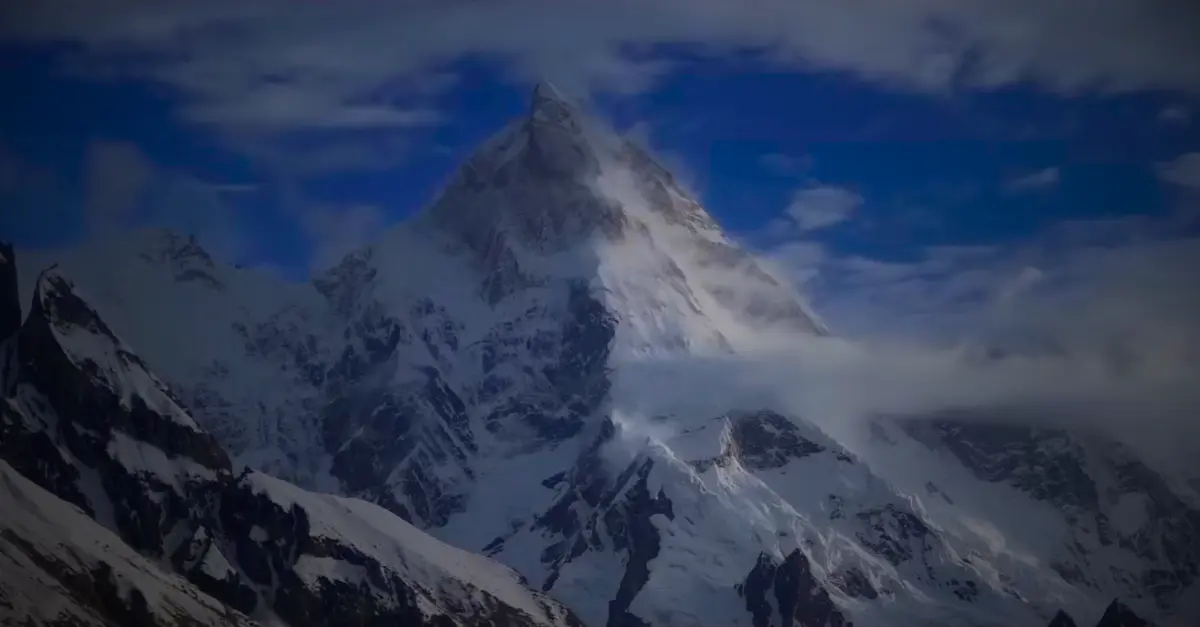

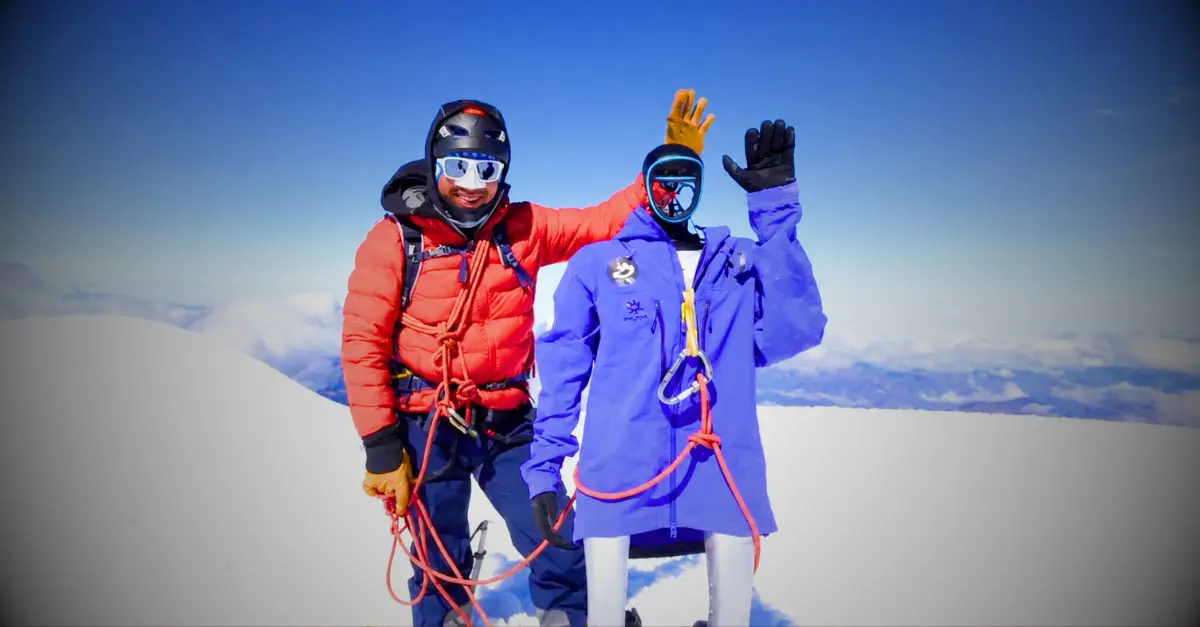
Pemba, a 35 kg humanoid robot designed by Unitree Robotics, has just reached the summit of Chimborazo (6,263 m) in Ecuador — most likely a world altitude record for a climbing robot. Without artificial oxygen, but with the support of a human team on technical sections, this machine is redefining what we thought was reserved for climbers of flesh and bone.
Equipped with crampons adapted for ice and snow, onboard AI, environmental sensors, Starlink satellite connectivity and solar power, Pemba moves autonomously on slopes up to 30° of incline. On steeper sections, it is assisted — or carried — by the expedition’s human team. The full ascent took approximately 16 hours.
This is not an isolated tech gimmick. Pemba is part of the “Triple Crown” project: Chimborazo, Mauna Kea, Everest — three summits according to three different geographical definitions. The real goal? Deploying robots in inaccessible areas for high-altitude waste collection, glacier monitoring and mountain rescue support, in places where sending a human represents a life-threatening risk.
Pemba, the climbing robot aiming for Everest
A robot on the summit of Chimborazo. When I first read this, I honestly thought it was some kind of geek alpinist joke. And yet — it’s completely real. Pemba, a 35-kilogram humanoid manufactured by Chinese company Unitree Robotics, planted its mechanical “feet” on the highest volcanic summit in Ecuador, at 6,263 metres above sea level. A feat no machine of this kind had ever accomplished before.
I’ve been passionate about the mountains for years. I’ve strapped my own crampons on more than one glacier, and I can tell you — Chimborazo is no Sunday stroll. So when someone tells me a robot climbed it, even partly on its own, that deserves a proper look.
What makes this ascent even more symbolic is the fact that Chimborazo isn’t just a volcano. It’s the point on Earth’s surface furthest from the planet’s centre, beating Everest on that count. The “roof of the world” in geocentric terms. A detail most people don’t know, but one that explains exactly why this Ecuadorian mountain opens the “Triple Crown” project.
The Triple Crown project, a three-summit robotic ambition
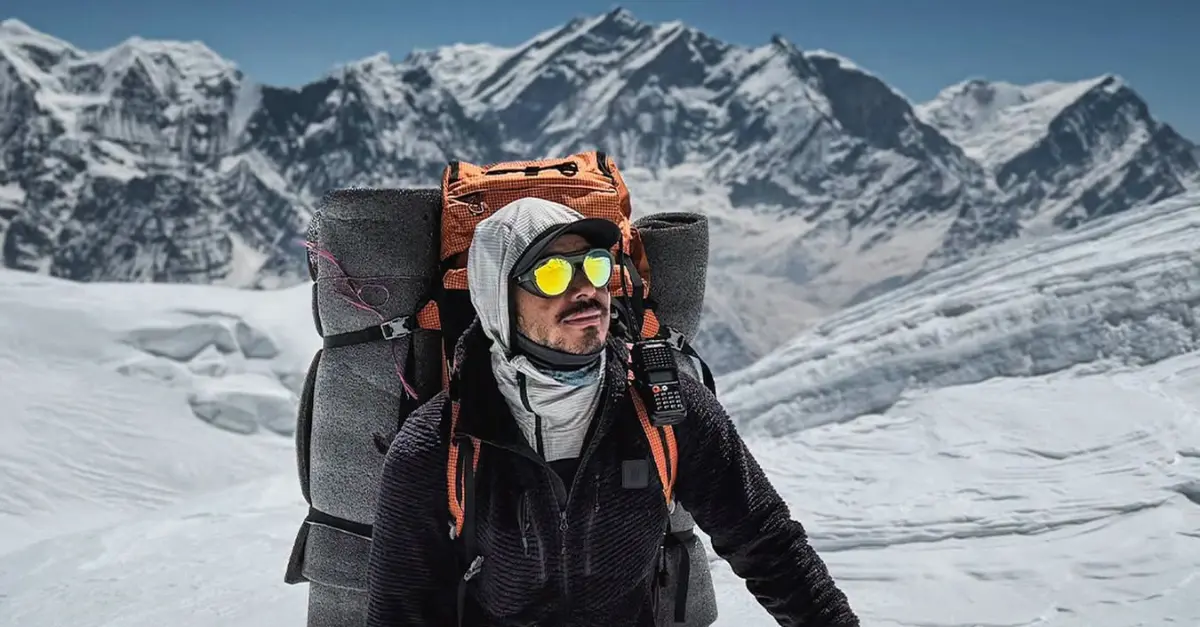
Behind Pemba stands Pablo Berlanga, engineer and founder of the American non-profit Geologic Dome. He’s the one driving what he calls the “Triple Crown” project — a series of ascents aiming to bring a humanoid robot to the three highest summits in the world according to three distinct geographical definitions.
The programme, as described on Humanoids Daily and in several specialist outlets, breaks down as follows:
- Chimborazo (6,263 m, Ecuador) — the summit furthest from Earth’s centre ✅ already completed
- Mauna Kea (4,207 m above sea level, but 10,205 m from the ocean floor) — the world’s tallest mountain when measured from its underwater base 🔜 next objective
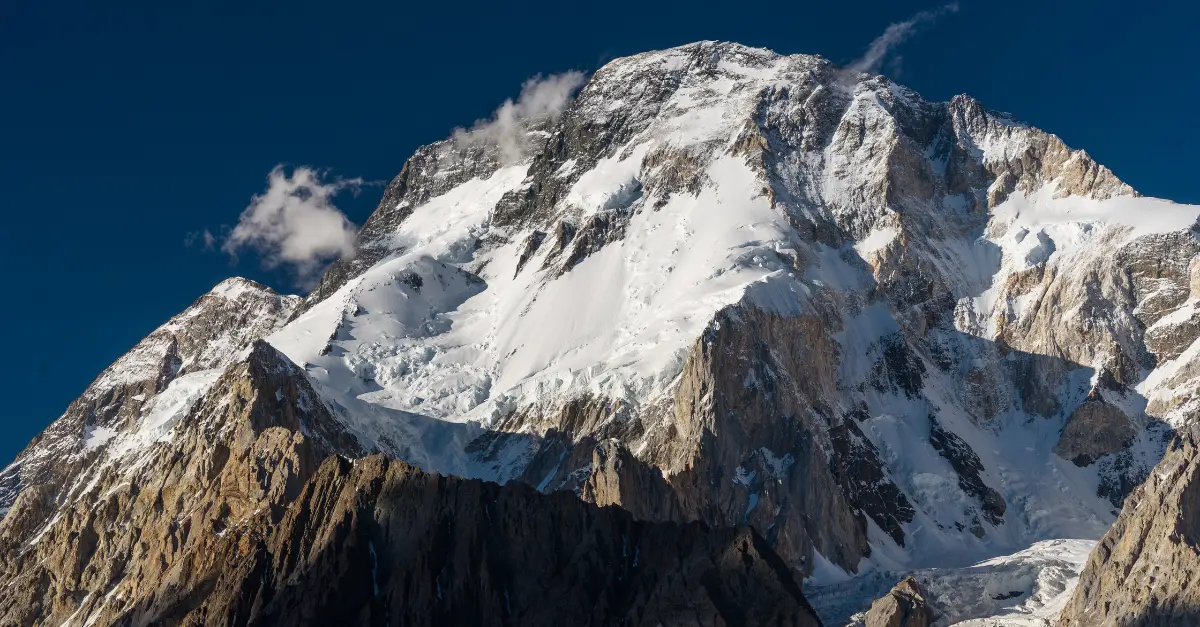
- Everest (8,849 m) — the classic roof of the world 🎯 ultimate goal
This three-stage framework isn’t just a pretty marketing concept. It reflects a clear vision: test the robot under progressively higher altitude and harsher temperature conditions, accumulating real performance data before exposing it to the most hostile environment on Earth.
According to a recent post by Berlanga on X, the next expedition to Mauna Kea is already in preparation. The Hawaiian volcano presents a different logistical challenge: the absolute altitude is modest, but summit conditions can be brutal, and the mountain holds deep sacred significance in Hawaiian culture — something the team will need to handle with care.
How Pemba operates at high altitude
Out in the field, Pemba is not just a large remote-controlled toy. The robot is equipped with onboard artificial intelligence that allows it to navigate autonomously on regular slopes. In practice, on Chimborazo it moved independently on all sections inclined at less than 30°, fitted with crampons and specialised ice and snow gear.
On more technical passages, the human team stepped in directly — sometimes to assist, sometimes to carry the robot outright. That’s not a secret: nobody claimed Pemba was a fully autonomous climber. The short-term goal is quite different.
These “cameras on legs”, as the team sometimes calls them, are equipped with:
- Environmental sensors to measure temperature, humidity and atmospheric pressure
- Starlink satellite connectivity to transmit data in real time
- Solar power to extend autonomy during expeditions
- Navigation AI for terrain analysis and gait adaptation
The Chimborazo ascent took approximately 16 hours — a human pace, somewhere between a seasoned trekker and a trained alpinist. This wasn’t a speed record. It was a endurance validation.
The real ambitions behind the mountain robot
Cleaning up Everest, monitoring glaciers
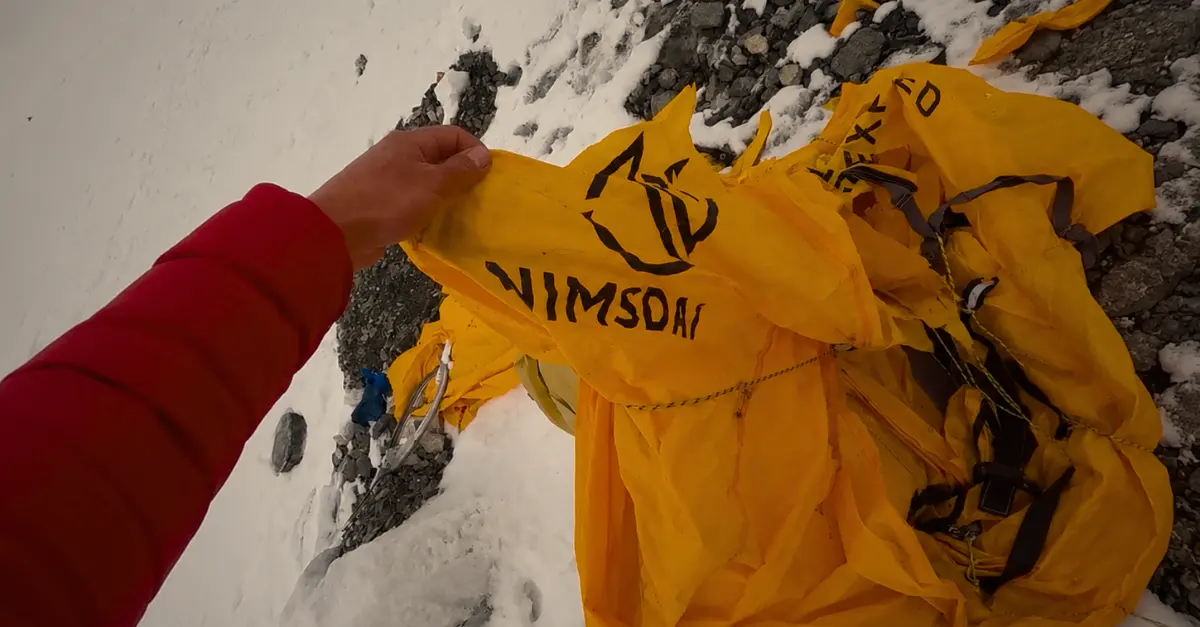
We talk a lot about Everest as a mythical summit. We talk far less about what it has actually become: a high-altitude rubbish dump. Hundreds of kilograms of waste, abandoned tents, lost gear, and even bodies that nobody can safely recover. The human cost of a high-altitude cleanup operation is enormous.
That’s where robots like Pemba start to make real sense. The idea isn’t to replace human alpinists for the sport or the personal conquest. It’s to send machines where sending people is too dangerous or too costly.
The applications being considered are concrete:
- Waste collection above Camp 4 (7,950 m), where no porter team ascends without life-threatening risk
- Continuous glacier monitoring to document ice melt and send real-time alerts
- Climate data collection in zones that remain poorly instrumented
- Support for search and rescue operations following avalanches or accidents at altitude
I’m genuinely convinced this is where humanoid robotics can bring something concrete to the mountain world — not as a polished tech showcase, but as a real field tool.
A deployment still limited by weather and terrain
Let’s be clear: Pemba is not yet ready for a fully autonomous Everest ascent. On the steep slopes above Camp 3, with winds hitting 100 km/h and temperatures dropping to -40°C, even the most experienced alpinists turn back. A 35 kg robot with limited autonomy still has significant ground to cover.
But the pace of progress in humanoid robotics is striking. What Unitree Robotics offers today with models like the H1 or the B2 bears no resemblance to what existed three years ago. The trajectory is unmistakable.
Everest, an objective stalled by Nepalese bureaucracy
A legal vacuum that complicates everything
This is perhaps the most frustrating chapter of the whole story. The team already attempted to bring Pemba to Everest earlier in 2025. The result? A bureaucratic wall. Nepal has no regulations whatsoever covering robots on mountains. There is simply no permit for it — because nobody anticipated the question would arise this soon.
Berlanga has been working with Nepalese authorities for several months to move the file forward. The Kathmandu Post confirmed that the Ministry of Tourism is currently drafting specific guidelines — which makes any near-term ascent unlikely.
The team hopes to attempt the Everest climb in October 2026, but a permit before April 2027 seems more realistic according to sources on the ground.
The geopolitical dimension nobody saw coming
There’s another layer to this story, less talked about but very real: geopolitics. Everest sits exactly on the border between Nepal and China. Sending a high-tech robot — manufactured in China, funded by an American non-profit — onto that summit raises questions of sovereignty and surveillance that go well beyond mountaineering.
This season, a similar initiative involving American-made drones for Everest was suspended for the same reasons: security concerns, ongoing regulatory reviews, and the political sensitivity of the Himalayan region.
The Pemba project — a partnership between Unitree (China), Geologic Dome (USA) and 14 Peaks Expedition (Nepal) — finds itself caught between competing national interests. This isn’t a technical problem. It’s a diplomatic one, and it may well be the hardest to solve.
My personal take: legitimate breakthrough or PR stunt?
I always ask myself this question when something like this lands in the news. Are we looking at a genuine technological leap, or a well-orchestrated marketing move?
My honest answer: both — and that’s perfectly fine.
Yes, Pemba was carried on certain sections. Yes, the ascent is far from a fully autonomous performance. But Chimborazo is still Earth’s geocentric high point, and getting a functional robot up there — one capable of walking independently for hours at that altitude — is a serious demonstration.
What truly convinces me is the project’s long-term coherence. This isn’t a spectacular YouTube video with no follow-through. It’s a structured roadmap, institutional partnerships, genuinely collected environmental data, and a concrete vision for real-world application.
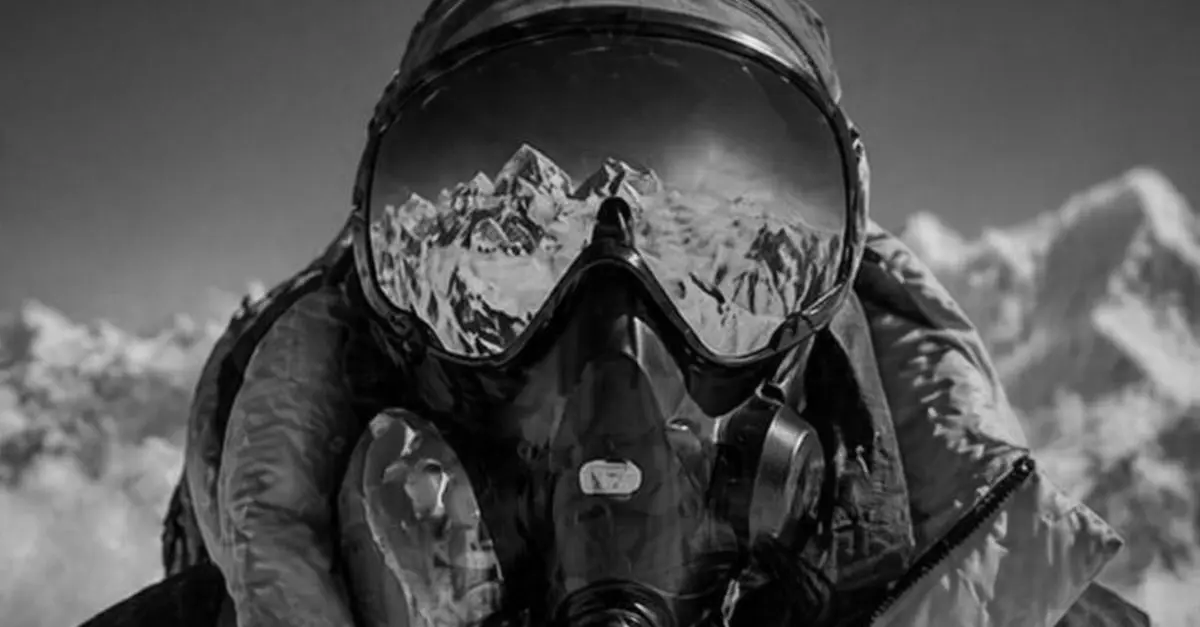
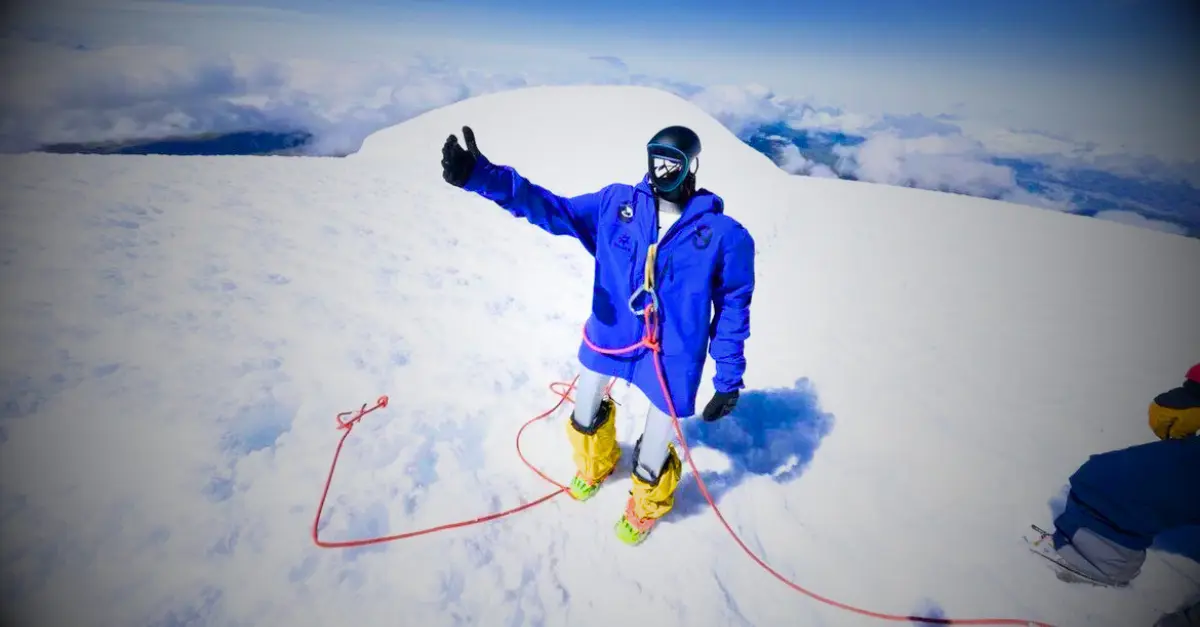
Humanoid robotics is advancing faster than regulatory frameworks can keep up with. Everest may have to wait until 2027. But when Pemba — or its successor — finally sets foot on the summit, there won’t be a tired face behind an oxygen mask. Just clean, cold data collected by a machine that never once needed to catch its breath.
And somewhere in that image lies what high-altitude exploration might actually look like in the future. Watch this space.
FAQ
Is Pemba the first robot to have climbed a mountain?
While machines have previously navigated rough terrain in controlled settings, Pemba sets a historic precedent in real high-altitude conditions.
- Past experiments: Many quadruped and humanoid robots have been tested on steep terrain, scree fields or rocky surface simulators inside university labs and military research centres.
- A real-world world record: However, Pemba’s ascent of Ecuador’s Chimborazo volcano, reaching 6,263 metres above sea level, marks a turning point. By reaching this summit — the point on Earth’s surface furthest from its centre — Pemba claims the absolute world altitude record for a humanoid robot operating in natural, non-simulated conditions.
Can Pemba already climb Everest fully autonomously?
Not yet. Current technology still requires close human collaboration and supervision on the steepest terrain.
- Current capabilities: Pemba’s real-time stabilisation and mapping algorithm allows it to move autonomously on snow or ice slopes with an incline of up to 30 degrees. It independently adapts to micro-relief and varying snow conditions.
- The technical limit: As soon as the route encounters vertical walls, rock faces or sections requiring fixed ropes and jumar ascenders, human assistance becomes mandatory to guide it and secure its anchors. Engineers are working to improve its predictive system, planning full-scale tests between Everest Base Camp and the South Col (Camp 4, at 7,950 m) to refine its responses in mixed and extreme terrain.
When could Pemba attempt a full Everest ascent?
The technical schedule is ready, but the final deployment remains on hold pending an entirely new legislative framework.
- Windows being considered: The development team aims to obtain an official climbing permit for the autumn season in October 2026. However, given the complexity of the file, observers consider the spring window in April 2027 far more realistic.
- The legal vacuum: The main obstacle isn’t technical — it’s administrative. Nepal’s Ministry of Tourism and government have never faced such a request and are currently drafting entirely new regulations specific to robotic structures in high-altitude mountaineering, covering questions of safety, liability and environmental impact.
What is the concrete scientific value of sending a robot to Everest?
Beyond the technological showcase, this project aims to address major ecological and human crises.
- Ecological preservation: Everest suffers from chronic pollution caused by decades of accumulated expedition waste. Pemba and its future successors are intended to be deployed in the upper camps to bring down torn tents, empty oxygen canisters and frozen debris — avoiding the need to expose Sherpas to dangerous logistical rotations at extreme altitude.
- Science and rescue: Equipped with cutting-edge sensors, the robot will serve as a mobile weather station to monitor glacier melt in real time and collect critical climate data in zones that are extremely difficult to access. Over time, its mechanical resilience and immunity to oxygen deprivation will make it a first-choice ally for delivering emergency medical supplies or locating lost climbers during rescue operations in the death zone.