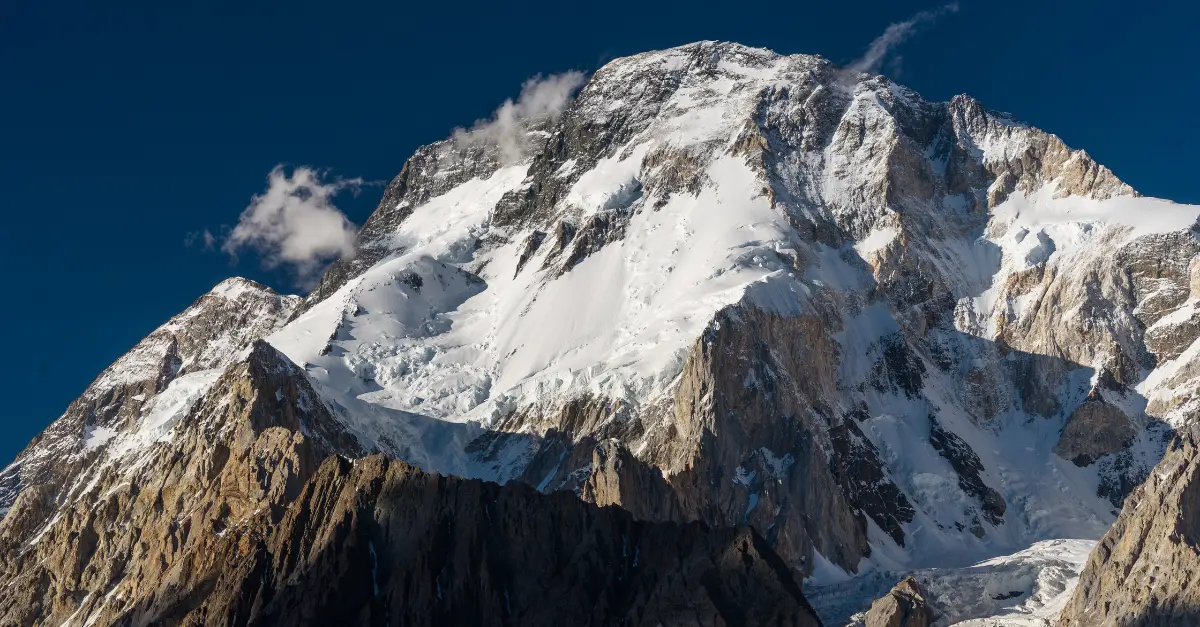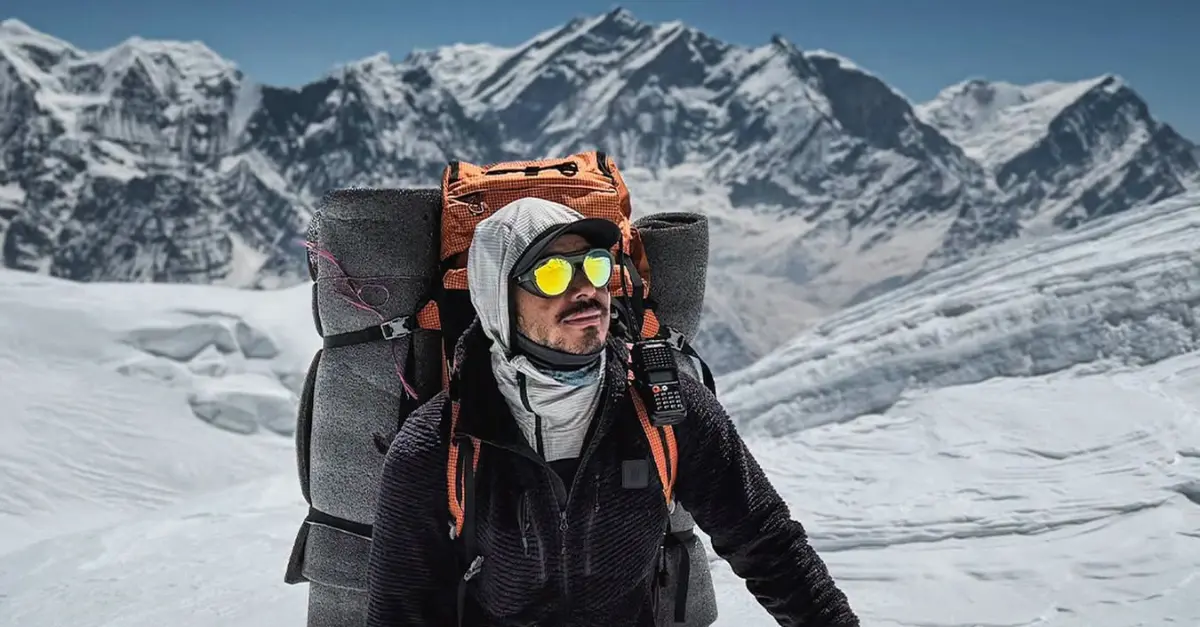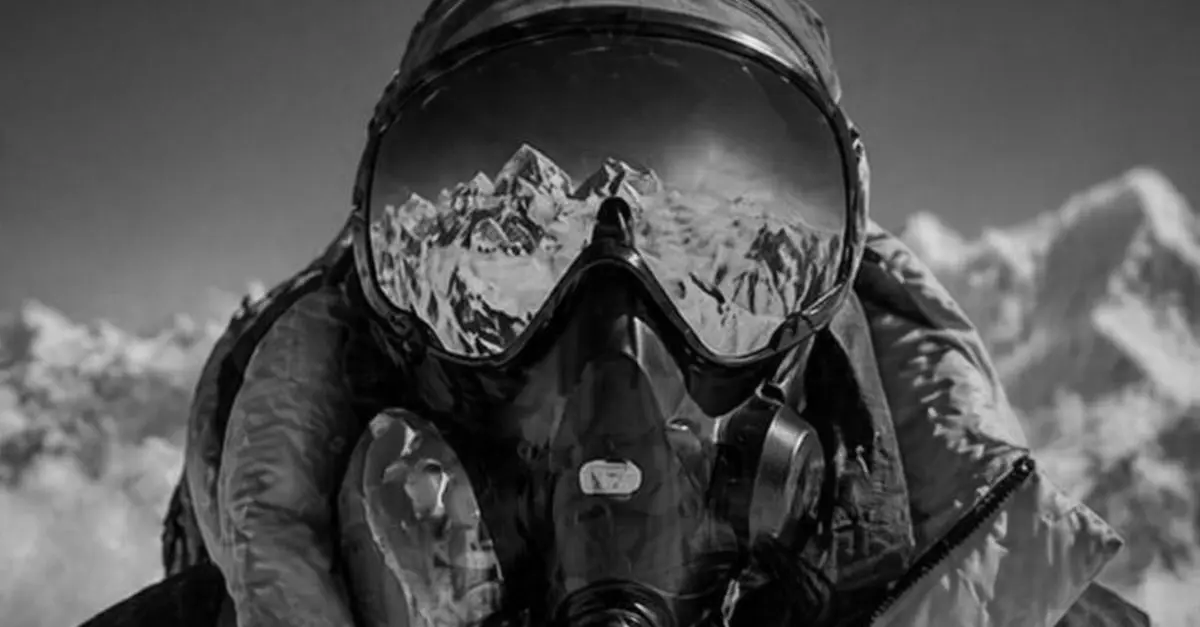


When we think of mountaineering and high-altitude challenges, our imagination immediately takes us to Everest, K2 or Mont Blanc. Yet there exist on our planet giants of rock and ice that have never known the human footprint. These mysterious mountains, scattered across the four corners of the globe, represent the last frontiers of terrestrial exploration. Some rise to over 7,000 metres in altitude, others are protected by extreme weather conditions or sacred prohibitions that make them absolutely inaccessible to mountaineers.
In a world where man has walked on the Moon and explored the ocean depths, these unclimbed summits humbly remind us that nature still keeps its secrets. Whether located in the Himalayas, Tibet, Bhutan or remote regions of China, these pristine peaks fascinate as much as they intimidate. Their conquest remains an unattainable dream for many adventurers, held back by strict regulations, insurmountable technical difficulties or simply by respect for local traditions that regard these mountains as deities never to be desecrated 🏔️
Gangkhar Puensum
Gangkhar Puensum dominates the border between Bhutan and China at 7,570 metres, making it officially the highest unclimbed peak in the world. This majestic mountain bears a name meaning “mountain of the three spiritual brothers” in Dzongkha, Bhutan’s national language. Since 1994, the Bhutanese government has banned all mountaineering expeditions on its territory for spiritual and cultural reasons. In this small Himalayan kingdom, mountains are considered sacred and home to deities that must not be disturbed.
Before this ban, several attempts had been made in the 1980s and early 1990s, none of which reached the summit. Japanese, British and Austrian teams all encountered major technical difficulties, poor weather conditions and deceptive topography. Indeed, mapping of the region remained imprecise, and several expeditions discovered that what they believed to be the main summit was in reality only a secondary peak. Today, with government restrictions in place, Gangkhar Puensum will likely retain its status as a virgin mountain for a very long time to come.

The exact position of the summit remains a matter of debate among geographers, as the Sino-Bhutanese border in this region is not clearly demarcated. This geopolitical uncertainty adds an additional layer of complexity to any future ascent attempt. For the people of Bhutan, this mountain represents far more than a sporting challenge: it embodies the connection between the earthly and spiritual worlds, a sacred bridge that humanity should never cross. This philosophy of respect towards nature perfectly reflects the deeply rooted Buddhist values in Bhutanese culture.
Muchu Chhish in the Karakoram
Located in the Karakoram range in Pakistan, Muchu Chhish reaches 7,452 metres and remains one of the most enigmatic summits in this mountain range renowned for its difficulty. Unlike Gangkhar Puensum, no official prohibition prevents its ascent, but its hostile geography and extreme isolation have discouraged all expeditions to date. The Karakoram is home to some of the world’s highest peaks, but also some of the most dangerous mountains, with mortality rates that far exceed those of the Himalayas.
The few documented attempts on Muchu Chhish date back to the 2000s, when experienced mountaineers tried to reconnoitre potential access routes. They quickly understood that the mountain presented vertical ice walls, frequent avalanches and some of the harshest climatic conditions on the planet. Temperatures can plunge to -50°C, and violent winds make any progress extremely perilous. At this altitude, the lack of oxygen considerably affects climbers’ physical and mental capacities, drastically increasing the risk of fatal error.

Muchu Chhish shares a ridge with Batura Muztagh, another giant of the Karakoram, which further complicates approach routes. The glaciers surrounding it are constantly in motion, creating deep crevasses and unstable snow bridges that can collapse without warning. To reach base camp, expeditions must cross areas that are particularly dangerous and remote from any civilisation. In the event of an accident or medical emergency, rescue teams would take several days to respond, which deters many seasoned mountaineers from attempting the adventure 🌨️
The Sacred Mountains of Tibet
Tibet is home to several summits that remain unclimbed not because of their technical difficulty, but because they are considered sacred by local communities. Kailash, rising to 6,638 metres, is the most famous example. Although it is not among the world’s highest peaks, it has never been climbed and most likely never will be. For Buddhists, Hindus, Jains and followers of the Bön religion, Mount Kailash represents the spiritual centre of the universe, the abode of the god Shiva, and climbing it would be considered an unforgivable sacrilege.

Each year, thousands of pilgrims undertake the kora, a sacred circuit around Kailash spanning 52 kilometres. This ritual circumambulation can last several days and represents for believers an act of spiritual purification. Renowned mountaineers such as Reinhold Messner have stated they would never attempt to climb Kailash, out of respect for local beliefs. In 2001, a Spanish company had obtained permission from Chinese authorities to organise an expedition, but faced with international outrage and massive protests, the project was abandoned before it even began.

Other Tibetan mountains share this sacred status, such as Machapuchare in Nepal, which reaches 6,993 metres and whose name means “fish tail” owing to its distinctive shape. The Nepalese government banned its ascent in 1964 after a single British expedition came within 50 metres of the summit, voluntarily turning back out of respect for local religious beliefs. These political and cultural decisions ensure that certain mountains will retain their mystical and unclimbed character, thus providing natural sanctuaries preserved from the human footprint in an increasingly explored and mapped world.
Karjiang
Karjiang rises to 7,221 metres in a remote region of the Tibetan Himalayas, on the border with Bhutan. This massive summit remains practically unknown to the general public, and even many professional mountaineers are unaware of its existence. Its remote geographical position, combined with access restrictions imposed by Chinese and Bhutanese authorities, makes it one of the most mysterious and inaccessible mountains on the planet. The few photographs available show a giant of ice and rock, surrounded by other unnamed and equally virgin peaks.
Expeditions to this region require special permits that are extremely difficult to obtain, and the logistical costs are prohibitive. Several weeks of approach trekking through uninhabited valleys are required, crossing passes at over 5,000 metres altitude and establishing camps in conditions of total isolation. Teams must be entirely self-sufficient in food, medical equipment and technical gear, as no resupply is possible once the expedition has set off. This self-sufficiency requires transporting considerable loads, often with the help of porters or pack animals, which increases the duration and complexity of the approach.

Karjiang also holds spiritual significance for local populations, though less well documented than that of Mount Kailash. Tibetan shepherds and monks in the region recount ancient legends associating this mountain with protective spirits that watch over the surrounding valleys. These beliefs, combined with the logistical and technical obstacles, create an almost insurmountable barrier for any ascent attempt. Some mountaineers consider that peaks like Karjiang represent the last true challenges of modern mountaineering, not for their pure technical difficulty, but for the unique combination of factors that makes them so hard to reach 🗻
Labuche Kang III
Also located in Tibet, Labuche Kang III reaches 7,250 metres and forms part of a mountain massif where several summits remain unclimbed. The confusion surrounding this peak stems in part from mapping and nomenclature issues: different geographical sources use various names to refer to the same peak, or conversely, assign the same name to different summits. This cartographic uncertainty considerably complicates expedition planning and partly explains why so few attempts have been documented.
The Labuche Kang massif presents formidable technical characteristics, with vertical ice walls, unstable seracs and ever-present avalanche risk. The region is subject to extremely violent katabatic winds descending from the Tibetan high plateau, creating some of the most hostile weather conditions in the world. These winds can reach speeds of over 150 km/h, making any progress at high altitude impossible for several consecutive days. Favourable weather windows are rare and unpredictable, forcing expeditions to plan for very long stays with significant uncertainty regarding their chances of success.

Access to the region requires crossing the Tibetan plateau, a geographically isolated and politically sensitive area where Chinese authorities strictly control the movements of foreigners. Mountaineering permits are difficult to obtain and extremely costly, potentially reaching several tens of thousands of dollars for a single expedition. Furthermore, regulations change frequently without notice, and entire areas can be closed to mountaineers for environmental or security reasons. This regulatory instability discourages many teams who prefer to target more accessible and better-documented objectives in other regions of the Himalayas or Karakoram.
Tongshanjiabu
Tongshanjiabu reaches 7,207 metres in the Nyenchen Tanglha range, in central Tibet. This remarkable mountain remains largely ignored by specialist mountaineering media, and very little detailed information circulates about it. The few expeditions that have attempted to approach it report considerable access difficulties, with impassable glaciers and near-daily avalanches during certain seasons. The mountain presents a complex architecture with several secondary summits that complicate the identification of the optimal route to the highest point.
Climatic conditions in this region of Tibet are particularly unpredictable, with storms that can arise within hours and last for several days. Night-time temperatures regularly drop below -40°C even during the summer season, considered the most favourable period for mountaineering. At this altitude, the human body deteriorates progressively even at rest, a phenomenon that mountain doctors call the “death zone”. Mountaineers must therefore progress quickly while conserving their energy, a delicate balance requiring considerable experience and exceptional physical condition.

Tongshanjiabu attracts particular attention from Chinese mountaineers, who see in these virgin summits of their national territory prestigious objectives. However, even experienced and well-funded Chinese teams have failed to conquer this mountain. Local authorities remain cautious about granting permits, fearing accidents that would require complex and costly rescue operations in a region where infrastructure is virtually non-existent. This administrative caution, though frustrating for mountaineers, paradoxically contributes to preserving these last wild sanctuaries of our planet ⛰️
Technical and Ethical Challenges
Modern mountaineering faces profound ethical questions regarding these unclimbed summits. On one hand, the spirit of exploration and the desire to push human limits drives mountaineers to target these last possible conquests. On the other, respect for local cultures, environmental preservation and the recognition that certain spaces should remain untouched by man are gaining ground within the international community. This tension between personal ambition and collective responsibility defines the current debate around high-altitude mountaineering.
The tragic accidents that have occurred in recent years on famous summits such as Everest have also changed public perception of extreme mountaineering. The queues at the summit, the quantities of abandoned waste and the numerous deaths have tarnished the romantic image of conquering peaks. In this context, some mountaineers advocate for virgin mountains to remain intact, serving as a reminder that humanity does not need to conquer everything. These voices argue that true greatness lies in the capacity to step back, to recognise limits and to respect what surpasses us.

Furthermore, climate change is profoundly affecting the high-mountain environment. Glaciers are retreating, seracs are becoming more unstable and avalanches more frequent. These changes make mountains that were already dangerous even more perilous and unpredictable. Paradoxically, global warming could render accessible certain summits previously protected by extreme glacial conditions, while making others completely impossible to climb due to increased instability of faces and rockfall. This evolution raises questions about mountaineers’ responsibility in the face of growing risks and the human and financial costs of rescue operations.
Modern Equipment Facing Impossible Mountains
Despite considerable technological advances in mountaineering equipment, certain mountains still resist human attempts. Modern technical clothing provides better resistance to extreme cold, oxygen systems are lighter and more efficient, and satellite communication systems offer enhanced safety. Yet these advances are not enough to compensate for the natural difficulties presented by these stone giants. Technology can improve survival chances, but it cannot eliminate the fundamental risks associated with altitude, avalanches or extreme weather conditions.
Modern ropes made from synthetic fibres, ultra-light ice axes in special alloys and technical crampons allow climbing of faces that were considered impossible a few decades ago. Weather forecasting systems, based on satellites and sophisticated computer models, give expeditions better visibility on favourable weather windows. Despite these tools, the human factor remains decisive: experience, judgement, the ability to make critical decisions under conditions of extreme stress and oxygen deprivation make all the difference between success and failure.
Drones and 3D mapping technologies have revolutionised route reconnaissance, enabling the study of potential ascent routes without immediately exposing climbers to danger. These technologies have revealed that some summits previously considered climbable actually present insurmountable obstacles, such as ice overhangs of several hundred metres or sections of friable rock that preclude any safe passage. These technological discoveries ironically contribute to confirming that certain mountains should remain unclimbed, not by prohibition but by sheer technical impossibility 🎿
Why Certain Summits Will Probably Remain Unclimbed
Several factors suggest that these ten summits, and other lesser-known mountains, will retain their status as uncharted territories for decades to come. Government restrictions constitute the first barrier, particularly in countries such as Bhutan where cultural and spiritual preservation takes precedence over sporting or tourist interests. These policies enjoy growing popular support, even within the international mountaineering community, which recognises the legitimacy of these protections.

The astronomical costs of high-altitude expeditions represent another major obstacle. An expedition to an unclimbed summit above 7,000 metres can easily cost between 100,000 and 500,000 euros, including permits, logistics, equipment, porters’ and guides’ wages, insurance and medical expenses. These amounts are beyond the reach of most mountaineers, even professionals, and require sponsors or wealthy patrons. In an uncertain economic climate, securing such funding for projects this risky and uncertain is becoming increasingly difficult.
Finally, the evolution of attitudes within the mountaineering community favours a more responsible and environmentally respectful approach. The “Leave No Trace” movement is gaining ground, and many mountaineers now consider that preserving certain wild spaces is more important than their personal conquest. This modern philosophy moves away from the competitive spirit that characterised the golden age of mountaineering in the twentieth century, favouring a more harmonious and humble relationship with nature. Newer generations of mountaineers seem more interested in personal experience and connection with the environment than in accumulating prestigious first ascents.
The Future of Mountaineering in the Face of Forbidden Summits
The question of access to virgin summits will continue to generate passionate debate in the years ahead. On one hand, technological advances and the continuous improvement of human performance suggest that mountains currently considered impossible could become accessible. On the other, environmental concerns, respect for local cultures and recognition of planetary limits argue for a more conservative approach. This creative tension could give rise to new models of mountaineering that value respectful exploration over conquest at any cost.
Some experts propose intermediate solutions, such as scientific reconnaissance expeditions that would study these mountains without necessarily reaching the summit. These approaches would enrich our geological, climatic and biological knowledge without violating cultural prohibitions or taking disproportionate risks. Data collected by drones, satellite measurements and field studies could satisfy scientific curiosity while preserving the sacred or pristine character of these exceptional summits. This approach perhaps represents the future of a more mature and responsible form of exploration.

Commercial mountaineering, which has transformed Everest into a crowded tourist destination, probably poses no threat to these unclimbed summits given their extreme difficulty and inaccessibility. No tour operator could guarantee the safety of paying clients on mountains where even elite mountaineers fail. This economic reality offers natural protection to these giants, regardless of official regulations. The last great challenges of mountaineering will therefore remain reserved for a handful of exceptionally qualified individuals, motivated by pure passion rather than profit or media fame 🏔️