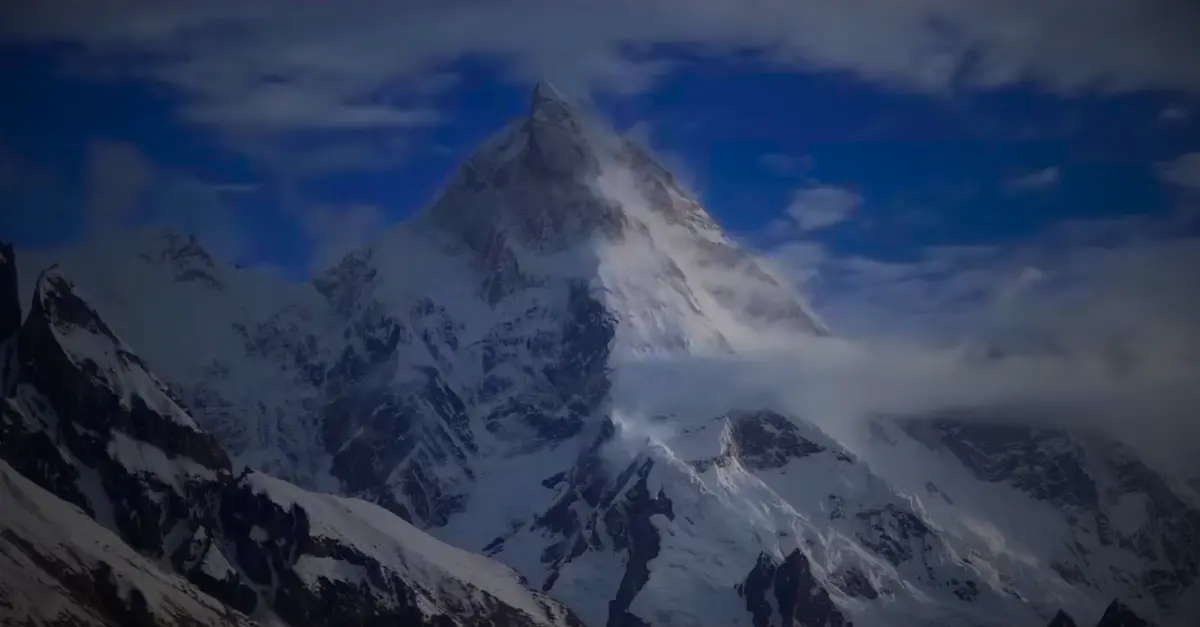
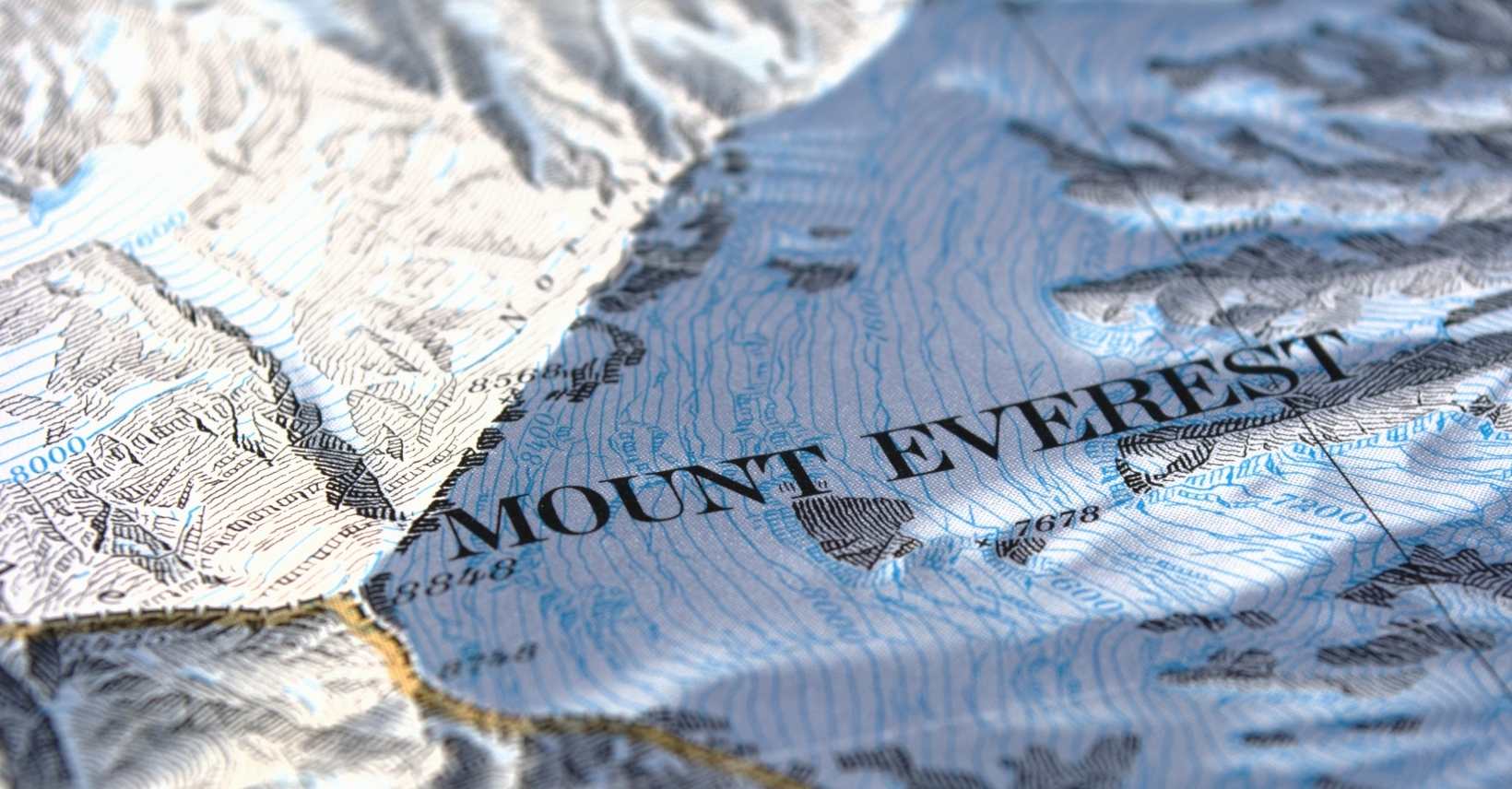
A subtle way to sum up the “normal route” of Everest in 10 images. As you know, Everest rises on the border between the prefecture-level city of Shigatse in the Tibet Autonomous Region of China and the Solukhumbu district in Province No. 1 of Nepal. It peaks at 8,849 metres above sea level in the Mahalangur Himal, a massif of the Himalayas, making it the highest point in Asia and the tallest of the Seven Summits. It sits 160 kilometres east-northeast of Kathmandu, 260 kilometres west-northwest of Thimphu, 450 kilometres west-southwest of Lhasa, and approximately 600 kilometres north of Kolkata and the Bay of Bengal.
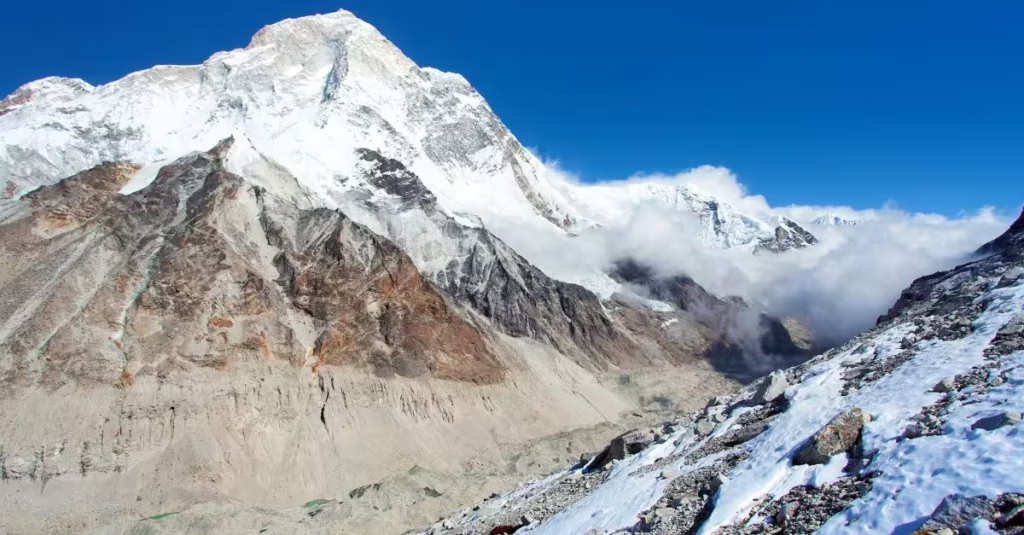
The nearest summits above 8,000 metres are Lhotse, at 8,516 metres, located three kilometres to the south as the crow flies; Makalu, at 8,463 metres, twenty kilometres to the southeast; and Cho Oyu, at 8,201 metres, twenty-eight kilometres to the northwest.
The first person to raise the possibility of climbing Everest was Clinton Thomas Dent, president of the Alpine Club, in 1885 in his book Above the Snow Line.
Want to climb Everest? Click here.
In 1904, the British military expedition led by Francis Younghusband succeeded in negotiating passage across the Tibetan border. On that occasion, J. Claude White took the first photograph of the East Face from Kampa Dzong, at a distance of 150 kilometres. It was not until 1921, however, that the Royal Geographical Society obtained permission to properly explore the mountain. The first expedition was funded by the Mount Everest Committee, led by Colonel Charles Howard-Bury, and composed of Harold Raeburn, George Mallory, Brian Donahue, Guy Bullock and Edward Oliver Wheeler.
Their mission was solely to map the mountain and identify the easiest route to the summit. Raeburn’s failing health forced him to abandon his companions, and Mallory took on the role of expedition leader. Although they were not equipped to reach the summit, they made it as far as the North Col before being forced to turn back by the arrival of the monsoon. Mallory’s experience led him to conclude that the route to the summit looked long but feasible for a well-prepared expedition.
Here are the main stages:
1. Khumbu Icefall (5,305 m)
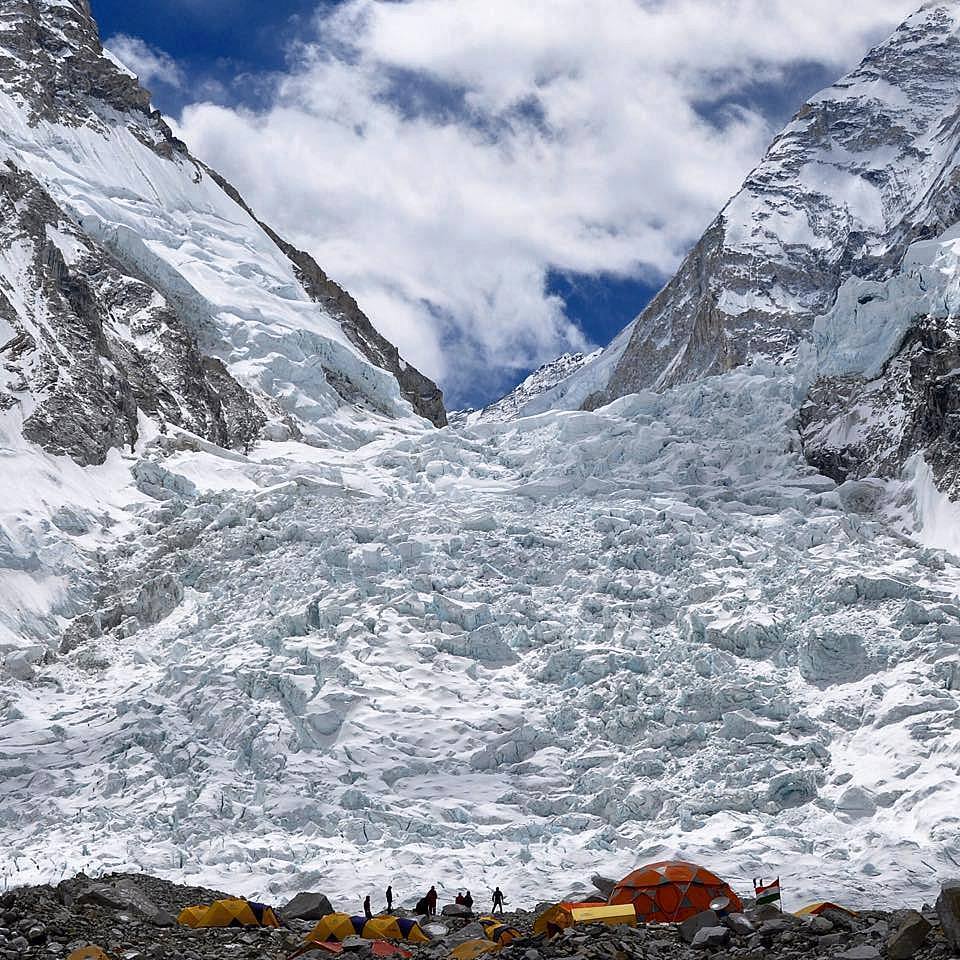
2. Camp I (approx. 6,110 m) and Camp II (approx. 6,550 m)
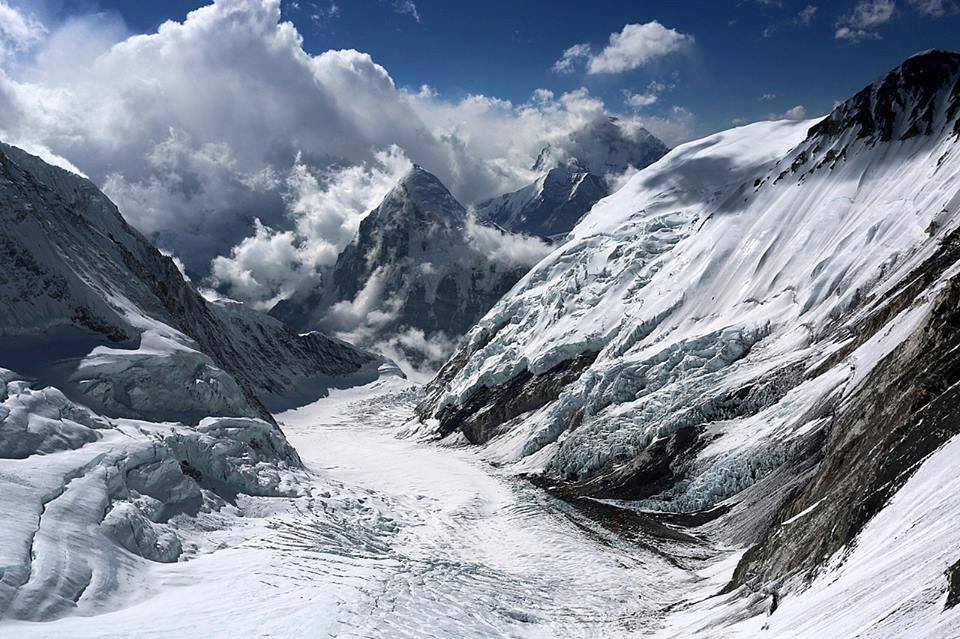
3. Climb up the Lhotse Face — Camp III (7,300 m)
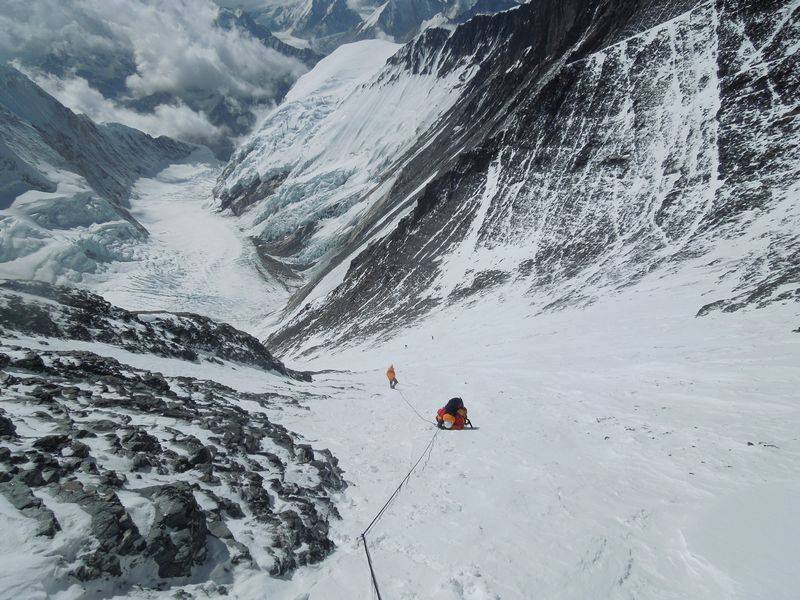
4. Yellow Band and Geneva Spur (7,808 m)
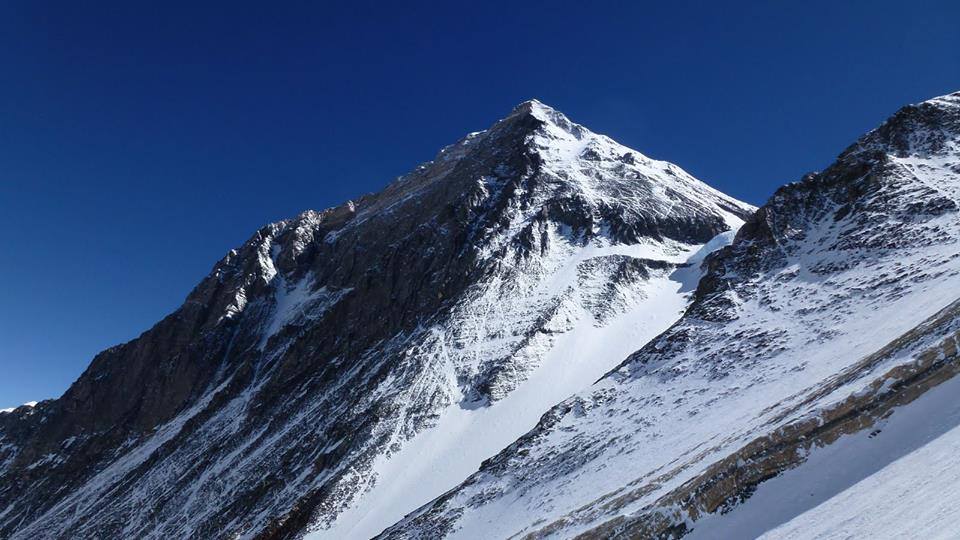
5. South Col — Camp IV (7,912 m)
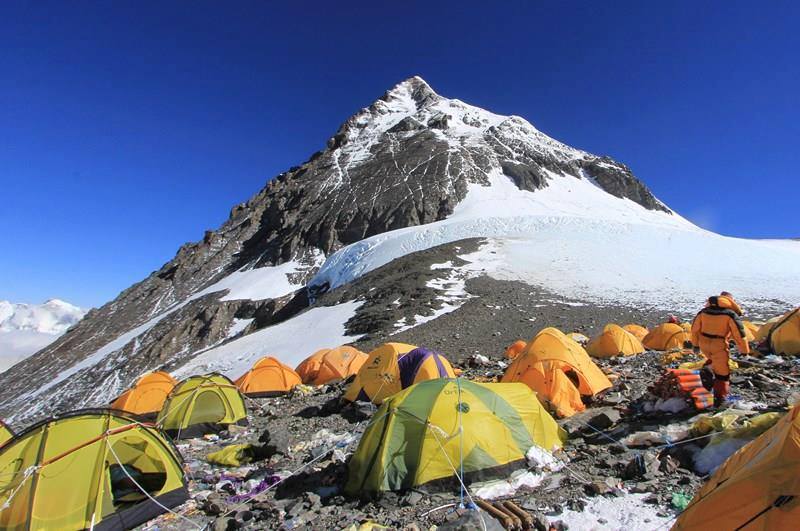
6. Climb to the Balcony — “Death Zone” (8,500 m)
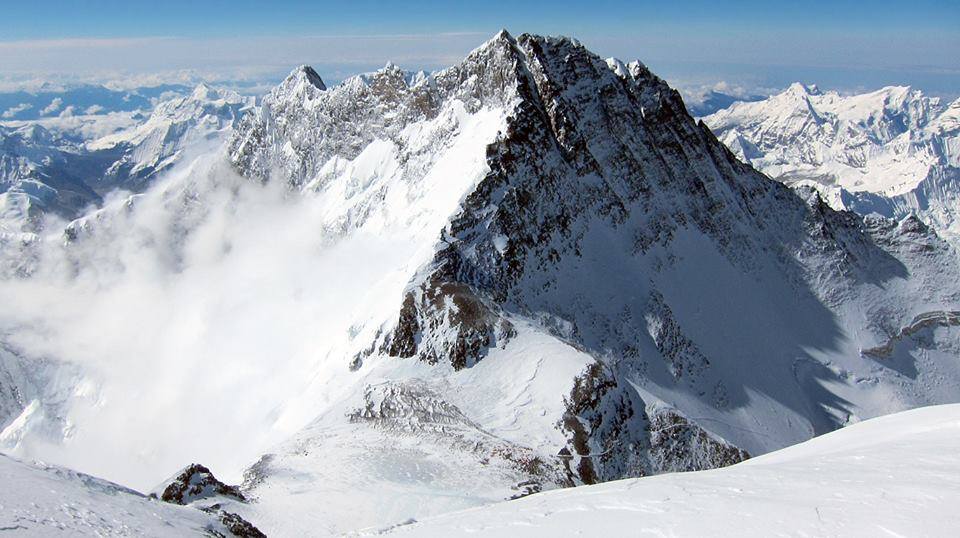
7. South Summit (8,755 m)
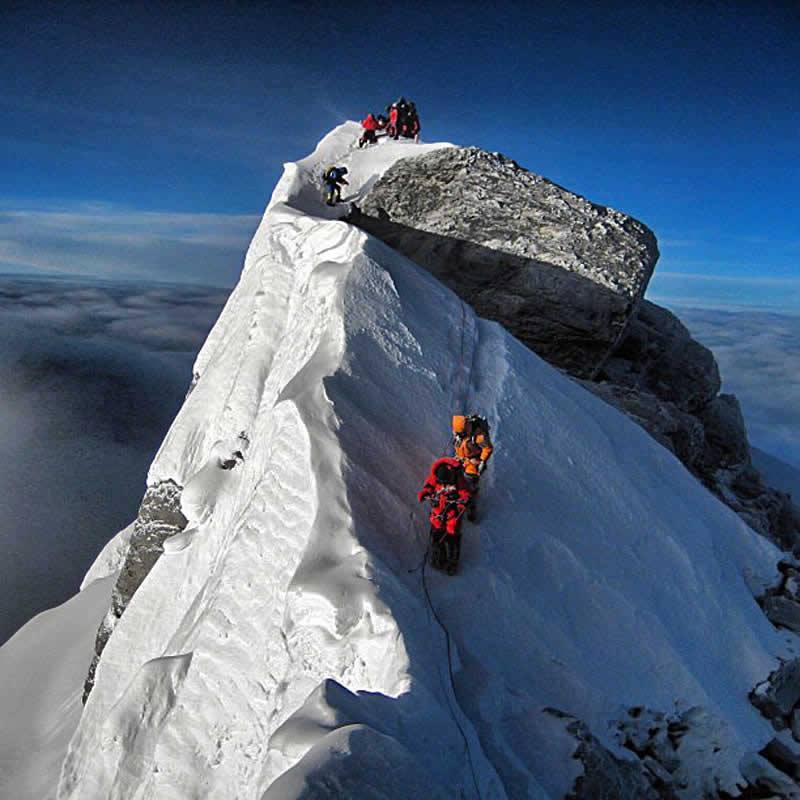
8. Cornice Traverse (SE Ridge) (8,761 m)
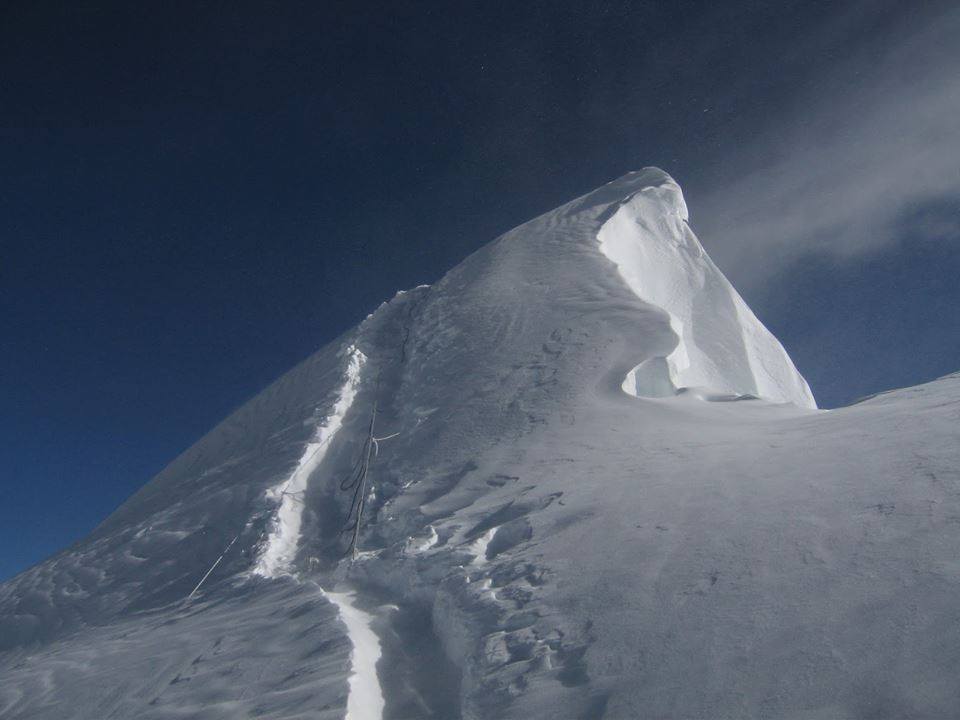
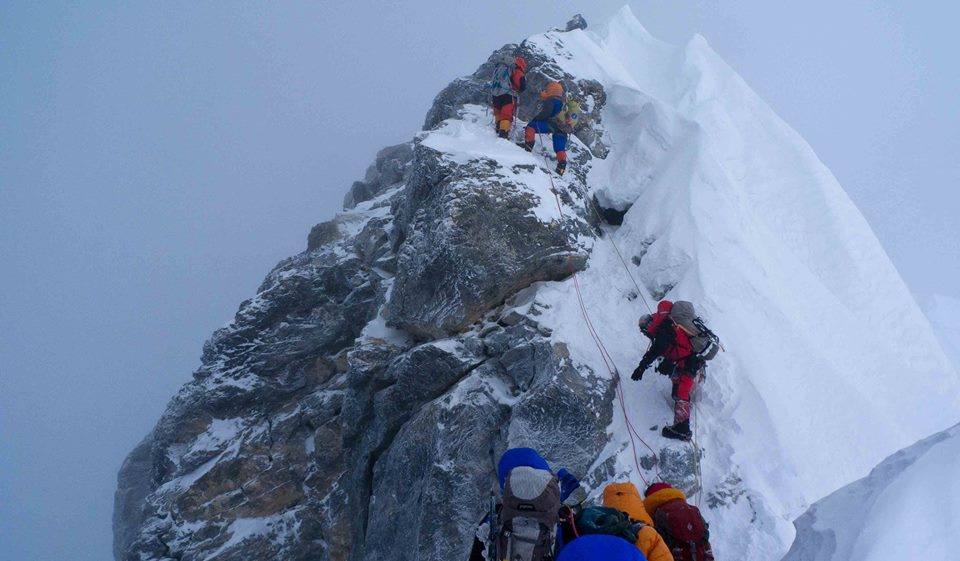
9. Hillary Step (8,790 m)
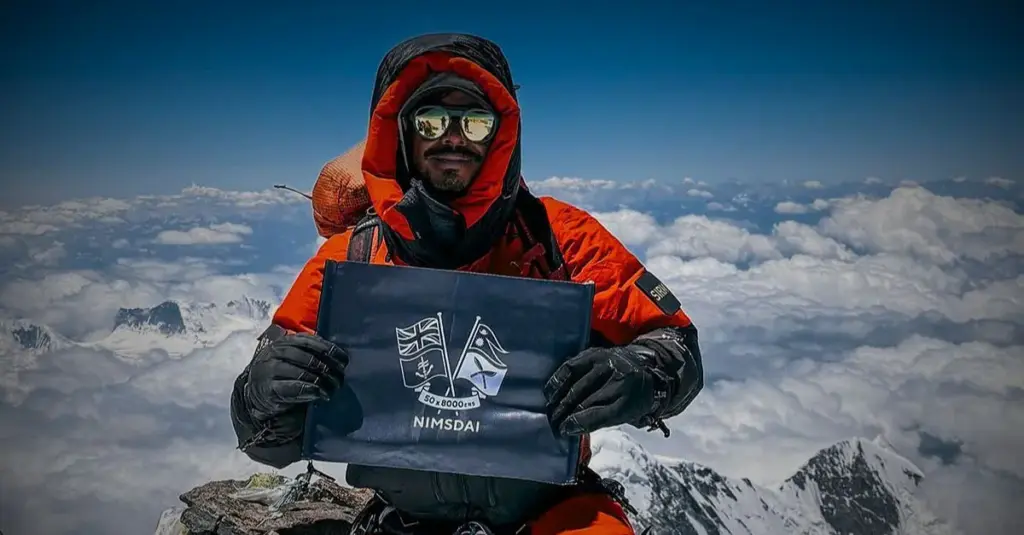
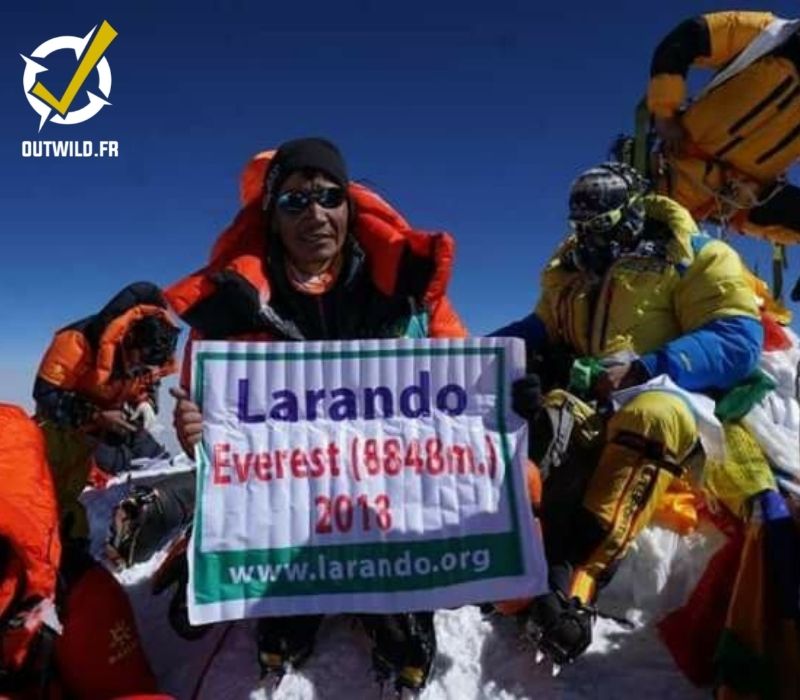
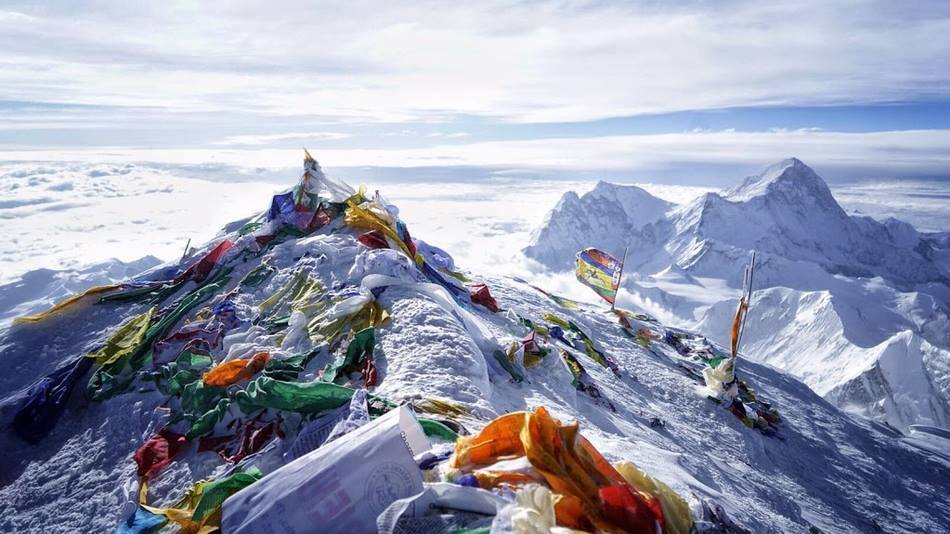
10. Summit (Mt. Makalu in the background) (8,849 m)
Climbing Everest today
Climbing Everest remains one of the greatest challenges in modern mountaineering. Every year, hundreds of alpinists from around the world make their way to Everest Base Camp to attempt the ascent of the world’s highest summit. The normal route on the Nepalese side is the most commonly used itinerary, but it demands rigorous physical preparation, progressive acclimatisation to altitude and a thorough command of high-mountain climbing techniques.
Situated at the heart of the Himalayas on the border between Nepal and Tibet, Everest draws both seasoned alpinists and mountain enthusiasts dreaming of reaching the roof of the world. From the Khumbu Icefall and the Lhotse Face to the South Col and the infamous death zone, each stage of the expedition presents a unique challenge in which altitude, cold and oxygen deprivation push the human body to its absolute limits.
Successfully summiting Everest typically requires several weeks of acclimatisation, multiple rotations between the high-altitude camps and a favourable weather window. Despite advances in equipment and weather forecasting, Everest remains a formidably demanding mountain that retains all of its mythical stature in the history of exploration and alpinism.