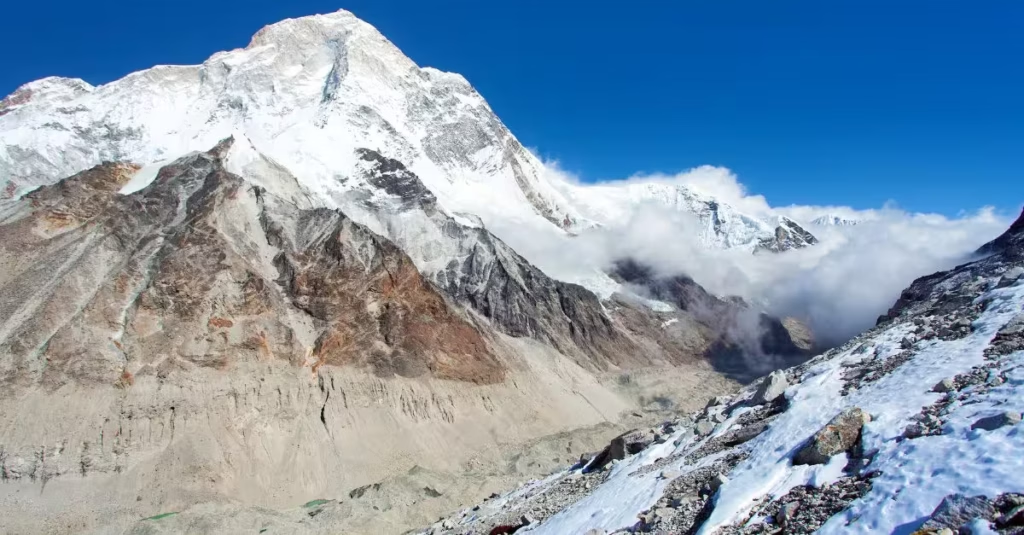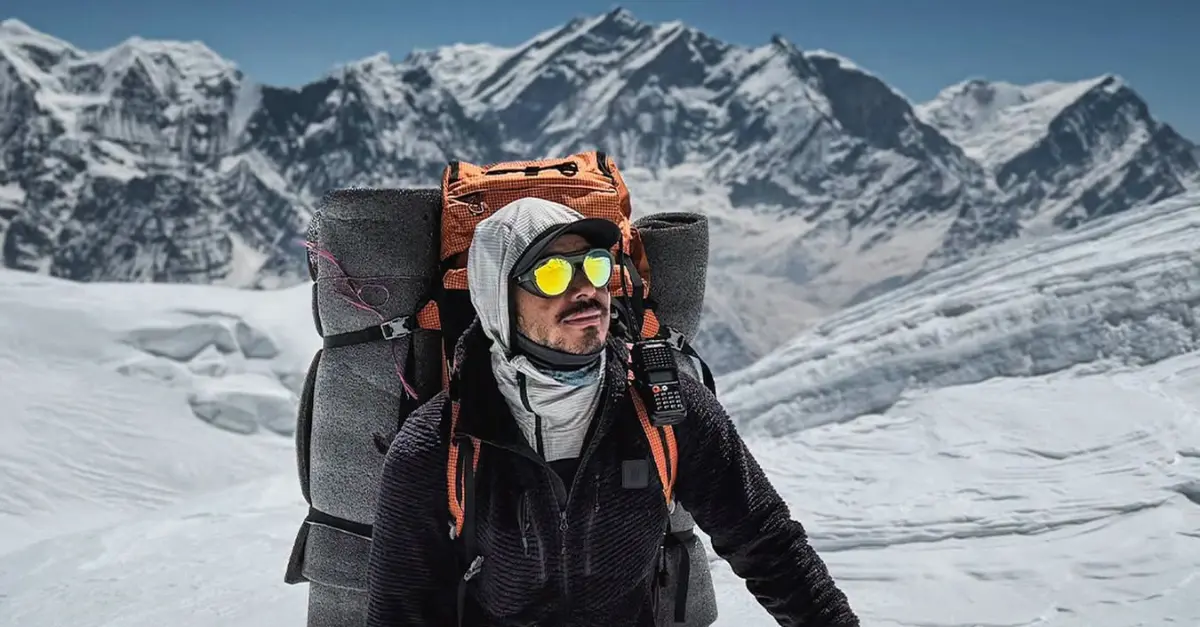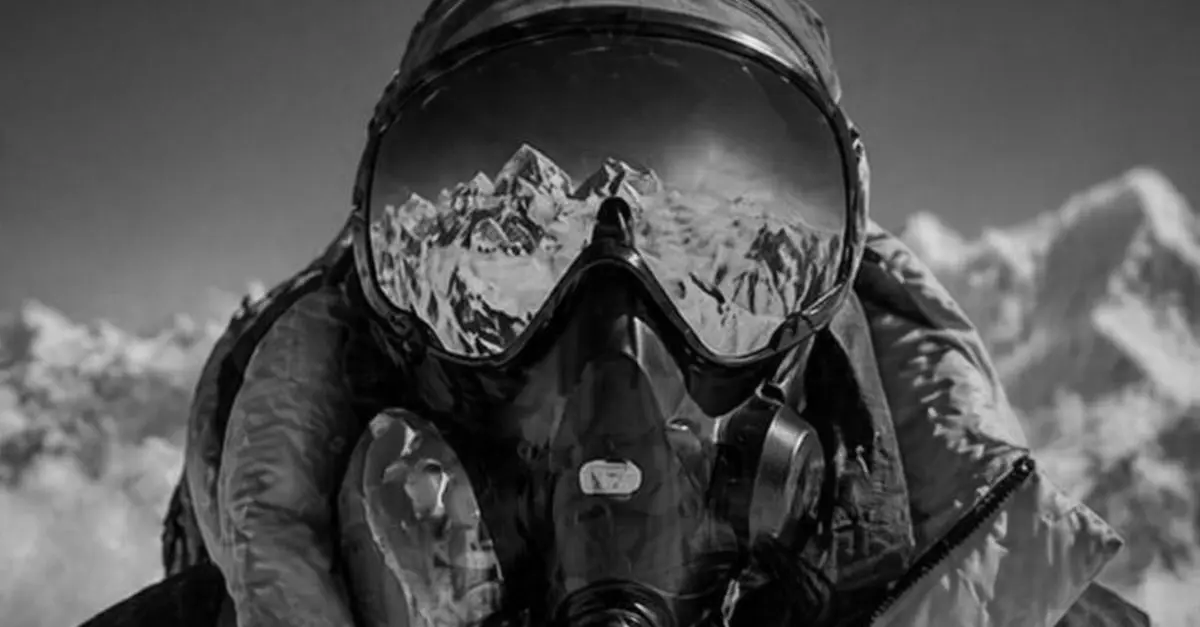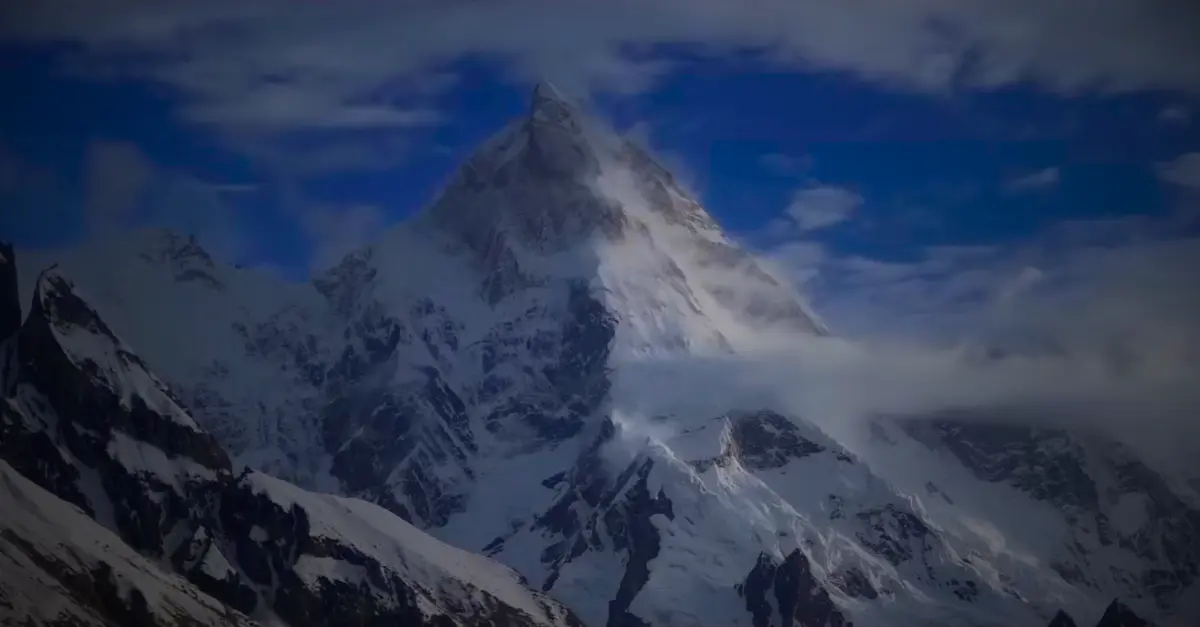


The Everest Marathon remains, in my eyes, one of the most vertiginous sporting events humanity has ever invented. Setting off from Everest Base Camp at 5,364 metres above sea level and racing down the ancient trails of the Khumbu Valley to Namche Bazar — this is not just a race. It is a direct confrontation with oneself, with the mountain, and with history.
In 2026, this competition celebrates its 21st edition, coinciding with the 73rd anniversary of the first successful ascent of Everest by Tenzing Norgay Sherpa and Sir Edmund Hillary on 29 May 1953. Every year on 29 May, hundreds of runners from around the world gather at the foot of Sagarmatha — “Goddess of the Sky” in Nepali — to honour that feat and push their own limits. If you are looking for a reason to sign up, here is a simple one: no other race in the world will place you in this context.
Why the Everest Marathon is in a class of its own
I have lost count of the road and mountain marathons I have followed or covered. But this one plays in a different league. Altitude alone changes everything: the heart races faster, the muscles demand more oxygen, and the slightest incline becomes a challenge. At 5,000 metres, your VO2 max drops by roughly 30% compared to sea level. Runners know this — and it is precisely what they come for.
But what makes the event truly singular is its human and cultural context. The Sherpa trails of the Khumbu Valley are not mere paths: they are steeped in generations of porters, mountaineers, monks, and travellers. Running these tracks means passing through villages like Gorakshep and Dingboche, brushing past prayer flags snapping in the icy wind, breathing in monastery incense mingled with the thin air. It is hard to remain unmoved.
Three race formats for every profile
The organisation offers three distances suited to very different levels of commitment. Whether you are a seasoned ultra-trail runner or a runner seeking your first Himalayan experience, there is a place for you.
The half-marathon — 21 km from Dingboche
This 21 km event, starting in Dingboche and finishing in Namche Bazar, is far more than a “shorter version”. It is described as a spiritual experience, symbolising the seven stages of birth and death according to Buddhist tradition. Covering these kilometres above 4,000 metres is a journey in every sense of the word. Ideal for runners discovering altitude or those who wish to prioritise cultural immersion.
The full marathon — 42.195 km from Base Camp
The full marathon departs from Everest Base Camp (5,364 m) and descends to Namche Bazar via Gorakshep, Dingboche, the Biber loop, and the iconic climb of Kala Patthar. The total elevation change is colossal, the scenery is breathtaking, and weather conditions remain unpredictable right to the finish. This distance is what built the event’s worldwide reputation. Finishing this marathon means wearing a race bib that no Boston or Berlin medal can truly rival in terms of personal history.
The UTEM — 70 km of ultra for extreme adventurers
The Ultra Trail Everest Marathon (UTEM) covers 70 km from Base Camp to Namche Bazar across technical, rugged, and sometimes snow-covered trails. It is the flagship event for ultra-trail runners who want to pit themselves against Himalayan conditions in their rawest form. Few races in the world offer such a combination of distance, altitude, elevation gain, and relative isolation. My view: if you have already completed 60–80 km mountain ultras, the UTEM is the logical next step — and it will still surprise you.
What you will experience beyond the race
Not everyone is there to run. And that is perfectly fine. The organisation also welcomes non-runners in a spirit of shared adventure. Here is what awaits them:
- Trekking along the historic route taken by Tenzing Norgay and Hillary, opened to the world in 1953
- Ascent of Kala Patthar (5,644 m) for a panoramic view of Everest, Lhotse, and Nuptse
- Watching the world’s highest marathon as a privileged spectator on the Khumbu trails
- Meeting local and international runners in a unique atmosphere of camaraderie at altitude
- Access to the Multi Mount Everest programme, for multi-activity adventure enthusiasts with 360° views of the Himalayan giants
The total duration of the stay is approximately two months if altitude preparation and progressive acclimatisation are included — recommended for everyone from 3,500 metres upwards.
Preparing seriously: acclimatisation above all
I will say it plainly: acclimatisation is the key to everything. Arriving in Nepal without having seriously prepared your body for altitude is a real risk — and a way to ruin an extraordinary experience. The programme generally begins in early April 2026, with a gradual ascent from Lukla (2,840 m) to Base Camp over several stages spanning several weeks.
Experienced runners recommend a minimum of two to three weeks of on-site acclimatisation before race day. During this time, you sleep at altitude, walk, monitor yourself, and let your body adapt. Acute Mountain Sickness (AMS) does not discriminate: elite mountaineers have suffered from it just as much as beginners. Drink plenty, ascend slowly, descend if necessary — that is the golden rule.
On the equipment side, think breathable technical layers, trail shoes with aggressive grip, trekking poles (permitted and useful), and clothing suited to extreme temperature swings: it can be -10°C at night at Base Camp and 15°C during the day in Namche.
The 2026 edition: yet another symbolic date
The 2026 Everest Marathon marks the 21st anniversary of this competition, born in the early 2000s, and simultaneously the 73rd anniversary of the first historic ascent. Bikram Pandey Kaaji, a central figure in the organisation, sums up the spirit of the event in a simple phrase: “Let’s run together and write history.” This is not marketing: it is exactly what you feel when you set foot on these trails at dawn on 29 May.
Since the 2015 earthquake in Nepal, which deeply affected the Khumbu region, the race has returned with a new energy. The 2026 edition is presented as the “New Higher Everest Marathon”, affirming both the resilience of the Sherpa community and the renaissance of high-altitude adventure.

How much does the Everest Marathon cost
This is the question everyone asks, and it is best to be direct: it is not a cheap event, and that makes sense. Entering the Everest Marathon is not just paying for a race bib — it is funding a complete high-altitude expedition in Nepal.
The full package price — which includes the acclimatisation trek to Base Camp and race entry — is listed at USD 2,550 per person, based on a minimum of two participants. This price generally covers internal transfers, lodge accommodation during the trek, meals, permits for the Khumbu region, and on-site support. International flights from your home country and personal equipment are naturally extra.
For comparison: a marathon race bib in Paris costs between €135 and €179 in 2026. Here we are talking about a different dimension — but also a different experience. Two months of preparation, breathtaking Himalayan scenery, a medal that no one around you will be able to match. My sincere view: for what the race represents, the quality-to-experience ratio is hard to argue with.
Registrations must be submitted before 30 April 2026, accompanied by the mandatory medical and payment forms. As places are limited by the logistical constraints of altitude, it is best not to wait until the last minute.
What the winner receives
This is probably the most unexpected answer about this event: no prize money is awarded at the Everest Marathon. Every finisher, whether they cross the line first or last, receives the same thing — a certificate, a medal, and the official race t-shirt.
At first glance, this may seem surprising. But it is precisely this that says everything about the spirit of the event. This is not Boston or New York, where elites race for six-figure prize purses. Here, the reward is the experience itself — having stood upright above 5,000 metres, having crossed the finish line in Namche Bazar, having run where few humans have ever set foot in shorts and trail shoes.
The organisation is moreover run by BufoVentures Ltd, a non-profit structure that reinvests all proceeds into a fund supporting health and education projects in Nepal — over 834,000 dollars raised to date. In other words, by signing up, you are not running for a cheque. You are running for a medal worth far more than its weight in metal, and you are contributing directly to a region that welcomes you with open arms.
The true trophy of the Everest Marathon is the story you will tell for the rest of your life.
FAQ — Your questions about the Everest Marathon
Do you need to be a professional runner to take part?
No, the event is open to running enthusiasts of all backgrounds, but it requires rigorous preparation.
- A varied field: The start line brings together a diverse pack, mixing elite athletes, seasoned trail runners, and amateur runners taking on a personal challenge. There are no selection criteria based on finishing times.
- The demands of preparation: Although the race is accessible, underestimating the impact of high altitude on the body would be a major mistake. To approach the event with confidence, it is essential to have a solid aerobic base and to follow a specific multi-month training plan combining high endurance volume and trail sessions with significant elevation gain.
Which distance should you choose for a first participation?
For a first foray into Himalayan racing, caution and gradual progression are the way to go.
- The ideal option: The half-marathon format (a 21-kilometre course starting from the village of Dingboche) stands out as the best choice for newcomers. This route allows you to experience the specifics of the technical terrain and the spectacular Khumbu scenery without the extreme exhaustion associated with the full distance.
- A gateway to the legendary: This intermediate distance serves as an excellent test of effort management at altitude. It is also the choice made by many participants who use this first experience to acclimatise to the environment before returning the following year to tackle the full 42-kilometre marathon.
When should you register for the 2026 edition?
Planning for this sporting journey must be done many months in advance.
- The event calendar: The travel, acclimatisation, and trekking programme leading up to the race begins in early April 2026, culminating with the race in spring.
- The urgency of booking: Due to the region’s severe logistical constraints (limited availability in high-altitude lodges, internal flight reservations to Lukla airstrip, management of official permits), the number of race bibs is strictly capped. It is essential to confirm your registration as early as possible in the year, or risk finding the event fully booked.
Is the Everest Marathon dangerous?
It is an extreme trail race in a hostile environment that carries objective risks inherent to high mountains.
- The identified risks: Running at altitudes above 4,000 or 5,000 metres directly exposes athletes to Acute Mountain Sickness (AMS), sudden temperature drops, unpredictable storms, and traumatic injuries linked to the technical nature of the rugged trails.
- The safety framework: Although the organising committee deploys solid logistical support, including regular checkpoints, specialist medical teams, and rescue links, safety ultimately rests on individual responsibility. Meticulous acclimatisation during the approach trek and careful attention to the warning signals sent by your own body remain the best guarantees against complications.