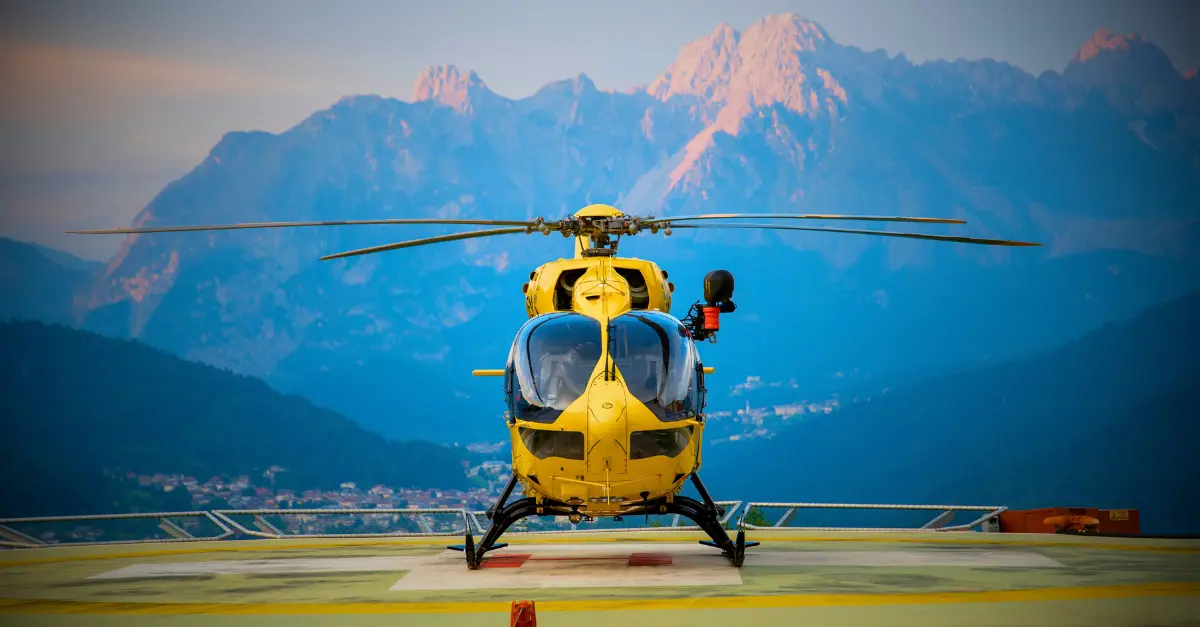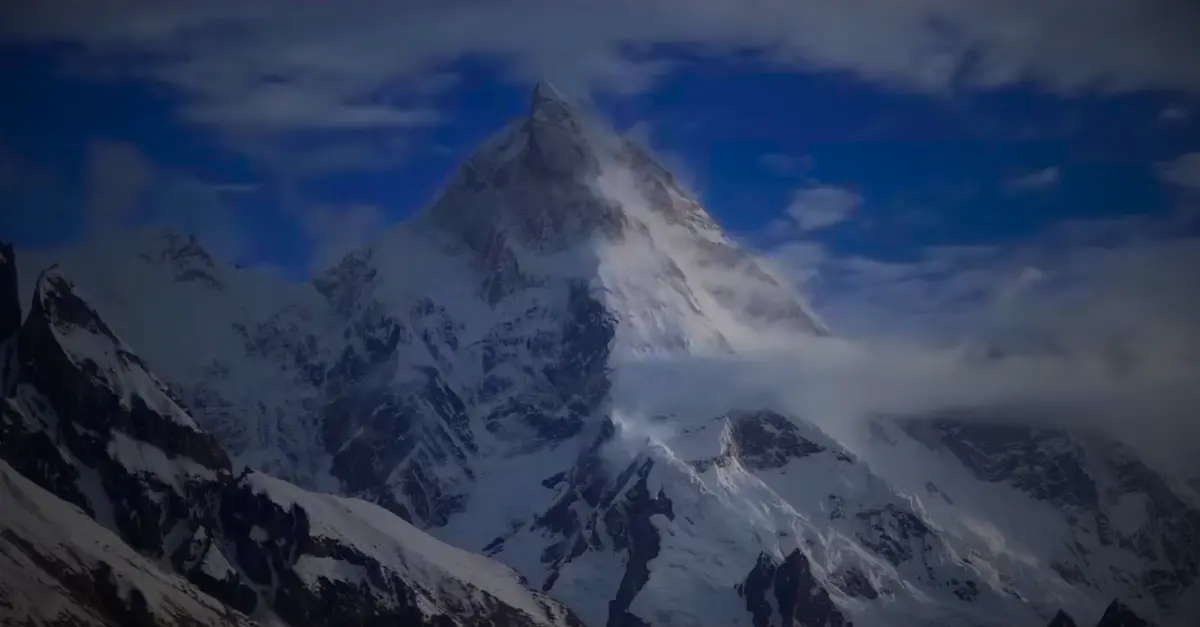

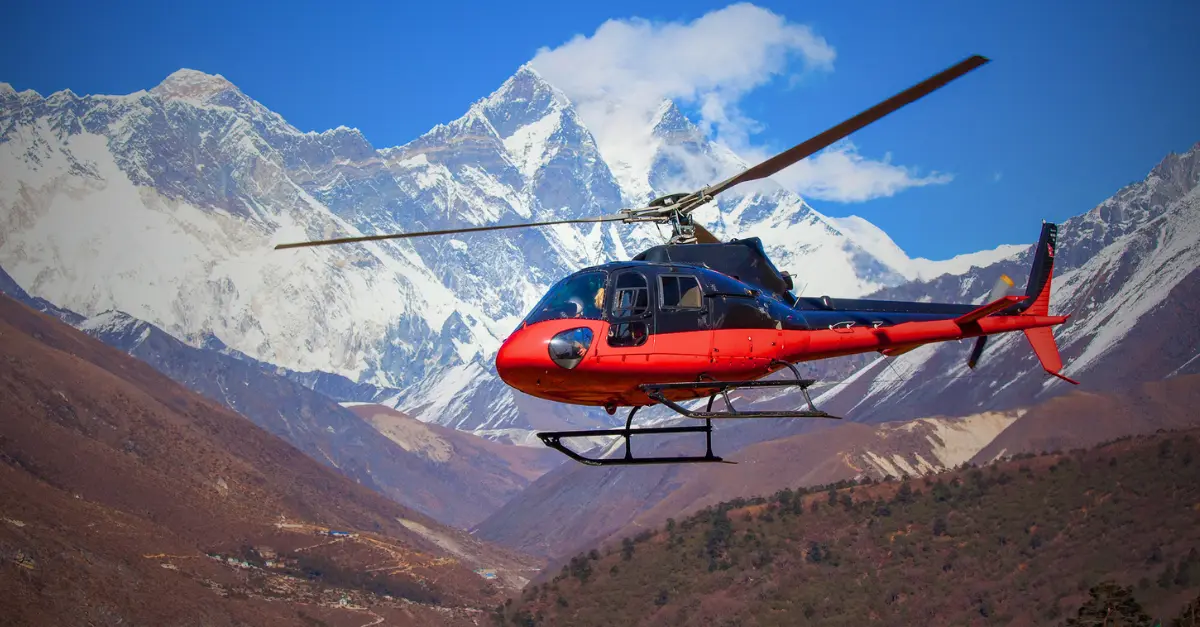
A helicopter tour in Nepal remains the fastest and most spectacular way to take in the Himalaya without spending weeks on the trails. In half a day, these scenic tours take you over peaks that most trekkers spend ten to fifteen days approaching on foot. I’ve spent several seasons trekking through the Khumbu and Annapurna regions, and crossed paths with these machines almost every morning above the ridgelines. Here’s my ranking of the five most striking circuits, with real 2026 figures, the pitfalls to avoid, and what these flights are really worth once you’re feet (or rather, backside, strapped into the seat) inside the aircraft.
Whether you’re looking for an alternative to the classic trek due to time constraints, physical fitness, or simply a desire to take in the heights from a different angle, these tours offer direct access to the Himalayan giants. Some land at high altitude, others are flyover-only, and the price varies fivefold depending on the package chosen.
Key takeaways
- The Everest Base Camp tour remains the most popular, with a possible landing near Kala Patthar and breakfast at the Everest View Hotel.
- Expect to pay between 1,200 and 1,500 USD per person for a shared flight, and upwards of 5,000 USD for a private charter in 2026.
- The Annapurna and Langtang tours offer equally breathtaking scenery, often at a more accessible budget.
- Himalayan weather remains the number one cause of cancellations, especially between June and September.
- Ideally book several weeks in advance during peak season (October-November, March-April).
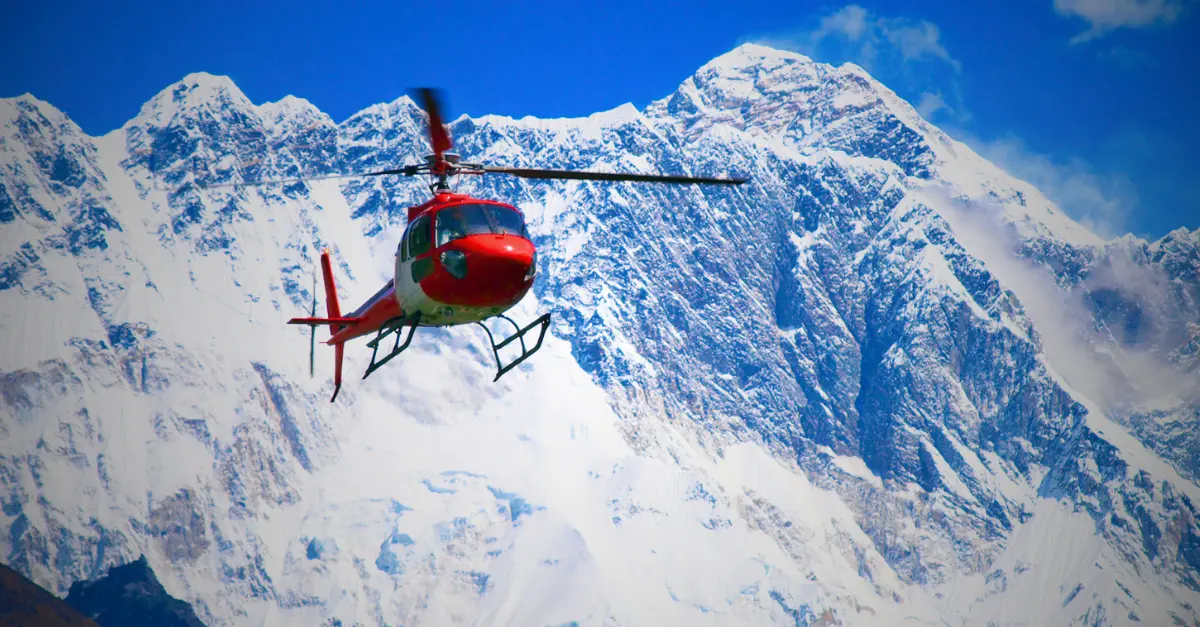
Why choose a helicopter tour over a classic trek
The main argument is, of course, time. Where a trek to the Everest Base Camp takes twelve to fourteen days, the same destination can be reached in a single morning by air. For travelers with a tight schedule, limited physical fitness, or simply the desire to experience the Himalaya from a different angle, this option completely changes the game.
There’s also the question of altitude. A helicopter flight avoids the risks associated with acute mountain sickness since the ascent takes a few minutes rather than several days of gradual acclimatization. That said, some passengers still feel a slight discomfort when setting foot above 5,000 meters directly, without any staging. My advice: avoid coffee and stay well hydrated the day before the flight.
Finally, these tours reveal a perspective that trekking never really allows: the big picture. From the ground, you only see one valley at a time. From the sky, entire mountain ranges unfold all at once, with a rather dizzying clarity of the terrain.
The Everest Base Camp and Kala Patthar tour, the essential one
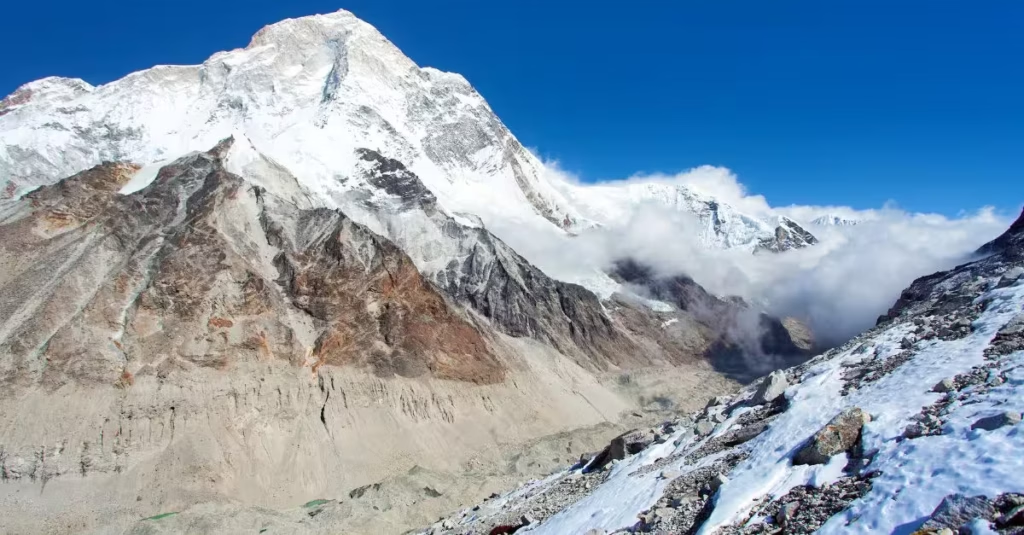
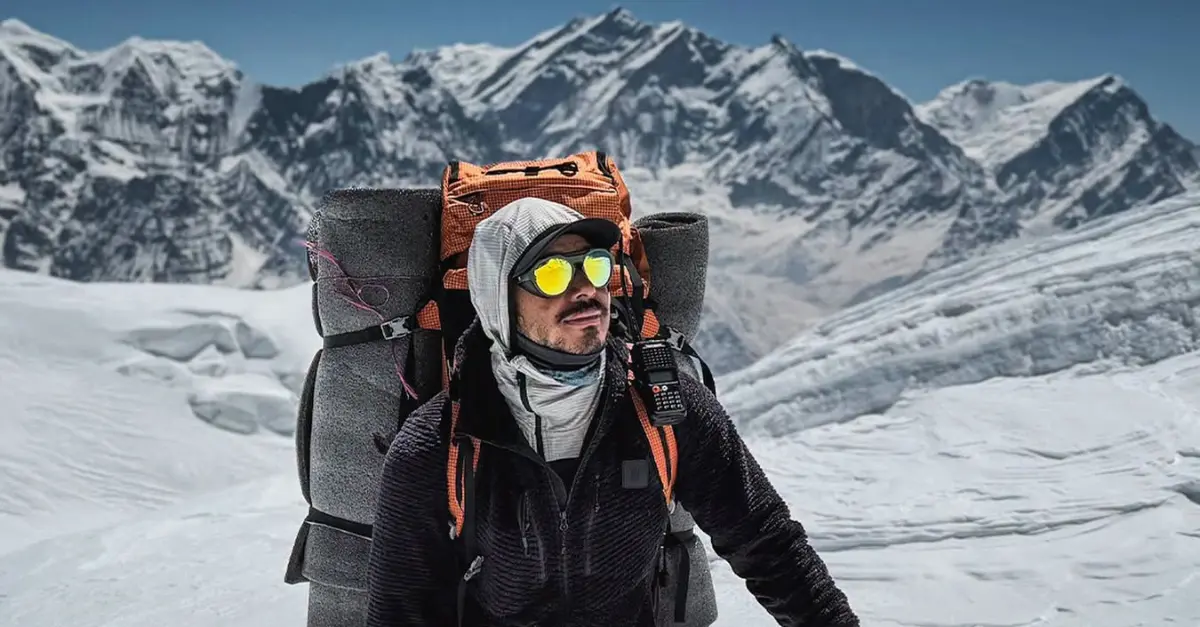
This is the absolute classic, and probably the most searched-for helicopter tour in Nepal on Google. The route takes off early in the morning from Kathmandu, makes a technical stop in Lukla for refueling, then climbs toward Pheriche before flying over the Khumbu glacier up to Kala Patthar, at over 5,500 meters in altitude.
Route and flight stages
The aircraft first crosses Nagarkot and the forested foothills, then Lukla, before following the route past Namche Bazaar. The most impressive stretch remains the pass over the glacier, with a close-up view of Pumori, Nuptse, and of course Everest itself. Depending on the package booked, a landing is possible at Kala Patthar or directly near base camp, though the latter remains rare since the glacial terrain there is unstable.
The breakfast stop usually takes place at the Everest View Hotel, in Syangboche, one of the highest hotels in the world. An hour on site is enough to take in the view and catch your breath before heading back.
Budget and available packages
Prices have changed significantly in 2026, largely due to the rise in aviation fuel costs in Nepal. For a shared flight of up to five passengers, expect to pay around 1,200 to 1,500 USD per person. For a private charter with a guaranteed landing, the range climbs to between 5,000 and 6,500 USD for the whole aircraft, or even more depending on the season and the operator.
Additional fees are often added on top: airport tax, Sagarmatha National Park fees, and breakfast at the Everest View Hotel, which isn’t always included in the economy packages.
Annapurna Sanctuary, a diversity of landscapes condensed into one morning
Less publicized than Everest, the Annapurna tour nonetheless fully deserves its place on this list. The flight departs from Pokhara, which already cuts down travel time compared to the routes leaving from Kathmandu, and flies over a remarkably varied landscape within minutes: subtropical forests, terraced rice fields, and then sheer rock walls rising above 8,000 meters.
Machapuchare, nicknamed the “Fishtail” and still off-limits to climbers for cultural reasons, reveals itself from a striking angle from the air. The landing usually takes place near the Annapurna Sanctuary or base camp, at around 4,130 meters, in a mountain amphitheater surrounded by towering walls.
In terms of budget, this is one of the most accessible tours: around 400 to 600 USD per person for a roughly one-hour shared flight from Pokhara, excluding private charter. It’s also a great option to combine with a more relaxed stay by Phewa Lake.
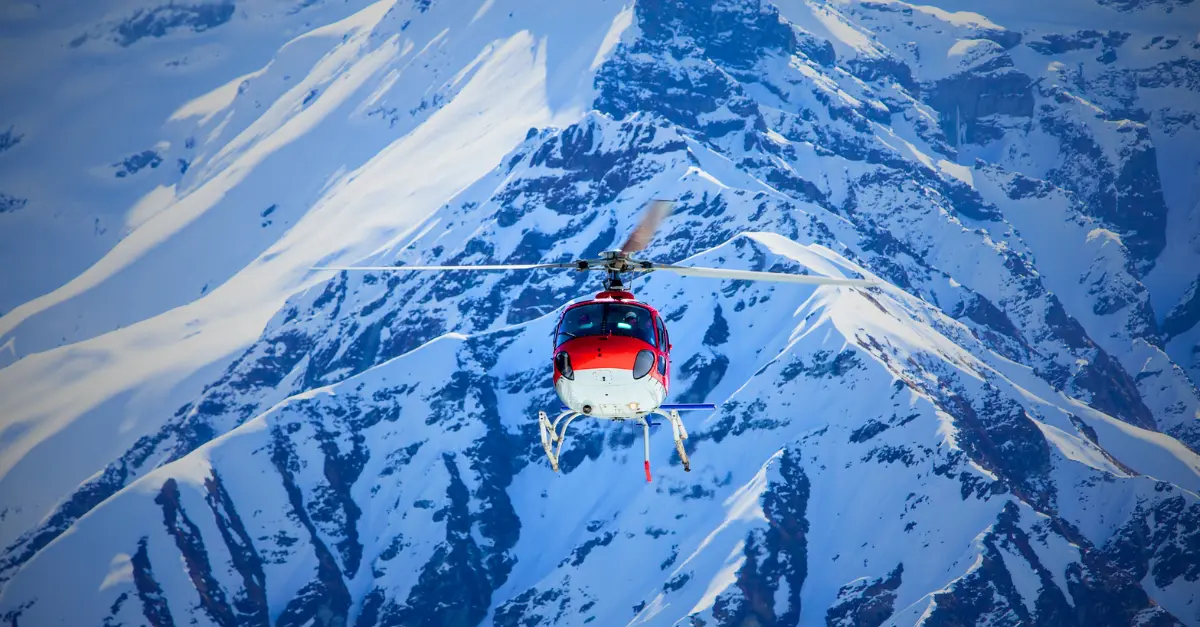
Langtang and Gosainkunda, the overlooked tour close to Kathmandu
The Langtang tour remains underrated compared to its neighbors, despite offering unbeatable proximity to Kathmandu, just about thirty minutes by air. The valley, rebuilt after the devastating 2015 earthquake, retains an authentic Tibetan charm, with its monasteries and Sherpa villages clinging to the mountainsides.
The tour generally flies over the village of Kyanjin Gompa, the Langtang Lirung glacier, then continues on to the sacred lakes of Gosainkunda, perched above 4,300 meters and revered by both Hindus and Buddhists alike. The morning light on these waters, frozen over in winter, produces some of the most striking shots in the whole country.
This circuit particularly appeals to travelers on a short layover, those who only have a day or two in Kathmandu but refuse to leave without having seen the Himalaya up close. Expect to pay on average 300 to 450 USD per person for a shared flight.
Muktinath, the express pilgrimage to the sacred temple
Heading to Mustang for this fifth circuit, both spiritual and spectacular. Muktinath is one of the most important pilgrimage sites in South Asia, jointly revered by Hindus and Buddhists, nestled above 3,700 meters in an arid, lunar landscape that contrasts sharply with the rest of the Nepali Himalaya.
The flight generally crosses the Kali Gandaki valley, considered the deepest gorge in the world, flanked on one side by the Annapurna massif and on the other by Dhaulagiri. This stretch of the route is arguably the most photogenic of all the tours listed here, with a striking contrast between ochre rock, eternal snow, and an intensely blue sky.
This tour often combines a spiritual visit with a Himalayan panorama in a single outing, usually departing from Pokhara, for a price ranging from 350 to 500 USD per person. An ideal option for travelers seeking meaning as much as scenery.
What to check before booking your flight
Before signing up for any of these tours, a few points are worth checking carefully, since Himalayan altitude and weather conditions leave no room for improvisation:
- Weight limit per passenger, often around 100 kg including luggage, with strict distribution depending on flight altitude.
- Weather buffer in your schedule: always allow for a spare day, especially during the monsoon, between June and September.
- Travel insurance covering helicopter flights and high altitude, essential and too often overlooked.
- Layered warm clothing, even if the flight seems short, since temperatures drop sharply above 4,000 meters.
- Mandatory early-morning departure, as winds typically pick up by late morning, making afternoon flights risky.
- Verification of the operator’s license with the Nepali civil aviation authority before making any payment.
One last point that’s often overlooked: flexibility. Last-minute cancellations due to weather are common, and a good operator should be able to reschedule the flight at no extra cost rather than simply refunding a fraction of the amount.
My take after several treks in the region
I have to admit a certain ambivalence toward these helicopter tours. When I hiked to Everest Base Camp, these aircraft flew over the trail almost every day, sometimes for medical evacuations, sometimes for tourists who’d come for the photo in just a few hours. There’s something a bit dizzying about crossing paths, after eight days of walking and patient acclimatization, with travelers stepping out at 5,500 meters straight from a helicopter, camera in hand.
That said, I fully understand the appeal. Not everyone has two weeks to spare for a trek, and not everyone has the physical condition to handle the daily elevation gain of the Khumbu. These tours democratize access to panoramas that used to be reserved for seasoned trekkers or climbers. My take: if your budget allows it, choose a package with an actual landing rather than a simple flyover — the experience on the ground changes everything. And if you can, combine both: a few days of walking in the valley, then a return flight by helicopter from Lukla, an increasingly common option among tired trekkers or those racing against their international return flight.