
Nepal has been limiting climbers since February 2026, and this isn’t just a simple administrative adjustment. The government has just passed a law that fundamentally changes the conditions for accessing Everest: climbers will now need to have already summited a Nepali peak above 7,000 meters before they can attempt the roof of the world, provide a medical certificate, and forget about solo ascents. I’ve followed this story closely, partly because I walked the trails of the Khumbu myself a few years ago, and I can tell you this reform responds to a very real urgency: the most mythical mountain on the planet was literally collapsing under the number of candidates, to the point of becoming dangerous for everyone, Sherpas included.
In this article, I’ll explain what really pushed Kathmandu to tighten the screws, what the new regulation actually changes, and what it means if you too dream of one day setting foot on that summit.
A mountain on the brink of saturation
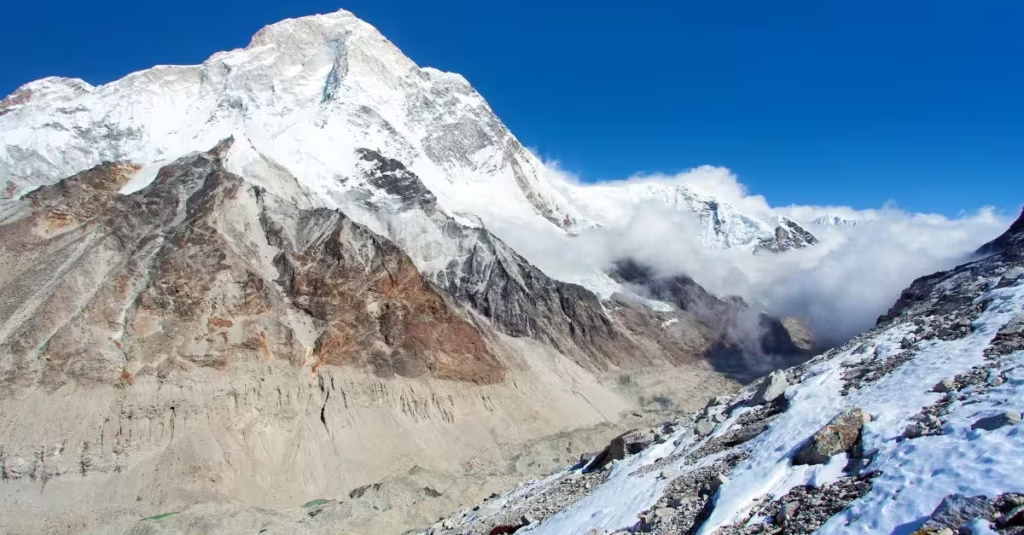
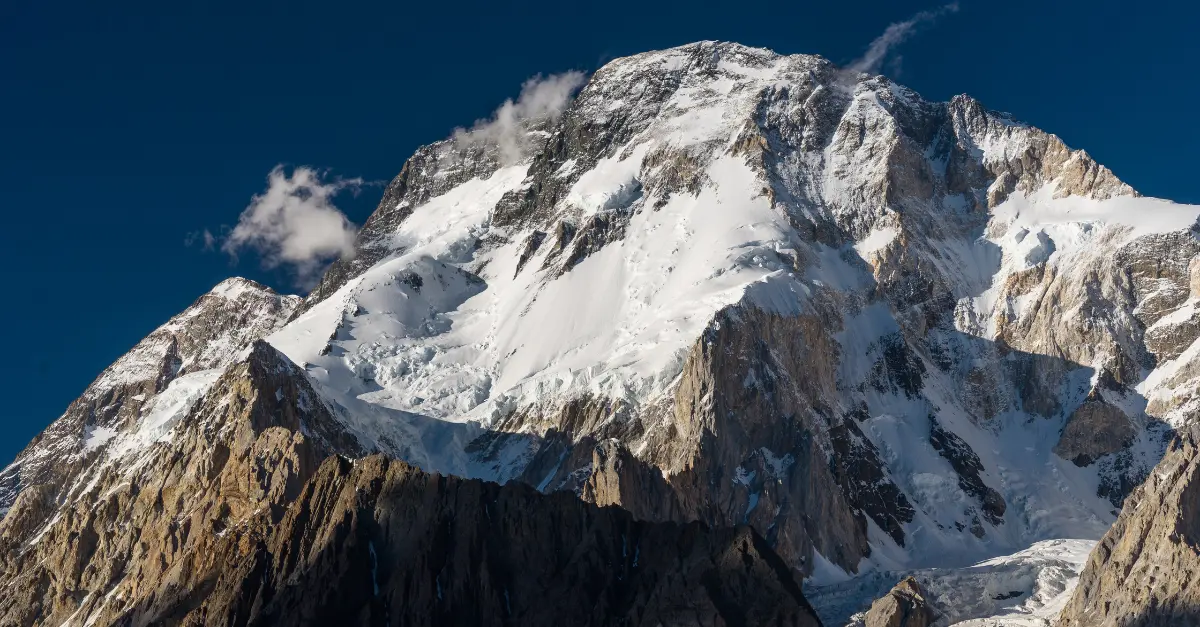
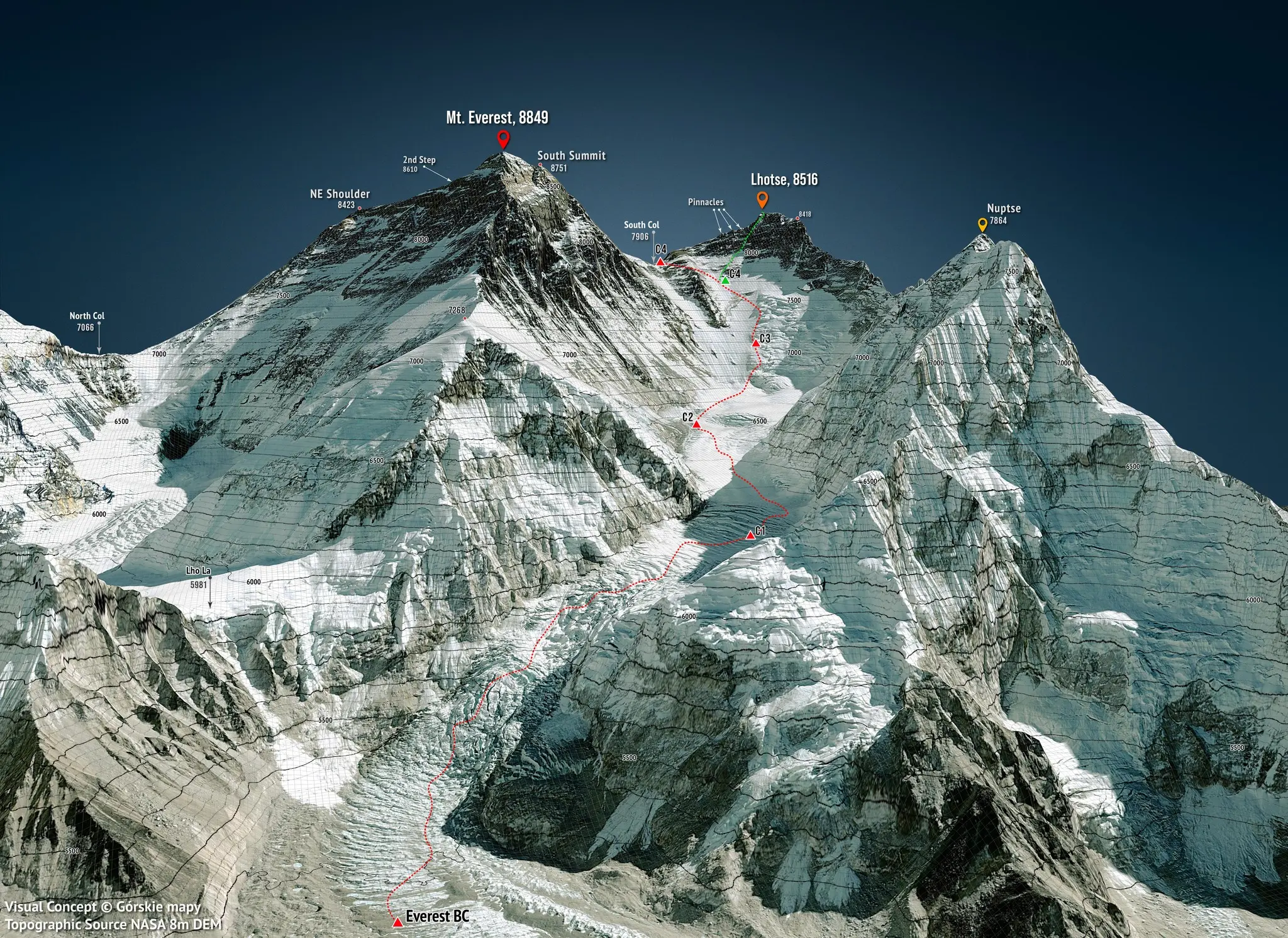
To understand why Nepal is limiting climbers today, we need to rewind a little. Everest, which rises to 8,849 meters on the border between Nepal and Tibet, draws several hundred candidates from around the world every spring. The problem is that this success has become its own worst enemy.
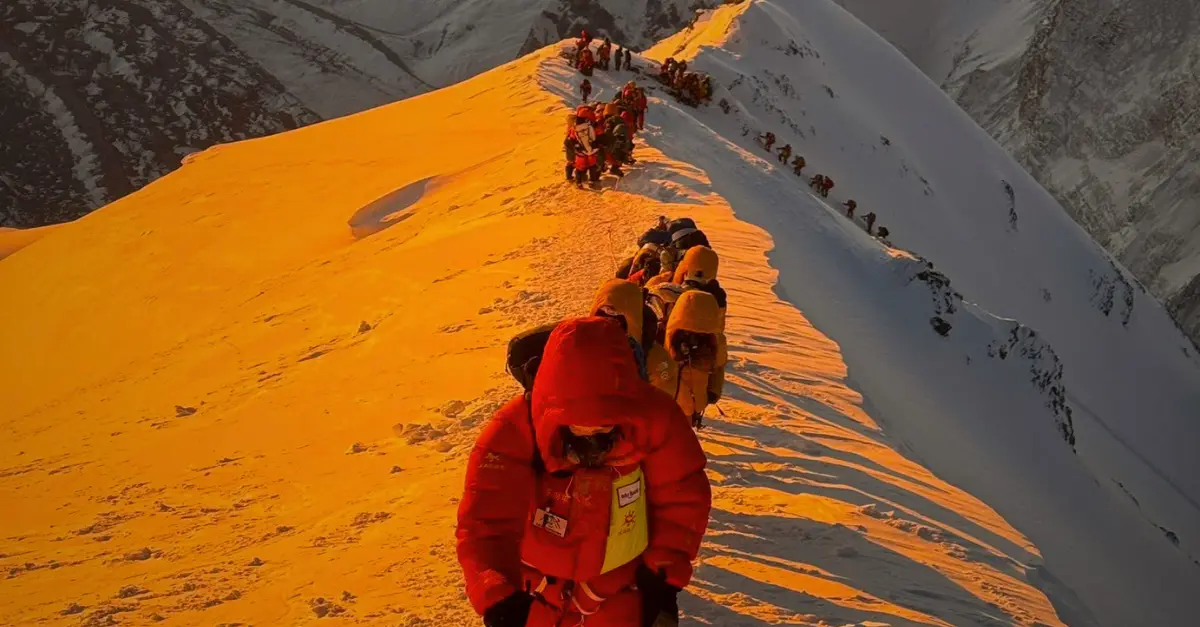
In 2023, Nepali authorities issued a record number of climbing permits, somewhere around 478 to 479 for the south side alone. That year will go down as one of the deadliest in the mountain’s history, with 18 confirmed deaths. The images that went around the world showed dozens of climbers crowded at the foot of ladders or fixed ropes, sometimes for hours, in what’s known as the death zone, above 8,000 meters, where every minute of waiting drains a little more oxygen and clarity of mind.
This scene wasn’t actually new. Back in 2019, a viral photograph had already shown an endless human line just below the summit, a traffic jam that contributed to eleven deaths that year. Since then, despite a few calmer seasons like 2024 (8 deaths) or 2025 (5 deaths), the topic never really leaves the headlines, and every spring brings its share of controversy over safety, waste left at altitude, and the pressure placed on Sherpa guides.
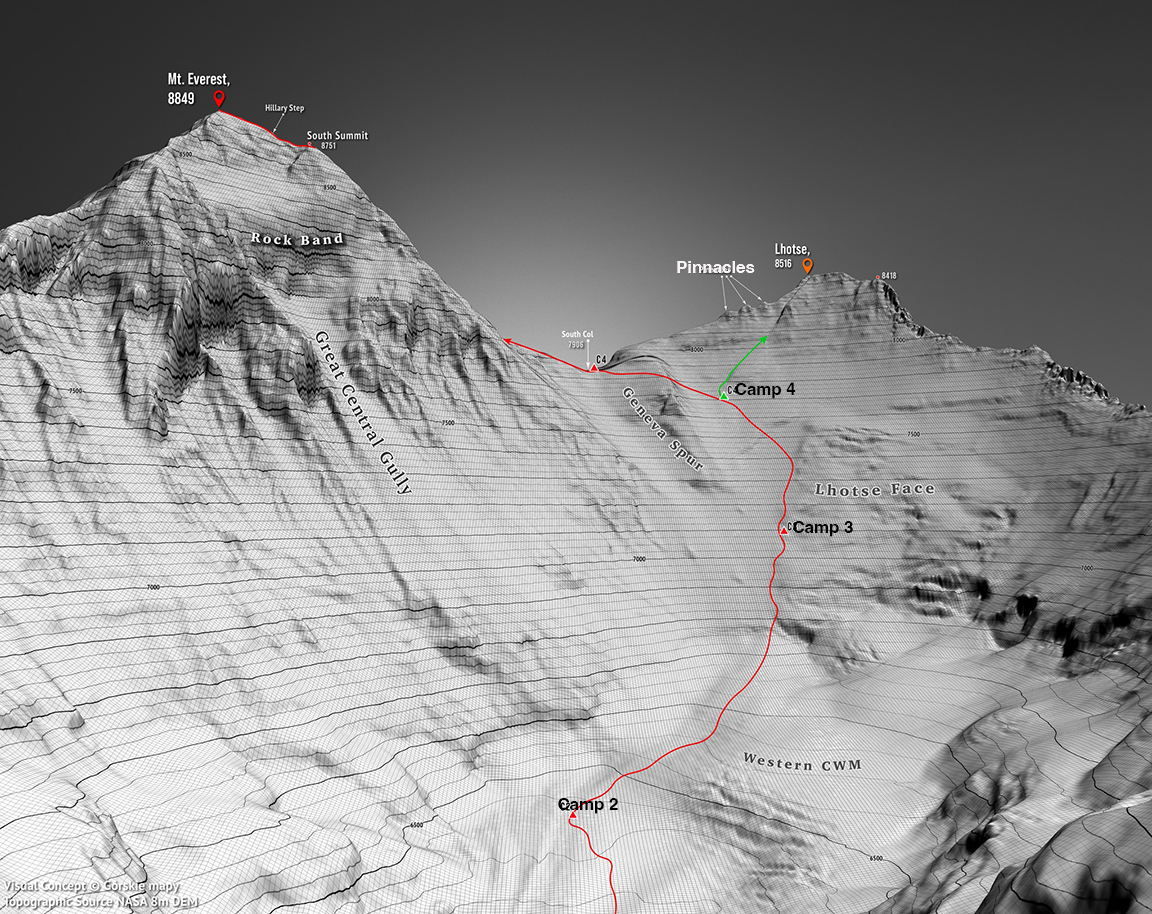
The symbol of the 2019 traffic jam
That image of the human queue has almost become the official illustration of the excesses of high-altitude tourism. It left such a mark that it’s still cited today in nearly every parliamentary debate in Kathmandu about regulating Sagarmatha, the Nepali name for Everest. The summit has also been nicknamed, somewhat cruelly, “the world’s highest garbage dump,” because of the oxygen bottles, tents, and organic waste that have piled up there for decades.
What the new Nepali law really changes
In February 2026, the upper house of Nepal’s Parliament passed a law that regulates high-altitude expeditions far more strictly. This isn’t a standalone measure but a set of rules that work together, all aimed at the same goal: reducing human pressure on the mountain while improving the safety of climbing teams.
Here are the main changes to remember:
- Mandatory prior experience: climbers will need to have already summited a Nepali peak of at least 7,000 meters before applying for an Everest permit.
- Medical certificate required: a document issued by a hospital or facility approved by the Nepali state, confirming the climber’s physical fitness.
- Ban on solo ascents: every expedition must now be accompanied, with no exceptions.
- Permit price increase: the fee rises from $11,000 to $15,000 per climber, an increase of about 36%, effective since September 2025.
- Mandatory waste removal: every climber must bring back at least 8 kilos of waste, under penalty of a fine of up to $4,000.
That last point isn’t a minor detail. The government has also unveiled, alongside the new law, a five-year plan to clean up Everest covering 2025-2029, the first long-term framework ever adopted on this issue with genuine political backing behind it.
Why the 7,000-meter threshold was chosen
This prior-experience requirement didn’t come out of nowhere. On the Tibetan side, in China, access to Everest has long been reserved for climbers who’ve proven themselves on another 8,000-meter peak, a bar even higher than the one set by Nepal. By settling on 7,000 meters, Kathmandu is aiming for a middle ground: curbing the riskiest applications without completely shutting the door on serious but less experienced climbers.
Funny enough, or rather telling: this isn’t the first attempt of its kind. Back in 1996, Nepal tried to impose a similar rule, set at 6,000 meters at the time, before abandoning it fairly quickly under pressure from local agencies and economic concerns. Thirty years later, the context has changed: traffic has exploded, tragedies have multiplied, and public opinion now seems more willing to accept tougher constraints.
My experience on the ground, at the foot of giants
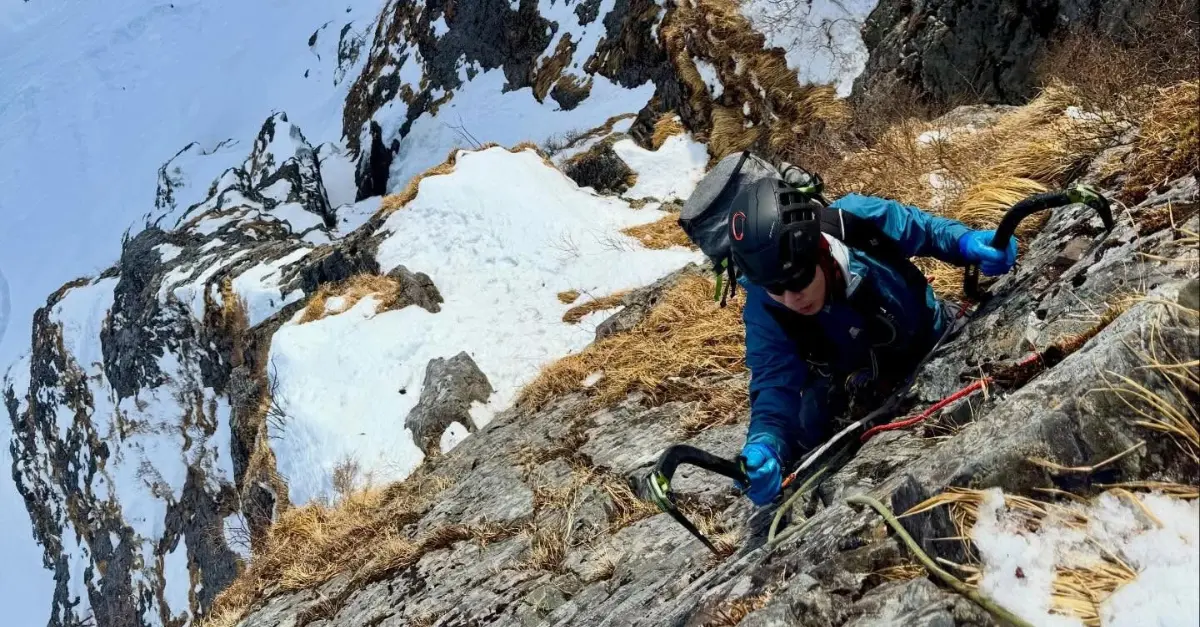
I have to admit something: before I started digging into this regulatory story, I’d already felt this saturation with my own eyes. During a climb in Nepal, right in the middle of spring season, I watched dozens of porters, loaded yaks, and departing climbers go by, some with brand-new gear and a physical condition that frankly left me puzzled. The local guides I talked to over ginger tea in Namche Bazaar didn’t hide it: some clients showed up with very little altitude experience, simply because they could afford an all-inclusive expedition.
My take on this, having seen it up close: this new law is late, but at least it’s finally here. You can’t keep selling access to the world’s highest summit the way you’d sell a ski pass. The mountain doesn’t negotiate with inexperience, and it’s often the Sherpa guides who pay the heaviest price for mistakes made by underprepared clients.
That same season also struck me for another reason: the emergence of ultra-fast expeditions using xenon, a gas with anesthetic properties supposedly meant to speed up acclimatization. A group of British climbers reached the summit in under five days, skipping the usual weeks of base-camp adaptation. For many observers in the climbing world, this innovation crystallized every fear: if it’s now possible to climb faster with less physiological preparation, the risk is drawing even more inexperienced candidates toward the most dangerous zone on the planet.
The deeper reasons behind this decision
Beyond safety, several layers of logic overlap in this reform. The first is obviously human: cutting down the number of deaths and accidents linked to inexperience and high-altitude bottlenecks. Himal Gautam, an official with Nepal’s Tourism Ministry, has explained that the goal of this new rule is to reserve the climb for the most experienced climbers, in hopes of reducing altitude-related accidents.
The second reason is environmental. With several hundred summits reached every season, somewhere between 600 and 800 people depending on the year once you count guides and porters, the mountain accumulates a volume of waste that local management capacity can no longer absorb. The requirement to bring back 8 kilos of waste, combined with the use of biodegradable bags for bodily needs, directly targets this problem.
Finally, there’s an economic and strategic dimension. Nepal welcomed around 1.1 million international visitors in 2025 according to the Nepal Tourism Board, and mountain tourism remains a key pillar of the local economy. By raising permit prices while potentially shrinking their number, the government is making a fairly clear bet: fewer climbers, but wealthier and better-prepared ones, keeping overall revenue stable or even growing. Himal Gautam also mentions the desire to diversify the peaks offered to foreign climbers, in order to spread economic benefits to other valleys beyond the already-saturated Khumbu.
Mass tourism in numbers
To grasp the scale of the phenomenon, a few figures help put things in perspective. Nepal is home to eight of the world’s fourteen peaks above 8,000 meters, making it an unavoidable destination for extreme mountaineering worldwide. Between 2012 and 2023, the average hovered around 5 to 7 deaths per season on Everest, with dramatic spikes such as the 2015 earthquake, which triggered deadly avalanches at base camp. The number of permits issued to foreigners went from 478 in 2023 to 421 in 2024, then 468 in 2025, a sign that traffic remains structurally very high despite repeated warnings.
What this means for future Everest candidates
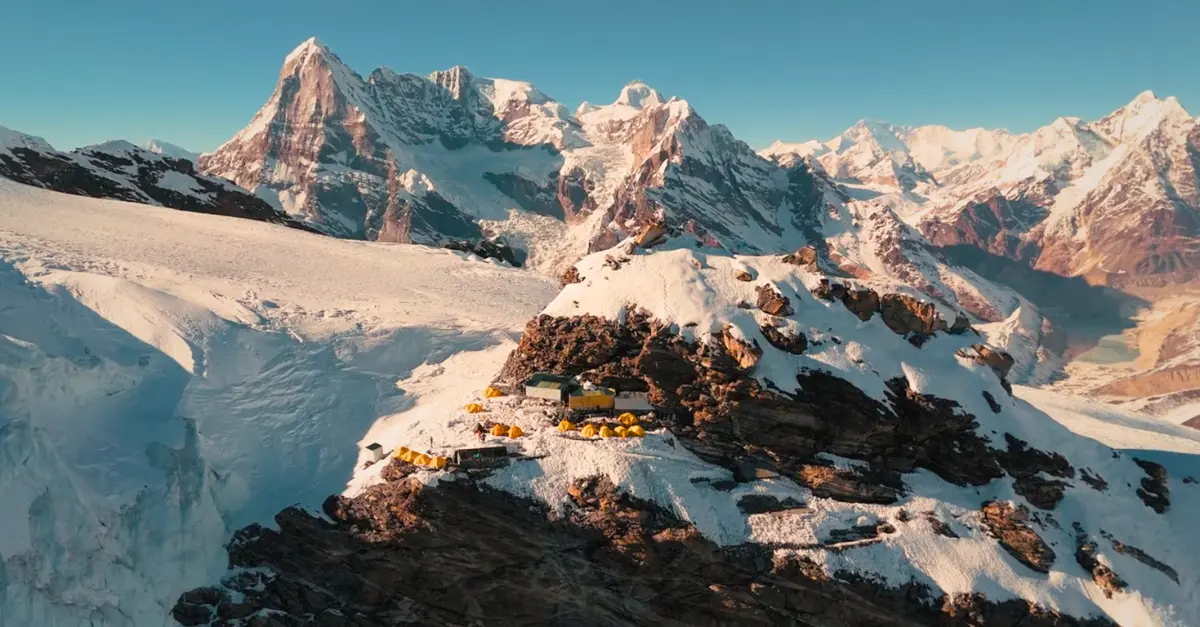
If you’re nursing a plan, even a distant one, to one day climb Everest, this reform clearly changes the game. In practice, you’ll now need to plan your path over several years rather than aiming straight for the ultimate summit. Nepali peaks like Ama Dablam, Baruntse, or certain summits in the Manaslu range above 7,000 meters become almost mandatory stepping stones, both technically and psychologically.
The budget to plan for also increases, with the permit now set at $15,000 versus $11,000 before, not counting the cost of that first qualifying expedition, guides, technical gear, and repatriation insurance. I fully back this logic of building up gradually: a climber who’s already handled extreme cold, altitude, and fatigue on a Nepali 7,000-meter peak inevitably arrives with reflexes no one can fake on the slopes of the roof of the world.
The ban on solo expeditions also changes the very philosophy behind certain attempts. Purists who dreamed of a fully self-sufficient ascent will now have to accept systematic supervision, which may frustrate part of the most experienced climbing community, used to lighter, freer styles of ascent.
Toward a more sustainable Himalaya, but one reserved for the wealthy?
This question comes up often in conversations I’ve had with other mountain enthusiasts. By tightening access while raising prices, Nepal risks turning Everest into an even more elitist summit, accessible only to clients able to invest tens of thousands of dollars across several consecutive seasons. Local agencies, for their part, fear a drop in the number of permits issued, meaning less direct income for Khumbu communities that largely depend on trekking and mountaineering.
The government, for its part, seems to be betting on a different balance: fewer people, but a safer and more sustainable experience for both the mountain and local communities. It remains to be seen whether this reform will hold over time, given that the similar 1996 attempt was abandoned under economic pressure after just a few seasons.
Frequently asked questions
When does the new law limiting climbers take effect?
The new rules are being rolled out in stages depending on which part of the legislative reform is concerned.
- The political timeline: The overall regulatory text was officially passed by the upper house of Nepal’s Parliament in February 2026.
- A gradual rollout: The purely financial measures, particularly the revised climbing permit fees, have already been in effect since September 2025. The more restrictive part, however, concerning the requirement to have completed prior technical experience on a 7,000-meter peak, now applies in full to current and future waves of expedition permit applications.
Do you really need to have climbed an 8,000-meter peak to attempt Everest?
No, Nepal maintains an intermediate access threshold, slightly less restrictive than its Chinese neighbor.
- The rule in Nepal: The selection criterion adopted by the Kathmandu government requires Everest hopefuls to have previously reached the summit of a mountain of at least 7,000 meters (located in Nepal).
- Comparison with Tibet: This regulation remains one notch below the policy enforced by Chinese authorities on the north side (Tibet). On that side of the border, China has strictly required, for several seasons now, the completion of a peak above 8,000 meters before climbers can attempt Everest.
How much does an Everest climbing permit cost in 2026?
The cost of accessing the roof of the world has just undergone its first major price hike in a decade.
- The official fee amount: In 2026, the individual government permit fee now stands at $15,000 per climber, up from $11,000 in previous seasons, marking a substantial increase of about 36%.
- What the price doesn’t include: It’s crucial to remember that this sum is simply an administrative fee paid to the Nepali state for the right to climb. This amount covers absolutely none of the agency’s logistics, the salaries of Sherpas and high-altitude guides, emergency oxygen bottles, food, or the technical gear essential for survival during the two-month expedition.
Does this limitation apply only to Everest, or to all Nepali peaks?
While Everest is the law’s primary target, its underlying philosophy aims to restructure the entire mountaineering sector.
- The critical case of Everest: The quota measures primarily target the planet’s highest point, which draws the most international criticism over overcrowding, bottlenecks in the death zone, and waste management issues.
- A tourism decentralization plan: Nevertheless, this law is part of a broader overhaul of Nepal’s mountain tourism code. The authorities’ long-term goal is to use these constraints to encourage climbers and international agencies to redirect their financial and human flows toward other neglected ranges and valleys, home to massive 6,000- or 7,000-meter peaks that are just as technical but far less crowded.