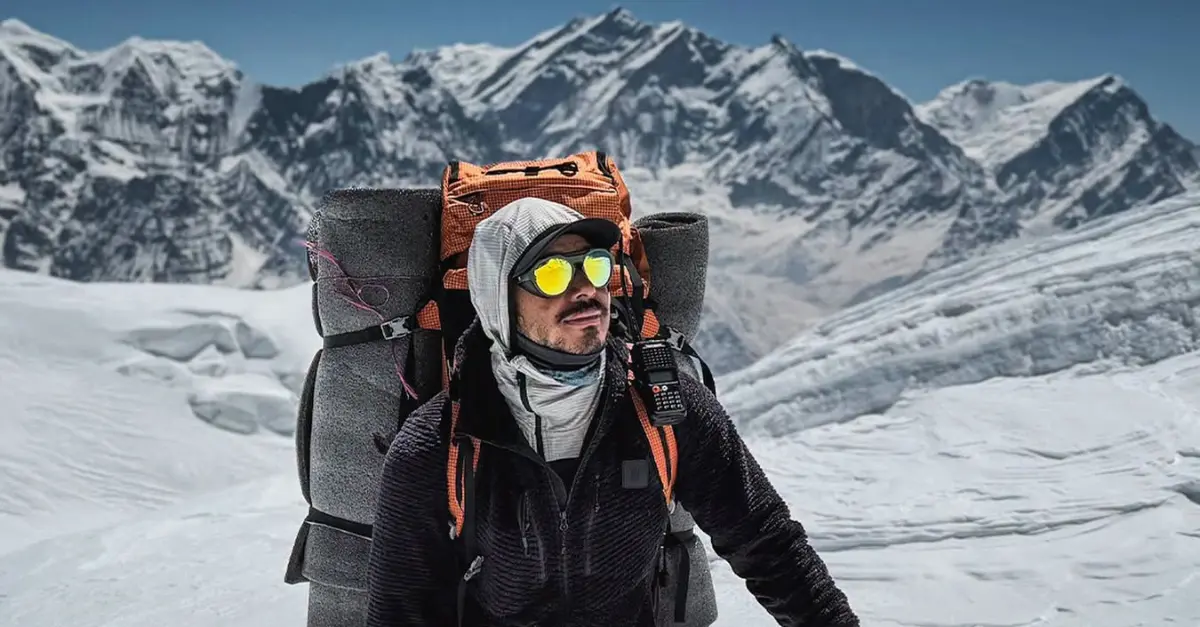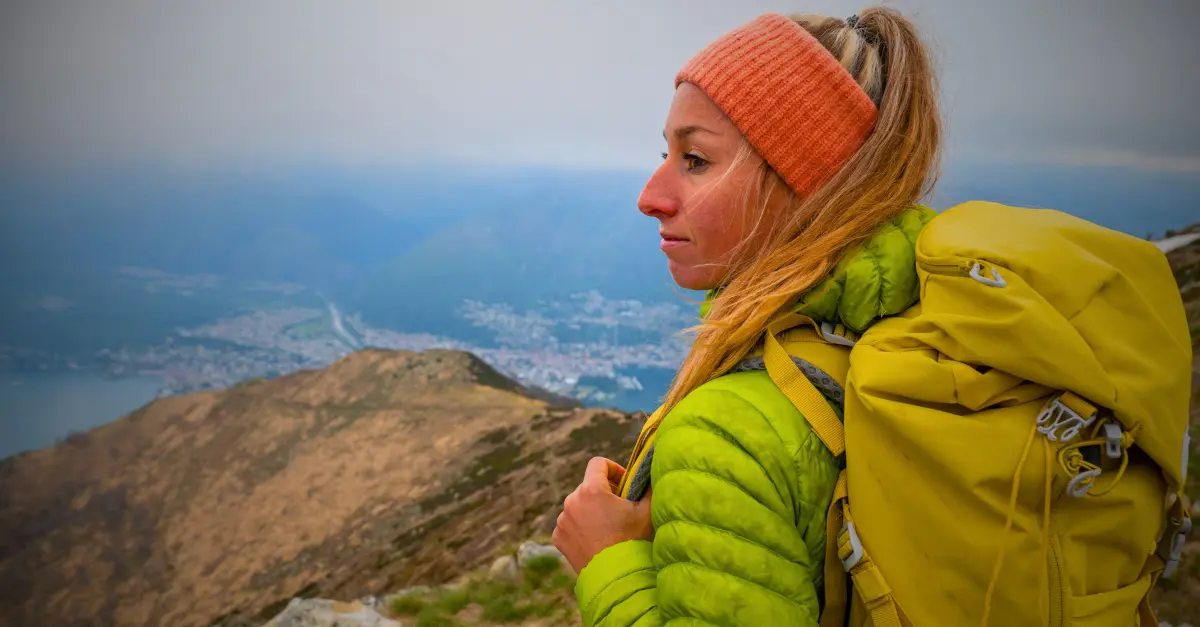

Travel influencers overtourism is a connection you can no longer ignore in 2026. I’ll say it plainly: yes, content creators play a real part in pushing certain natural sites past their breaking point, but they’re only one gear in a much bigger machine. A single video that racks up three million views can turn a quiet trail into a crowded attraction within weeks.
I’ve watched this happen with my own eyes, across several continents, over years of trekking. This isn’t nostalgia for some idealized “before.” The numbers back it up, park rangers and site managers keep raising the alarm, and locals in affected destinations live with the fallout daily, sometimes with real frustration. In this article, I’ll walk through how this phenomenon snowballed, what damage it’s doing on the ground, and what’s finally starting to change.
When one viral photo changes a place forever
It almost always starts the same way. A hiker, a traveling couple, or a professional creator posts a photo or clip of a once-obscure spot. The post performs well, the algorithm loves it, and within days the place becomes an “Instagrammable” destination that everyone wants to check off their list. The catch is that none of these platforms ever show the two-hour queue, the overflowing parking lot, or the trail turned into a hiking highway.
This mechanism isn’t unique to Instagram either. TikTok now plays at least as powerful a role, thanks to short formats that create a sense of instant accessibility. A remote alpine viewpoint suddenly feels within reach for everyone, even though it actually demands real physical preparation and logistics. That exact dynamic is what’s blown up visitor numbers at sites around the world.

Why the algorithm loves dramatic landscapes
Social platforms run on engagement, and nothing generates more likes than a saturated, colorful landscape with a tiny human figure for scale. That kind of content checks every box: instantly recognizable, envy-inducing, and shareable. The result is that the same viewpoints keep resurfacing in everyone’s feed, creating a collective bucket-list effect where thousands of people want to recreate the exact same shot, at the exact same spot, often during the exact same season.
Geotagging has only made this worse. It used to take local knowledge to find a place. Now one tap on a location pin delivers the full route, peak-crowd times, and even the best camera angle, thanks to dedicated accounts built around exactly that. This democratization of location data has its upsides, but it has also wiped out the friction that used to naturally protect the most fragile sites.
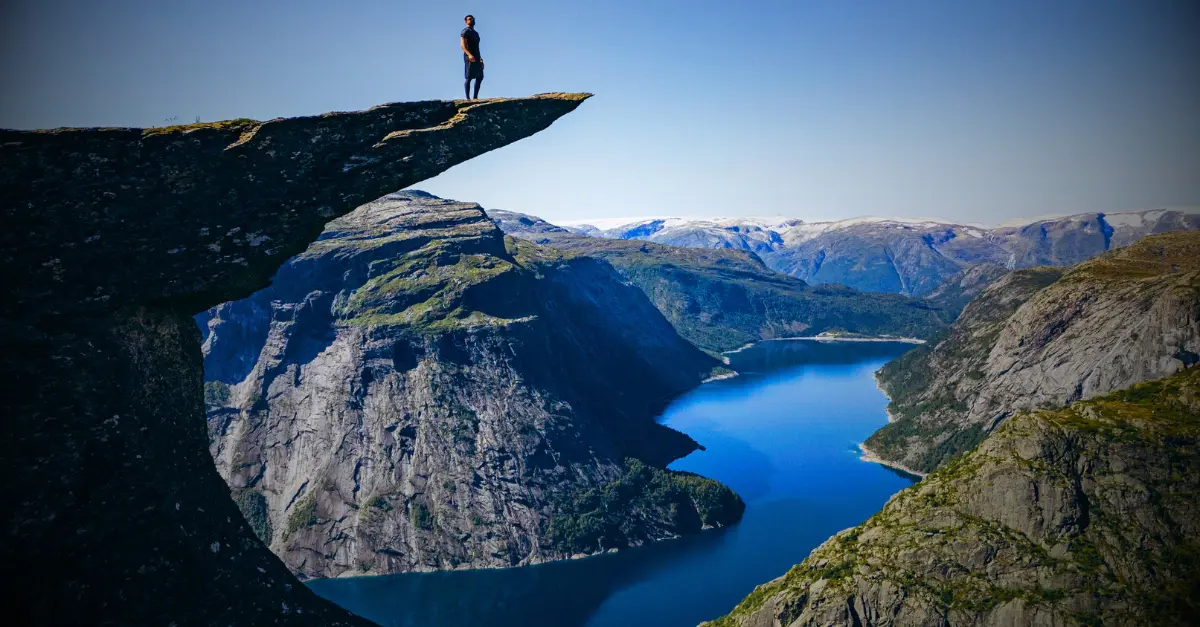
To get a sense of scale, just look at how many posts pile up under a single hashtag. The tag #trolltunga alone has racked up more than 150,000 posts on Instagram, a number that says a lot about the copycat-photo dynamic at play. As the French association AIFE points out in its analysis of the phenomenon, Instagram often becomes a convenient scapegoat, since many of these sites were already struggling with high visitor numbers long before social media entered the picture. The smartphone didn’t invent the problem from scratch, it mostly made it visible and sped it up at an unprecedented pace.
Sites overwhelmed within months
The real-world examples aren’t hard to find, and a few have become textbook cases. Norway’s Trolltunga, the rock ledge jutting out above Lake Ringedalsvatnet, drew around 800 visitors a year in the early 2010s. Today, that figure sits at roughly 80,000 to 90,000 hikers per season, a jump directly tied to the viral spread of photos online. Norwegian authorities have had to respond by stationing rangers along the trail full-time and introducing a toll for vehicles using the road up to the parking areas.
In France, Étretat tells a similar story on a smaller scale. A rock formation nicknamed “The Panda’s Eye,” a purely invented marketing name, has become a must-visit attraction thanks to social media buzz. The town itself has only 1,300 residents, yet sees more than a million tourists pass through every year, on top of a growing wave of cruise passengers bused in from the port of Le Havre.
In Paris, the picturesque Rue Crémieux faces a comparable squeeze. What was once a quiet residential street lined with pastel houses has turned into such a sought-after backdrop that a dedicated account, Club Crémieux, now documents the sometimes absurd scenes of influencers posing in the middle of the road, much to the frustration of residents who struggle just to get home.
What foot traffic really costs trails and wildlife
Behind the polished aesthetics of these photos, the ecological reality is far less glamorous. Intensive foot traffic compacts soil, strips away humus, and stops vegetation from regenerating properly. In the mountains, this is even more of a problem: at 1,700 meters of elevation, it takes between 15,000 and 40,000 years to rebuild just 10 centimeters of soil. So damage accelerated by overcrowding is, on a human timescale, essentially irreversible.
Corsica’s GR20, one of Europe’s most demanding and most photographed treks, logged more than 136,000 overnight stays as early as 2021 according to the Corsica Regional Nature Park, a record that has only climbed since. That kind of pressure pushes hikers to carve out unofficial side trails the moment the official route gets too crowded, fragmenting habitats and multiplying eroded areas in the process.
Wildlife doesn’t escape unscathed either. Repeated human presence triggers genuine chronic stress in many species: more energy spent fleeing, higher rates of failed reproduction, and outright abandonment of otherwise suitable territory. Here are the impacts most commonly documented by managers of protected natural areas:
- Soil erosion caused by repeated compaction and loss of organic matter
- Unofficial trail creation that fragments natural habitats
- Wildlife disturbance, with birds and mammals abandoning certain zones
- Physical pollution of waterways and growing waste, including human waste
- Higher wildfire risk, especially during dry summer months in certain ranges
- Visible landscape degradation that struggles to recover season after season
Locals caught between pride and frustration
Overtourism fueled by social media doesn’t just damage scenery, it upends the daily lives of the people who actually live there. The rise of short-term rentals, often far more profitable for owners than long-term leases, drives up housing costs and effectively pushes some residents out of their own neighborhoods.
In June 2025, local collectives coordinated by the Southern Europe Network Against Touristification staged protests across several well-known cities: the Canary Islands, San Sebastián, Barcelona, Ibiza, Mallorca, Menorca, Genoa, and Venice. That movement wasn’t a fringe event, it reflects a genuine fatigue with tourist flows that feel uncontrollable, amplified by content going viral online.
I’ve talked with residents during my own travels, and the sentiment that comes up most often isn’t hatred of tourism itself, it’s the feeling of having no say in flows that are growing faster than local infrastructure can possibly keep up with.
That frustration shows up just as much in major cities as in remote villages. In Bali, the heavy concentration of visitors in spots like Canggu, Ubud, and Seminyak has pushed rents up so much that some locals now struggle to find housing in their own village. It’s a pattern that repeats from one destination to the next: tourism’s economic upside rarely trickles down fairly to the people absorbing most of the day-to-day disruption.
My experience on the ground
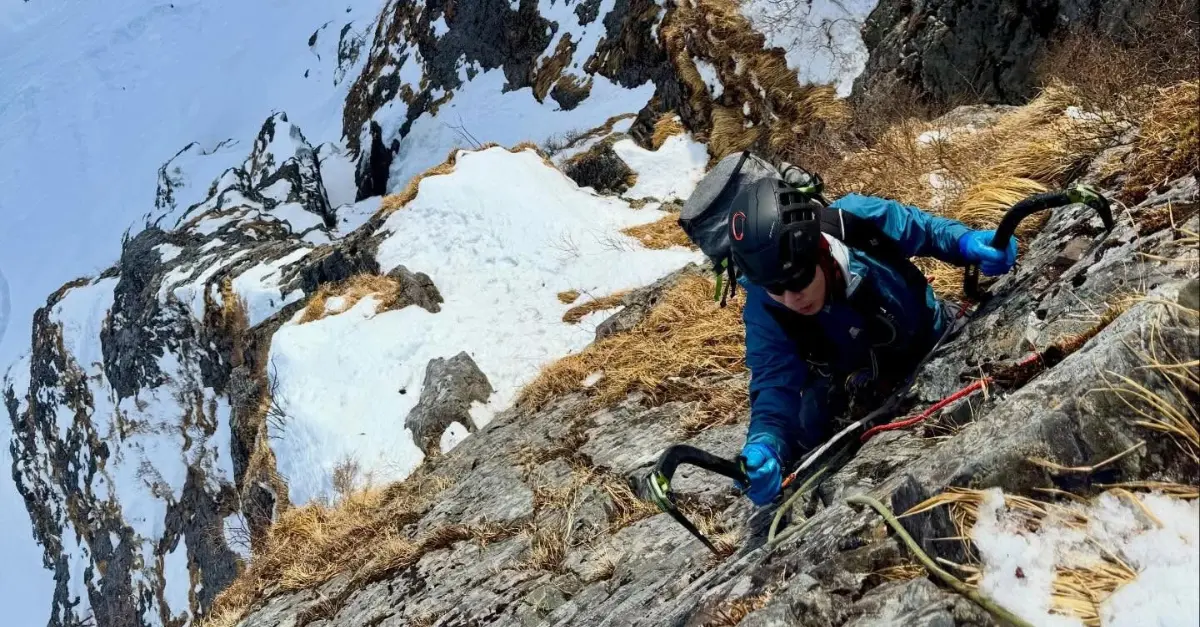
I remember a trek in Norway a few years back where I’d planned to camp quietly near a viewpoint I assumed would be fairly empty. On arrival, surprise: a dozen tents were already pitched in that exact spot, every single one angled to capture the same shot from a post that had gone viral months earlier. It felt nothing like a quiet immersion in nature, more like an organized campsite built around one photo.
More recently, while hiking in the Hauts de Chartreuse, I noticed tent camping has been banned outright, a measure brought in after dozens of tents started colonizing the alpine pastures every summer, disrupting grazing and generating more waste than the site managers could realistically handle. My honest take: restrictions like this are frustrating for experienced hikers, but they’re becoming necessary once self-regulation simply stops working.
Bali, Maya Bay, Venice: the destinations that became symbols of mass tourism
A handful of places have ended up embodying the scale of this issue, almost in spite of themselves. Their common thread: an extremely photogenic look that accelerated their social media exposure well beyond what they were ever built to handle.
Bali, an island running out of room to breathe
The Indonesian island crossed the threshold of 7 million international visitors in 2025, a 75% jump compared to 2015, packed into an island under 6,000 square kilometers with a local population of roughly 4 million. The rice terraces of Tegalalang, Ubud’s Monkey Forest, and the beaches of Canggu, all over-represented on travel accounts, absorb most of that pressure. In response, travel agency Evaneos decided in 2026 to stop promoting eight of the island’s most saturated sites, with the explicit goal of cutting their visitor numbers in half by 2030. Balinese authorities have meanwhile introduced a tourist tax, temporarily frozen certain hotel construction projects, and banned single-use plastics.
Maya Bay, the beach closed to heal
In Thailand, the beach made world-famous by film and then by millions of shared photos saw such heavy traffic that authorities had to shut it down entirely for roughly two years to let coral damaged by constant boat and swimmer traffic recover. That drastic call made international headlines and is still cited today as a textbook example of crisis management in tourism.
Venice and Rome: the end of free admission
Venice has banned cruise ships over 180 meters and 25,000 tons from entering its historic center since 2021. In Rome, starting in February 2026, visitors wanting to access the Trevi Fountain now have to pay a two-euro fee. These kinds of measures, unthinkable a decade ago, show just how far Europe’s most photographed cities are now willing to go to regulate rather than simply absorb every visitor that shows up.
Are influencers really the only ones to blame
It would be unfair to pin this entirely on content creators. Overtourism predates Instagram by a long way: the rise of low-cost airlines in the 2000s already made long-haul travel accessible to a far wider public. Social media mostly acted as an accelerant, not as a standalone cause.
Some creators actually push back in the other direction, raising awareness within their own communities, deliberately blurring fragile locations, or refusing to geotag certain wild spots. In Canada, for instance, a satirical page that started out mocking ridiculous nature poses ended up using its audience of over 150,000 followers for genuine environmental advocacy, a shift I find genuinely encouraging. In France, the government even unveiled a 2025 plan to manage tourist flows that directly enlisted French-speaking influencers to help spread more responsible travel messaging. It’s an interesting approach, though whether it actually works long-term remains to be seen.
Toward more responsible travel: what’s already changing
The good news is that things are genuinely starting to shift. Daily quotas, entry fees, voluntary demarketing of overexposed spots, bans on wild camping in the most fragile zones, beefed-up ranger patrols: site managers aren’t just absorbing the viral spike anymore, they’re getting ahead of it. Some specialized accounts have even started publicly calling out the worst behavior, turning part of the travel community into watchdogs rather than just consumers of pretty images.
On my end, I’ve increasingly leaned toward off-peak seasons and alternative routes that get less exposure, a habit I’d recommend to any hiker who cares about preserving the places they visit. If this topic interests you, I’ve also covered some core principles of responsible trekking in our internal guide on preparing for a high-altitude trek, which pairs well with this piece.
For more on the mechanics behind overtourism, you can check the reference entry on Wikipedia’s overtourism page and the investigation published by RTS on the situation in Bali, two sources I drew on while researching this piece.
FAQ
Are influencers legally responsible for overtourism?
No, there is currently no global or national legal framework that holds a content creator accountable for crowding at a site.
- No legal liability: No current legislation allows influencers to be held responsible for the tourist flows generated by publishing their photos or videos online. Freedom of expression and sharing remains the rule across digital platforms.
- Voluntary charters emerging: Given the real impact viral images have on ecosystems, many tourism boards and national parks now work directly with content creators. They encourage them, on a voluntary basis, to adopt eco-responsible practices, such as removing precise geotags from photos of fragile natural sites or adding environmental awareness messaging to their captions.
How can I tell if a destination is suffering from overtourism before I go?
A bit of simple digital research lets you gauge how saturated a site is before booking your trip.
- Check the digital footprint: Look at the volume of posts tied to the location’s hashtags or geotags on major social platforms. A sudden spike in recent content is a reliable sign of heavy traffic. Also check traveler review platforms for keywords related to crowds, waiting times, or congestion.
- Adjust your timing: To avoid contributing to the peak periods that overwhelm local infrastructure, try planning your visits outside school holidays, favor the off-season or weekdays, and aim for off-peak hours, such as early morning or late afternoon.
Are there viable alternatives to the most overcrowded tourist sites?
Yes, there’s almost always an equally stunning, far less crowded alternative nearby.
- The Bali textbook case: On the Island of the Gods, the famous Tegalalang rice terraces suffer from extreme tourist saturation. By contrast, the Jatiluwih rice terraces, a UNESCO World Heritage site, offer agricultural landscapes on an even grander scale while keeping a peaceful, authentic atmosphere far from the crowds.
- The few-kilometers rule: Generally speaking, moving just a few kilometers, or a few minutes’ walk, away from the viewpoints and “photo spots” that dominate everyone’s feed is enough to find similar scenery where tourist pressure is virtually nonexistent.
Should I feel guilty about visiting places that became popular because of social media?
Not necessarily, what matters isn’t where you go but how you behave once you’re there.
- Be mindful of your impact: It’s entirely legitimate to want to see a spectacular landscape with your own eyes after discovering it on a screen. That said, visiting these flagship sites comes with greater responsibility on the traveler’s part not to worsen the degradation of the environment.
- Adopt the right habits: You can make a real difference by carefully following local guidelines: always stay on marked trails to avoid trampling vegetation, manage all of your waste responsibly, and shop at traditional local businesses so the economic benefits flow directly to the communities dealing with the downsides of this popularity.