
Winter ascent 8000m, these three words alone are enough to chill the blood of even the most seasoned climber. While most mountaineers wait for spring or autumn to attempt a Himalayan summit, a handful of diehards deliberately choose the worst possible season: one where the cold drops below -50°C, where the wind exceeds 200 km/h, and where night swallows almost the entire day. I fell into this obsession almost by accident, following the winter expeditions on K2 a few years ago, and I haven’t been able to let go of it since. This article explains who these climbers really are, why winter changes absolutely everything at extreme altitude, and what separates a legendary feat from a tragedy still discussed decades later.
Of the fourteen peaks above 8000 meters on the planet, all have now been climbed in winter, the most recent being K2 in January 2021 by a Nepali team that made history. But this statistic hides a brutal reality: behind every winter first ascent lie years of failed attempts, expeditions cut short by impossible winds, and sometimes lives lost in near-total public indifference.
Why winter changes absolutely everything at high altitude
People often think climbing in winter just means the same ascent with more layers. That’s a beginner’s mistake, and I say this with all the more conviction because I used to think the exact same thing before digging into the subject seriously. Winter turns the mountain into an environment nearly hostile to all forms of life, where every normally manageable factor becomes a deadly threat.
Extreme cold and wind that show no mercy
Above 8000 meters, climbers enter what’s known as the death zone, where available oxygen is barely a third of what you’d find at sea level. In summer, temperatures there already hover around -20 to -30°C. In winter, they regularly plunge below -50°C, and with the wind chill factored in, the perceived temperature can reach values almost unimaginable for the human body.
The jet-stream wind, that atmospheric current which descends over the Himalaya and Karakoram in winter, can blow at over 200 km/h at the summit. At that speed, it’s no longer simply uncomfortable: it’s a factor that can literally rip apart a tent, freeze a face in seconds, or completely disorient a climber already exhausted by altitude. Reinhold Messner, one of the living legends of Himalayan mountaineering, has often pointed out that winter is the hardest season in high mountains because of the violent winds typical of that period, an observation now confirmed by nearly every documented winter expedition.
Shorter days, a tiny weather window
The other trap of Himalayan winter is light. Days are short, sometimes barely eight or nine hours of daylight, which drastically reduces possible climbing windows. A climber setting off for a summer summit in the middle of the night would still have some margin; in winter, the same timing mistake can mean spending an improvised night above 8000 meters, which almost always amounts to a death sentence.
Favorable weather windows, those short stretches of a few days when the wind drops enough to consider a summit push, are also far rarer in winter. Teams can stay stuck for weeks at base camp, watching forecasts, waiting, doubting, before an opportunity finally appears, sometimes for only 24 or 48 hours.
Who are these climbers capable of facing the impossible
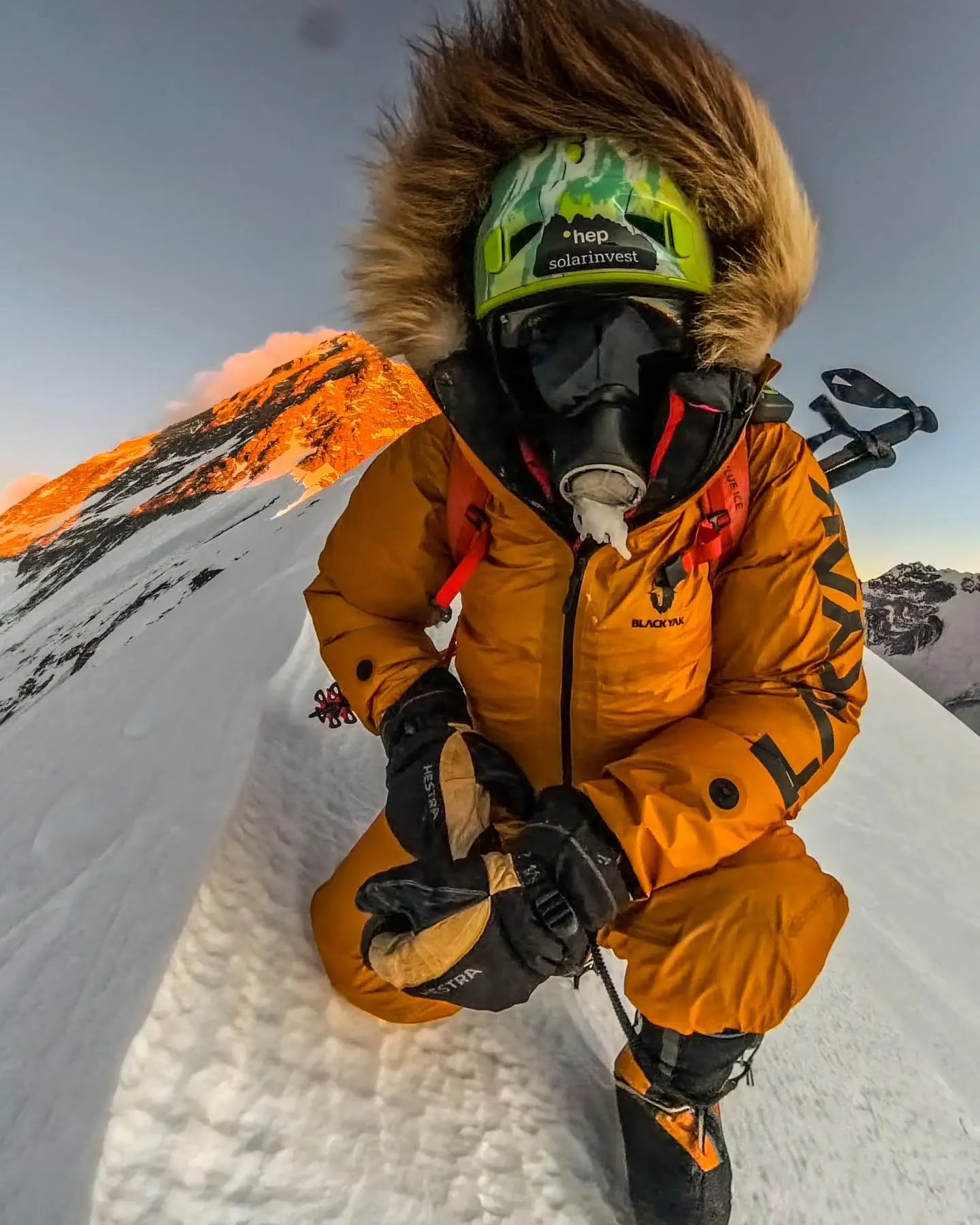
What fascinates me most about this discipline isn’t so much the physical performance as the psychological profile of these climbers. You don’t become a specialist of the Himalayan winter by accident. It’s a discipline of its own, almost a subculture within mountaineering itself, with its own legends and its own history.
The Polish pioneers, legends of the Himalayan winter
It’s impossible to talk about winter ascent 8000m without mentioning the Polish school. In the 1980s, while the country lived under communist rule and foreign currency was desperately scarce, Polish climbers developed a radically different approach to the Himalaya: they attempted winter ascents often because it was the only period when they could get an expedition permit at a lower cost, and because their temperament pushed them toward the extreme.
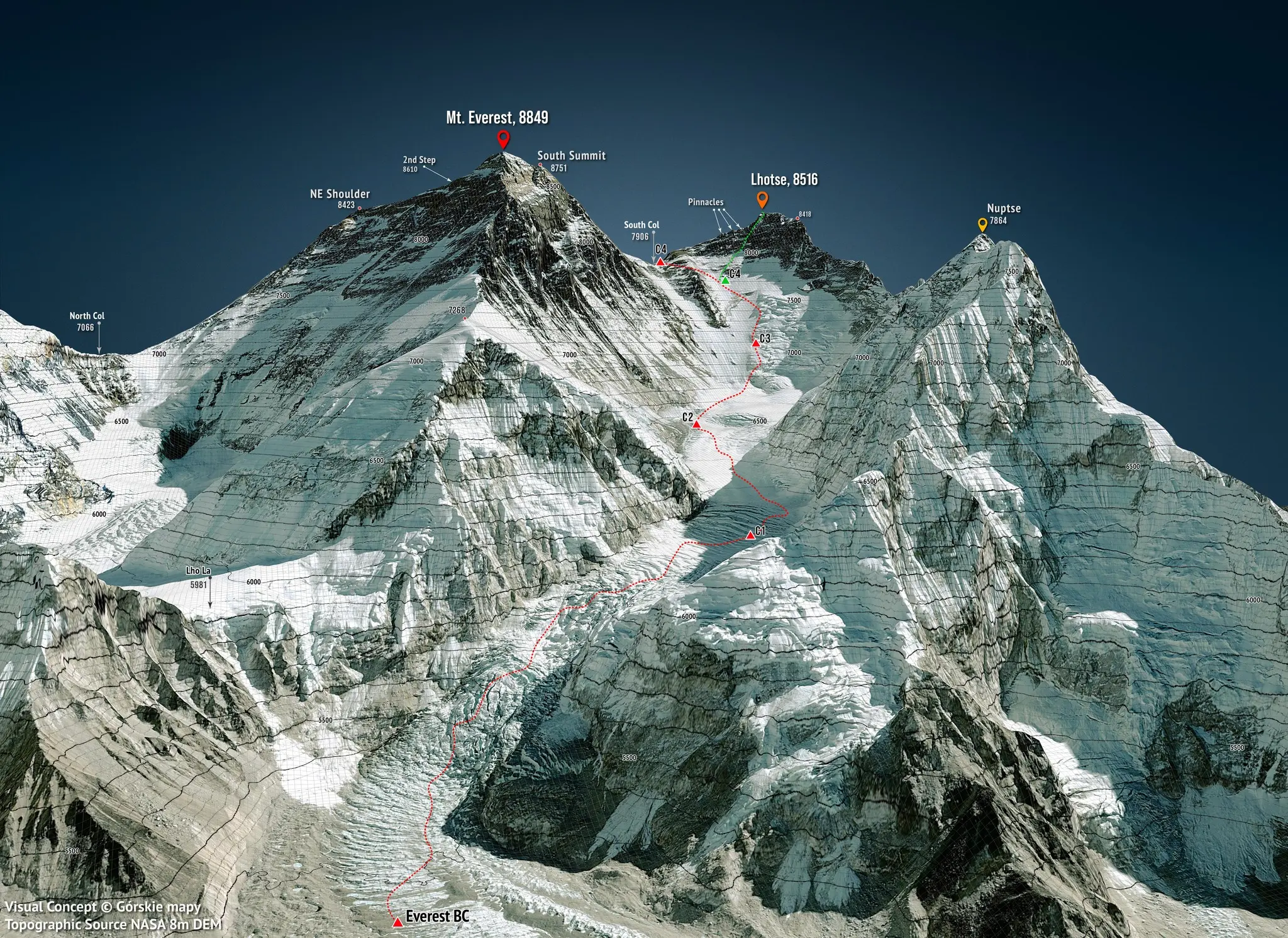
Krzysztof Wielicki led the first winter ascent of Everest in February 1980, a feat that opened the door for an entire generation. He and his fellow climbers, nicknamed at the time the “ice cowboys” by the Western press, went on to string together winter first ascents on Kangchenjunga, Dhaulagiri, and Lhotse, building a record that remains difficult to match today. You can find the details of these historic ascents on the reference database for Himalayan mountaineering, The Himalayan Database, which has logged every expedition for decades.
The new generation, Nepali and international
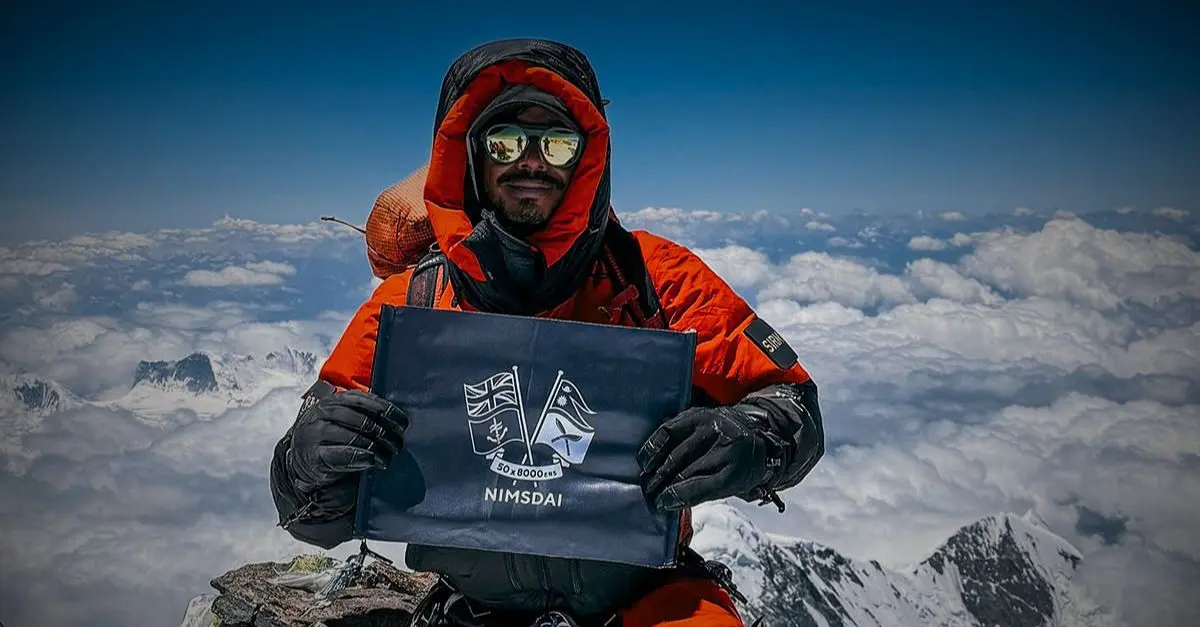
For a long time, Himalayan winter remained an almost exclusively Polish domain. Then, in January 2021, everything changed. A team of ten Nepali climbers, led notably by Nirmal Purja and Mingma Gyalje Sherpa, achieved the first winter ascent of K2, the peak long considered technically the most inaccessible in winter. This feat marked a powerful symbolic shift: it reminded the world that Sherpa and Nepali climbers, often reduced to the role of porters or guides in the Western imagination, were themselves elite mountaineers, capable of pushing the discipline’s limits.
Today, the typical profile of the winter climber blends both traditions: an almost military rigor inherited from the Polish school, and an intimate knowledge of the terrain typical of the best Nepali and Pakistani mountaineers. They’re often professionals who make their living from the mountains year-round, guides or instructors, who dedicate winter to their own personal projects rather than to clients.
The 8000m peaks still untouched in winter, or nearly so
While all fourteen peaks have now seen a successful winter ascent, some remain open challenges, either because they’ve only been climbed once in winter, or because the route used is still contested or considered incomplete by purists. Here’s an overview of the peaks that still spark debate in the community:
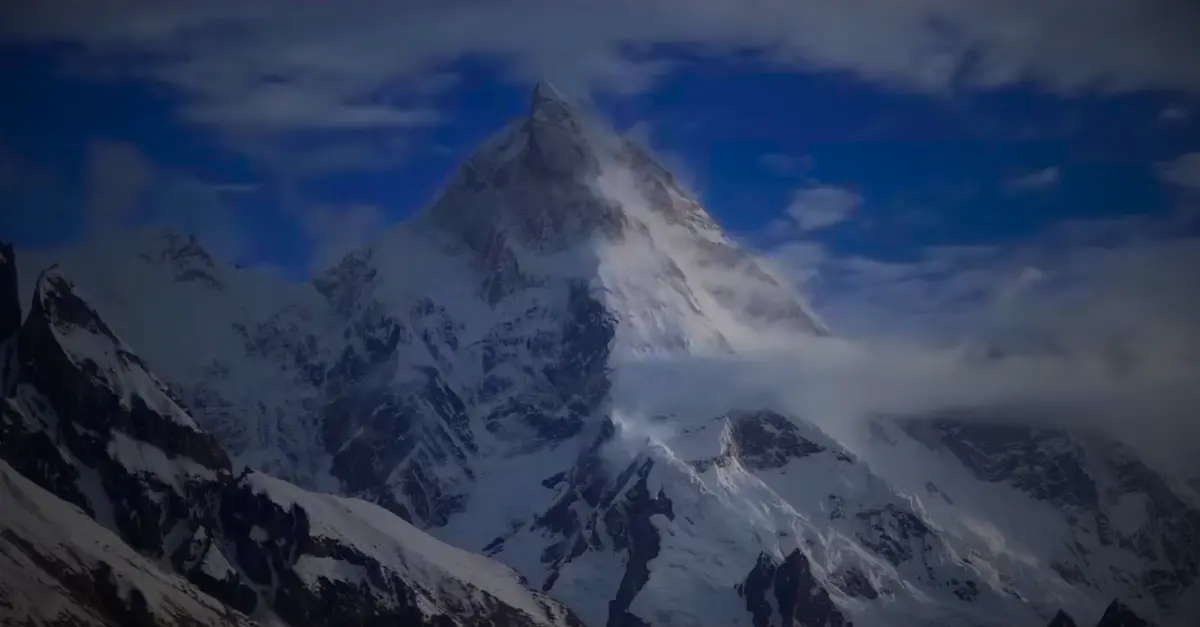
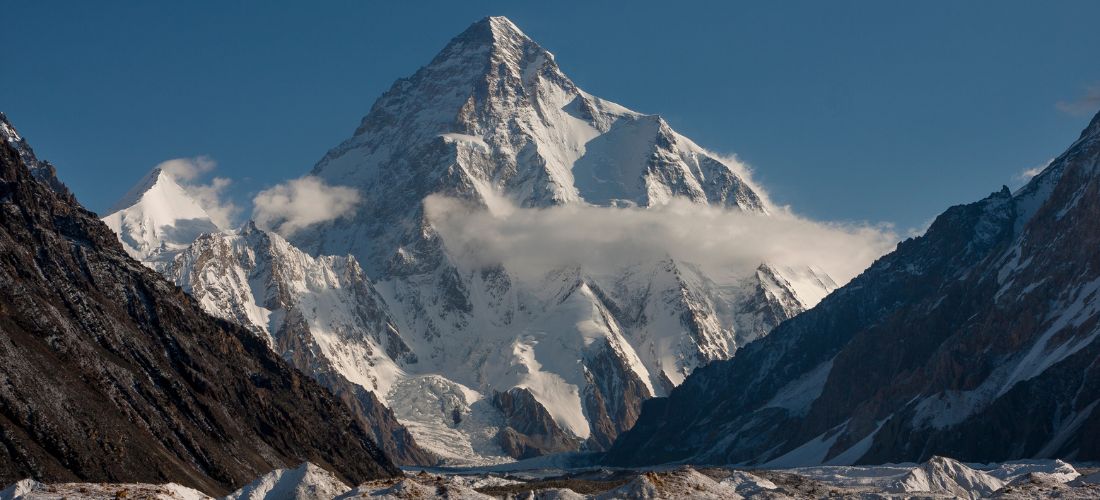
- K2 (8611 m): first winter ascent in January 2021, long considered the most feared peak in cold-season conditions due to its extreme exposure to wind.
- Nanga Parbat (8126 m): climbed in winter in 2016 by Alex Txikon, Ali Sadpara, and Simone Moro, after decades of failed attempts.
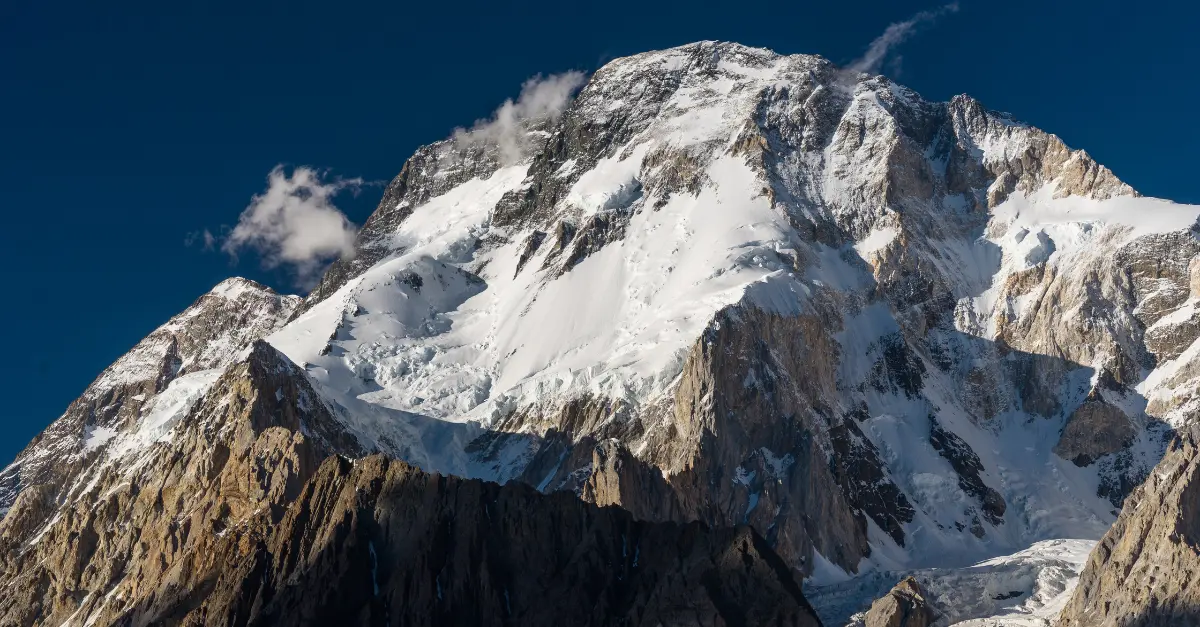
- Broad Peak (8051 m): first winter ascent achieved in 2013, but some routes remain rarely attempted due to a lack of recorded experience.
- Manaslu (8163 m): a winter ascent has been confirmed but rarely repeated, leaving doubts about the route’s statistical reliability.
- Lhotse and Makalu: both climbed in winter, but extreme conditions make every new attempt unpredictable, even with accumulated data.
What’s striking when studying these statistics is just how wide the gap is between a documented winter first ascent and true mastery of a route. A successful climb is no guarantee that another team can repeat the same path under the same safety conditions.
What you need in your pack and in your head
Equipment for a winter expedition has almost nothing in common with that of a classic summer ascent. The margin for error is so razor-thin that every piece of gear has to be treated as a survival item, not a simple comfort.
Equipment, with almost zero room for error
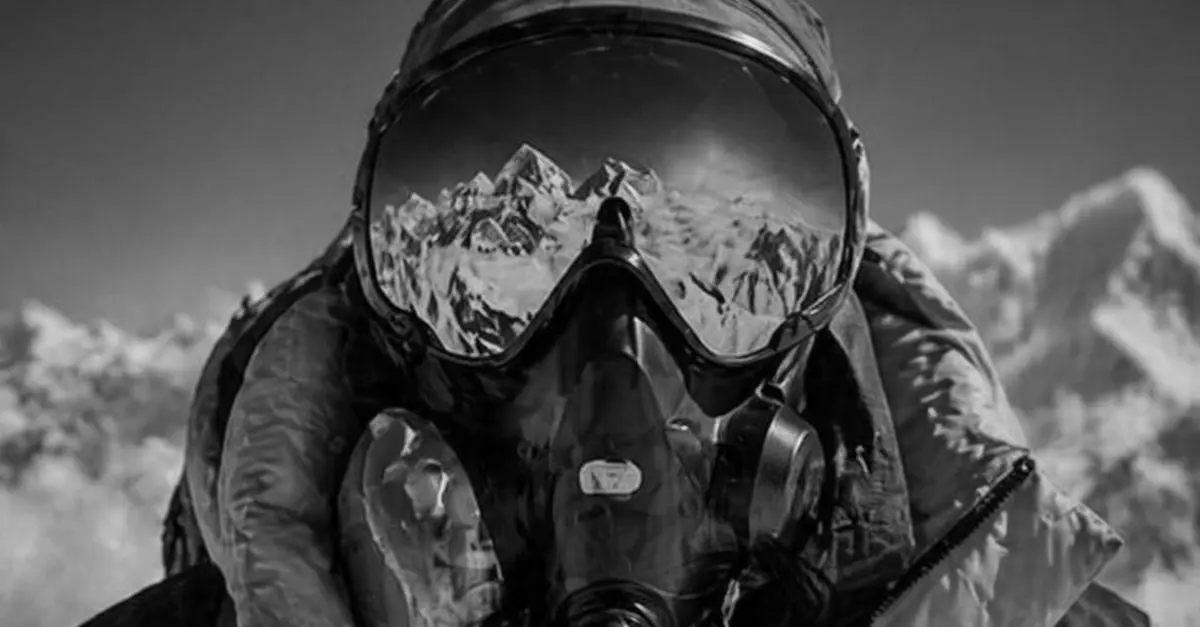
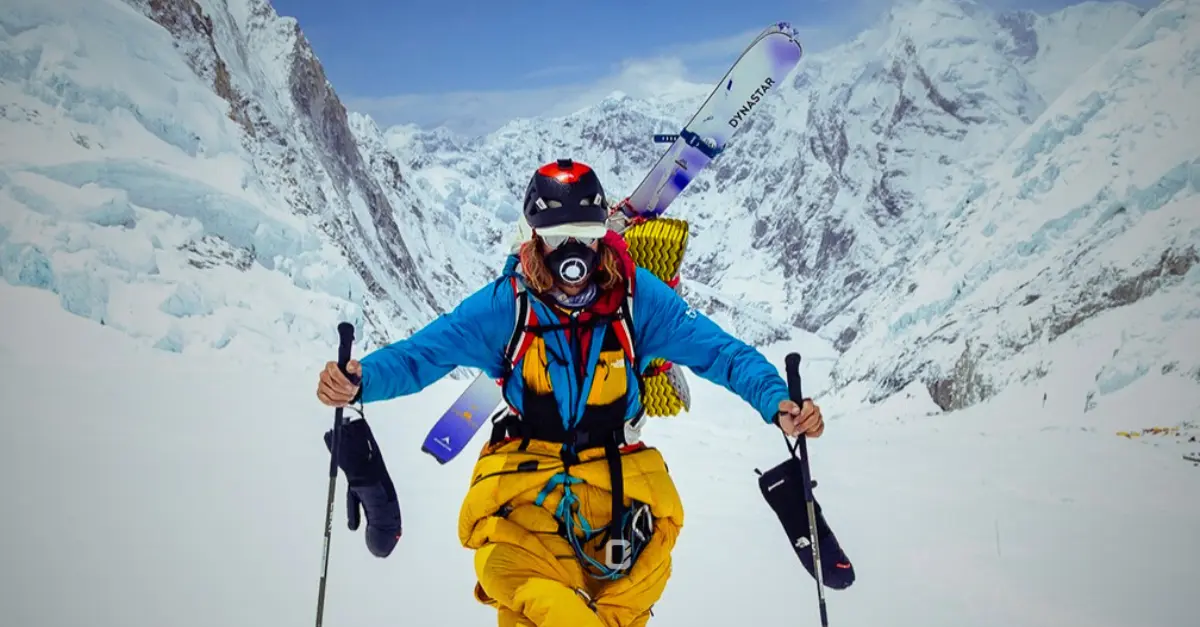
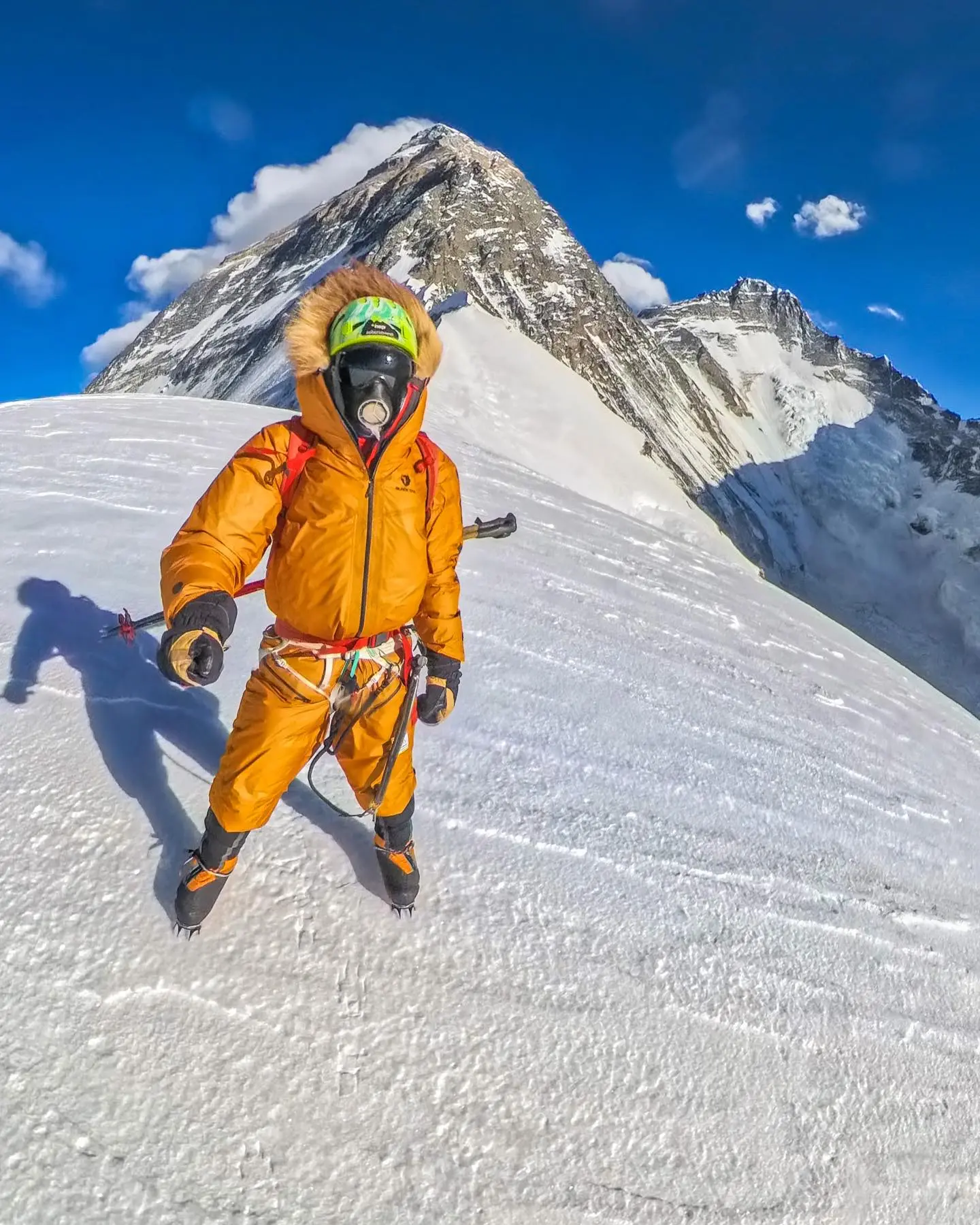
Double boots, designed to withstand extreme temperatures, become essential, as do sleeping bags rated to -40°C or lower. Oxygen masks, already used in summer by many climbers on the highest peaks, become almost standard in winter, where the body burns a colossal amount of energy just to maintain its core temperature.
Tents themselves need to be reinforced, able to withstand gusts that would destroy a standard shelter within minutes. Many winter expeditions now carry gear specifically developed for polar conditions, borrowing technical solutions from Antarctic explorers rather than from traditional mountaineers.
Mental preparation, the real difference
But if there’s one thing every interview with winter climbers confirms, it’s that the mind makes all the difference. Spending several weeks at base camp, in cold, isolation, and uncertainty, demands a psychological resilience few people naturally possess. Simone Moro, one of the most experienced climbers on this specific terrain, has taken part in several winter first ascents and regularly stresses the importance of knowing when to turn back: in his view, the ability to retreat at the right moment matters more than raw physical strength.
This is probably the hardest paradox for an outsider to grasp: the best winter climbers aren’t the ones who always push further, but the ones who can assess in real time the balance between risk and a genuine chance of success, even if it means abandoning an expedition planned for months.
My take after closely following these expeditions
I have to be honest: following a winter expedition live, through daily dispatches or the rare satellite calls from climbers, brings on an almost unbearable tension. I followed the attempts on K2, then on Nanga Parbat, for three consecutive winters, reading every update with an attention I give to no other sporting news. What struck me most wasn’t so much the spectacle of performance as the sheer scarcity of information: these expeditions are often followed by only a handful of enthusiasts, far from the media frenzy that surrounds other far less risky sporting feats.
My honest opinion is that these climbers aren’t chasing public recognition. Many of them fund their own gear, organize their logistics with limited means, and accept a level of risk that most traditional sponsors wouldn’t even agree to back. That discretion stands in sharp contrast to the real scale of what they’re attempting.
The risks too often underestimated
It would be dishonest to cover winter ascent 8000m without mentioning its darkest side: the death toll there remains significantly higher than for summer ascents. Severe frostbite, sometimes followed by amputation, remains a common outcome even for expeditions that end in a successful summit. Ali Sadpara, one of the most respected Pakistani climbers of his generation, went missing in 2021 during a winter attempt on K2, a tragedy that brutally reminded everyone that even the most experienced mountaineers are never truly safe.
Acute mountain sickness, cumulative exhaustion, avalanches triggered by unstable winter snow conditions, and equipment failure under extreme cold all combine into a cocktail of dangers that almost never forgives a lapse in judgment. This, to my mind, is exactly what sets these climbers apart from other mountaineers: they knowingly accept a level of risk that nearly the entire outdoor community would consider utterly unreasonable.
FAQ
Why is winter considered the worst season to climb an 8000m peak?
Winter combines extreme climatic factors that drastically reduce the chances of survival at high altitude.
- Brutal climate barriers: Freezing temperatures combine with the destructive jet-stream winds that drop in winter, turning every movement into a critical ordeal.
- A razor-thin timeline: Much shorter days severely limit hours of action on the mountain, unlike summer or autumn, when weather windows are far longer and more stable.
Have all the 8000m peaks already been climbed in winter?
Yes, the list of the planet’s fourteen giants was officially completed in recent years.
- The final frontier: The historic winter ascent of K2, successfully completed in January 2021 by a team of Sherpas, closed this major chapter of modern mountaineering.
- Isolated feats: Even though every peak has now been “checked off,” these winter ascents remain exceptional and are very rarely repeated given the risks involved.
Is oxygen mandatory for a winter ascent?
Using supplemental oxygen isn’t a formal requirement, but it has become a vital necessity.
- A thermoregulatory role: Beyond helping with breathing, oxygen allows the body to keep producing internal heat in temperatures dropping below -40°C.
- Protection against injury: Going without oxygen in winter dramatically increases the risk of sudden exhaustion and speeds up the onset of irreversible frostbite in the extremities.
Who funds these high-risk winter expeditions?
The financing of these extreme projects relies on a very mixed bag of revenue sources.
- Brand support: A few top athletes manage to land sponsorship deals with major outdoor equipment companies.
- Personal investment: A large majority of seasoned climbers still self-fund their entire logistics, which partly explains why these expeditions sometimes stay under the media radar.